Best Gloves for Ice Fishing
There's nothing quite like the crisp air and serene beauty of a South Dakota winter morning out on the ice, waiting for that tell-tale tug on your line. But let's be honest, the magic can quickly turn into a miserable experience if your hands are freezing, numb, and wet. It's a common frustration: you try to tie a knot with clumsy, frost-bitten fingers, or your "waterproof" gloves are already soaked through from handling a freshly caught walleye. This guide is here to help you navigate the often-overlooked but crucial world of ice fishing gloves, ensuring your hands stay warm, dry, and agile enough to enjoy every moment on the hardwater.
The Unique Brutality of South Dakota Ice Fishing on Your Hands
Ice fishing isn't just "cold weather" fishing; it's a whole different beast, especially in South Dakota where conditions can swing wildly from relatively mild to downright Arctic in a matter of hours. The combination of sustained sub-freezing temperatures, biting winds sweeping across vast frozen lakes like Oahe or Sharpe, and the constant exposure to slush, water, and slippery fish makes regular winter gloves absolutely inadequate. Your hands are your primary tools, and if they're not protected, your day on the ice will be cut short and painful.
Why Regular Winter Gloves Fall Short
Many anglers make the mistake of grabbing their everyday snow gloves or ski mittens, thinking they'll be sufficient. The reality hits hard and fast. Most standard winter gloves are designed for activities where your hands stay relatively dry, like shoveling snow or a quick trip to the store. They might offer decent insulation for a while, but once they come into contact with water – and trust me, they will – that insulation quickly loses its effectiveness.
Imagine this: you've just drilled a few holes with your Best Ice Augers for South Dakota Ice Fishing, and your hands are already damp from snow and slush. Then you land a beautiful perch, and now your gloves are soaked with cold water and fish slime. That warmth you had? Gone. The wind picks up, and suddenly, your hands feel like they're encased in ice blocks. The materials in many conventional gloves absorb moisture rather than repelling it, turning your hand protection into a cold, wet sponge. They simply aren't built to withstand the constant wet-and-cold cycle that is inherent to ice fishing.
The Dexterity Dilemma: When Bulk Becomes a Burden
Another major issue with generic winter gloves is their sheer bulk. While thick insulation is great for warmth, it often comes at the cost of dexterity. Trying to bait a tiny hook, tie a complicated fishing knot, or even just adjust your bobber with bulky, stiff gloves on is an exercise in futility and frustration. You end up having to take them off, exposing your bare hands to the elements, just to perform a simple task. This brief exposure is often all it takes for your fingers to become painfully cold, making it even harder to get the gloves back on.
This constant on-again, off-again routine is not only annoying but also counterproductive to staying warm. Each time your bare skin touches the frigid air, your core temperature starts to drop, and your fingers suffer the most. A good pair of ice fishing gloves understands this balance, aiming to provide warmth without turning your hands into clumsy stumps.
Essential Features for South Dakota Ice Fishing Gloves
When you're out on a frozen South Dakota lake, battling the elements and trying to entice a finicky walleye, your gear needs to be up to the challenge. This is especially true for your gloves. Forget about "good enough" – you need gloves designed specifically for the rigors of ice fishing. There are a few non-negotiable features that separate a truly effective pair from a cold, wet disappointment.
Superior Waterproofing and Breathability
This isn't just about keeping rain out; it's about a complete barrier against ice, slush, fish slime, and whatever else the lake throws at you. Look for gloves that explicitly state they are waterproof, not just water-resistant. Materials like Gore-Tex or similar proprietary waterproof-breathable membranes are your best friends. These membranes block water from entering while still allowing some moisture (perspiration) from your hands to escape, preventing that clammy feeling that quickly leads to cold.
Think about it: you're pulling a crappie out of an icy hole, the line is wet, the fish is wet, and you're inevitably touching slush and water around the hole. Without true waterproofing, your gloves will become saturated almost instantly. A good waterproof glove will bead up water on the surface, allowing you to shake it off, keeping the inner insulation dry and effective. Many reputable brands like Striker, Glacier Glove, and Clam offer excellent options, often available at local outfitters or through online retailers like Amazon.
Insulation That Performs When Wet
The insulation inside your gloves is what keeps you warm. However, not all insulation is created equal, especially when moisture is involved. Down insulation, while incredibly warm, loses virtually all its insulating properties when wet. For ice fishing, synthetic insulation is generally superior. Materials like Thinsulate, PrimaLoft, or other proprietary synthetic fills are designed to retain warmth even if they become damp. They trap air, providing an insulating barrier, and don't clump up like down when wet.
The amount of insulation (often measured in grams) will vary by glove, but for typical South Dakota conditions, you'll want something substantial. Consider how often you'll be actively fishing versus sitting and waiting. If you're constantly moving, you might need slightly less insulation, but for long periods of inactivity, more is definitely better. Look for gloves with at least 100-200 grams of insulation, especially in the palm and fingers. A layered approach, with a thin liner glove and a heavily insulated outer shell, can offer versatility for changing conditions, which is crucial when ice fishing for South Dakota Walleye Limits.
Prioritizing Dexterity and Grip
This is where the rubber meets the road (or the ice meets the fish). You need to be able to manipulate small objects, tie knots, reel, and handle fish without fumbling. Look for gloves that feature:
- Pre-curved fingers: This design mimics the natural curve of your hand, reducing bulk and improving comfort.
- Reinforced palms and fingertips: Often made with durable, grippy materials like synthetic leather or textured rubber, these areas provide extra traction for holding rods, managing lines, and handling slippery fish. They also add to the longevity of the glove.
- Less bulk in critical areas: Some gloves are designed with slightly less insulation or strategically placed flexible panels in the fingers and thumb to allow for better movement.
Having excellent grip is vital for safety, too. Dropping a valuable rod or a lively fish back down the hole because your gloves are too slick or clumsy is a frustrating and costly mistake many anglers have made. Brands like Blackfish and IceArmor often prioritize this balance of warmth and grip, and you can often find a wide selection at larger sporting goods stores like Bass Pro Shops.
Navigating the World of Ice Fishing Handwear Options
Just as there are different tools for different jobs, there are various styles of handwear designed for ice fishing. What works best for you will depend on your personal preferences, the specific weather conditions you're facing, and the type of fishing activity you're doing. It’s not a one-size-fits-all situation, and many serious ice anglers carry a couple of different options in their South Dakota Fishing Gear Checklist.
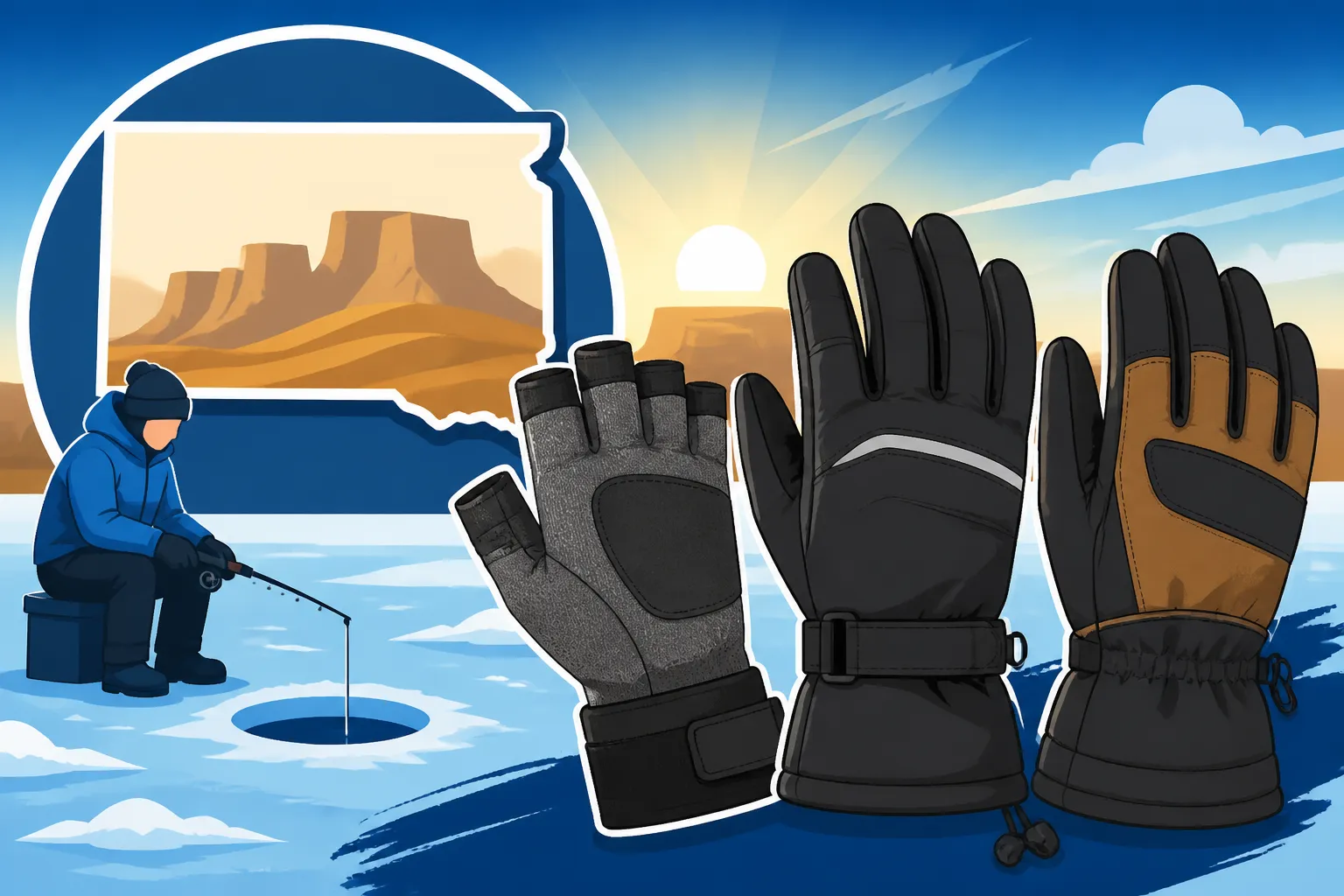
| Handwear Type | Pros | Cons | Best Use Case |
|---|---|---|---|
| Full-Finger Gloves | Good overall protection, moderate dexterity | Can still be bulky for fine tasks, may get wet inside over time | General ice fishing, less frequent fine motor work, active jigging |
| Flip-Mitts | Excellent dexterity when needed, good warmth when closed | Finger exposure when flipped, can lose heat quickly in extreme cold | Tying knots, baiting, quick tasks, camera work |
| Mittens | Maximum warmth, ideal for extreme cold | Minimal dexterity, must be removed for almost any task | Extreme cold, long periods of inactivity, traveling |
| Liner Gloves | Adds warmth, good dexterity when worn alone briefly | No waterproofing, minimal insulation alone, not for direct exposure | Layering, brief fine motor tasks, under other handwear |
Full-Finger Gloves: The All-Around Workhorse
Full-finger ice fishing gloves offer continuous protection for your entire hand. These are your standard "gloves" but designed with the specific features we discussed: waterproofing, effective insulation, and reinforced grip. They are a great choice for general ice fishing, especially if you're actively jigging or moving between holes.
The benefit here is constant warmth and protection. You don't have exposed skin unless you deliberately take them off. However, even the best full-finger gloves will have some level of bulk, which can make those ultra-fine motor tasks (like threading tiny line through a small jig eyelet) challenging. Many anglers find they still need to remove a glove for such precision work, even if just for a few seconds. If you find yourself needing to do this frequently, consider a pair that's easy to slip on and off, or look for features like magnetic clips to keep them together when removed. These are often a good primary choice when the temperatures are cold, but not brutally so, and you're actively engaged in fishing that doesn't require constant fine adjustments.
Flip-Mitts and Convertible Gloves: The Best of Both Worlds?
For many South Dakota ice anglers, flip-mitts (or convertible gloves) are the ultimate compromise. These cleverly designed pieces of handwear look like mittens but have a flap that allows you to expose your fingers and thumb when needed. The flap usually secures back with a magnet or hook-and-loop closure.
The beauty of flip-mitts is that you get the superior warmth of a mitten when your fingers are enclosed, protecting them from the biting wind and cold. But when it's time to tie a knot, bait a hook, or check your phone, you simply flip the cover back, expose your bare fingers for maximum dexterity, and then quickly cover them again to restore warmth. This minimizes the time your bare skin is exposed to the elements, reducing the chances of them getting painfully cold. Many models, such as those from Striker or Clam, feature waterproof materials and good insulation in the mitten portion. They are excellent for those days when you need both serious warmth and periodic precision, making them a popular choice for everything from Lake Oahe Walleye Hotspots Near Mobridge to a quick trip to a state park pond.
Mittens for Maximum Warmth
When the mercury truly plummets, and the wind chill is brutal enough to make a seasoned South Dakotan shiver, sometimes only a good pair of insulated mittens will do. Mittens keep all your fingers together, allowing them to share warmth, which is inherently more efficient than individual fingers in a glove. They offer the absolute best warmth for your hands.
The trade-off, of course, is dexterity. With mittens, you'll have almost no ability to perform fine motor tasks. They are best suited for periods of waiting, driving your ATV, or when you’re prioritizing staying warm above all else. Many anglers will pair super-warm, waterproof mittens with a thinner, more dexterous liner glove underneath. This allows them to quickly slip off the mitten for a momentary task, perform it with the liner glove, and then get the mitten back on. This strategy is particularly effective when you're facing How Cold It Gets Ice Fishing in South Dakota and need maximum thermal protection.
Liner Gloves: The Unsung Heroes of Layering
Don't underestimate the power of a good liner glove. These thin, often form-fitting gloves are usually made from materials like merino wool, fleece, or synthetic blends. They aren't waterproof or heavily insulated on their own, but they serve several crucial purposes:
- Added Warmth: Worn under your primary ice fishing gloves or mittens, they add an extra layer of insulation, significantly boosting overall warmth without adding excessive bulk.
- Wicking Moisture: Many liners are designed to wick moisture away from your skin, keeping your hands drier even if you sweat or your outer gloves get a little damp.
- Dexterity for Quick Tasks: When you need to take off your bulky outer gloves for a moment of precision, the liner gloves provide a thin layer of protection and just enough grip to handle tackle without your bare skin immediately freezing.
Having a good pair of liner gloves, perhaps something you can find easily at a retailer like Amazon or even at Bass Pro Shops, can truly elevate your ice fishing comfort and extend your time on the ice. They're a small investment that makes a huge difference.
Keeping Your Hands Warm and Dry All Day Long
Having the right gloves is a massive step, but it’s not the only piece of the puzzle. There are additional strategies and habits you can adopt to ensure your hands remain comfortable, warm, and ready for action throughout your entire ice fishing adventure in South Dakota. It's about a holistic approach to hand care on the ice.
Layering Your Handwear: A System Approach
Just like you layer your clothing for ice fishing, layering your handwear offers versatility and superior protection. This is often the most effective way to combat the unpredictable nature of South Dakota's winter weather.
- Base Layer (Liner Gloves): Start with a thin, moisture-wicking liner glove. Merino wool or synthetic options are excellent choices. They provide a foundational layer of warmth and act as a buffer for brief moments when your outer glove is removed. These can be the gloves you wear when tying knots or re-baiting.
- Mid-Layer (Optional, but Recommended): For truly frigid days, you might add a slightly thicker, fleece-lined glove over your liner. This is less common but can be useful if your primary outer glove isn't super insulated.
- Outer Layer (Primary Ice Fishing Gloves/Mittens): This is your main line of defense – your waterproof, insulated, durable ice fishing glove or mitten. This layer provides the bulk of the warmth and all the crucial protection against the elements.
By layering, you can adjust to conditions. If it warms up, you might just wear your liners or a lighter outer glove. If it gets brutally cold, you have maximum protection. This system also means that if your outer glove gets soaked, your liner might still be somewhat dry, providing a layer of warmth until you can change or dry out the outer layer.
Smart Glove Management: Keeping Spares and Drying Strategies
Even the best waterproof gloves can eventually get wet inside from condensation or accidental dunking. That's why smart management is key to sustained comfort.
- Carry a Spare Pair (or Two!): This is non-negotiable for serious ice anglers. If your primary gloves get wet, having a completely dry backup pair is a lifesaver. You can swap them out, put the wet pair inside your jacket to dry slightly from body heat, or even hang them in your ice shelter if you have a heater.
- Utilize Your Shelter: If you're fishing in a heated ice fishing shelter, make the most of it. Hang wet gloves near the heat source (safely, of course) to dry them out. Many shelters have mesh pockets or straps perfect for this. This helps you get more life out of your gear and keeps you warmer. Check out tips for Best Ice Fishing Shelters for South Dakota Winters for more ideas.
- Protect Them When Not Worn: When you take your gloves off for a moment, don't just toss them in the snow or slush. Keep them in a dry pocket, a bucket, or even tucked inside your hat to maintain some warmth and dryness.
Hand Warmers: Your Secret Weapon
Chemical hand warmers are a simple, inexpensive, and incredibly effective tool for keeping your hands toasty. These small packets generate heat when exposed to air and can be a game-changer on bitter cold days.
- Inside Your Gloves: Slip a hand warmer into the back of your gloves or mittens, near the top of your hand. This helps radiate warmth down into your fingers, where cold often hits hardest.
- In Your Pockets: If your hands are really struggling, keep a few hand warmers in your jacket pockets. When you take your gloves off for a quick task, you can immediately plunge your bare hands into your warm pockets to prevent them from freezing.
- For Recovery: If your hands do get painfully cold, a hand warmer can help speed up the rewarming process, preventing deeper discomfort or even frostnip.
By combining the right gloves with smart layering and diligent management, you can effectively combat the cold and keep your hands happy, allowing you to focus on the fishing and the beauty of a South Dakota winter wonderland. Don't let frozen fingers be the reason you pack up early when the bite is just getting good on Lake Kampeska Fishing Guide or Lake Poinsett Fishing Guide.
Disclaimer
This article is for general informational purposes only and does not constitute professional advice. Laws, prices and regulations vary by location and change over time. Consult a qualified professional for guidance on your specific situation.