South Dakota Life Jacket Requirements
The open waters of South Dakota's lakes and rivers call to so many of us, promising peaceful days and exciting catches. But let's be honest, alongside the anticipation of landing a trophy walleye, there's often a nagging question about boating rules and, specifically, those confusing life jacket requirements. It's easy to feel overwhelmed by regulations when all you want to do is get out on the water. This comprehensive guide is here to untangle the South Dakota life jacket requirements, helping you understand not just the letter of the law, but also how to stay safe and comfortable, ensuring your next fishing trip is worry-free.
Why Life Jackets Are More Than Just a Rule: The True Lifesaver
It's easy to view life jacket requirements as just another government regulation, a box to check before you can launch your boat. But for those of us who spend any real time on the water, especially here in South Dakota with our vast lakes and powerful rivers, we know they're much more than that. A life jacket isn't just about avoiding a ticket; it's about coming home safe at the end of the day.
The Cold Reality of South Dakota Waters
Our beautiful South Dakota waters, from the mighty Missouri River reservoirs like Lake Oahe and Lake Sharpe to the glacial lakes up north, can be deceptively cold. Even on a hot summer day, the water temperature below the surface can be chilling, and during spring or fall, it can be downright frigid. Falling into cold water, especially unexpectedly, can trigger cold shock, where your body involuntarily gasps for air, potentially leading to immediate drowning. A life jacket keeps your head above water, buying you precious time to recover from the initial shock and gather your bearings. It’s an immediate flotation device that doesn’t rely on your ability to swim in distress or against a current.
Imagine being out on Lake Francis Case on an early spring morning, the air crisp, the fish biting. You hit a wake wrong, or a sudden gust of wind catches your boat, and suddenly you're overboard. Without a life jacket, that initial plunge into 50-degree water can steal your breath and your ability to swim almost instantly. With one on, you're buoyant, you can focus on breathing, and signal for help or work your way back to the boat. It's the difference between a scary moment and a potential tragedy.
Unexpected Emergencies: From Falls to Fouled Props
Boating accidents aren't always dramatic collisions; sometimes, they're simple, unexpected mishaps that can turn dangerous fast. A slippery deck, a misplaced step, or even reaching over the side for a dropped lure can send you into the water. What if your boat's engine suddenly dies, and you're stranded far from shore with a strong current? What if your anchor rope gets fouled and you need to deal with it from the water? These aren't far-fetched scenarios; they happen to seasoned anglers and casual boaters alike.
A life jacket offers critical support in these moments. If you fall and hit your head, it ensures you don't submerge. If your boat capsizes, it helps you stay with the vessel and await rescue. Even if you're a strong swimmer, trying to swim against a current or in choppy water while fully clothed can be exhausting and perilous. A properly fitted life jacket reduces that exertion, helping you conserve energy and stay calm until help arrives. It's a simple piece of gear that has an outsized impact when things go wrong.
The Legal and Financial Repercussions of Non-Compliance
Beyond the critical safety aspect, there are very real legal and financial consequences for not adhering to South Dakota's life jacket requirements. Game, Fish and Parks (GFP) officers, as well as local law enforcement, regularly patrol our waterways. If you're caught without the proper number or type of life jackets, or if someone required to wear one isn't, you're looking at a citation. These aren't just minor inconveniences; they can involve significant fines.
But the financial impact can go even deeper. In the unfortunate event of an accident, if it's found that you or someone on your vessel was not in compliance with life jacket laws, it could affect insurance claims. Your insurance provider might deny or reduce coverage, leaving you personally liable for damages or medical expenses. It’s not a risk worth taking, especially when the solution is so straightforward. Understanding South Dakota Boat Safety Requirements means more than just having a first aid kit; it means actively ensuring every person on your boat has access to a serviceable life jacket.
Understanding South Dakota's Specific Life Jacket Requirements
Navigating the exact rules for life jackets can feel a bit like reading hieroglyphics sometimes. South Dakota, like all states, follows federal guidelines set by the US Coast Guard (USCG), but also has a few specific state-level nuances. The core principle is that you must have a sufficient number of properly fitted, USCG-approved life jackets for everyone on board your vessel, and certain individuals must wear them at all times.
US Coast Guard Approval: The Gold Standard
First and foremost, any life jacket you use in South Dakota must be approved by the U.S. Coast Guard. This isn't just a suggestion; it's the law. A USCG-approved life jacket will have a label clearly stating its approval and the type of PFD (Personal Flotation Device) it is. These labels are crucial because they tell you that the jacket has met rigorous safety standards for flotation, materials, and design. Without this approval, it's essentially just a vest, not a legal or safe life jacket.
There are different types of USCG-approved PFDs, categorized by their design and intended use, ranging from Type I (offshore, maximum buoyancy) to Type V (special use devices). For most recreational fishing and boating in South Dakota, you'll primarily be looking at Type III PFDs, which are designed for continuous wear and offer good comfort and mobility, or Type II, which are more basic but still reliable. Understanding these types is key to making sure you're not only compliant but also have the right gear for your specific activity.
Quantity and Accessibility Rules
Here’s where it gets particular: every vessel, regardless of its size, must have at least one readily accessible USCG-approved life jacket for each person on board. "Readily accessible" means it can be reached quickly in an emergency, not buried under a pile of gear in a storage compartment. If you have guests, make sure they know where their PFD is. This applies to all boats, from a small fishing kayak on Lake Poinsett to a large pontoon on Lewis and Clark Lake.
For boats 16 feet or longer (excluding canoes and kayaks), you also need to carry one throwable flotation device (Type IV PFD), like a life ring or a buoyant cushion. This is intended to be thrown to someone who has unexpectedly fallen overboard, providing immediate flotation without putting rescuers in the water. So, if you're out on your typical walleye boat on Lake Oahe, you'll need one jacket per person, plus that extra throwable cushion or ring. These requirements are simple but vital for ensuring quick action in an emergency.
Proper Fit and Condition Explained
Having a life jacket isn't enough; it must fit properly and be in good, serviceable condition. A life jacket that's too big can ride up around your ears, hindering your ability to breathe and stay afloat. One that's too small might not provide enough buoyancy or could be uncomfortably restrictive. It needs to be snug but comfortable, allowing you to move freely, especially if you're actively fishing. Test it out: once it's on and buckled, lift your arms straight up – if it rides up over your chin or ears, it’s too loose or too big.
Equally important is the condition of the life jacket. Check them regularly for rips, tears, or excessive fading that could compromise their structural integrity. Make sure all buckles, zippers, and straps are in working order. Look for waterlogging, which can reduce buoyancy, or mildew, which can indicate poor storage. A life jacket with a torn strap or a broken buckle isn't serviceable, and it won't count towards your legal requirements. This is where a quick check before each season, or even before each trip, can save you a headache, or even a life. You can often find durable, high-quality options from retailers like Bass Pro Shops that stand up to regular use.
Specific Scenarios: Who Needs to Wear What and When?
The general rule is one life jacket per person, readily accessible. But South Dakota adds a few specific stipulations about who must wear a life jacket, especially considering the vulnerabilities of certain age groups and the unique challenges of different vessel types. This is where many anglers get confused, so let's break it down.
Children and Youth Requirements
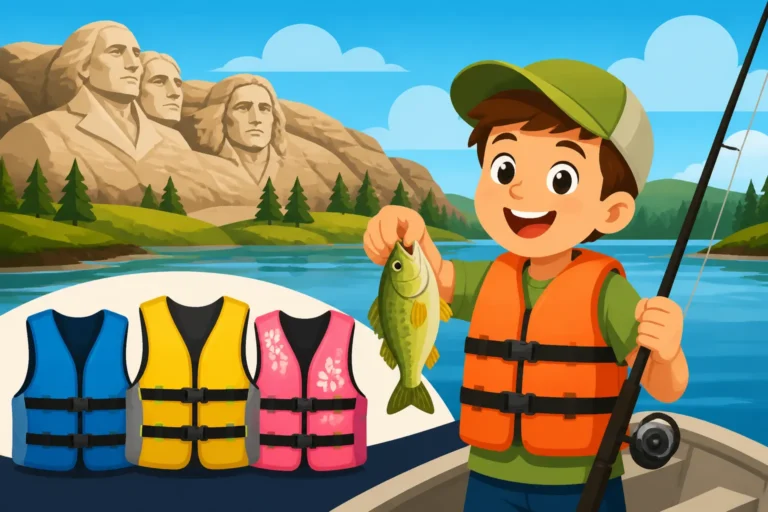
This is arguably the most critical and often misunderstood rule. In South Dakota, any child under seven years of age must wear a USCG-approved life jacket at all times while on board any vessel. This isn't just for moving boats; it applies even when anchored, drifting, or tied up at the dock. The only exception is if the child is inside an enclosed cabin or below deck, but for fishing boats, pontoons, and open vessels, that means they need to be wearing it. This rule exists for a very good reason: small children can fall overboard silently and quickly, and their ability to swim or react in an emergency is extremely limited.
Finding a child's life jacket that fits correctly and comfortably is paramount. It should be snug, not bulky, and designed for their specific weight range. Many child PFDs come with a crotch strap to prevent them from riding up and a head support to keep their face out of the water. Make sure to try it on your child before heading out, especially if you're ordering online from a place like Amazon, as sizes can sometimes vary. A child who is comfortable is much less likely to resist wearing it, making for a safer and more enjoyable family outing.
Paddlers: Kayaks, Canoes, and Paddleboards
For those of us who love the quiet solitude of paddling a kayak or canoe on a calm lake or exploring the slower stretches of rivers, the rules can seem a little different, but they're still clear. On canoes, kayaks, and stand-up paddleboards (SUPs) in South Dakota, you must have a USCG-approved life jacket for each person on board. While adult paddlers are generally not required to wear the PFD, it must be readily accessible. This means it needs to be on your person, on deck, or within immediate reach, not tucked away in a dry bag at the back of your kayak.
However, many experienced paddlers choose to wear their PFD at all times, especially on larger waters, in cold conditions, or when currents are a factor. The ease of falling out of a kayak or off a paddleboard, combined with the often-solitary nature of paddling, makes wearing a life jacket a very smart choice. If you're exploring the more remote areas of the Black Hills streams or tackling the larger glacial lakes, having it on can be the difference maker. Remember, even if it's not strictly required to be worn, having it on saves precious seconds if you capsize. You can find excellent Kayak Fishing Gear Guide options designed for comfort during extended paddling trips.
Boaters on Larger Vessels and Personal Watercraft (PWC)
On larger fishing boats, pontoons, and other motorized vessels, the "one life jacket per person, readily accessible" rule, along with the throwable PFD for boats 16 feet and over, is the standard. However, if you're operating a Personal Watercraft (PWC), like a Jet Ski, everyone on board, regardless of age, must wear a USCG-approved life jacket at all times. This makes perfect sense when you consider the speeds and maneuverability of PWCs, where unexpected falls are much more common.
It's also worth noting that anyone being towed behind a vessel, whether water skiing, wakeboarding, or tubing, must also wear a USCG-approved life jacket. This applies to both the person in the water and often the observer in the boat. The rules are designed to protect everyone participating in these high-energy activities. So whether you're chasing walleye on Lake Sharpe in your fishing boat or zipping around on a PWC, make sure everyone is properly outfitted.
Choosing the Right Life Jacket for Your Fishing Adventure
With all these rules and types, selecting the right life jacket can feel daunting. But really, it comes down to balancing safety, compliance, and comfort, especially for us anglers who spend hours on the water. A life jacket that’s uncomfortable is one you’re less likely to wear, defeating its entire purpose.
Types of PFDs: Navigating the Options
The USCG categorizes PFDs into five main types, each with specific design features and buoyancy levels:
| PFD Type | Description | Buoyancy (min. lbs) | Typical Use | Pros | Cons |
|---|---|---|---|---|---|
| Type I | Offshore Life Jacket (Vest) | 22.0 | All waters, especially rough, remote, or when rescue may be delayed. | Turns unconscious wearer face up; highly visible. | Bulky; less comfortable for active wear. |
| Type II | Near-Shore Buoyant Vest (Vest) | 15.5 | Calm, inland waters or where rescue is likely to be prompt. | Turns some unconscious wearers face up; less bulky. | Less buoyancy than Type I; still somewhat bulky. |
| Type III | Flotation Aid (Vest or Inflatable) | 15.5 | Calm, inland waters; ideal for conscious users in supervised activities. | Most comfortable; wide range of styles for activities like fishing. | Won't turn unconscious wearer face up; user must tread water. |
| Type IV | Throwable Device (Cushion, Ring Buoy) | 16.5 | Supplemental device for all boats 16ft+; for throwing to someone in distress. | Easy to toss; helps keep a person afloat. | Not designed to be worn; not suitable for children or non-swimmers. |
| Type V | Special Use Device (Work Vest, Hybrid, Inflatable) | 15.5-22.0 | Specific activities like kayaking, waterskiing, sailing; must be worn for approved activity. Often requires inflation. | Highly specialized; often very comfortable when worn. | Requires specific use; many are inflatable and require maintenance. |
For most South Dakota anglers, a Type III PFD is the sweet spot. They offer sufficient buoyancy for inland waters, come in a variety of comfortable designs, and allow for a full range of motion, which is crucial when casting or fighting a big fish. South Dakota Life Jacket Requirements often lean towards the practical use of these types.
Comfort and Functionality for Anglers
Let's face it, if a life jacket is bulky and constricting, you're not going to enjoy wearing it, and you'll likely try to avoid it. Modern Type III PFDs are designed with anglers in mind. Look for features like:
- Thin-back designs: This allows you to lean back against a boat seat comfortably without the PFD bunching up.
- Large armholes: Essential for unrestricted casting and reeling.
- Pockets and attachment points: Some PFDs are designed with integrated pockets for tackle, pliers, and other essentials, effectively becoming part of your fishing vest.
- Breathable fabrics: Especially important during hot South Dakota summers to prevent overheating.
- Adjustability: Multiple adjustment straps ensure a snug, customized fit for different body types.
Inflatable PFDs (often Type V, but approved for Type III use) are also gaining popularity among anglers. These are very low profile, often worn like a fanny pack or a slim vest, and only inflate when manually activated or automatically upon immersion. They offer maximum comfort and freedom of movement. Just remember that many inflatable PFDs have specific wearing requirements to count as a legal PFD, meaning they must be worn to be considered readily accessible. Checking out specialized fishing PFDs at a store like Bass Pro Shops can really help you find the right fit and features.
Specialty Vests for Different Activities
Beyond general fishing, consider if you have specific activities that warrant a specialty PFD.
If you're into Kayak Fishing Techniques for Beginners, you'll find vests specifically designed for kayaking that have high backs (to clear the seat) and often more pockets up front. These offer freedom of arm movement and sit comfortably even when seated for long periods. Brands offer different models for both sit-in and sit-on-top kayaks.
For ice fishing, while typically not required to be worn unless on certain types of motorized ice vehicles, an ice fishing suit with integrated flotation can offer warmth and a crucial safety net if you break through the ice. These are Type V PFDs, and while they might seem like an overkill for casual ice fishing, they are an excellent investment for safety on uncertain ice. Each activity demands a slightly different approach to your gear, and your life jacket should be no exception.
Maintenance, Storage, and Common Mistakes
Having the right life jackets is one thing; keeping them in top condition and understanding the nuances of their use is another. A poorly maintained or incorrectly used life jacket is almost as useless as not having one at all.
Regular Inspection and Care
Just like you maintain your fishing reels and boat engine, your life jackets need regular care. At the start of each season, and periodically throughout, give each PFD a thorough inspection.
Look for:
- Fabric integrity: Check for rips, tears, frayed straps, or excessive fading which can weaken the material.
- Hardware: Ensure all buckles, zippers, and clasps are functional and not corroded or cracked.
- Stitching: Examine seams for loose threads or unraveling.
- Buoyancy: Squeeze the flotation material. If it feels compressed, brittle, or waterlogged, its buoyancy may be compromised.
- Inflatables: For inflatable PFDs, check the CO2 cylinder to ensure it's not expired or discharged. Inspect the bladder for leaks and ensure the oral inflation tube cap is secure.
If a life jacket shows significant wear or damage, it's time to replace it. A compromised PFD will not provide the intended level of safety. A quick wash with mild soap and water can keep them clean, but avoid harsh detergents or bleach, which can damage the fabric and flotation material. Always let them air dry completely before storing to prevent mildew.
Storing Your PFDs Properly
How you store your life jackets can significantly impact their lifespan and effectiveness. Never store them in direct sunlight for extended periods, as UV rays can degrade the fabric and flotation foam over time. Avoid extreme heat, like leaving them in a hot car trunk or boat compartment where temperatures can soar, as this can also damage the materials.
The best practice is to store them in a cool, dry, well-ventilated area, away from chemicals and sharp objects. Hang them up or lay them flat to prevent permanent creases or compression of the flotation material. Some boaters invest in a dedicated storage bag or box to protect them from dirt, dust, and accidental damage. Proper storage ensures your life jackets remain in serviceable condition and ready for use whenever you hit the water. This also helps with South Dakota Fishing Gear Checklist organization.
Common Misconceptions and Violations
There are several common mistakes and misconceptions that can lead to violations or, worse, compromise safety:
- "I'm a strong swimmer, I don't need one." This is perhaps the most dangerous misconception. Even Olympic swimmers can succumb to cold shock or injury after an unexpected fall. A life jacket isn't just for non-swimmers; it's for anyone in an emergency situation.
- Life jackets stored in their original plastic packaging. While good for initial storage, once you own them, they need to be out of the packaging and "readily accessible." If an officer finds them still wrapped, it's a violation.
- Using old, degraded life jackets. As mentioned, a PFD that is torn, waterlogged, or heavily faded might not provide adequate flotation and will not be considered "serviceable" by law enforcement.
- Underestimating the cold. Even on a warm day, South Dakota's larger lakes can have very cold water, leading to hypothermia much faster than you might expect. Always dress for the water temperature, not just the air temperature.
- Not checking child sizes annually. Children grow fast! A life jacket that fit last year might be too small or too snug this year, or a larger child might need a new size bracket. Always check fit before the first outing of the season.
Understanding these common pitfalls helps you stay both legal and genuinely safe on the water.
Where to Acquire Your Life Jackets
So, you've decided to get your life jackets sorted – excellent choice! Now the question is, where's the best place to find them? You have a few great options, each with its own advantages.
Online Retailers and Their Advantages
For sheer variety and convenience, online retailers are hard to beat. Sites like Amazon offer an enormous selection of USCG-approved life jackets in all types, sizes, and styles. You can browse different brands, read customer reviews, and compare prices from the comfort of your home. This is particularly useful if you're looking for specific features, such as a specialized Best PFD for Kayak Fishing or a highly breathable fishing vest with lots of pockets.
The key advantage of online shopping is the ability to easily find exactly what you need, often with competitive pricing. However, the downside is you can't try it on before you buy. This is less of an issue for standard adult sizes, but for children or specialized fits, it might require careful measurement and checking return policies. Always double-check that the product explicitly states it is USCG-approved.
Local Shops and Expert Advice
For a hands-on experience and expert guidance, nothing beats visiting a local outdoor or marine supply store. Stores like Bass Pro Shops or even smaller independent fishing shops often have a dedicated section for life jackets. The biggest advantage here is the ability to try on different sizes and styles, ensuring a comfortable and proper fit before you purchase. This is especially important for children, where a proper fit can literally be a lifesaver.
Sales associates at these stores are often fellow anglers and boaters. They can offer invaluable advice based on your specific needs, like what type of PFD is best for South Dakota Missouri River Fishing Techniques or which brands are known for durability. You can also physically inspect the quality of the materials and stitching, which is harder to gauge online. Plus, you're supporting a local business, which is always a bonus for our community! If you're unsure about South Dakota Boat Safety Requirements for your vessel, they can often help clarify.
Rental Options for Occasional Use
What if you only boat or fish a few times a year, or you have unexpected guests joining you on the water? Buying a whole set of life jackets might not make sense. In these cases, rental options can be a fantastic solution. Many marinas, boat rental facilities, and even some state parks offer life jacket rentals, especially in popular areas like those around Lake Sharpe or Lewis and Clark Lake.
Renting ensures you have compliant, serviceable PFDs without the upfront cost or storage hassle. Just be sure to inspect the rented jackets carefully before you take them out. Check for rips, tears, or damage, and ensure they are the correct size for your passengers. It’s a convenient way to adhere to regulations like How Many Life Jackets You Need on a Fishing Boat in South Dakota without owning a dozen different sizes.
Regardless of where you get them, the most important thing is that your life jackets are USCG-approved, properly fitted, in good condition, and readily accessible for everyone on board. Staying safe on South Dakota's beautiful waters starts with this simple, yet crucial, piece of gear.
Disclaimer
This article is for general informational purposes only and does not constitute professional advice. Laws, prices and regulations vary by location and change over time. Consult a qualified professional for guidance on your specific situation.