Best Walleye Jigging Rods
There's nothing quite as frustrating as feeling those subtle "thunks" or tiny "ticks" when walleye are on the bite in South Dakota, only to miss the hookset because your rod just isn't translating those vital signals. Whether you're battling the current on the Missouri River or finessing finicky fish in one of our glacial lakes, having the right jigging rod can make all the difference between a productive day and a series of missed opportunities. This guide is here to walk you through everything you need to know about choosing the best walleye jigging rods, ensuring you’re perfectly equipped for success on our diverse waters.
Understanding the Art of Walleye Jigging in South Dakota
Jigging for walleye is more than just dropping a lure in the water; it's an art form, a dance between angler and fish where every subtle movement and vibration tells a story. In South Dakota, with our vast and varied waterways, mastering this technique means understanding why it's so effective and what unique challenges our walleye present.
Why Jigging is So Effective for Walleye
Walleye are opportunistic feeders, often hugging bottom structure or hiding in current breaks, waiting to ambush unsuspecting prey. Jigging perfectly mimics this prey behavior, presenting a meal that appears injured or easy to catch. It’s a method that offers unparalleled control over your bait, allowing you to precisely work structure, feel subtle bites, and react quickly.
Imagine you're out on the mighty Missouri River system, perhaps near Lake Sharpe or Lake Francis Case, where the current can be a real game-changer. Here, jigging allows you to maintain direct contact with the bottom, bouncing your lure off rocks or ledges where walleye lie in wait. The direct connection you get with a jigging rod lets you feel every peck, every subtle take, which is absolutely crucial when these fish are being particular. It's not just about hitting the bottom; it's about feeling the bottom, understanding the contours, and presenting your jig in a way that triggers a strike. A sensitive jigging rod translates these underwater nuances right to your fingertips, giving you an edge when the walleye are playing hard to get. This direct feedback is what makes jigging such a deadly tactic for walleye, especially in diverse South Dakota environments.
The Unique Challenges of South Dakota Walleye
Fishing for walleye in South Dakota isn't a one-size-fits-all endeavor. Our state offers an incredible variety of fishing environments, each with its own set of challenges, meaning your jigging rod needs to be adaptable.
Consider the stark contrast between our clear, vast glacial lakes like Lake Kampeska or Lake Poinsett, and the often stained, current-rich waters of the Missouri River reservoirs like Lake Oahe. In the glacial lakes, walleye can be incredibly finicky due to the clear water, often requiring lighter line, smaller jigs, and ultra-sensitive rods to detect those barely-there bites. Then you have the Missouri River system, where you might be vertically jigging heavier jigs in 20-40 feet of water, battling strong currents and needing a rod with enough backbone to haul a big walleye out of the depths. The varying water clarity, depth, and current all play a huge role in how walleye behave and, consequently, what kind of jigging presentation is most effective. This means your rod needs to be responsive enough for finesse techniques but also robust enough for power fishing. You also have to consider the type of bait – whether you're tipping your jig with live minnows or crawlers, or working a soft plastic, the feel and responsiveness of your rod are paramount. Navigating these diverse conditions effectively is why choosing the right jigging rod is so critical for How to Fish for Walleye in South Dakota.
Key Rod Characteristics for Optimal Walleye Jigging
Selecting the perfect walleye jigging rod boils down to understanding a few core characteristics: its length, action, power, and sensitivity. These aren't just technical terms; they are the fundamental elements that determine how well a rod performs in various jigging scenarios and how effectively it helps you land those elusive walleye.
Rod Length: Finding Your Sweet Spot
The length of your rod has a huge impact on your jigging effectiveness, influencing everything from casting distance to control and hook-setting power. There's no single "best" length, but rather a sweet spot depending on your preferred technique and fishing environment.
Most walleye jigging rods fall in the 6-foot-3-inch to 7-foot-6-inch range. Shorter rods, typically around 6'3" to 6'6", are fantastic for precision and vertical jigging directly under the boat. If you’re tucked into a small bay on Lake Francis Case or working a specific piece of structure with your trolling motor, a shorter rod gives you incredible control, allowing for pinpoint drops and quick, accurate presentations. They’re also less fatiguing for rapid-fire jigging. On the other hand, longer rods, from 6'9" up to 7'6", offer superior casting distance, which is invaluable when pitching jigs to distant breaks or covering more water on sprawling flats on Lake Oahe. The extra length also provides a longer sweep for hooksets, helping to drive the hook home, especially when using braid and fluorocarbon leaders. Think about whether you’re fishing from a smaller boat in tight quarters or a larger vessel needing to cast further. Even shore fishing can dictate a longer rod for casting over shallower water to reach deeper drops. Ultimately, consider your primary fishing style and location to dial in your ideal rod length.
Action and Power: The Dynamic Duo
When we talk about rod action and power, we're really discussing how the rod bends and how much force it can exert. These two characteristics are crucial for feeling bites and effectively fighting walleye.
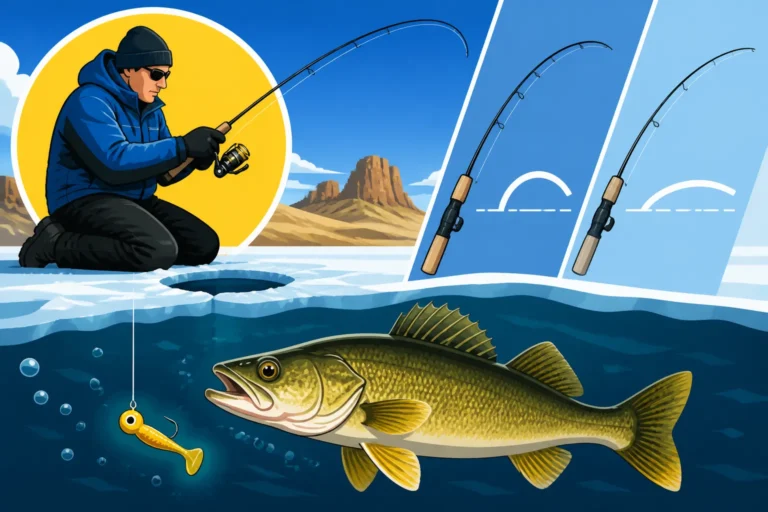
- Action refers to where the rod bends along its length. For walleye jigging, Fast or Extra-Fast action rods are overwhelmingly preferred. A fast action rod bends primarily in the top third of its blank, while an extra-fast action rod bends only in the top quarter. This stiff mid-section and sensitive tip are vital for two reasons:
- Sensitivity: The stiff backbone transmits even the slightest "tick" or "thunk" from a biting walleye directly to your hand.
- Hookset: The fast tip allows for incredibly quick and powerful hooksets with minimal rod movement, which is critical when a walleye inhales a jig and you need to react instantly. Imagine a subtle bite on a small jig in calm water – a fast action rod will help you detect it and set the hook with precision.
- Power describes the rod's strength or backbone, indicating how much pressure it takes to bend the blank. For walleye jigging, you’ll typically be looking at Light, Medium-Light, or Medium power rods:
- Light (L): Best for very light jigs (1/16 to 1/8 oz) and finesse presentations, often used in clear, shallow water with light line. Great for finicky walleye on South Dakota Glacial Lakes Walleye Fishing.
- Medium-Light (ML): A versatile choice for jigs from 1/8 to 3/8 oz. This is a popular all-around choice, offering a good balance of sensitivity and fighting power for many South Dakota walleye scenarios.
- Medium (M): Ideal for heavier jigs (3/8 oz to 3/4 oz or more), deeper water, strong currents, or when targeting larger walleye. This power provides the necessary backbone to control big fish and get them out of heavy cover. If you're jigging in the current below Oahe Dam, a medium power rod will be your friend.
Let's consider a hypothetical: if you're out on a calm, clear glacial lake finessing tiny 1/8 oz jigs for finicky walleye, a Medium-Light power, Extra-Fast action spinning rod might be your weapon of choice. It provides the sensitivity to detect those subtle takes and the light power to handle smaller baits and lighter lines. Conversely, if you're battling the robust currents of the Missouri River near Pierre, using 1/2 oz jigs to reach walleye holding in deeper channels, a Medium power, Fast action casting rod might be more appropriate. It gives you the backbone to control heavier jigs, punch through the current, and exert authority over larger, harder-fighting fish. The combination of action and power directly impacts your ability to feel, set, and fight.
Sensitivity and Blank Material
The ability to feel every little bump, tick, and subtle weight change is paramount in walleye jigging. This sensitivity is largely dictated by the rod's blank material and its overall construction.
High-modulus graphite is the king of sensitivity when it comes to jigging rods. Unlike fiberglass or composite blanks, graphite is incredibly lightweight and stiff, allowing vibrations from your jig hitting the bottom or a walleye gently inhaling it to travel up the blank directly to your hand. Think of it like a finely tuned instrument; the better the material, the clearer the sound. Many top-tier jigging rods feature advanced graphite blanks, often with proprietary blends or construction methods designed to maximize this tactile feedback. A super-sensitive tip is also crucial; it acts as an amplifier for those subtle bites that might otherwise go unnoticed. This is where a lot of anglers get frustrated – they blame the fish for not biting, but sometimes it’s the rod that simply isn’t communicating the bite. While composite blanks offer a bit more durability and a slightly slower action, they generally sacrifice some of that critical "feel" that dedicated walleye jigging demands. When you're spending long hours on the water, especially in windy conditions or when fishing in deeper water on Lake Oahe Fishing Guide, that extra sensitivity can mean the difference between a frustrating day and a fantastic fish fry.
Components That Make a Jigging Rod Shine
Beyond the blank itself, the individual components of a jigging rod play a significant role in its overall performance, comfort, and sensitivity. These elements – the guides, reel seat, and handle – work in concert with the blank to create a harmonious fishing tool that feels like an extension of your arm.
Guides: Material and Configuration
Rod guides might seem like small details, but their quality and placement profoundly affect casting performance, line management, and even sensitivity.
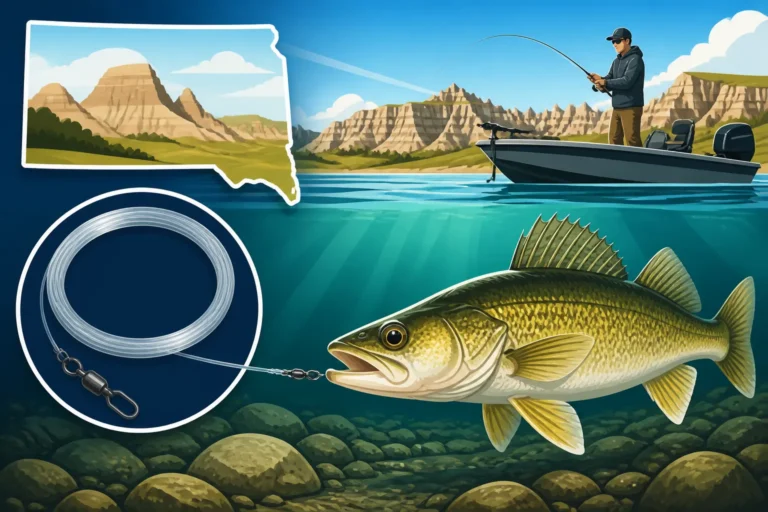
Modern jigging rods typically feature guides with durable frames (often stainless steel) and slick, hard inserts made from materials like ceramic (e.g., Alconite, SiC, or zirconium). These inserts reduce friction on your fishing line, allowing for smoother, longer casts, which is a big plus when you're pitching jigs across a wide flat or working a long weed line. Reduced friction also means less heat build-up, especially important when fighting a powerful walleye with braided line, which can get hot quickly. The configuration and number of guides also matter. Many high-end jigging rods use a "micro-guide" system, which employs a greater number of smaller guides closely spaced along the rod. This system helps to distribute stress more evenly along the blank, enhancing sensitivity and preventing the line from touching the blank during the fight. It also helps to prevent "line slap," where the line slaps against the blank during casting, which can rob you of distance and accuracy. Whether you're using monofilament, fluorocarbon, or braided line, good quality guides ensure smooth operation and contribute to the rod's overall feel and responsiveness, which is essential for feeling those light bites.
Reel Seats and Handles: Comfort and Connection
The reel seat and handle are your primary points of contact with the rod, making their design crucial for both comfort and transmitting subtle vibrations.
An ergonomically designed reel seat that allows for direct contact with the rod blank is a game-changer for sensitivity. Many top walleye jigging rods feature skeletal or split-grip reel seats, where portions of the blank are exposed. This design ensures that even the faintest vibrations from your jig or a fish strike are transferred directly to your hand, bypassing the reel and handle material. Think about those long days spent jigging on Lake Sharpe Fishing Guide; hand fatigue can become a real issue. A comfortable, well-designed handle, made from quality cork or high-density EVA foam, will reduce fatigue and provide a secure grip, even when wet. Cork is often favored for its traditional feel and good vibration transmission, while EVA foam is known for its durability and resistance to wear. The design should allow you to hold the rod comfortably for extended periods, providing a natural connection that makes the rod feel like an extension of your arm, not just a tool you're holding. This seamless connection enhances your ability to feel bites and react swiftly.
Balancing Your Jigging Rod for All-Day Comfort
A truly great jigging rod feels balanced in your hand, almost weightless, allowing you to fish for hours without undue fatigue. This balance isn't just about the rod's static weight; it's about how that weight is distributed and how it feels when paired with your chosen reel.
An unbalanced rod, one that feels tip-heavy or butt-heavy, will quickly lead to wrist and arm fatigue, especially during repetitive jigging motions like snap jigging or precise vertical presentations. A perfectly balanced setup allows the rod to pivot effortlessly, enhancing your control over the jig and improving your ability to detect bites. When you select a reel, consider its weight in relation to the rod. Often, a slightly lighter reel can help balance a tip-heavy rod, creating a more harmonious system. Many anglers will hold a rod and reel combination in their hand, placing their index finger just in front of the reel stem, and observe how it sits. If the tip doesn't drop too heavily, or the butt doesn't feel too weighted, you've likely found a good match. This attention to balance pays dividends over a full day of fishing, allowing you to maintain focus and sensitivity, rather than being distracted by discomfort. Finding that sweet spot where the rod and reel feel like one unit is key for maximizing your time and enjoyment on the water.
Top Walleye Jigging Rod Types for South Dakota Waters
When you're out on the waters of South Dakota, targeting walleye with jigs, you'll generally find yourself reaching for one of two main rod types: spinning or baitcasting. Each has its strengths and specific applications that make it shine in different jigging scenarios. There's also a specialized type for ice fishing that deserves a brief mention, highlighting the versatility of jigging.
The Versatile Spinning Rod for Jigging
Spinning rods are arguably the most popular choice for walleye jigging, and for good reason. Their versatility, ease of use, and suitability for lighter presentations make them a staple in many South Dakota anglers' arsenals.
The open-face design of a spinning reel allows for very light jigs and lines to be cast with ease and without fear of backlashes, making them perfect for finesse jigging. If you're using a 1/8 oz jig and a small minnow in clear, relatively shallow water, trying to entice cautious walleye, a spinning rod delivers that delicate presentation perfectly. They excel in applications where subtle twitches and precise control of lighter baits are key. Many anglers find the natural grip and balance of a spinning setup more comfortable for prolonged jigging sessions, especially when vertical jigging directly beneath the boat in places like the deeper holes of Lake Francis Case Smallmouth Bass Fishing. The combination of a sensitive, fast-action spinning rod with a light, smooth-drag spinning reel allows you to detect even the faintest bites and provides ample control to fight a spirited walleye on lighter lines. For most general walleye jigging across South Dakota's diverse waters, a quality spinning rod will be a reliable and effective choice. You'll often find excellent spinning rod options suitable for walleye jigging at retailers like Bass Pro Shops, where you can handle different models to feel their balance and action.
The Power and Precision of Baitcasting Rods for Jigging
While spinning rods are excellent for finesse, baitcasting rods bring a different kind of power and precision to the walleye jigging game, particularly when you need to exert more authority.
Baitcasting setups truly shine when you're using heavier jigs, fishing in strong currents, or needing to extract larger walleye from deeper water or thicker cover. The direct inline feed of the line from a baitcasting reel offers superior power and control when battling a fish, and the rod's backbone often feels more substantial. If you're pitching 1/2 oz or heavier jigs with large plastics on the main channel of Lake Sharpe, or working deep breaks in Lake Oahe, a baitcasting rod gives you the muscle to make those precise casts and confidently set the hook. They offer exceptional accuracy for repetitive casting to specific targets, and the greater cranking power of a baitcasting reel can be advantageous for quickly bringing fish from depth. While they can have a steeper learning curve than spinning gear, for experienced anglers seeking maximum control over heavier jigging presentations and a robust fight, a baitcasting rod is an invaluable tool. For those looking to level up their jigging game with a powerful baitcasting setup, exploring options on Amazon can reveal a wide range of specialized rods from various manufacturers known for their durability and performance.
Specialized Ice Fishing Jigging Rods
While our focus here is primarily on open-water jigging, it's worth a quick mention that jigging is also the cornerstone of South Dakota Ice Fishing Guide. Ice fishing jigging rods are, by necessity, quite different from their open-water counterparts.
These rods are typically much shorter, ranging from 24 to 36 inches, allowing for comfortable jigging within the confines of an ice shanty or while sitting over a hole. They feature specialized grips and often a very soft, sensitive tip combined with a strong backbone to detect subtle bites and fight fish through a small hole. The principles of action and power still apply, but they are scaled down for the unique demands of hard water. While you wouldn't use an ice rod for open-water jigging, the core idea of direct bait presentation and feeling subtle bites remains consistent.
Matching Your Rod to Specific South Dakota Jigging Scenarios
South Dakota's diverse fishing landscape demands a nuanced approach to walleye jigging. What works perfectly in one body of water might be completely ineffective in another. Matching your jigging rod to the specific characteristics of the water you're fishing is key to consistent success.
Missouri River System (Lakes Oahe, Sharpe, Francis Case)
The Missouri River reservoirs—Lake Oahe, Lake Sharpe, and Lake Francis Case—are legendary walleye fisheries, but they present unique challenges, primarily due to depth and current.
When you're jigging on these immense bodies of water, you're often dealing with significant depths (20-50+ feet) and varying degrees of current, especially below the dams. This environment calls for a jigging rod with enough power to handle heavier jigs (typically 3/8 oz to 3/4 oz, sometimes more) to reach the bottom and stay there. A Medium-Light to Medium power rod with a fast or extra-fast action is often ideal. The stiff backbone of such a rod allows you to control the heavier jig effectively, punch through the current, and maintain direct contact with the bottom. Sensitivity is still crucial, as walleye can bite incredibly subtly even in current, but the rod also needs the muscle to drive a hook through a walleye's bony mouth at depth and then bring a heavy fish up from the abyss. Many anglers here prefer vertical jigging directly under the boat, using their trolling motor to stay on structure. For these scenarios, a slightly shorter rod (around 6'6" to 6'9") can be beneficial for precision and reducing fatigue during repetitive jigging motions. If you're specifically targeting Jigging Techniques for Missouri River Walleye, a robust rod is non-negotiable.
Glacial Lakes (Kampeska, Poinsett, Bitter)
Our eastern South Dakota glacial lakes offer a completely different jigging experience compared to the Missouri River. These lakes are often shallower, clearer, and have less current, requiring a much more finessed approach.
In lakes like Kampeska, Poinsett, or Bitter, walleye can be incredibly wary and require lighter line, smaller jigs (often 1/16 oz to 1/4 oz), and presentations that are subtle and natural. This is where ultra-sensitive, lighter power rods truly shine. A Light to Medium-Light power spinning rod with an extra-fast action is usually the go-to. The extreme sensitivity allows you to feel the slightest "thump" or even just a change in pressure as a walleye inhales your tiny jig in calm, clear water. Casting distance can also be important here, especially when pitching small jigs to shallow breaks or weed edges, so a rod in the 6'9" to 7'2" range can be highly effective. The key is detecting those nearly imperceptible bites that might feel like a snag or just a bit of extra weight. Without a rod specifically designed for this finesse, you'll be missing a lot of fish. These lighter setups are also ideal for pursuing the abundant South Dakota Perch Fishing Guide often found in these same lakes.
Black Hills Lakes and Reservoirs (Pactola, Sheridan, Belle Fourche)
The Black Hills region offers a unique blend of fishing opportunities, including some fantastic walleye fishing in reservoirs like Belle Fourche and Pactola, alongside trout in other waters. Jigging here can require a versatile rod that can adapt to varying conditions.
While the Black Hills might be better known for its trout streams, reservoirs like Belle Fourche Reservoir hold impressive walleye populations. These waters can offer a mix of conditions: sometimes deep and clear, other times stained and windy. For walleye jigging in these areas, a Medium-Light to Medium power rod, typically in the 6'9" to 7'2" range with a fast action, provides excellent versatility. It's robust enough to handle the occasional heavier jig needed for deeper presentations or when battling wind, yet sensitive enough to detect bites when the walleye are finicky. Whether you're targeting the slot-limit walleye on Belle Fourche or exploring the depths of Pactola Reservoir Fishing Guide, a rod that offers a good balance of power and sensitivity will serve you well. It allows you to switch between different jig weights and presentations without constantly changing rods, making it a great all-around choice for this diverse region.
Where to Find Your Next Walleye Jigging Rod
Once you understand what makes a great walleye jigging rod, the next step is actually getting one in your hands. There are several ways to approach this, each with its own advantages, whether you prefer the tactile experience of shopping in person or the vast selection available online.
In-Store Shopping: Getting Hands-On
There's something to be said for the old-fashioned way of buying a fishing rod: walking into a store, holding it, and getting a real feel for the equipment. This is especially true for jigging rods, where balance and sensitivity are paramount.
When you shop in person, whether at a local tackle shop in a town like Watertown or Sioux Falls, or a larger outfitter such as Bass Pro Shops, you get the invaluable opportunity to physically handle different rods. You can feel the weight, test the action by gently flexing the tip, and see how the rod balances with a reel attached. This "hands-on" approach allows you to truly assess the ergonomics of the handle and reel seat, ensuring it feels comfortable in your hand – a critical factor for long days of repetitive jigging. Don't be shy; ask the staff if you can pair a reel with the rod to check the balance. Many experienced sales associates are anglers themselves and can offer personalized advice based on your local South Dakota fishing conditions and target species. They might even guide you towards a rod that perfectly matches your preferred jigging style and target species within our state's regulations, such as the specific South Dakota Walleye Limits. Getting this direct experience can help you avoid buyer's remorse and ensures you walk out with a rod that feels like a natural extension of your arm.
Online Shopping: Researching and Reviewing
For those who prefer the convenience and vast selection of online retail, purchasing a walleye jigging rod through platforms like Amazon can be an excellent option. However, it requires a bit more diligent research to ensure you're making the right choice without the benefit of physically handling the rod.
The internet offers an unparalleled selection of rods from countless manufacturers, often at competitive prices. You can delve into detailed product descriptions, scrutinize specifications like rod length, action, power, lure weight ratings, and line weight recommendations. Crucially, you can read through numerous angler reviews, gaining insights from others who have already put the rod to the test in real-world fishing situations. Look for comments specifically related to sensitivity, balance, and durability. Pay close attention to the blank material, guide types, and reel seat design – often these details are highlighted in the product specs. While you can't feel the rod, you can compare models across various brands known for their quality in walleye fishing, and often find specialized rods that might not be available in every local store. Just remember to verify return policies, just in case the rod doesn't quite meet your expectations once it arrives. Online resources are also great for understanding broader gear choices, like selecting the Best Fishing Rods and Reels for Walleye generally.
Here's a quick comparison of common rod characteristics for various walleye jigging applications:
| Characteristic | Light Power Rod | Medium-Light Power Rod | Medium Power Rod |
|---|---|---|---|
| Typical Jig Weight | 1/16 oz – 1/8 oz | 1/8 oz – 3/8 oz | 3/8 oz – 3/4 oz+ |
| Ideal Water Type | Clear, shallow glacial lakes; calm conditions | Versatile; mid-depth lakes, moderate current | Deep, strong current Missouri River; windy conditions |
| Action | Extra-Fast (for maximum sensitivity) | Fast to Extra-Fast | Fast (for power & hookset) |
| Length Range | 6'3" – 6'9" (precision, vertical) | 6'6" – 7'2" (versatility, casting) | 6'9" – 7'6" (casting distance, control) |
| Preferred Reel Type | Spinning | Spinning (most common) / Baitcasting (lighter setups) | Baitcasting (most common) / Spinning (heavier setups) |
| Typical Target Fish | Finicky walleye, smaller fish, panfish | Average walleye, active bites | Large walleye, heavy current, deeper fish |
| Key Benefit | Unmatched sensitivity for subtle bites | Great all-around performance | Power for heavy jigs and big fish |
Remember, this table provides a general guideline. Your personal preference and the specific conditions on your favorite South Dakota fishing hole will always be the ultimate determining factors. For a truly deep dive, understanding the South Dakota Fishing Season Dates and Limits can help you prepare with the right gear for the right time of year.
Ultimately, choosing the best walleye jigging rod for South Dakota waters is about understanding the balance between sensitivity, power, and comfort. Whether you prefer the finesse of a spinning rod on a calm glacial lake or the brute strength of a baitcaster on the Missouri River, investing in a quality jigging rod tailored to your style will undoubtedly lead to more successful hooksets and unforgettable walleye memories.
Disclaimer
This article is for general informational purposes only and does not constitute professional advice. Laws, prices and regulations vary by location and change over time. Consult a qualified professional for guidance on your specific situation.