Best Setup for Vertical Jigging Perch
Trying to dial in that perfect vertical jigging setup for perch can feel like a never-ending quest, especially when you're facing varied South Dakota waters, from the deep glacial lakes to the sprawling Missouri River reservoirs. It's frustrating to see others pulling in slabs while you're still fiddling with your tackle. This guide is here to cut through the confusion and help you assemble an optimized perch jigging setup, understand crucial techniques, and put more of those tasty yellow perch on the ice or in your boat.
The Allure of Perch and Why Vertical Jigging Shines
There's something incredibly satisfying about catching perch. They're feisty, delicious, and often school up, meaning when you find one, you've often found a whole mess of them. For many anglers, whether through the ice or on open water, vertical jigging is hands-down the most effective way to consistently target these golden-sided beauties in South Dakota. It’s a method that allows for precise control and presentation, which is key when perch can be finicky.
Understanding Perch Behavior and Habitat in South Dakota Waters
To effectively vertical jig for perch, you first need to understand where they live and how they behave. Perch are schooling fish, preferring to hang out in groups, often relating to structure. In South Dakota's vast aquatic landscapes, this can mean a lot of different things. In the glacial lakes of eastern South Dakota, you'll often find them congregating near weed lines, submerged humps, and drop-offs. These areas provide both cover from predators and ambush points for their own meals. They love to patrol the edges of these features, waiting for an unsuspecting minnow or insect larvae to swim by. When the seasons change, their depth preferences shift. In the spring and fall, they might be shallower, relating to newly developing or dying weeds. In the summer, they'll often push deeper to find cooler water and stable food sources, frequently suspended over basins or tight to sharp breaks.
On the Missouri River reservoirs like Lake Sharpe or Lake Oahe, the habitat looks a bit different but the principle remains the same. Here, perch will seek out sunken timber, rock piles, old creek channels, and the edges of submerged roadbeds. These man-made or natural structures offer the same protection and feeding opportunities as the weed lines of the glacial lakes. Knowing this helps you narrow down your search, because there's nothing worse than fishing dead water when you know the fish are out there somewhere. Understanding these preferences is the first step to successful vertical jigging, as you're essentially dropping your offering right into their living room. For more insights on where to find these fish, check out our South Dakota Perch Fishing Facts guide.
Why Vertical Jigging is the Go-To for Perch
Vertical jigging, at its core, is about precision and control. Unlike casting and retrieving, where your lure covers a broad area, vertical jigging focuses your presentation directly beneath your boat or ice hole. This is incredibly advantageous when perch are tightly schooled, tucked into specific structures, or holding in deeper water. You can hover directly over a school you've identified on your fish finder and drop your lure right into the strike zone. This minimizes wasted casts and maximizes your time in front of active fish.
Furthermore, vertical jigging allows for a highly controlled and nuanced presentation. You can impart subtle twitches, sharp lifts, or slow quivers to your lure, mimicking an injured baitfish or an insect struggling in the water. This range of motion can be adjusted in real-time based on how the fish are reacting, which is vital when perch can switch from aggressive biters to extremely lethargic nibblers depending on factors like water temperature, light conditions, and fishing pressure. The direct connection to your lure also translates into superior bite detection, helping you feel even the slightest tap, which can be the difference between a successful hookset and a missed opportunity. This directness makes it an incredibly engaging and effective method for targeting perch.
Building Your Ideal Perch Vertical Jigging Setup
Having the right gear makes all the difference when vertical jigging for perch. You don't need to break the bank, but investing in a few key pieces designed for this specific technique will significantly improve your success rate and overall enjoyment. Think of it as a finely tuned instrument – each component plays a role in the symphony of catching fish.
Rod, Reel, and Line: The Foundation
The trifecta of rod, reel, and line forms the core of your vertical jigging setup. For perch, you want gear that's sensitive enough to detect light bites but has enough backbone to handle a decent fight, especially when you hook into a jumbo.
-
Rods: When it comes to rods, think light power and fast action. A light power rod means it bends easily, offering excellent sensitivity for those subtle perch nibbles. Fast action means the rod bends primarily in the tip section, allowing for quick, precise jigging movements and rapid hooksets. For open water fishing from a boat, a 5'6" to 6'6" spinning rod is generally ideal. This length provides good casting distance if needed, but more importantly, allows you to maintain control directly beneath the boat. For ice fishing, shorter rods are preferred, typically 24-36 inches. These shorter rods are easier to manage in a confined ice shelter and still provide plenty of sensitivity. Look for models with a sensitive tip, often carbon fiber or graphite composites, which transmit even the faintest tap up the line to your hand. Many excellent options for these specialized rods can be found on Amazon, offering a wide range to suit any budget.
-
Reels: Pair your sensitive rod with a small, lightweight spinning reel (size 500 to 1000). A smooth drag system is crucial for protecting light lines when a surprisingly large fish decides to bite or if you hook into a bonus walleye. You don't need a heavy-duty reel for perch, but reliability and smooth operation are key. A good retrieve ratio helps you quickly bring in slack line for consistent jigging and speedy hooksets.
-
Line: This is where things get a little more personal, but there are some general guidelines.
- Monofilament: A classic choice, mono offers good stretch, which can act as a shock absorber. It's affordable and easy to handle in cold weather. Use 4-6 lb test.
- Fluorocarbon: Less stretch than mono, nearly invisible underwater, and more abrasion-resistant. It sinks faster, which can be an advantage for getting your jig down quickly. Use 4-6 lb test.
- Braided Line: Offers virtually no stretch, providing maximum sensitivity and excellent bite detection. However, it's visible underwater and can be a bit more challenging in freezing conditions if used directly. A common setup is to use 6-10 lb braided main line with a 4-6 lb fluorocarbon leader (2-4 feet long). This gives you the best of both worlds: sensitivity from the braid and stealth from the fluoro. The leader also protects your main line from nicks and allows for quick lure changes. You can find quality braided line and fluorocarbon leader materials readily on Amazon.
Lures and Baits: What Perch Can't Resist
The right lure and bait presentation can turn a slow day into a banner day. Perch are primarily visual feeders, but scent plays a significant role too, especially in stained water or during slower bites.
-
Jigs and Spoons: These are the bread and butter of vertical jigging for perch.
- Small Jigging Spoons: Think 1/16 oz to 1/8 oz. Brands offer a variety of spoons in different shapes, colors, and finishes. Metallic silver, gold, and brass are always good starting points, but don't shy away from bright colors like chartreuse, orange, or even glow-in-the-dark options, especially for low-light conditions or deeper water. The flutter on the fall is what often triggers a strike.
- Small Tungsten Jigs: Tungsten is denser than lead, meaning a smaller jig can have the same weight, allowing for a more subtle presentation and faster drop rates. These are especially popular for ice fishing but work great in open water too. Sizes typically range from 1/32 oz to 1/8 oz. Colors can vary widely, but often match insect larvae or small baitfish.
- Lead Jigs (smaller sizes): From a simple lead head jig to a small teardrop jig, these are versatile. Pairing them with live bait or a small plastic is very effective.
-
Live Bait: Often, nothing beats the real thing, especially when perch are finicky.
- Minnows: Small fathead minnows are perch candy. Hook them through the back just behind the dorsal fin, or through the lips for a more natural presentation. A small minnow head on a jig can also be incredibly effective, adding scent and a bit of visual appeal.
- Wax Worms, Spikes, and Mealworms: These insect larvae are irresistible to perch. They’re excellent on small jigs, providing scent and a wiggling profile. A few wax worms on a small tungsten jig can be deadly, particularly in colder water.
-
Soft Plastics: Sometimes, a small plastic paired with a jig head can outfish live bait, especially if you're looking for an active presentation or want to avoid constantly re-baiting.
- Microplastics: Tiny paddle tail grubs, twister tails, or small creature baits in sizes from 1 to 2 inches. Colors that mimic minnows (pearl, smoke, chartreuse) or natural insects (brown, black) are good. The subtle action of a soft plastic on a lightweight jig can be very enticing. Having a variety of these in your tackle box, readily available from retailers like Amazon, allows you to experiment until you find what the perch want.
Essential Electronics and Accessories
Modern fishing technology has dramatically improved the success rates of vertical jigging. While not strictly essential, these tools can greatly enhance your ability to locate and catch perch.
-
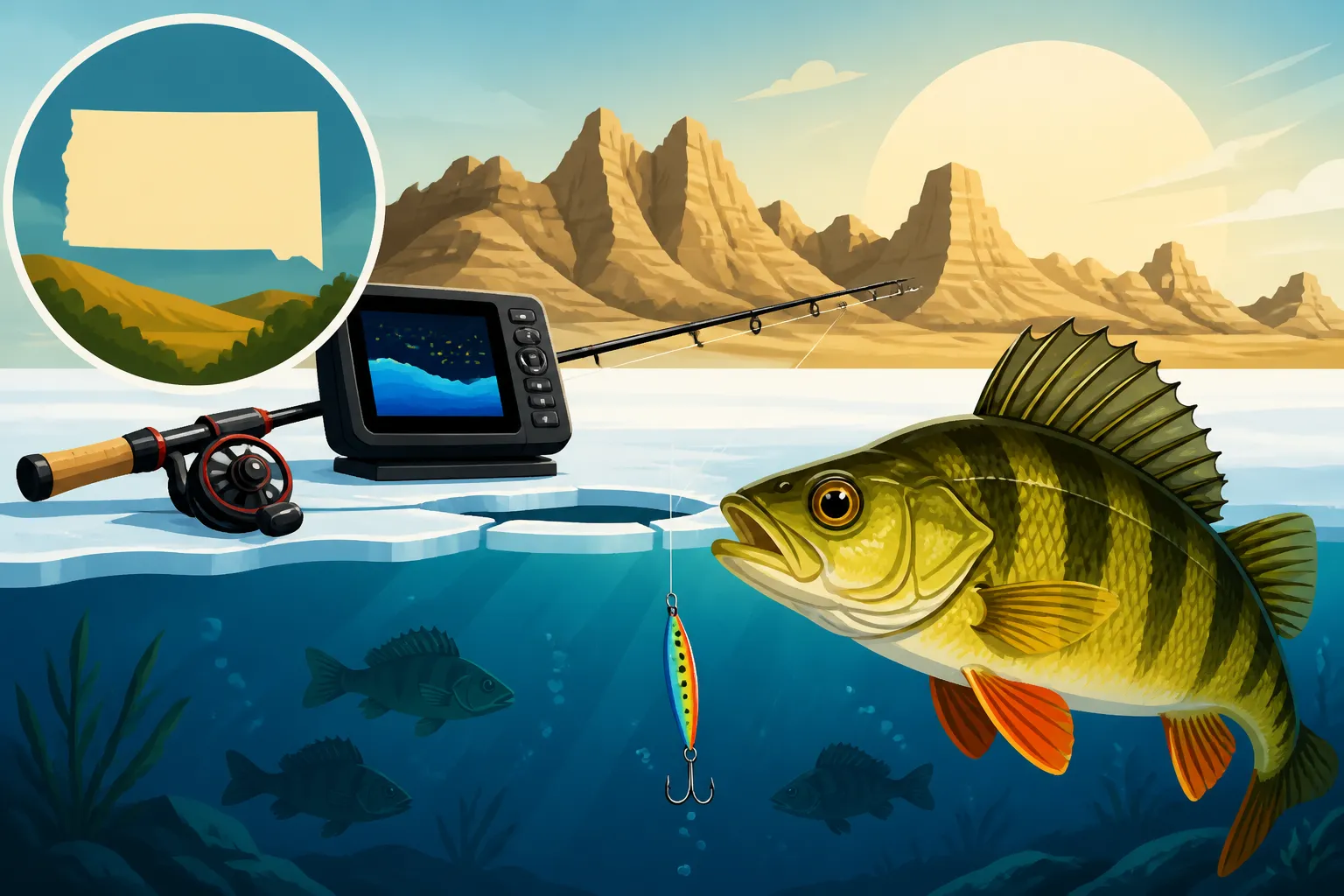
Fish Finders/Flasher Units: These are invaluable. A good fish finder (sonar) or flasher allows you to see the depth, bottom structure, and most importantly, the fish directly beneath you. You can watch your jig descend and see how the fish react to it in real-time. This feedback loop is crucial for adjusting your presentation. For ice fishing, a dedicated flasher unit like those offered by Vexilar or Marcum (though I can't name specific models or prices) provides an instant, clear display of what's happening beneath the ice, allowing you to react immediately to fish movement. For open water, a boat-mounted fish finder with down imaging or traditional sonar works wonders for identifying schools.
-
Ice Augers (for ice fishing): No one wants to spend hours drilling holes, especially in deep ice. A reliable ice auger is non-negotiable for ice fishing. Whether it's a hand auger for thinner ice, a gas-powered auger for brute force, or a modern electric auger for convenience and quiet operation, ensure it's sharp and well-maintained. The ability to quickly drill multiple holes and stay mobile is key to finding active perch schools. To learn more about ice fishing, check out our South Dakota Ice Fishing Guide.
-
Other Accessories:
- Rod Holders: Crucial for hands-free fishing, especially when juggling multiple rods (where legal) or simply relaxing while waiting for a bite.
- Buckets/Sleds: For carrying gear and, hopefully, your catch.
- Portable Ice Shelter: If ice fishing, a good shelter provides warmth and protection from the elements, extending your time on the ice. We cover options in Best Ice Fishing Shelters for South Dakota Winters.
- Headlamp: For early morning starts or late evening finishes.
- Pliers/Forceps: For unhooking fish safely and quickly.
- Livewell/Cooler: To keep your catch fresh.
This table provides a quick overview of essential gear components for vertical jigging perch:
| Gear Category | Open Water Fishing (Boat) | Ice Fishing (Hole) | Key Features |
|---|---|---|---|
| Rod | 5'6" – 6'6" Light Power, Fast Action | 24" – 36" Light Power, Fast Action | Sensitive tip, responsive backbone, comfortable handle |
| Reel | Spinning Reel, Size 500-1000 | Spinning Reel, Size 500-1000 | Smooth drag, lightweight, reliable |
| Line | 4-6lb Mono/Fluoro or 6-10lb Braid w/fluoro leader | 4-6lb Mono/Fluoro or 6-10lb Braid w/fluoro leader | Low stretch (braid/fluoro) for sensitivity, stealth (fluoro leader), easy handling (mono) |
| Jigs/Spoons | 1/16 oz – 1/8 oz spoons, small lead/tungsten jigs | 1/32 oz – 1/8 oz tungsten jigs, small spoons | Varied colors (glow, natural), enticing flutter/action |
| Live Bait | Small minnows, wax worms, spikes | Small minnows, wax worms, spikes | Natural scent and action |
| Electronics | Boat-mounted fish finder (sonar/down imaging) | Flasher unit, GPS (optional) | Real-time fish detection, depth, structure identification |
| Auger | N/A | Manual, Gas, or Electric Auger | Quick, efficient hole drilling for mobility |
| Shelter | Bimini top (optional) | Portable Ice Shanty | Protection from wind/cold, comfort |
Mastering the Art of Vertical Jigging for South Dakota Perch
Having the right gear is only half the battle; knowing how to use it effectively is where true mastery lies. Vertical jigging for perch is a dynamic process that requires observation, adaptation, and a good understanding of fish behavior. The nuances change whether you're staring down an ice hole or watching your graph on a wide-open lake.
Locating Perch Hotspots
Finding perch is often the hardest part, but once you do, the catching can be fast and furious. In South Dakota, successful anglers know that perch are structure-oriented. They won't just be out in the middle of nowhere.
On the vast Missouri River reservoirs, focus on main lake points, submerged humps, and old river channels. If you have a good contour map, look for sharp drop-offs or areas where the bottom transitions from soft mud to hard rock. These spots often hold baitfish, which in turn attract perch. Around Pierre, for example, the submerged structure near the causeway or the mouths of feeder creeks can be perch magnets. For insights into these large bodies of water, our South Dakota Missouri River Fishing Guide can be a great resource.
In the numerous glacial lakes of eastern South Dakota, like Lake Thompson or Lake Poinsett, weed lines are key. Perch love to lurk in the vegetation, darting out to ambush prey. As the seasons progress, pay attention to the depth of these weeds. Early in the year, they might be shallow, but by late summer, they'll often be in 15-25 feet of water. Don't be afraid to drill or motor around to cover water until you mark fish on your electronics. Sometimes, the perch are tightly schooled in a very specific area, and moving even 20 feet can make all the difference. Always start your search near known structures or depth changes, and expand from there.
Presentation and Technique
Once you've located a school of perch, your presentation becomes paramount. The beauty of vertical jigging is the control it affords.
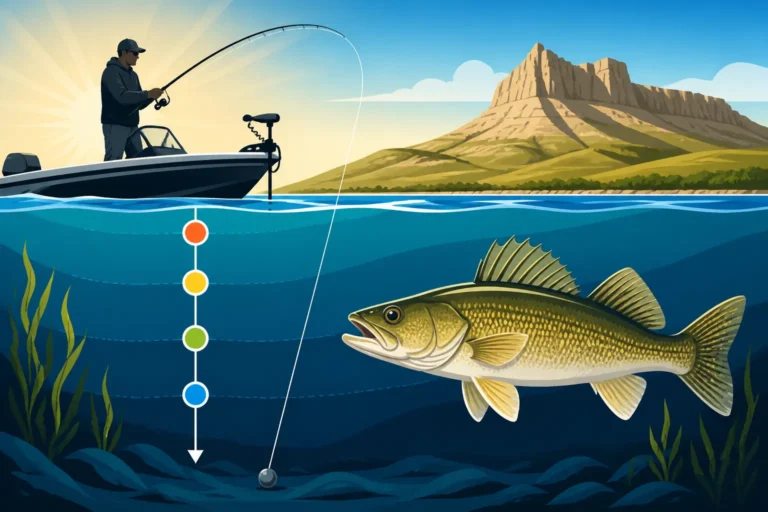
Start by lowering your jig down to the depth where you're seeing fish on your electronics. Sometimes they're right on the bottom, sometimes suspended a few feet up.
- The Basic Jigging Motion: A common retrieve involves a lift-and-drop motion. Lift your rod tip 6-12 inches, then let the jig fall back down on a semi-slack line. The "fall" is often when the strike occurs, as the lure flutters enticingly. Vary the height of your lifts and the speed of your drops.
- Subtle vs. Aggressive: On some days, perch want a subtle quiver, almost like a dying insect. Other days, especially when they're aggressive, a sharp rip of the rod followed by a quick drop can trigger violent strikes. Experiment to see what they prefer.
- Pause is Key: Don't underestimate the power of a pause. After a lift and drop, let your jig sit still for 3-10 seconds. Often, a curious perch will swim up and inspect the lure during this pause, finally committing to a bite.
- Reading Bites: Perch bites can be anything from a solid thump to a barely perceptible "tick" on your line, or even just a feeling of added weight. Sometimes, the line will simply go slack as a fish swims up and grabs the jig on the fall. Watch your rod tip intently, and if anything feels out of the ordinary, set the hook! The instant feedback from your sensitive rod and line is crucial here.
Adapting to Conditions: Open Water vs. Ice Fishing
While the core principles of vertical jigging remain, the approach shifts slightly between open water and ice fishing scenarios.
-
Open Water (Boat): From a boat, you have the advantage of mobility. Use your trolling motor to slowly cruise over structures, scanning with your fish finder. When you mark fish, deploy your Minn Kota or other trolling motor to hold yourself directly over the school. Often, you can use multiple rods (within legal limits), varying depths and lure presentations until you find what works. If the bite slows, move a short distance and re-scan. Always be mindful of your boat's shadow, as it can spook shallow perch on bright days.
-
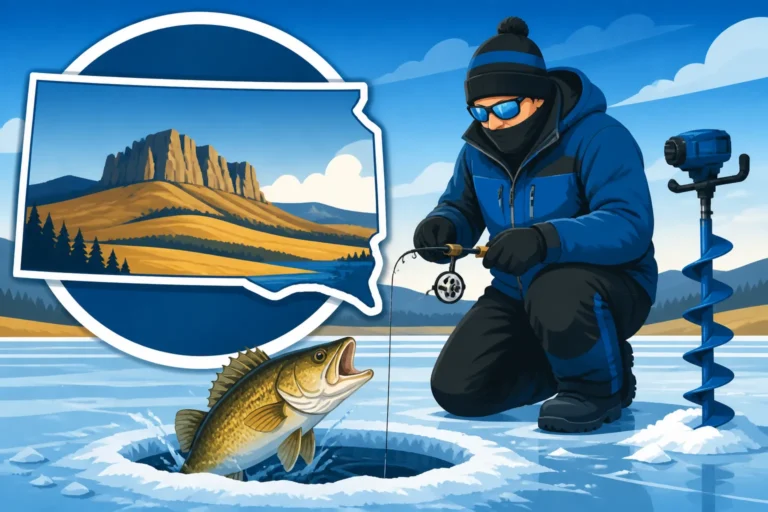
Ice Fishing (Hole): Ice fishing, while more stationary, offers its own advantages. The confined space of an ice hole forces perch to focus on your jig. Mobility is still key; don't be afraid to drill a series of holes (a "milk run") along a drop-off or over a suspected structure. Your flasher becomes your eyes, allowing you to see fish approaching and react in real-time. If they come in and look but don't bite, try a different jig color, a smaller size, or a different bait. Sometimes simply raising or lowering your jig a foot can trigger a strike. For more detailed ice fishing strategies, you'll find plenty of helpful advice in Best Ice Fishing Techniques for Lake Oahe.
Maximizing Your Perch Haul and Staying Legal
Catching a bucket full of perch is a fantastic feeling, but it’s important to do so responsibly and within the bounds of South Dakota's fishing regulations. A little preparation and knowledge can go a long way in ensuring a successful and legal outing.
Best Practices for Success and Troubleshooting
Even with the perfect setup and technique, there will be days when the perch are just not biting. Don't get discouraged; instead, try to troubleshoot.
- Stay Mobile: If you're not getting bites within 15-20 minutes, move! This is perhaps the most important tip for any type of perch fishing. Perch move, and so should you. Drill more holes, or motor to another spot on the lake. Don't waste precious fishing time on dead water.
- Experiment with Lures and Baits: If one lure isn't working, switch it up. Change color, size, or type. If you're using artificials, try adding a piece of live bait like a minnow head or wax worm. If you're using live bait, try a more aggressive jigging spoon. Sometimes, a subtle change is all it takes to trigger a bite.
- Vary Your Presentation: Are you jigging too aggressively? Too subtly? Try different speeds, pauses, and heights of your lifts. Sometimes a few sharp rips followed by a long pause is the ticket, other times a series of tiny twitches.
- Watch the Weather: Barometric pressure, wind direction, and light conditions can all affect perch behavior. Often, an approaching front can get them biting, while a stable high-pressure system might make them more lethargic. Adjust your approach accordingly.
- Stay Warm and Comfortable: This might sound basic, but if you're freezing cold or uncomfortable, your focus will wane, and your enjoyment will plummet. Dress in layers, wear good boots, and bring a portable heater for ice fishing. A happy angler is a patient and successful angler.
South Dakota Perch Regulations: What You Need to Know
Before you head out, always make sure you're up-to-date on South Dakota's current fishing regulations. These rules are in place to ensure healthy fish populations for everyone to enjoy.
- Licensing: Almost everyone needs a fishing license in South Dakota. There are options for residents and nonresidents, annual licenses, and short-term permits. You can find comprehensive information in our South Dakota Fishing License Guide. Remember, ignoring this requirement can lead to hefty fines.
- Habitat Stamp: Many fishing licenses, especially annual ones, require the purchase of a Habitat Stamp. This stamp helps fund crucial habitat conservation efforts across the state. Check out our South Dakota Habitat Stamp Requirements for details on who needs one and what it supports.
- Daily and Possession Limits: Perch, like all fish species in South Dakota, have specific daily and possession limits. These numbers can vary by water body and sometimes change year to year, so always consult the latest South Dakota Game, Fish and Parks (GFP) fishing handbook or website before your trip. The daily limit is how many fish you can keep in one day, while the possession limit is how many you can have on hand at any given time (this includes fish at home in your freezer). Be aware of the Crappie and Panfish Possession Limits and always respect them.
- Size Restrictions: While perch often don't have strict minimum length limits like walleye, some specific waters might have special regulations. Always double-check.
- Number of Lines: Pay attention to how many lines you are legally allowed to fish. In South Dakota, this limit can differ between open water and ice fishing.
Knowing and following these regulations is not just about avoiding a ticket; it's about being a responsible angler and contributing to the sustainability of South Dakota's incredible fishing resources. Tight lines, and may your cooler be heavy with golden perch!
Disclaimer
This article is for general informational purposes only and does not constitute professional advice. Laws, prices and regulations vary by location and change over time. Consult a qualified professional for guidance on your specific situation.