Live Bait vs Artificial Lures for Walleye
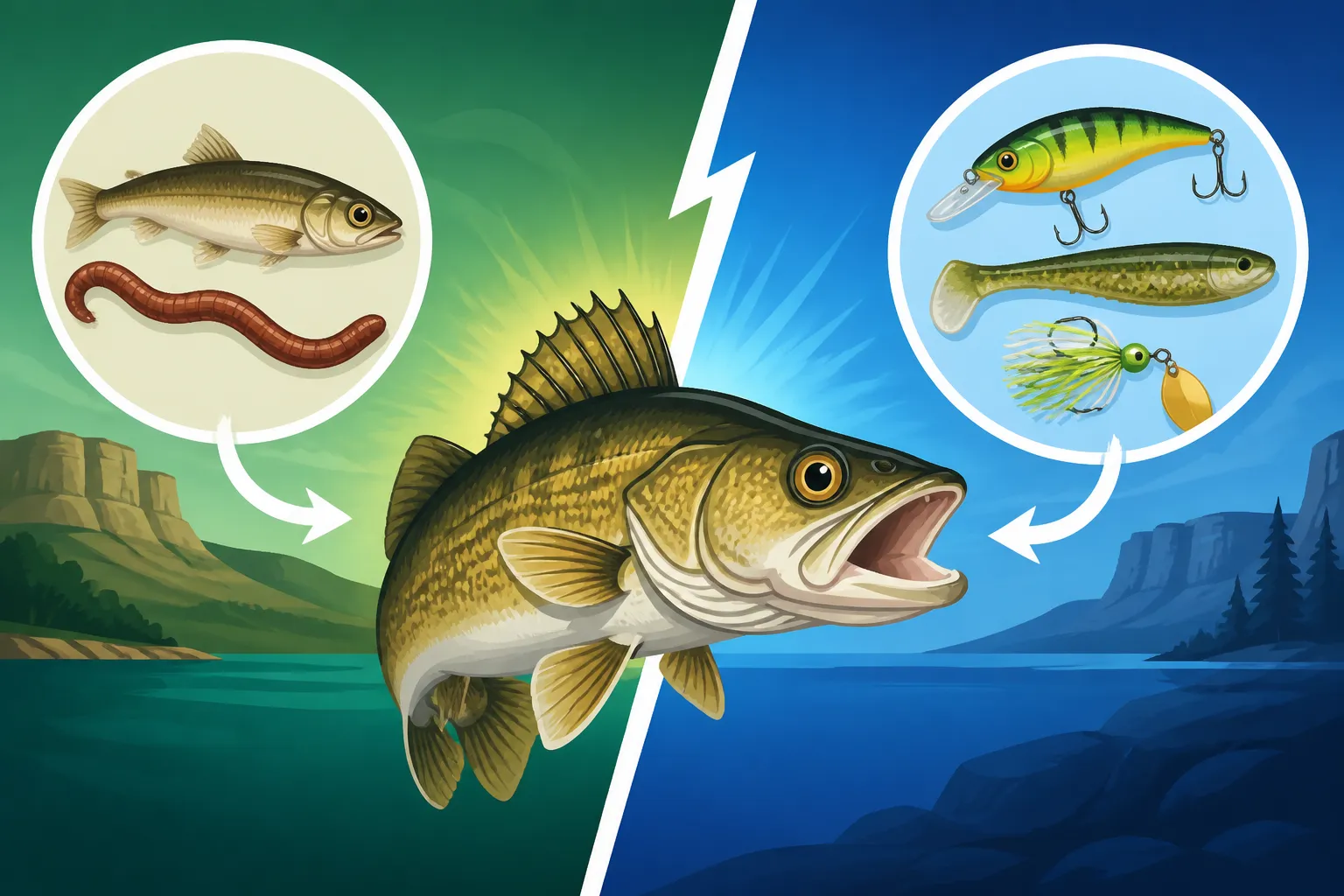
Deciding whether to use live bait or artificial lures for walleye fishing in South Dakota can feel like a perpetual debate among anglers. Many of us have stood at the bait shop, or rummaged through our tackle boxes, wondering which choice will unlock the secrets of the big walleyes lurking beneath the surface. This isn't just a casual preference; it's a strategic decision that can make or break a day on the water, especially when walleye are finicky. This guide will dive deep into the pros and cons of both approaches, helping you understand when and why each might be your best bet on the diverse waters of South Dakota.
The Allure of Live Bait for Walleye Fishing
There's something undeniably effective about live bait. It offers a natural presentation that artificials often struggle to replicate, appealing directly to a walleye's primal instincts. For many seasoned anglers, especially those targeting elusive trophy fish or fishing in challenging conditions, live bait is an indispensable tool. It requires a bit more care and planning, but the results can be incredibly rewarding.
The Irresistible Scent and Action of Minnows and Leeches
Minnows are a quintessential walleye bait, and for good reason. Species like fatheads, shiners, or even local creek chubs, offer a perfectly natural presentation. When a live minnow is hooked correctly, it struggles, sending out distress signals that predatory walleye pick up on through their lateral lines. They also provide a visual appeal that's hard to beat, swimming naturally and enticing a strike from even the most lethargic fish. The subtle flicker of their tail, the occasional dart, it all screams "easy meal" to a hungry walleye.
Leeches, especially during the spring and early summer months, are another walleye favorite. Their undulating, ribbon-like action in the water is incredibly alluring, and they are notoriously hardy baits, staying active on the hook for a long time. Walleyes find their natural movements and scent irresistible, and it's often much harder for a walleye to steal a leech off the hook compared to a minnow, giving you a better chance to set the hook.
Presenting minnows and leeches effectively often involves subtle techniques. A simple jig and minnow, a minnow under a slip bobber, or a leech on a slow-moving spinner rig can be incredibly deadly. The key is often to let the bait do its natural thing, allowing its inherent appeal to draw the fish in. While the allure is strong, the frustration of keeping live bait alive and active, especially on a hot day or a long trip, is a real pain point for many anglers. The cost, too, can add up quickly over a fishing season.
Nightcrawlers: A Walleye Favorite with Versatile Rigs
Nightcrawlers are truly a universal bait, loved by almost every freshwater fish, including walleye. Their generous size and the scent trail they emit in the water are major attractants. Walleyes, particularly when they're actively feeding or when the water warms up, will readily gobble down a well-presented nightcrawler. They offer a substantial meal and are versatile enough to be fished in countless ways.
One of the most popular ways to rig a nightcrawler for walleye is on a worm harness, also known as a spinner rig. This setup allows the crawler to stretch out and spin tantalizingly behind a blade, creating flash and vibration while dispensing that irresistible scent. You can run them whole, or pinch them in half for a smaller, more compact presentation. Another incredibly effective, albeit slower, method is the "slow death" rig, where a special bent hook causes half a nightcrawler to corkscrew through the water, creating an erratic, dying action that walleye simply cannot resist.
Nightcrawlers truly excel in warmer water conditions when walleye are more active and willing to chase. They are fantastic for covering ground, whether you're trolling slowly or drifting with the current, letting the scent trail do its work. However, nightcrawlers aren't without their challenges. Smaller panfish and bait stealers can quickly tear them off the hook, leading to missed bites and wasted bait. Keeping them cool and fresh requires a bit of effort, and for those who like to stock up, finding good storage containers or purchasing them in bulk can be easily done on platforms like Amazon.
When and Where Live Bait Excels
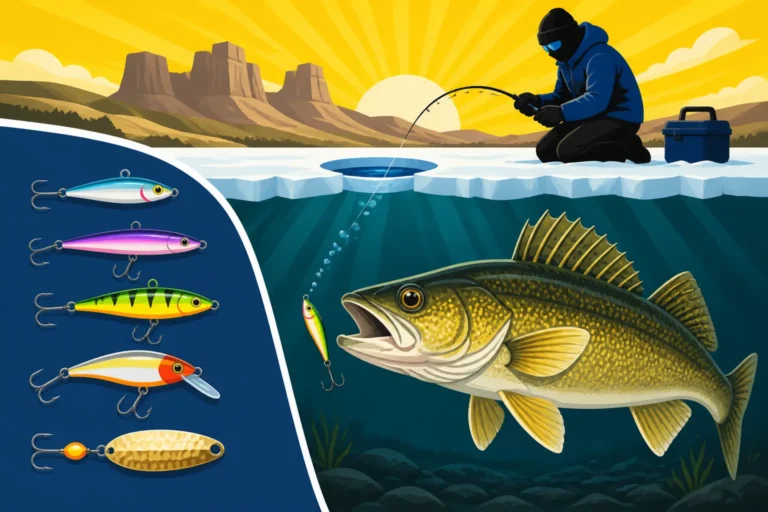
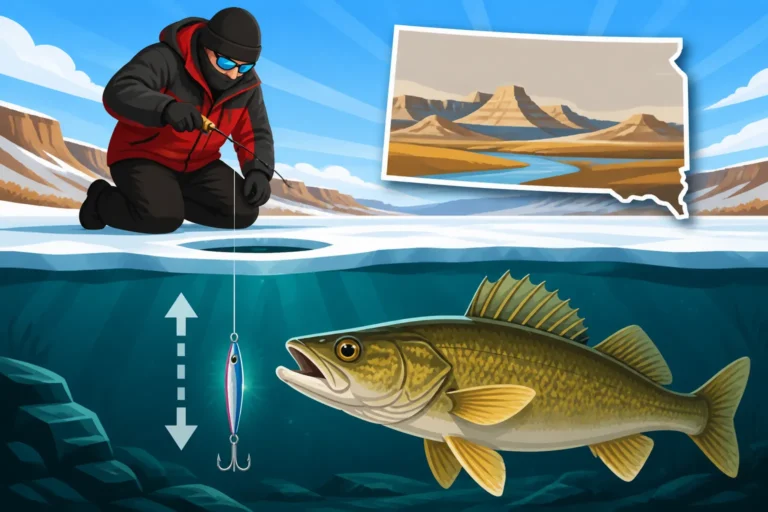
Live bait truly shines during those times when walleye are lethargic, perhaps due to cold water or intense fishing pressure. In the early spring, when water temperatures are just starting to climb, or in late fall as they begin to drop, walleye metabolism slows down. They're less inclined to chase and prefer an easy, natural meal presented right in front of them. This also holds true for ice fishing, where a subtle minnow or a grub on a tiny jig is often the key to success.
Finicky fish in clear water bodies, like parts of the Missouri River reservoirs, are another prime target for live bait. When walleyes have seen every lure in the book, or when the water is so clear they can scrutinize every offering, the natural look, feel, and scent of live bait can often overcome their suspicions. A perfectly still minnow under a South Dakota Fishing License Guide is often the only thing that will trigger a bite.
In specific South Dakota fishing scenarios, live bait is a consistent winner. For example, slow drifting with minnows or nightcrawlers on the vast expanses of Lake Oahe Fishing Guide or Lake Sharpe Fishing Guide is a time-tested method for covering water and picking up scattered walleye. Similarly, jigging with a lively minnow in the current seams of the Missouri River below the dams can be incredibly productive, as the natural action mimics injured baitfish. However, it's crucial to remember that some highly regulated areas or specific tournaments might have rules against live bait, so always check the current South Dakota Fishing Regulations Explained before you head out.
The Versatility and Efficiency of Artificial Lures
While live bait has its undeniable advantages, artificial lures offer a different set of benefits: efficiency, versatility, and the thrilling satisfaction of fooling a fish with your own chosen presentation. Modern artificials are incredibly sophisticated, designed to mimic baitfish, crawfish, or leeches in appearance, action, and sometimes even scent.
Crankbaits: Covering Water and Triggering Reaction Bites
Crankbaits are power fishing tools, designed to cover large expanses of water quickly and efficiently. They come in an astonishing variety of shapes, sizes, and colors, with different lip designs that dictate their diving depth and action. Whether you need a shallow-running square bill to deflect off rocks or a deep-diving minnow imitation to reach suspended walleye, there's a crankbait for almost every situation. They excel at mimicking distressed baitfish, with their wobbling, rattling, and darting movements triggering aggressive reaction strikes from walleye.
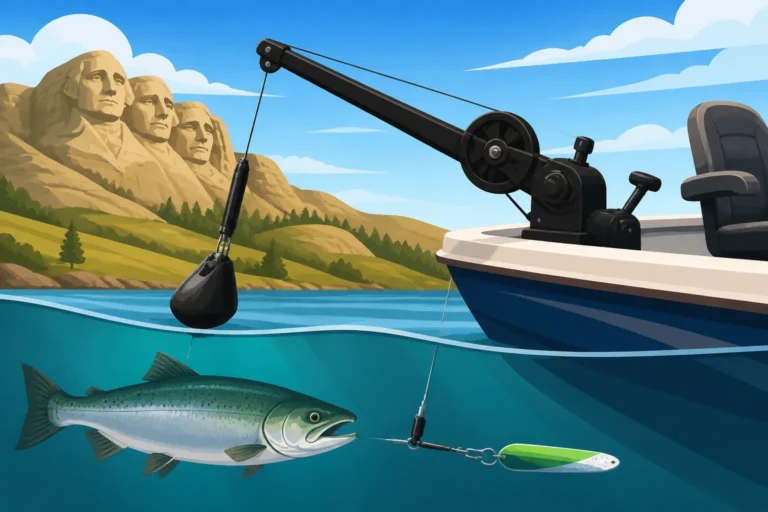
Trolling with crankbaits is a staple technique on South Dakota's larger reservoirs, particularly on Lake Oahe Fishing Guide and Lake Sharpe Fishing Guide. Anglers meticulously select cranks that run at specific depths, matching the profile and color to the prevailing baitfish and water conditions. By controlling boat speed and employing different line setups, you can precisely present these lures right in the walleye's strike zone, often picking up multiple fish as you cover expansive flats or breaklines. For a deep dive into this technique, check out our guide on Trolling for Walleye on Lake Oahe.
Beyond trolling, casting crankbaits from shore or from a boat can be incredibly effective, especially in shallower areas or around distinct structures like rocky points or submerged timber. A quickly retrieved crankbait can provoke a walleye hiding in ambush to strike out of instinct, rather than hunger. The primary advantages of crankbaits include their durability, allowing you to catch numerous fish on a single lure, and the sheer variety available. You can easily build a diverse collection of crankbaits from retailers like Amazon, ensuring you're ready for any condition.
Jigs and Soft Plastics: Finesse and Imitation
Jigs are arguably the most versatile and foundational artificial lure for walleye fishing. From heavy spoons used for vertical jigging in deep water to light lead heads tipped with soft plastics, jigs allow for a myriad of presentations. They provide a direct connection to the fish, letting you feel every subtle tap and twitch, making them incredibly effective for discerning bites.
Soft plastics have revolutionized jig fishing, offering lifelike imitations of minnows, leeches, and other forage. Paddle tails create enticing thumping vibrations, twister tails offer continuous enticing action, and straight-tail worms provide a subtle, finesse presentation. These plastics can be rigged on various jig heads, allowing you to match the size, color, and action to the specific conditions and mood of the walleye. The texture of soft plastics also makes fish hold on longer, giving you more time to set the hook.
Presenting jigs and soft plastics requires an active approach. Techniques range from aggressive snap jigging, where you rip the jig off the bottom to imitate a fleeing baitfish, to a more subtle dragging motion, letting the current or your boat slowly pull the lure along the bottom. Feeling for that distinctive "thump" or spongy resistance that indicates a bite is a skill honed over time. Our article on Jigging Techniques for Missouri River Walleye offers even more detailed tips. The benefits are clear: jigs and soft plastics are relatively inexpensive, incredibly effective for targeting specific depths and structures, and reduce the mess associated with live bait. Plus, the extensive selection of colors and styles is readily available through retailers like Amazon.
Spinner Rigs and Blade Baits: Flash and Vibration
Spinner rigs, often referred to as "worm harnesses," are a classic walleye lure that combines the visual appeal of a spinning blade with the enticing action of a trailing hook set. While often tipped with live bait (which we'll cover in our hybrid section), they can also be fished effectively with artificial tails. The flashing blade acts as a powerful attractor, drawing walleye in from a distance, while the vibration it emits is picked up by their lateral lines, indicating a potential meal.
Blade baits are another category of lures that excel at generating powerful flash and vibration. These thin, metallic lures mimic dying or injured baitfish with an erratic, fluttering action when jigged vertically or retrieved with a sweep-and-fall motion. They send out strong sonic vibrations through the water, making them particularly effective in windy conditions or stained water where visibility is reduced.
Both spinner rigs and blade baits are excellent choices for covering water efficiently, especially when walleye are scattered or actively feeding. The flash and vibration can trigger aggressive strikes, making them highly effective when you need to locate fish quickly or when the fish are in an active mood. They are particularly useful when trying to penetrate through murky or turbid waters, as the strong signals they emit are easily detected by walleye.
Making the Choice: Factors to Consider on South Dakota Waters
With so many options available, how do you decide between live bait and artificial lures for your next South Dakota walleye trip? The truth is, there's no single "best" answer. It depends heavily on a combination of environmental factors, your personal preferences, and practical considerations.
Water Conditions, Depth, and Time of Year
Water clarity plays a huge role in your lure choice. In crystal clear waters, often found in parts of the Black Hills or some deeper reservoirs, walleye can be incredibly wary. Here, the natural look and subtle presentation of live bait, or highly realistic artificials fished with finesse, will often outperform gaudier lures. Conversely, in stained or turbid waters, the visual appeal of live bait can be diminished. This is where artificials that create strong vibrations, bold colors, and loud rattles truly shine, as they rely on a walleye's lateral line and auditory senses more than sight.
Depth is another critical factor. When walleye are holding deep, whether in a river channel or off a reservoir breakline, getting your bait to them efficiently is key. Heavy jigs, spoons, or deep-diving crankbaits might be more effective and less cumbersome than trying to get live bait down to significant depths. For insights into finding fish at different depths, consider learning How to Read a Fish Finder for Walleye. In contrast, in shallow bays or over submerged weed beds, a bobber with live bait or a shallow-running artificial could be perfect.
Finally, the time of year heavily influences walleye behavior. As detailed in our South Dakota Fishing Seasons Explained guide, walleye often exhibit distinct patterns. During the cold water periods of early spring and late fall, or under the ice, live bait frequently has the edge because fish are less active and prefer an easy meal. As summer progresses and water temperatures rise – especially when the water reaches temperatures What Water Temperature Walleye Prefer? – walleye become more aggressive and willing to chase, making artificials like crankbaits and fast-jigged plastics incredibly effective.
Angler Preference and Skill Level
Your personal fishing style and comfort level play a significant role in which approach you'll enjoy more and likely be more successful with. Some anglers thrive on the active, engaging nature of artificial lure fishing. It's a constant process of casting, retrieving, twitching, and feeling for the bite, demanding focus and an understanding of how to impart action to your lure. There's a certain satisfaction in deciphering the puzzle and making a fish strike a piece of plastic or wood.
Other anglers prefer a more relaxed approach, enjoying the anticipation of a subtle take on a live minnow under a bobber or on a slow-trolled bottom bouncer. This method often allows for more passive enjoyment of the surroundings and relies on the natural appeal of the bait. There's less active manipulation required, but it still demands patience and a keen eye for subtle bite indicators.
For beginners, live bait can sometimes offer a higher chance of success early on, as its inherent appeal is often enough to draw strikes. However, learning to master artificials can unlock a whole new level of fishing prowess, allowing you to adapt to a wider range of conditions and actively hunt for fish. Don't be afraid to experiment. Start with what feels natural, but gradually push your boundaries to try new techniques and build confidence in both methods.
Cost and Convenience Considerations
Let's be real, fishing can be an expensive hobby, and the choice between live bait and artificials has financial implications. While a single artificial lure might have a higher upfront cost, it's a one-time purchase that can last for many fishing trips. Over time, a well-cared-for collection of artificials often proves to be more cost-effective. You can even find great deals on versatile lure kits and bulk packs on Amazon to get started without breaking the bank.
Live bait, on the other hand, is a recurring expense. You might spend a few dollars on minnows or crawlers every time you go out, and over a full season, this can really add up. The cost isn't just financial; there's also the time and effort involved in acquiring and maintaining live bait. You need minnow buckets with aerators, special containers for worms or leeches, and often need to make a stop at the bait shop before each trip.
Artificial lures offer unparalleled convenience. You grab your tackle box, rods, and head out the door. There's no need to worry about keeping bait alive, dealing with messy water in the boat, or running out mid-trip. They're always ready to go, clean, and easy to store. This convenience factor is a major draw for many anglers, especially those with busy schedules who want to maximize their time on the water.
Blending Both Worlds: The Hybrid Approach
Sometimes, the best strategy isn't to choose one over the other, but to combine the strengths of both live bait and artificial lures. This "hybrid" approach often proves to be the most deadly, offering a potent combination of natural appeal and fish-attracting action. It's a testament to the idea that in fishing, flexibility often leads to the greatest success.
Tipping Lures with Live Bait
One of the most common and effective hybrid techniques is tipping an artificial lure with a piece of live bait. This strategy leverages the irresistible scent and natural texture of live bait while benefiting from the action, vibration, or depth-reaching capabilities of an artificial. It's a classic pairing that has accounted for countless walleyes across South Dakota and beyond.
Think about a jig and minnow combo: the jig provides weight to get to the desired depth and offers a distinct profile, while the lively minnow adds natural movement and scent. Similarly, a nightcrawler threaded onto a spinner rig offers the flash and vibration of the blade with the unmistakable scent trail and squirming action of the crawler. Even a small piece of a nightcrawler or a minnow head added to a soft plastic paddle tail can make a huge difference, particularly when fish are hesitant or the bite is subtle.
This combination often works best when walleyes are present but not actively feeding aggressively. The artificial lure catches their attention, while the live bait provides the final, undeniable appeal that coaxes them into biting. It's a way to enhance your artificial presentation, adding that extra layer of realism that can turn a looker into a taker. Many anglers find this hybrid approach to be the sweet spot, often outperforming purely live bait or purely artificial presentations, and it's a common tactic for South Dakota Walleye Fishing Guide.
Alternating Techniques for Maximum Success
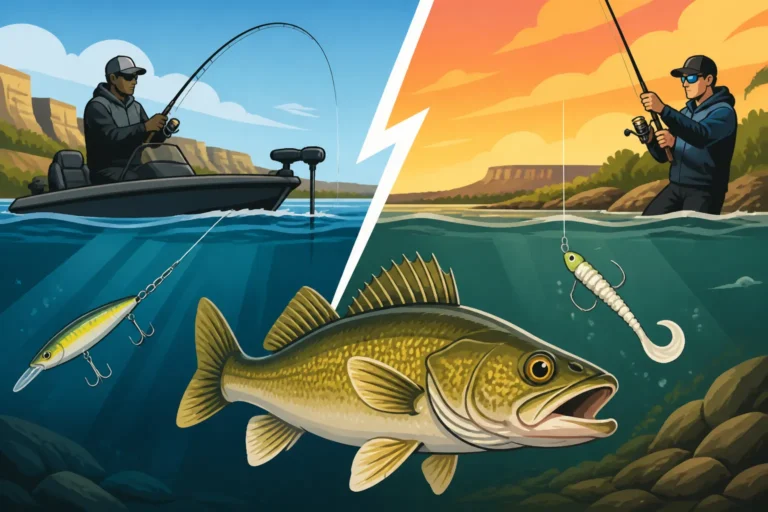
No single bait or lure is a magic bullet, and walleyes are notorious for changing their preferences throughout the day, or even from one hour to the next. The most successful anglers are those who are willing to experiment and adapt. This often means alternating between live bait and artificial lures, or even different types of each, until you figure out what the fish want right now.
Imagine you're out on the water, perhaps at one of the Best Fishing Spots in South Dakota. You start with trolling crankbaits, but after an hour, the bite is slow. Instead of giving up, you might switch to a slow drift with live minnows and bottom bouncers, or start vertically jigging soft plastics over a breakline. By having both options ready and being willing to switch, you dramatically increase your chances of finding what the walleye are keyed in on.
If you're fishing with a buddy, this can be even easier. One angler can start with a live bait setup, while the other begins with an artificial presentation. This allows you to quickly dial in the preferred method. Confidence in both methods, and the flexibility to switch between them, is what truly defines a versatile walleye angler. Ultimately, mastering both live bait and artificials will make you a far more effective angler and help you truly understand How to Fish for Walleye in South Dakota in all its dynamic glory.
| Feature | Live Bait (Minnows, Leeches, Nightcrawlers) | Artificial Lures (Crankbaits, Jigs, Plastics) |
|---|---|---|
| Scent & Taste | Natural, irresistible | None (unless scented/infused), relies on visual/vibration |
| Action | Lifelike, subtle, natural, inherent movement | Varies by lure, angler imparts action (jerking, reeling, trolling) |
| Cost | Recurring expense, can add up quickly over many trips | Higher initial cost per lure, but reusable for many trips, durable |
| Convenience | Requires careful storage, transport, keeping alive; can be messy | Easy to store, transport, clean, always ready to use; less fuss |
| Versatility | Excellent for finicky fish, cold water, subtle presentations | Wide range of designs for various conditions, depths, speeds, aggressive strikes |
| Durability | Fragile, easily stolen or damaged by smaller fish, single-use | Very durable, can withstand numerous strikes, reusable |
| Effort Level | Often more passive, waiting for a subtle bite | Generally more active, constant casting, retrieving, jigging |
| Success Rate | Often preferred by experienced anglers in tough, slow bite conditions | Can be highly effective with skill, covers more water, triggers reaction bites |
Disclaimer
This article is for general informational purposes only and does not constitute professional advice. Laws, prices and regulations vary by location and change over time. Consult a qualified professional for guidance on your specific situation.