Trolling vs Jigging for Missouri River Walleye
Navigating the vast and dynamic waters of the Missouri River in South Dakota for walleye can feel like a constant puzzle. Many anglers find themselves at a crossroads, wondering whether to commit to the steady coverage of trolling or the precise presentation of jigging. This comprehensive guide will unravel the intricacies of both techniques, helping you understand when and how to deploy each for maximum success in chasing those elusive Missouri River walleye.
Understanding the Missouri River's Unique Challenges for Walleye Anglers
Fishing the Missouri River isn't quite like fishing a typical lake. Its vastness, combined with the continuous flow, creates a whole different set of considerations that can either make or break your day on the water. It’s a magnificent fishery, but it demands respect and a tailored approach.
Current, Depth, and Structure: The River's Influence
The Missouri River, especially the sections that form the huge reservoirs like Lake Oahe, Lake Sharpe, Lake Francis Case, and Lewis and Clark Lake, is a complex environment. You’re dealing with everything from shallow, current-swept flats to deep, submerged river channels, rocky points, and expansive open water. The current is a constant factor, even in the reservoir sections, often creating seams, eddies, and subtle flows that walleye use to their advantage. These current breaks are prime ambush points where walleye conserve energy while waiting for an easy meal to drift by.
Knowing how the current behaves in different areas – whether it's a gentle drift or a powerful surge – directly impacts how your lure behaves and where the fish are likely holding. Then there’s the depth; from the shallow, fertile bays of some of the glacial lakes that feed into the river system to the deep, dark guts of the main channel, walleye can be found across an incredible range. The structure, too, is diverse, including old river bottom contours, submerged timber, bridge pilings, riprap shorelines, and man-made fish habitat. All these elements combined mean you can't just throw out a line and expect magic; you need a strategy. If you're looking for more general information on the river, our South Dakota Missouri River Fishing Guide has a wealth of knowledge.
Walleye Behavior in River Environments
Walleye in a river system like the Missouri tend to be more current-oriented than their lake-dwelling cousins. They're built to fight current, but they're also smart enough to use it to their advantage. You'll often find them tucked into current breaks, just behind a rock pile, a wing dam, or a subtle bend in the river, where they can ambush prey without expending too much energy. Their diet is largely dictated by what the current brings them, be it baitfish, insects, or even crawfish.
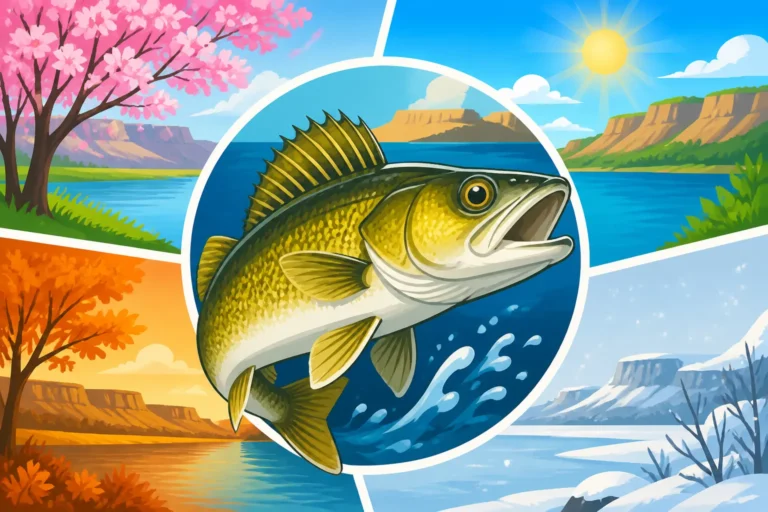
Their movements can also be highly seasonal. In spring, they're often concentrated in shallower areas for spawning, then spread out into deeper, cooler waters during the heat of summer. Fall sees them migrating and aggressively feeding in preparation for winter. Understanding these nuanced behaviors is critical, because a walleye holding tight to bottom in a strong current will require a very different presentation than a suspended walleye in calmer reservoir water. Factors like water clarity and temperature also play a huge role in how active they are and how willing they are to chase a bait. You can really get into the details of these patterns in our guide on South Dakota Fishing Seasons Explained.
The Art of Trolling for Missouri River Walleye
Trolling is a beloved technique for many walleye anglers, and for good reason. It allows you to cover a lot of water efficiently, search for active fish, and present baits at a consistent depth over extended periods. On the expansive waters of the Missouri River reservoirs, it can be incredibly effective.
When and Where Trolling Excels
Trolling truly shines when walleye are scattered across larger areas, when you're trying to locate schools of fish, or when they are suspended in the water column rather than hugging the bottom structure. This often happens during warmer months, like late spring through fall, when baitfish are abundant and walleye are actively chasing them in open water. Imagine the vast stretches of Lake Oahe or Lake Sharpe; trying to pinpoint individual fish with a jig can be like finding a needle in a haystack. Trolling allows you to systematically explore vast flats, main river channels, or expansive bays, presenting your lures to any fish that might be on the prowl.
It’s particularly effective in areas where the bottom is relatively free of snags, allowing you to run crankbaits or spinner rigs without constantly getting hung up. If you're just starting your day and don't have a solid pattern, pulling baits behind the boat is often the best way to eliminate unproductive water and zero in on where the fish are holding. This search-and-destroy method is a staple for professional and recreational anglers alike. For more specific insights, you might check out Trolling for Walleye on Lake Oahe.
Essential Trolling Setups and Techniques
When it comes to trolling for Missouri River walleye, having the right gear is paramount. You'll want medium-light to medium-heavy action trolling rods that can absorb the shock of a big walleye strike and keep your lure running true. Paired with reliable line-counter reels, you can precisely repeat successful presentations. Many anglers opt for braided main lines for their sensitivity and strength, often adding a fluorocarbon leader for stealth and abrasion resistance. You can find a fantastic selection of these specialized rods, reels, and lines on Amazon, ensuring you're ready for any trolling scenario.
The choice of lure is critical. Deep-diving crankbaits are fantastic for targeting suspended fish or those holding to deeper contours, while shallower-running cranks or spinner rigs (like bottom bouncers with crawler harnesses) are perfect for shallower flats or when fish are feeding close to the bottom. Varying your trolling speed is key, as different speeds impart different actions to your lure. Experimenting with speeds between 1.0 and 2.5 mph is a good starting point. You might also use planer boards to spread your lines out, covering a wider swath of water, or lead core line to get lures down to specific depths without heavy weights. Modern fish finders and GPS units are invaluable for tracking contours, marking fish, and repeating successful trolling passes.
Pros and Cons of Trolling on the Missouri River
Like any fishing technique, trolling has its advantages and disadvantages on a river system like the Missouri.
Pros of Trolling:
- Covers Vast Water: You can quickly and efficiently search large areas, which is crucial on big reservoirs like Lake Oahe and Lake Sharpe.
- Locates Active Fish: Trolling is excellent for finding walleye that are actively feeding and willing to chase a moving bait, especially when they are scattered.
- Consistent Depth Presentation: With line-counter reels and specific lure choices, you can present your bait at a very consistent depth, which is vital when fish are holding in a narrow depth range.
- Effective for Suspended Walleye: When walleye are suspended off the bottom, often chasing baitfish schools, trolling crankbaits is one of the most effective ways to reach them.
- Relaxed Fishing: Once your lines are set, trolling can be a more relaxed way to fish, allowing you to enjoy the scenery and socialize.
Cons of Trolling:
- Requires a Boat and Motor: You need a properly equipped boat and a reliable motor to troll effectively, which can be a barrier for some anglers.
- Less "Hands-On" Feel: Compared to jigging, trolling can feel less interactive. It's harder to feel subtle bites, especially with longer lines out, though sensitive rods help.
- Difficult in Tight or Snaggy Spots: Trolling is not ideal for fishing small, precise areas, or places with heavy bottom structure and snags where you risk losing expensive lures.
- Specific Gear Investment: Getting set up for effective trolling often requires an investment in specialized rods, reels, planer boards, and a wide variety of crankbaits.
- Less Precise Presentation: While you can control depth, the presentation isn't as precise as vertical jigging, which can be a disadvantage when fish are finicky or holding tight to very specific structure.
The Precision of Jigging for Missouri River Walleye
Jigging, in contrast to trolling, is a much more active and precise method. It allows for pinpoint accuracy in bait placement and a direct connection to what your lure is doing and, hopefully, to what a walleye is thinking!
When and Where Jigging Shines
Jigging truly comes into its own when you need to be precise. This means targeting specific pieces of structure, fishing in heavy current, or presenting to fish that are tightly schooled and hugging the bottom. Think about the tailwaters below the Missouri River dams – areas like below Oahe Dam or Big Bend Dam – where strong currents create eddies and seams that stack up walleye. Here, vertical jigging allows you to keep your bait directly in the strike zone. You'll also find jigging incredibly effective on distinct rock piles, bridge pilings, deep holes, or sharp drop-offs where walleye are concentrated.
It's often the go-to method in colder water conditions, like early spring or late fall, when walleye are less active and less willing to chase a fast-moving trolled bait. When fish are finicky, or when you’ve found a promising spot on your fish finder, jigging offers the exact presentation needed to tempt a bite. If you're looking for detailed jigging strategies, our guide on Jigging Techniques for Missouri River Walleye covers this extensively.
Key Jigging Rigs and Approaches
For successful jigging, you'll want a sensitive, fast-action spinning rod paired with a lightweight spinning reel. This setup allows for maximum feel, letting you detect even the lightest taps on your line. Braided line is almost a must for jigging due to its zero stretch, giving you incredible sensitivity, usually with a fluorocarbon leader for abrasion resistance.
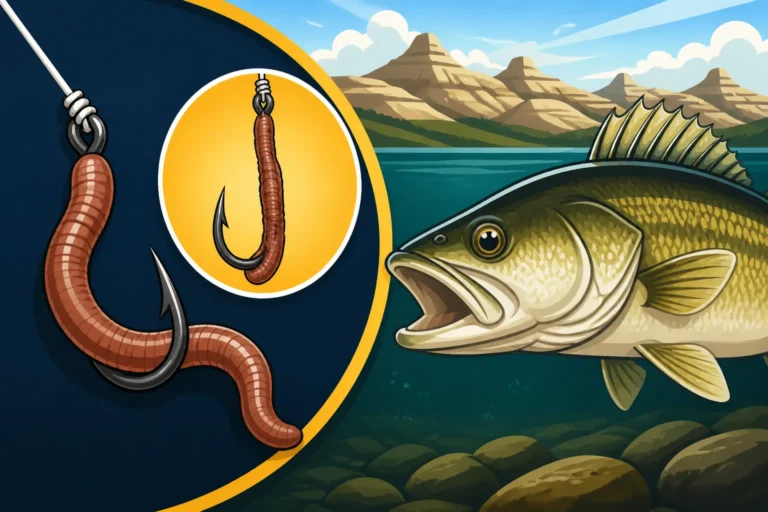
Jigs themselves come in countless varieties: traditional lead head jigs, hair jigs, bucktail jigs, blade baits, and various soft plastics that mimic baitfish or grubs. The weight of your jig is crucial and depends heavily on the current and depth; you need to feel the bottom without getting swept away too quickly. Live bait, like minnows, shiners, or nightcrawlers, can be tipped onto a jig to add scent and appeal.
Techniques vary from vertical jigging, where you drop the jig straight down and gently lift and drop it, to pitching jigs, where you cast out to a specific spot and work the jig back. Snap jigging involves more aggressive upward snaps to draw attention, while dragging jigs allows you to slowly work along the bottom, keeping your bait in contact with the structure. Boat control is paramount when jigging in current, often requiring a trolling motor to hold your position or slowly drift. A quality fish finder, many of which are available on Amazon with excellent reviews, is invaluable for marking structure and fish to target precisely.
Pros and Cons of Jigging on the Missouri River
Jigging offers a different set of trade-offs for the dedicated walleye angler on the Missouri River.
Pros of Jigging:
- Exceptional Precision: Jigging allows for pinpoint bait placement, which is ideal for targeting specific structure, current seams, or individual fish marked on your electronics.
- Excellent for Structure Fishing: If walleye are holding tight to cover like rock piles, timber, or bridge pilings, jigging allows you to work your bait precisely through these areas.
- Active and Engaging: Jigging is a very hands-on technique, offering direct feedback from your lure and exciting strikes.
- Works Well in High Current: With the right jig weight and boat control, you can effectively present baits in strong currents where trolling might be less efficient or harder to control.
- Good for Finicky Fish: When walleye are less aggressive, the subtle movements and slow presentations of a jig can often entice bites when other methods fail.
- Versatile for Small Spaces: You can jig effectively from smaller boats, kayaks, or even from shore in appropriate locations.
Cons of Jigging:
- Requires More Skill and Boat Control: Maintaining position and presentation in current demands practice and good boat handling skills, especially with a trolling motor.
- Covers Less Water: Jigging is a slower, more localized technique, making it less efficient for searching large areas for scattered fish.
- Can Be Tiring: The constant manipulation of the rod and focus required can be physically demanding over a long day of fishing.
- Prone to Snags: In areas with heavy cover or rocky bottoms, you can easily get snagged, leading to lost jigs and valuable fishing time.
- Less Effective for Suspended Fish: While not impossible, jigging is generally less efficient for targeting walleye suspended high in the water column over open water compared to trolling.
Choosing Your Weapon: Trolling vs Jigging Situations
Deciding between trolling and jigging isn't about one being inherently better than the other; it's about making the right choice for the specific conditions you're facing on the Missouri River. The most successful anglers are those who can adapt and switch between techniques seamlessly.
Factors to Consider: Water Conditions, Time of Year, and Fish Activity
Several key factors should influence your decision:
- Current Speed and Direction: In areas with very strong, defined currents, vertical jigging often gives you better control and a more natural presentation. If the current is lighter or more dispersed, trolling can work well.
- Water Temperature: Colder water generally means less active fish, making slower, more precise presentations (jigging) more effective. Warmer water often correlates with more aggressive, scattered fish, favoring the search capabilities of trolling.
- Water Clarity: In clear water, fish might be more easily spooked, requiring longer lines for trolling or stealthier, more subtle jig presentations. Murkier water might call for baits with more vibration or scent.
- Time of Year and Fish Movement:
- Spring (Pre-spawn/Spawn): Walleye often congregate in shallower, current-influenced areas. Jigging around river bends, bridge pilings, or riprap can be deadly.
- Summer: Fish spread out into deeper water, often suspending or holding to main channel contours. This is prime time for trolling crankbaits or bottom bouncers in areas like Lake Oahe or Lake Sharpe. Night fishing with jigs or cranks can also be productive.
- Fall: Walleye aggressively feed, often moving into shallower areas again, but can still be found deep. Both trolling and jigging can be effective, depending on where the baitfish are concentrated.
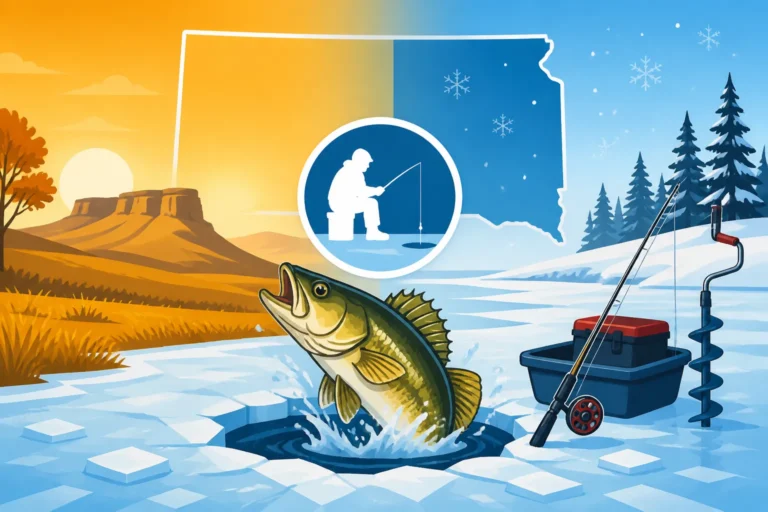
- Winter (Ice Fishing): Ice fishing is essentially vertical jigging through a hole in the ice. Jigs tipped with minnows or plastics are the standard. For open water sections, jigging deep holes is key. Check out our South Dakota Ice Fishing Guide for more.
- Fish Activity Level: If walleye are aggressively chasing bait, trolling with faster presentations can trigger reaction strikes. If they're sluggish or "neutral," a slow, deliberate jig worked right into their face might be the only thing that works.
Combining Techniques for Maximum Success
The real magic happens when you don't limit yourself to just one technique. Many veteran Missouri River walleye anglers employ a hybrid approach, using the strengths of both trolling and jigging to their advantage.
Consider this common scenario: You start your day on a large body of water like Lake Francis Case. You might begin by trolling several lines with different crankbaits or spinner rigs at varying depths. This allows you to quickly cover a large area, pinpointing potential schools of walleye or active feeding lanes. Your fish finder, perhaps a modern unit you purchased from Amazon, is constantly scanning the bottom and water column. Once your electronics mark a significant school of fish, or you get a few bites in a specific area, you can then switch gears.
Instead of continuing to troll over the same spot, you might stop your boat, use your GPS-enabled trolling motor to hold position, and deploy jigging rods. This allows you to precisely work over that concentrated school, offering a more nuanced presentation to finicky fish. You can drop jigs directly onto their heads, enticing bites from walleye that might have ignored a trolled bait. Conversely, if you've been jigging a known structure without much success, a quick pass with a few trolled lines in the surrounding area might reveal that the fish have moved or are more active than you thought. The ability to seamlessly transition between these two powerful techniques is what truly sets apart consistently successful anglers on the challenging, yet rewarding, waters of the Missouri River.
| Feature | Trolling for Walleye | Jigging for Walleye |
|---|---|---|
| Primary Goal | Covering water, finding active/scattered fish | Precise presentation, targeting structure/concentrated fish |
| Ideal Conditions | Large open areas, scattered fish, suspended fish, warmer water, searching | Specific structure, strong current, tight schools, colder water, finicky fish |
| Required Gear | Boat, motor, trolling rods, line-counter reels, various crankbaits, bottom bouncers, planer boards | Sensitive spinning rod, spinning reel, various jigs (weights/colors), live bait/soft plastics |
| Typical Speed | 1.0 – 2.5 mph (adjustable) | Stationary, slow drift, or precise boat control with trolling motor |
| Bait Presentation | Horizontal, moving through water column | Vertical, controlled drops, lifts, and drags |
| Angler Interaction | Often less active, waiting for strikes | Highly active, focused on feel and presentation |
| Learning Curve | Easier to start, but mastering nuances takes time | Requires more skill in boat control and bite detection |
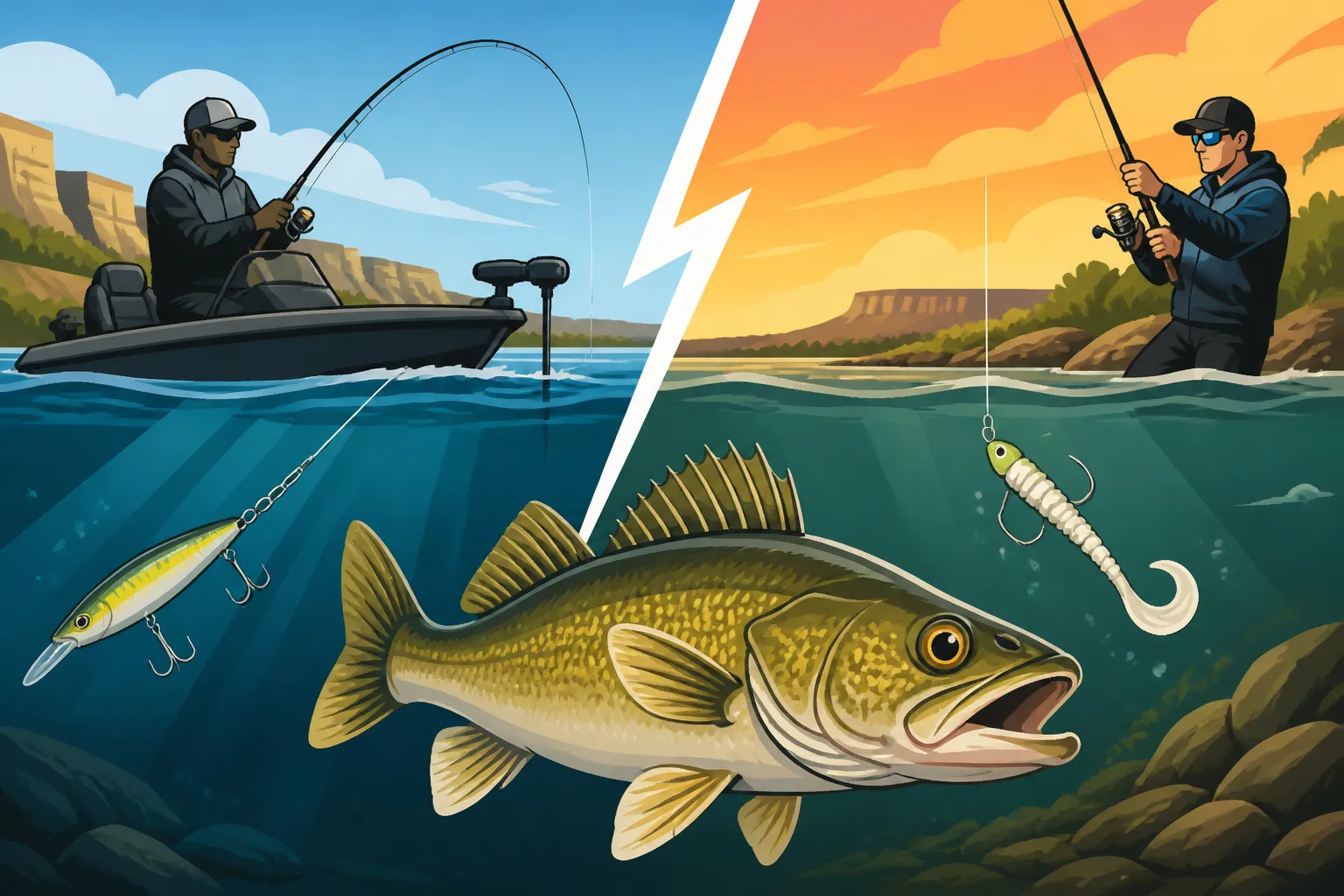
Ultimately, both trolling and jigging are indispensable tools in the Missouri River walleye angler's arsenal. While trolling might be your go-to for covering those massive reservoirs and finding active fish, jigging offers the precision needed to pluck walleye from tight spots and tempt the less aggressive biters. By understanding when and where each technique excels, and by being willing to adapt your approach based on the conditions and fish behavior, you'll dramatically increase your chances of a successful and rewarding day chasing South Dakota's beloved walleye. So, pack your gear, hit the water, and don't be afraid to switch it up!
Disclaimer
This article is for general informational purposes only and does not constitute professional advice. Laws, prices and regulations vary by location and change over time. Consult a qualified professional for guidance on your specific situation.