Best Season for Trophy Walleye on Lake Oahe
Oh, the dream of that monster walleye from Lake Oahe! Many anglers feel that tug of excitement mixed with a bit of frustration when trying to pin down the absolute best time to land one of those true South Dakota giants. It’s not just about catching walleye; it’s about that special, thick-shouldered, 25-inch-plus hawg that makes your reel sing and your heart pound. This guide is dedicated to dissecting the seasons on Lake Oahe, helping you understand when and how to maximize your chances of connecting with that trophy walleye you’ve been chasing.
Lake Oahe: A Trophy Walleye Sanctuary with Seasonal Secrets
Lake Oahe, a massive reservoir on the Missouri River, isn't just big; it's a dynamic ecosystem that churns out some of the most impressive walleye in the country. Its sheer size – stretching over 230 miles from Pierre, South Dakota, all the way into North Dakota – means that understanding its nuances is crucial for success, especially when targeting trophy-sized fish. It's not a small pond where you can easily pattern fish; it's an inland sea that demands respect and a strategic approach.
Understanding Oahe's Immense Scale and Ecosystem
When we talk about Lake Oahe, we're discussing an expanse of water that truly feels boundless. This reservoir is fed by the mighty Missouri River and boasts an incredible forage base, primarily rainbow smelt and ciscoes, along with ample populations of shad in its lower reaches. This rich buffet is exactly why Oahe walleye grow to such impressive sizes. Unlike lakes with less diverse food sources, Oahe offers a consistent, high-calorie diet that fuels rapid growth and supports a robust population of large, healthy fish.
The challenge, however, lies in its vastness. Walleye can be anywhere, and their movements are heavily influenced by the location of their food. Trophy walleye, in particular, often aren't mixed in with the smaller, more numerous "eater" fish. They tend to patrol specific types of structure or follow the densest baitfish schools, sometimes suspended over incredible depths. To consistently find these giants, you need to think beyond simply finding "fish" and focus on understanding the larger predatory patterns driven by the lake's diverse ecosystem. This means paying close attention to sonar readings, water temperatures, and how those factors might be influencing baitfish migration, which in turn dictates where the biggest walleye will be positioned. It’s a bit like a giant game of hide-and-seek, but with a lot of science thrown in. For more general insights into this incredible body of water, check out our comprehensive guide, Lake Oahe Fishing Guide.
Defining a "Trophy" Walleye in South Dakota
What exactly constitutes a "trophy" walleye? For many, it's not just a personal best but a fish that commands respect in its size class. In South Dakota, particularly on a lake like Oahe, a walleye pushing or exceeding the 25-inch mark is definitely in trophy territory. These fish are typically older, have survived countless challenges, and represent the pinnacle of what the lake can produce. While some anglers might consider a 20-inch fish a nice catch, when we talk about trophy walleye, we're picturing that behemoth that barely fits in your net, often weighing significantly more due to its age and girth.
The pursuit of these larger fish often means a different approach than simply filling a livewell with 16-18 inchers. It might involve using larger baits, targeting different structures, or fishing during specific times when these dominant predators are most active and vulnerable. It's a shift from quantity to quality, prioritizing the chance at one truly exceptional fish over a high catch rate of average-sized ones. The reward, though, is absolutely worth the effort, creating memories and photos that last a lifetime. Of course, always remember to be aware of the South Dakota Walleye Limits to ensure you're compliant with regulations, especially when considering releasing these larger, older fish to ensure future populations.
Spring: The Pre-Spawn and Early Post-Spawn Rush for Hawgs
Spring on Lake Oahe is a time of awakening, not just for the landscape but for the walleye as well. As the ice recedes and water temperatures slowly begin to climb, the metabolism of these fish kicks into high gear, driving them into distinct patterns that can offer incredible opportunities for trophy hunters. It’s a period of transition, but for those who know where to look and what to offer, it can be incredibly rewarding.
The Pre-Spawn Build-Up: Fueling the Giants
Before the chaotic energy of spawning takes over, female walleye engage in a crucial pre-spawn gorging period. This is when they pack on essential weight and energy needed for egg development. During this time, they become incredibly aggressive and are often found staging in shallower bays, rocky points, and creek mouths leading into spawning areas. The water temperatures are still cool, but these areas warm up faster, attracting baitfish and, consequently, the hungry walleye.
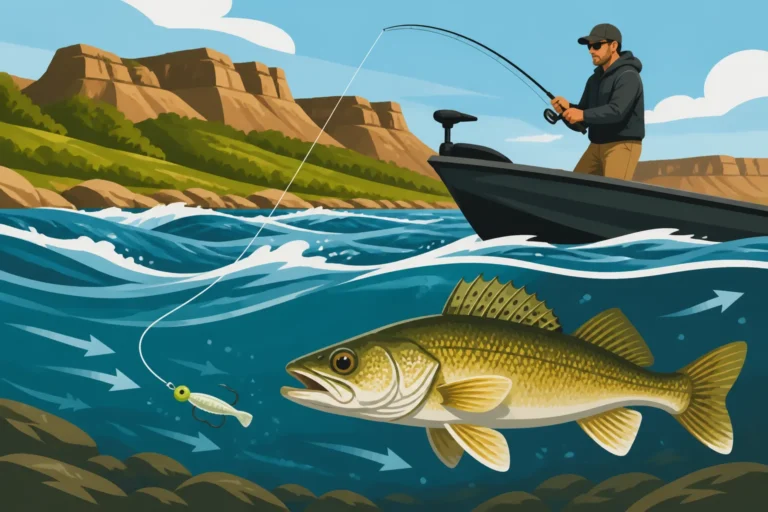
Anglers targeting trophy walleye during this phase will often focus on these transition zones, looking for warmer pockets of water where baitfish are congregating. Jigging with larger minnows, soft plastics, or slowly trolling crankbaits can be incredibly effective. The females are heavy with eggs, making them appear even larger, and their aggressive feeding means they're less picky about what they strike. It's a window of opportunity where a truly massive walleye might be more willing to chase down a substantial offering. For more detailed strategies, consider exploring South Dakota Spring Walleye Fishing Techniques. It's a time of anticipation and often, big rewards.
Post-Spawn Recovery: Opportunistic Bites
Immediately following the spawn, female walleye, in particular, can be a bit lethargic and beat up from the arduous process. However, this period quickly transitions into another feeding phase as they seek to recover their energy reserves. They often remain in or near the shallower spawning areas for a time, sometimes retreating to slightly deeper breaks nearby. While not as aggressive as the pre-spawn bite, this post-spawn recovery still presents an excellent window for opportunistic trophy catches.
These recovering walleye are still in shallower areas and are incredibly hungry, making them susceptible to slower presentations. Think about jigging blade baits or dragging bottom bouncers with larger live bait offerings like nightcrawlers or minnows. They might not chase down a fast-moving crankbait with the same vigor, but a slowly presented, enticing meal can be irresistible. This phase can be fleeting as the water continues to warm and fish begin their migration to deeper summer haunts, but for a dedicated angler, it’s a prime time to intercept those recovering giants before they disappear into the vastness of Oahe.
Summer: Deep Water Challenges and Consistent Patterns
As the hot South Dakota sun beats down and Lake Oahe’s surface temperatures rise, the walleye population undergoes a significant shift. The shallower waters, once bustling with pre-spawn activity, become less comfortable for these cool-water predators. Summer fishing for trophy walleye on Oahe transforms into a game of finding depth, understanding structure, and mastering specific techniques.
Summer's Deep Water Domain
When summer truly settles in on Lake Oahe, the walleye, especially the bigger, older fish, will retreat to deeper, cooler waters where they can find stable temperatures and abundant forage. This often means finding them associated with the thermocline – the layer of water where temperatures rapidly change – which acts as a comfort zone and often concentrates baitfish. Locating this thermocline and understanding how it interacts with submerged structure like humps, points, and old river channels becomes absolutely paramount.
This can be a challenging period, as the walleye are spread out over vast areas and can be anywhere from 20 to 50 or even 70 feet deep. It requires patience and a good understanding of your electronics to mark baitfish schools, contours, and individual fish. The midday sun can make them even more reluctant to bite, so early mornings, late evenings, and even night fishing can often yield the most active bites for larger fish. Knowing the Water Depth Where Walleye Feed on Lake Oahe in July can give you a significant edge in narrowing down where to deploy your lines. Don't be afraid to experiment with depths until you pinpoint their comfort zone.
Trolling as a Key Summer Strategy
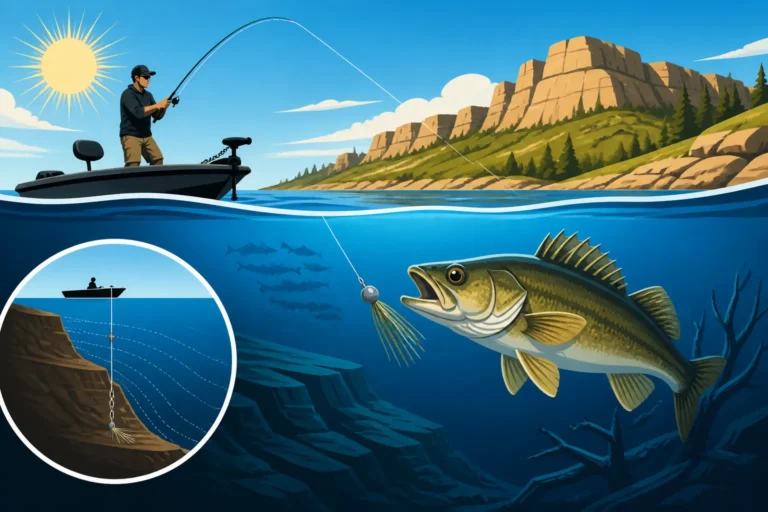
Given the immense size of Lake Oahe and the deep, scattered nature of summer walleye, trolling emerges as an incredibly effective strategy for covering vast amounts of water and presenting baits to a wide range of depths. This isn't just about dragging lures; it's a sophisticated technique that involves matching crankbait sizes, colors, and diving depths to the prevalent forage and the walleye's feeding mood.
Deep-diving crankbaits, often run behind planer boards to cover a wider swath, are the go-to for many anglers. Understanding your lure's diving curve and how to use leadcore line or downriggers can allow you to precisely target the depth where walleye are holding. Alternatively, bottom bouncers with spinner rigs dressed with nightcrawlers or artificial plastics can be deadly for active fish hugging the bottom structure. While you might catch more "eater" fish this way, the sheer amount of water covered increases your odds of encountering one of Oahe's resident giants. For a full breakdown of this effective technique, our guide on Trolling for Walleye on Lake Oahe is an invaluable resource that can significantly improve your summer success. It’s about being methodical and persistent in your search across this huge body of water.
Fall: The Undisputed Reign of Trophy Walleye on Lake Oahe
If there's one season that consistently stands out for anglers chasing genuine trophy walleye on Lake Oahe, it's autumn. As the days shorten and the water temperatures steadily drop, a profound shift occurs in the walleye population – a massive, urgent feeding frenzy designed to prepare them for the long, lean months of winter. This instinctual drive makes them more aggressive, predictable, and frankly, easier to catch for those seeking true giants.
The Autumn Feeding Frenzy: Packing on the Pounds
As summer transitions into fall, Lake Oahe's walleye enter a critical phase of their annual cycle: the fall feed. This isn't just casual nibbling; it's a determined effort to consume as much as possible, building up crucial fat reserves to sustain them through the cold winter. Their metabolism is still high enough to chase down bait, and their urgency to eat makes them less wary and more inclined to strike larger, more substantial offerings. This is truly the time when those big, old walleye become exceptionally active.
The key driver behind this frenzy is the abundance of baitfish, particularly rainbow smelt and ciscoes, which are often schooling up in huge numbers as they, too, prepare for winter. The walleye will actively follow these schools, often suspending underneath or around them, ready to ambush. Anglers who can locate these massive bait balls and the predatory walleye beneath them are in for some of the best fishing of the year. It's a dynamic period where the competition for food is fierce, making a trophy walleye bite often feel more like a violent tug than a subtle tap. To fully capitalize on this peak period, be sure to read up on South Dakota Fall Walleye Fishing Techniques.
Concentrating Walleye in Key Areas
One of the greatest advantages of fall fishing on Lake Oahe is that falling water temperatures tend to concentrate both baitfish and walleye into more predictable areas. The vastness of summer gives way to more defined patterns as fish seek out stable temperatures and access to dwindling, but still abundant, forage. This means you're often looking at main lake points, sharp breaks, structural elements like submerged humps or islands, and the edges of old river channels.
Trophy walleye, being apex predators, will often position themselves on these key structures, lying in wait for baitfish to funnel past. A good fish finder becomes an indispensable tool during this time, allowing you to scan these areas for schools of bait and the tell-tale arches of large walleye lurking nearby. Understanding how to interpret your electronics and knowing How to Read Contour Lines on a Lake Map will give you an unparalleled advantage, as you can pinpoint exactly where those big fish are setting up their ambush points. It's less about aimlessly searching and more about methodically dissecting high-percentage areas where the giants are known to roam as they binge for winter. For specific hot spots during this productive time, consider checking out Where to Catch Walleye on Lake Oahe in Fall.
Prime Tactics for Fall Trophy Walleye
With the walleye in such an aggressive feeding mood, fall opens up a diverse array of tactics, many of which involve larger presentations to tempt the biggest fish. Aggressive jigging is often incredibly effective, especially when using heavier jigs tipped with large minnows, shiners, or substantial soft plastics. The idea is to mimic a fleeing or injured baitfish that presents an easy, high-calorie meal.
Trolling with larger crankbaits that dive to the depths where walleye are holding remains a staple. Experiment with different colors, but don't be afraid to go with natural baitfish patterns. Sometimes, a larger swimbait or glide bait, cast and retrieved or slowly worked over structure, can also trigger ferocious strikes from truly massive fish looking for an easy meal. The key is to match the hatch, offering something that mimics the prevalent forage size, but with enough action and profile to stand out. Patience is still a virtue, but the bites, when they come, are often unmistakable and powerful. For specific bait recommendations, our guide on the Best Lures for Fall Walleye on Lake Oahe can provide detailed insights to help you gear up for success during this golden season.
Winter: Ice Fishing for the Patient Pursuer
While spring, summer, and especially fall are widely heralded for their open-water trophy walleye potential on Lake Oahe, the hardwater season shouldn't be entirely discounted, particularly for the dedicated and patient ice angler. Winter fishing for trophy walleye on a lake of Oahe's magnitude presents its own unique set of challenges and, for those willing to brave the elements, a distinct chance at a true giant.
The Niche for Ice Anglers
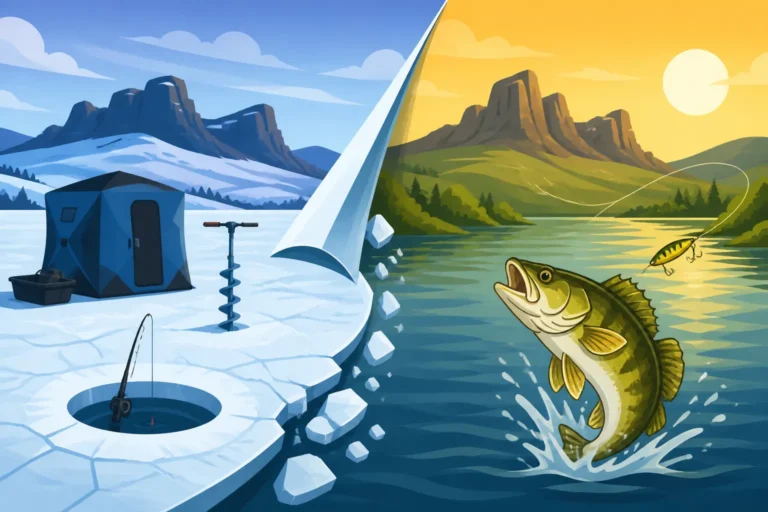
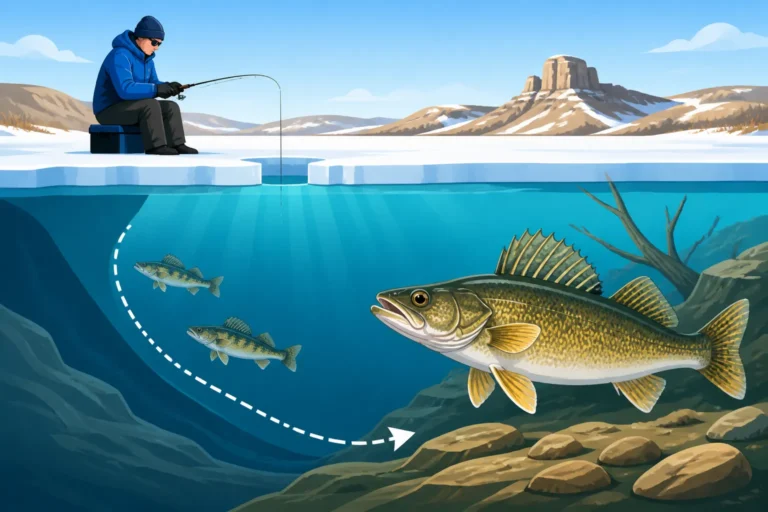
Lake Oahe, due to its immense size and depth, doesn't always freeze uniformly or as early as smaller lakes. However, once safe ice forms, especially in bays and more sheltered sections, it opens up a new realm of fishing opportunities. While the overall catch rate for walleye may not be as high as in other seasons, ice fishing offers a unique advantage: direct access to specific deep-water structures that might be harder to fish precisely from a boat. Trophy walleye, with their slower metabolisms in the cold water, will often hold tight to these spots, conserving energy.
Finding these big fish means focusing on key wintering areas: deep points, submerged humps, old river channel edges, and sharp breaks where they can easily access both deep water and nearby forage. It's a game of patience and finesse, often involving slow presentations with larger jigging spoons or deadsticking big live minnows under a tip-up. The bites can be subtle, but a monster walleye's take often feels like a heavy weight, not a typical "tap-tap." For those looking to brave the cold, our comprehensive South Dakota Ice Fishing Guide provides all the essentials to get you started safely and effectively on the hardwater.
Seasonal Walleye Behavior and Tactics on Lake Oahe
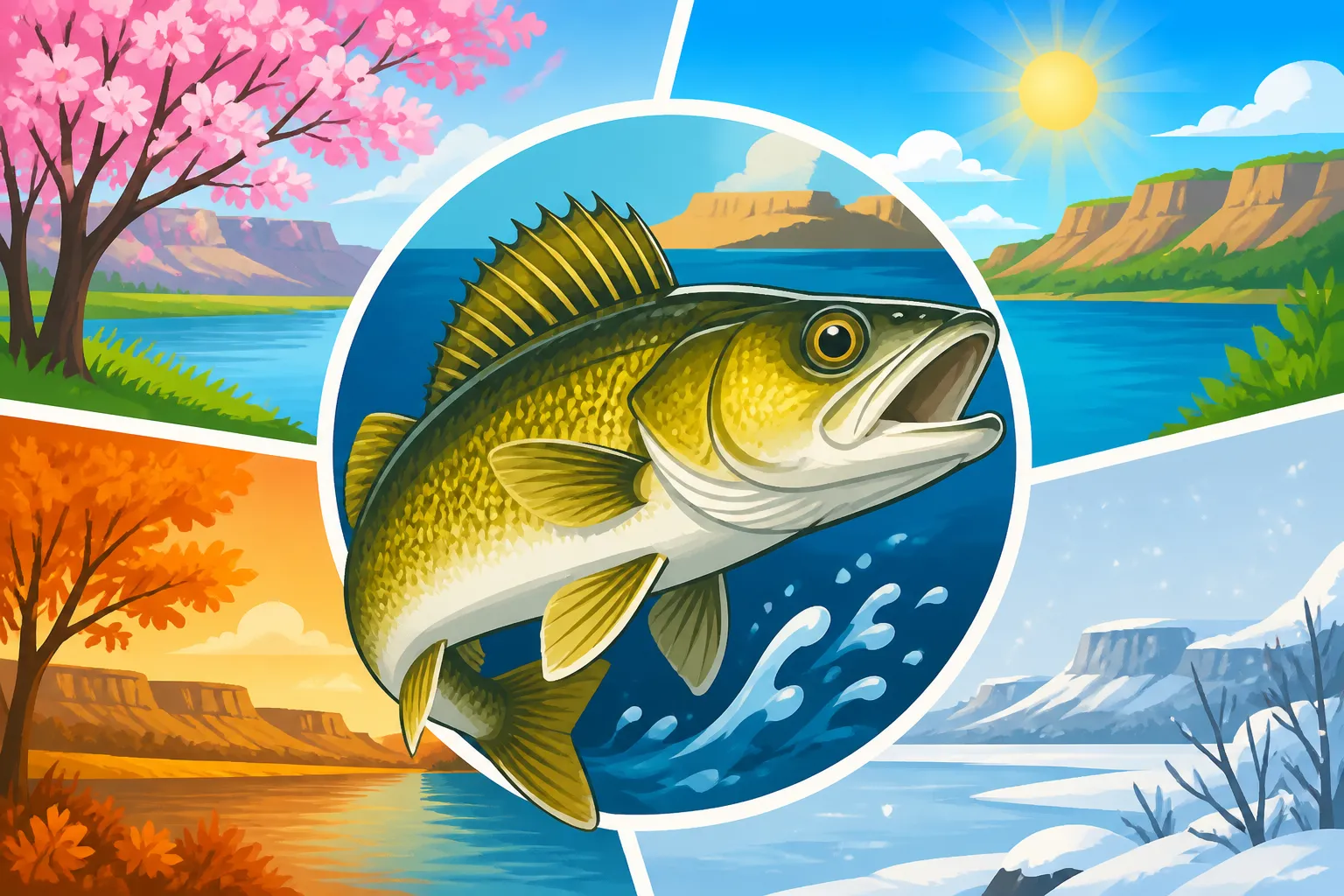
To really cement your understanding of how to chase trophy walleye on Lake Oahe, let's break down the key seasonal behaviors and the tactics that tend to produce the biggest fish. This table provides a quick overview, but remember, flexibility and adaptation are always your best friends out on the water.
| Season | Walleye Behavior (Trophy Potential) | Prime Locations for Trophy Walleye | Recommended Tactics for Trophy Walleye |
|---|---|---|---|
| Spring | Pre-spawn gorging, females moving shallow to stage; post-spawn recovery | Shallow bays, rocky points, creek mouths, main lake points | Jigging with minnows/plastics, slow trolling crankbaits, slip bobbers |
| Summer | Retreat to deep, cooler water (thermocline); nocturnal feeding, opportunistic | Main lake humps, deep points, old river channels, submerged timber | Deep trolling crankbaits, bottom bouncers with crawlers/minnows |
| Fall | Aggressive feeding frenzy, bulking up for winter; highly concentrated | Main lake points, deep breaks, structure, baitfish schools | Aggressive jigging, large crankbaits, vertical jigging, live bait rigging |
| Winter | Slower metabolism, concentrated in deep holes/structure; less active | Deep structure, old river channels, sharp breaks, current seams | Slow vertical jigging, deadsticking, tip-ups with large minnows |
Beyond the Seasons: Key Factors for Trophy Walleye Success
While understanding the seasonal movements and behaviors of walleye is crucial, consistently catching trophy fish on Lake Oahe involves more than just being there at the "right" time. It's about combining that knowledge with the right tools, skills, and mindset.
Understanding Lake Oahe's Unique Forage
The reason Oahe produces such enormous walleye isn't just its size; it's the incredibly rich and diverse forage base. Unlike some lakes where perch or minnows are the primary food, Lake Oahe boasts abundant populations of rainbow smelt and ciscoes, especially in its northern and central reaches, along with shad further south. These are high-fat, high-protein baitfish that allow walleye to grow exceptionally large and healthy.
To target trophy walleye, you need to think like a trophy walleye – which means finding their food source. If the walleye are gorging on smelt, your presentation should mimic a smelt. If shad are the dominant forage, crankbaits with a shad profile will likely be more effective. Paying attention to what comes out of a fish's stomach, observing baitfish schools on your electronics, and even talking to other successful anglers will give you vital clues. The big walleye are where the big bait is, plain and simple.
Electronics Are Your Best Friend
On a lake as vast and deep as Oahe, trying to find fish without modern marine electronics is like trying to find a needle in a haystack blindfolded. For trophy walleye fishing, your fish finder is not just a luxury; it's an absolute necessity. High-quality sonar, especially with side imaging and down imaging capabilities, allows you to scan expansive areas for submerged structure, breaks, and importantly, schools of baitfish and the large, distinct arches of predator fish.
Your GPS is equally vital for marking waypoints of productive spots, tracking your trolling paths, and navigating safely. Being able to precisely return to a productive humpor a subtle breakline where you marked fish is a game-changer. These tools help you eliminate unproductive water quickly and focus your efforts where the giants are most likely to be holding. Learning to interpret these complex displays accurately will significantly increase your success rate, transforming a random search into a targeted hunt.
Patience and Persistence
Let's be real: catching a true trophy walleye on Lake Oahe isn't an everyday occurrence, even during the prime fall season. These are old, wise fish that have evaded countless anglers and natural predators. Success often comes down to a combination of skill, knowledge, and sheer persistence. You might spend many hours, or even days, without that satisfying thump on your line that signals a giant.
Don't get discouraged by slow periods. Keep moving, keep experimenting with different depths and presentations, and most importantly, keep your confidence high. The angler who is willing to put in the time, adapt to changing conditions, and remains focused on the goal is often the one who eventually reaps the reward of that once-in-a-lifetime Oahe trophy walleye. It's a journey, not a sprint, and every cast is a step closer to that dream catch.
Disclaimer
This article is for general informational purposes only and does not constitute professional advice. Laws, prices and regulations vary by location and change over time. Consult a qualified professional for guidance on your specific situation.