Best Lures for Fall Walleye on Lake Oahe
There's nothing quite like the crisp air and vibrant colors of fall in South Dakota, especially when you're out on the vast waters of Lake Oahe, chasing those elusive, big walleyes. Many anglers find themselves scratching their heads this time of year, wondering why their summer tactics aren't yielding the same results. The truth is, fall walleye fishing on Lake Oahe demands a shift in strategy, particularly when it comes to lure selection, as these fish begin their seasonal migration and feeding patterns in preparation for winter. This guide is dedicated to helping you understand the best lures to entice those hungry walleyes as the temperatures drop, transforming your autumn fishing trips into successful trophy hunts.
Understanding Fall Walleye Behavior on Lake Oahe
To consistently catch walleyes in the fall on Lake Oahe, you first need to get inside their heads, so to speak. Their behavior changes dramatically from the lazy days of summer, driven by instinct to feed aggressively and bulk up before the ice sets in. This period is often considered one of the best times for trophy walleye, but it requires understanding their movements and feeding patterns.
The Autumnal Migration and Feeding Frenzy
As summer fades and water temperatures begin to cool on Lake Oahe, walleyes embark on a significant migration. They'll start moving out of their deep summer haunts and often begin congregating in different areas, typically following their forage. This isn't a simple, direct move; it's a gradual shift, often with fish relocating to areas where baitfish like ciscoes, smelt, and shad are abundant. These baitfish, in turn, are often pushed into certain depths or structures as the water cools. Walleyes become incredibly active during this time, entering a "feeding frenzy" phase where they are more willing to chase down larger meals, making it a prime opportunity for anglers.
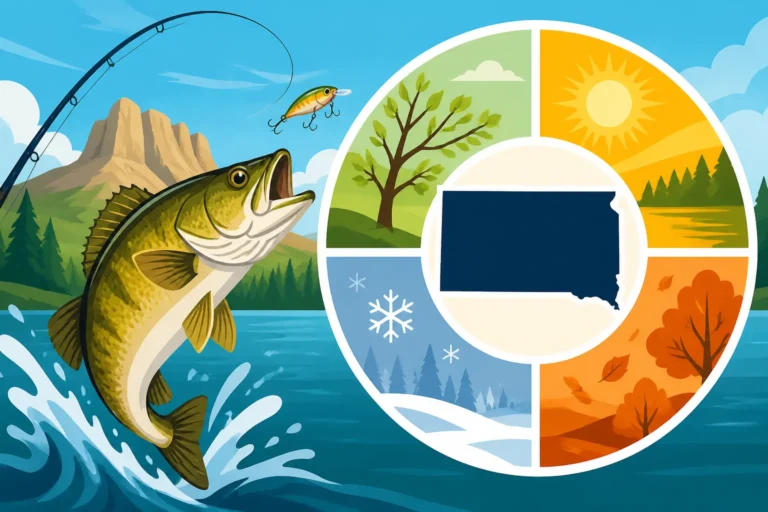
During early fall, you might still find walleyes transitioning from summer patterns, often relating to main lake points, submerged islands, and deeper flats. As the water continues to cool, especially once it dips below 55 degrees Fahrenheit, many walleyes will push towards shallower, often rocky areas or even main lake basins where schools of baitfish are thick. They are driven by the need to consume as many calories as possible. This means they're often less finicky about presentation and more about finding a substantial meal. Understanding these movements is crucial because it dictates not only where you'll find them but also what kind of presentation they'll react to. For a broader perspective on the seasonal changes, take a look at our comprehensive guide on South Dakota Fishing Seasons Explained.
Key Depths and Structures to Target
Lake Oahe is an enormous reservoir, stretching over 200 miles with a complex underwater topography of old river channels, submerged towns, countless points, bays, and vast flats. In the fall, walleyes can be found in a variety of these structures, but certain types tend to hold them more reliably. Early fall might see fish still holding to deeper summer structure, but as the season progresses, they'll often move shallower to chase bait.
- Main Lake Points and Humps: These are always prime real estate for walleyes, acting as ambush points for migrating baitfish. Look for points that drop off quickly into deeper water or have nearby access to the old river channel. Submerged humps, especially those with rock or gravel tops, can be magnets for walleyes looking to feed.
- Bays and Flats with Forage: As baitfish move into shallower bays or spread across large flats, walleyes will follow. These areas often warm up slightly faster on sunny fall days, drawing bait. Look for subtle depth changes, weed lines (if present), or areas with a mix of rock and mud.
- Old River Channel Edges: The original Missouri River channel running through Lake Oahe is a highway for fish. Walleyes will often relate to the breaks and edges of this channel, especially where it snakes close to points or structural features. Targeting these edges can be highly effective, especially with trolling presentations.
- Tailwaters and Dam Areas: Below Oahe Dam, the current-swept tailwaters can be phenomenal for fall walleyes, as the constant flow disorients baitfish and concentrates walleyes. These areas offer consistent oxygen and food sources, making them productive even into late fall.
Using your electronics to pinpoint baitfish schools is paramount. If you see clouds of bait, walleyes are likely nearby, often positioned slightly below or on the edges of the bait ball, waiting to strike. Consulting South Dakota Fishing Depth Charts by Season can also give you a head start on where to focus your efforts.
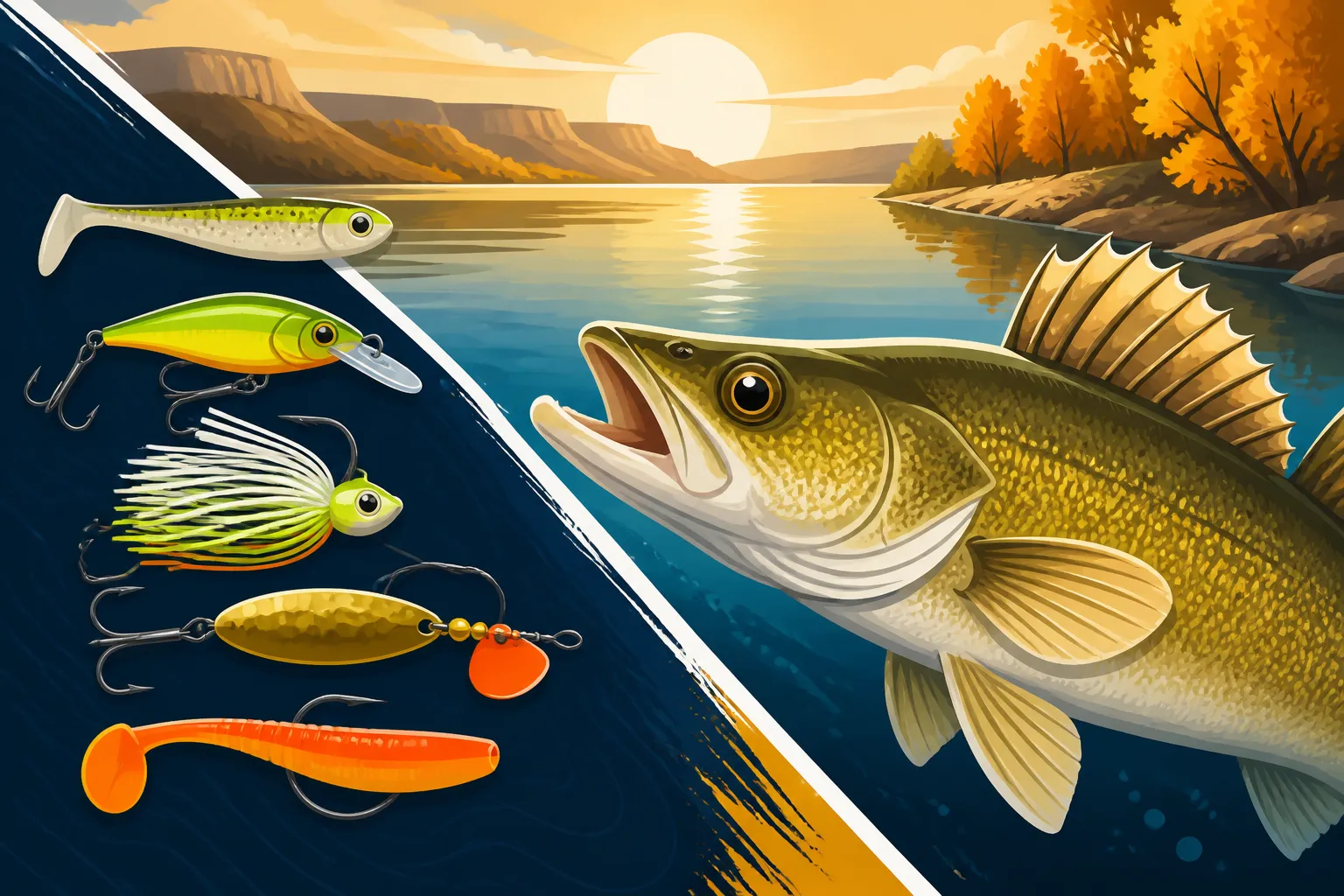
Top Lure Categories for Fall Walleye on Lake Oahe
When the walleyes are in their fall feeding mode, they're often looking for a substantial meal, and they're less likely to be put off by larger presentations. This is the time to put away some of your finesse summer tackle and bring out the heavy hitters.
Crankbaits for Trolling and Casting
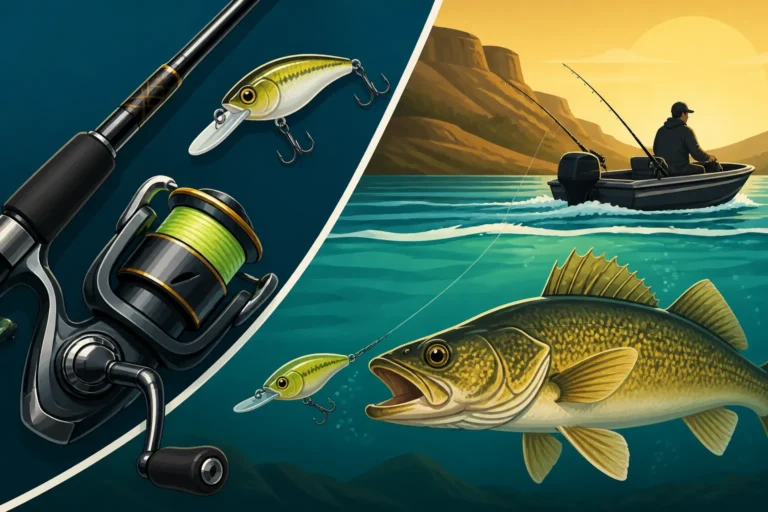
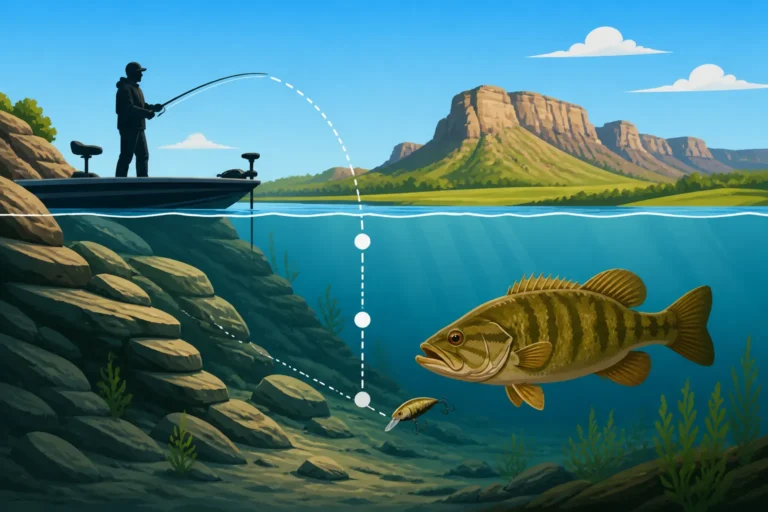
Crankbaits are absolutely deadly for fall walleye on Lake Oahe, especially when trolling. They excel at covering vast amounts of water, which is essential when fish are on the move and scattered. Trolling allows you to present your lure at a consistent depth and speed, mimicking a fleeing baitfish and triggering aggressive strikes.
- Deep-Diving Crankbaits: These are your bread and butter for covering main lake points, channel edges, and deeper flats. Lures like the Berkley Flicker Shad in sizes 7, 9, or even 11, or Rapala Deep Husky Jerks, are perennial favorites. The key is to match the crankbait's diving depth to the depth where you're marking fish or bait. Often, a longer retrieve or a specific trolling speed (check out Best Trolling Speed for Walleye) will get these baits down to the desired depth. Consider buying a variety of these on Amazon to cover different depth ranges.
- Colors: Natural baitfish patterns like perch, shad, or cisco are always good bets. However, don't shy away from brighter, more aggressive colors like firetiger or hot pink, especially on overcast days or in stained water.
- Application: Troll these parallel to channel breaks, over humps, or across flats where you've marked fish. Vary your speed and incorporate turns to make the lure erratic, often triggering following fish to strike. Understanding How to Troll Crankbaits for Walleye effectively can make all the difference.
- Shallow-Running Crankbaits: Don't forget these for early morning or late evening pushes into shallower bays or along rip-rap shorelines. Smaller, shallower-diving crankbaits can be cast effectively in these areas. Walleyes will often move surprisingly shallow to chase bait during low light conditions.
Jigs and Soft Plastics
Jigging is a classic walleye technique that truly shines in the fall, especially when fish are concentrated on specific structures or when you've pinpointed a school. The vertical presentation allows for precise targeting, and the ability to impart varying actions makes it incredibly versatile.
- Traditional Jigs with Live Bait: A simple jig head tipped with a minnow or a chunk of nightcrawler is still one of the most effective presentations for fall walleyes, especially when they're a bit more lethargic. Minnows like shiners or fatheads are excellent choices.
- Jig Heads: 1/4 oz to 1/2 oz jigs are common, with heavier options for deeper water or strong currents (like below the dam). Try an assortment of colors; chartreuse, orange, and white are often reliable.
- Application: Vertically jig these over humps, points, or along channel edges. Let the jig hit the bottom, then lift it a few inches and let it fall back. Experiment with the height and speed of your jigging motion.
- Jigs with Soft Plastics: When walleyes are more aggressive, or you want to cover water more efficiently, soft plastics can outperform live bait. Paddle-tail swimbaits (like the Keitech Swing Impact or Kalin's Sizmic Shad) ranging from 3 to 5 inches, or straight-tail worms (like a Berkley Gulp! Alive! Minnow or similar) are excellent choices.
- Colors: White, chartreuse, natural shad, and darker colors like motor oil or pumpkinseed can all be effective. It often depends on water clarity and light conditions.
- Application: Rig these on a jig head and cast them out, working them back with a lift-fall retrieve. You can also vertical jig them, especially if you're marking fish directly below the boat. The erratic action of a soft plastic can often trigger a reaction strike from a hesitant walleye. Many anglers find great success with these options, readily available on Amazon.
- You might also find success using a combination of jigging techniques for Missouri River Walleye, particularly in areas with current.
Blade Baits and Spoons
These lures excel at imitating dying baitfish, and their flash and vibration can be irresistible to hungry fall walleyes. They are particularly effective when fish are deeper or when you're trying to provoke a reaction strike.
- Blade Baits: Lures like a Johnson ThinFisher or a Cicada Blade Bait are excellent for vertical jigging over schools of fish. Their unique vibration and metallic flash can call in walleyes from a distance.
- Colors: Chrome, gold, and firetiger are popular choices.
- Application: Drop the blade bait to the bottom, then snap it up sharply a foot or two, letting it fall back on a semi-slack line. Most strikes happen on the fall, so pay close attention. This technique is fantastic for pinpointing active fish on specific pieces of structure.
- Spoons: Casting spoons (like a Little Cleo or a Kastmaster) can be effective when walleyes are feeding aggressively on baitfish, especially in shallower water or around schooling bait. Jigging spoons (like a Northland Buck-Shot Rattle Spoon) are great for vertical presentations.
- Colors: Silver, gold, and bright colors work well.
- Application: For casting spoons, cast and retrieve with a sweeping motion, allowing the spoon to flutter on the fall. For jigging spoons, use a similar vertical presentation to blade baits. The flash and flutter mimic a wounded baitfish, making them an excellent choice for hungry walleyes. Check out some highly-rated options for Best Lures for South Dakota Walleye to expand your tackle box.
Advanced Tips for Lure Presentation and Selection
Having the right lures is only half the battle. Knowing how and when to present them, and how to adapt your choices to changing conditions, is what truly separates successful fall anglers from the rest.
Matching the Hatch and Water Conditions
"Matching the hatch" isn't just for fly fishing; it applies directly to lure selection for walleyes. Take a moment to observe what baitfish are prevalent in Lake Oahe during the fall. Are there large schools of smelt or ciscoes? Are perch abundant in certain areas? Your lure choices should reflect the size, shape, and color of the primary forage.
- Size Matters: If walleyes are keying in on large baitfish, don't be afraid to throw larger crankbaits or swimbaits. Conversely, if they're feeding on smaller prey, scale down your presentation. Fall is often a time for bigger baits, as walleyes are trying to pack on weight.
- Color Adaptation: Water clarity and light conditions play a huge role. In clear water, natural colors that mimic baitfish are often best. On overcast days or in stained water, brighter, more aggressive colors like chartreuse, firetiger, or hot orange can be more visible and provoke strikes. Some anglers even swear by UV-enhanced lures, especially for deeper water. You can find a vast array of colors and sizes for all these lure types on platforms like Amazon.
- Retrieve Speed: Walleyes are cold-blooded, and their metabolism slows as the water gets colder. While they're aggressive in the fall, they might prefer a slightly slower, more deliberate retrieve than in summer. Experiment with different speeds until you find what triggers bites. Sometimes, a subtle pause or an erratic twitch can make all the difference. For more detailed insights into walleye behavior, our South Dakota Walleye Fishing Guide offers a deep dive.
Experimentation and Electronics
Fishing, especially for fall walleyes on Lake Oahe, is rarely a "one size fits all" endeavor. The most successful anglers are those who are willing to experiment and use their tools to their full potential.
- Don't Be Afraid to Change: If what you're doing isn't working after 15-20 minutes in a productive area, change something. Change your lure color, size, type, or even your presentation speed. Sometimes a subtle tweak is all it takes to unlock the bite.
- Utilize Your Electronics: A good fish finder is your best friend on Lake Oahe, especially in the fall. Use it to locate baitfish schools, identify prominent structures, and mark individual walleyes. Pay attention to the depths where you're seeing fish. Modern electronics with side imaging and down imaging can reveal hidden structure and fish that traditional sonar might miss. Learning How to Read a Fish Finder for Walleye is a skill that will pay dividends.
- GPS for Marking Waypoints: Once you find a productive spot, mark it on your GPS. Walleyes often return to similar locations year after year, or even day after day, if conditions are favorable. Building a mental (and digital) map of productive fall spots will serve you well for future trips. Don't forget, having the Best Electronics for Finding Winter Walleye can also be beneficial as fall transitions into the colder months.
- Go Beyond the Conventional: While crankbaits and jigs are staples, consider lesser-used lures like umbrella rigs or even larger swimbait presentations if you're targeting truly giant walleyes. Sometimes the unexpected is what catches the eye of a wary trophy fish.
Essential Gear Beyond the Lures
While the right lure is critical, it's part of a larger system. Having the appropriate rods, reels, line, and especially a reliable fish finder, will significantly increase your success when chasing fall walleyes on Lake Oahe.
Rods, Reels, and Line for Fall Walleye
Your setup should be robust enough to handle potentially large walleyes and the various presentations you'll be using.
- Rods: For trolling crankbaits, a medium-heavy action rod, usually 7 to 8.5 feet long, with a moderate or moderate-fast taper is ideal. This allows the rod to absorb the shock of a big fish while still providing enough backbone to fight it. For jigging, a sensitive medium-light to medium action spinning rod, 6'6" to 7' long, with a fast action tip, will help you feel those subtle fall bites.
- Reels: Matching your rod is key. For trolling, a sturdy baitcasting reel with a reliable drag system is preferred. For jigging, a smooth spinning reel in the 2500-3000 size range provides excellent line control and sensitivity.
- Line: When trolling, 10-15 lb monofilament or fluorocarbon is common for its stretch and abrasion resistance. Some anglers prefer braided line (20-30 lb) for its sensitivity and no-stretch properties, often paired with a fluorocarbon leader. For jigging, 6-10 lb braided line with a 8-12 lb fluorocarbon leader is a fantastic combination, offering maximum feel for those light bites. A comprehensive South Dakota Fishing Gear Checklist will help ensure you're fully prepared.
The Importance of a Good Fish Finder
We've touched on this already, but it bears repeating: your fish finder is absolutely indispensable for fall walleye fishing on Lake Oahe. This is not the time to guess where the fish are.
- Locating Structure: Use your fish finder's mapping and sonar capabilities to identify main lake points, submerged humps, channel edges, and drop-offs. These are the highways and ambush points for fall walleyes.
- Finding Baitfish: Walleyes go where the food is. If you can locate dense schools of baitfish, you're halfway to finding walleyes. Your sonar will show these as large clouds or arcs.
- Identifying Walleyes: Learn to differentiate walleye arcs from other fish. Walleyes often appear as strong, distinct arcs, sometimes relating directly to the bottom or suspended near baitfish schools. Advanced features like side imaging can help you see fish off to the sides of your boat, not just directly below. Investing in a quality unit, such as those offered by Humminbird or Lowrance, found on Amazon, will significantly enhance your fall walleye success. To become a true expert, consider learning more about specific South Dakota Missouri River Fishing Techniques which heavily rely on advanced electronics.
Disclaimer
Fishing regulations can change, and it's always the angler's responsibility to know and follow the most current rules. Before heading out, please consult the official South Dakota Game, Fish and Parks (GFP) website or their current fishing handbook for the latest information on licenses, limits, and specific regulations for Lake Oahe and other waters. This guide is for informational purposes only and does not supersede official regulations.