South Dakota Fish Consumption Advisory for Lake Oahe
It’s a fantastic feeling to reel in a beautiful fish from Lake Oahe, whether it’s a big walleye or a powerful salmon. But after the excitement, a common question often pops into anglers' minds: "Is this fish safe to eat?" Concerns about contaminants and official advisories can sometimes take the joy out of planning that fresh fish dinner. This guide is here to demystify the South Dakota fish consumption advisory for Lake Oahe, helping you understand what it means, why it exists, and how to make confident, informed decisions about enjoying your catch.
Understanding Fish Consumption Advisories in South Dakota
There's a lot of talk out there about fish consumption advisories, and it's easy for the information to get a little muddled. Let's clear the waters a bit and understand the big picture before we dive into the specifics of Lake Oahe.
Why Advisories Exist and What They Mean
Think of a fish consumption advisory not as a ban, but as a friendly recommendation from health and wildlife experts. These advisories are put in place primarily to protect public health. The South Dakota Game, Fish and Parks (GFP), often in conjunction with state health departments, monitors fish populations in various bodies of water for the presence of certain contaminants. When levels of these substances reach a point where regular, high consumption might pose a risk, they issue an advisory.
It's a proactive measure designed to ensure that anglers and their families can continue to enjoy the nutritional benefits of eating fish while minimizing potential exposure to harmful chemicals. These advisories are based on extensive scientific studies and often consider different risk groups, such as pregnant women, nursing mothers, and young children, who might be more susceptible to certain contaminants. It's really about giving you the knowledge to make smart choices for your dinner table.
Common Contaminants Found in Fish
When we talk about fish contaminants, a couple of heavy hitters often come up: mercury and polychlorinated biphenyls (PCBs). These aren't just random chemicals; they're substances that can accumulate in the environment and, subsequently, in the fish we catch.
Mercury, often released into the environment from industrial processes and natural sources, makes its way into waterways. Small organisms absorb it, then small fish eat those organisms, and bigger fish eat the smaller fish. This process, called bioaccumulation, means that older, larger predatory fish tend to have higher levels of mercury in their tissues. PCBs are industrial chemicals that were widely used in the past but have since been banned due to their persistence in the environment. Like mercury, they can accumulate in fish, particularly in fatty tissues. Other contaminants, though less common in broad advisories, might include pesticides or other industrial compounds, depending on the specific history and surrounding land use of a particular water body. The goal of monitoring is to identify which contaminants are present and in what concentrations, allowing for tailored advice.
How the South Dakota GFP Issues Advisories
The South Dakota Game, Fish and Parks plays a crucial role in safeguarding both our fisheries and our health. Their process for issuing advisories is quite rigorous. It starts with regular fish sampling across various lakes and rivers, including Lake Oahe. Biologists collect fish of different species and sizes, which are then sent to specialized labs for analysis. These labs test fish tissue for a range of potential contaminants, meticulously measuring the levels present.
Once the data is collected and analyzed, it's compared against established health guidelines. These guidelines consider factors like the toxicity of the contaminant, typical fish consumption rates, and the sensitivity of different populations. If the levels exceed certain thresholds, the GFP, often collaborating with state health officials, will then formulate and issue a fish consumption advisory. These advisories are dynamic; they can change as new data emerges, environmental conditions shift, or contaminant levels naturally decrease over time. They are communicated to the public through various channels, often including their official website, press releases, and publications like the South Dakota GFP Fishing Handbook Guide. Keeping an eye on these official sources is always your best bet for the most up-to-date information.
The Specifics of Lake Oahe's Fish Consumption Advisory
Lake Oahe, being one of the largest reservoirs in the country and a prime fishing destination in South Dakota, naturally receives a lot of attention when it comes to fish health. It’s important to understand that advisories aren't a blanket statement for all fish in the lake but often target specific species and sizes due to how contaminants accumulate.
Key Species Affected and Recommended Limits
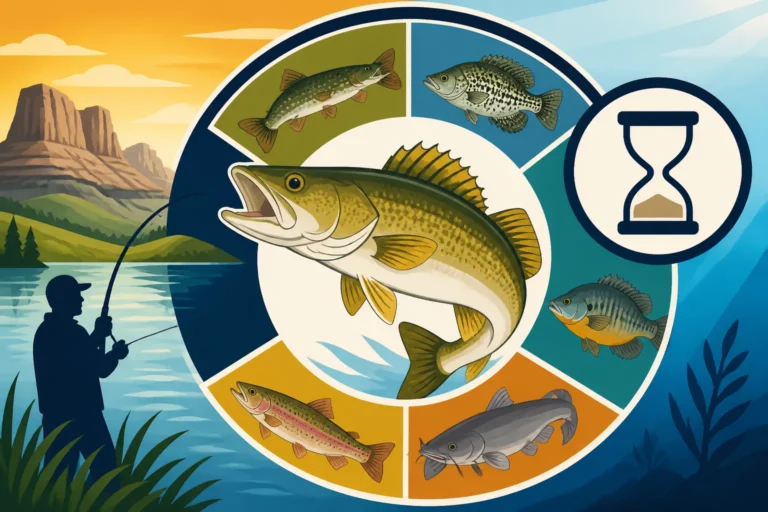
When you look at Lake Oahe's advisory, you’ll typically see attention paid to popular sportfish. For example, walleye, northern pike, and even Chinook salmon are often mentioned. These are generally predatory fish higher up the food chain, meaning they consume smaller fish that may have already absorbed contaminants. Larger, older fish within these species tend to accumulate more contaminants over their longer lifespans.
The recommendations themselves usually outline different consumption levels for the general population versus sensitive groups. For instance, an advisory might suggest that healthy adults can safely consume a certain species of fish once or twice a week. However, for pregnant women, women who may become pregnant, nursing mothers, and young children, the recommendation could be much more stringent – perhaps limiting consumption to a meal or two per month, or even suggesting they avoid certain species or sizes altogether. These differences reflect the varying vulnerability of these groups to potential health effects. It's not about prohibiting fishing or eating, but about smart, moderated consumption. You might consider checking out articles like South Dakota Walleye Limits or South Dakota Northern Pike Limits to understand the typical sizes and species caught.
Understanding Different Advisory Categories
Fish consumption advisories aren't one-size-fits-all. They usually break down into different categories to provide nuanced guidance. While the exact wording might vary slightly by state or specific advisory, they generally follow a pattern:
- No Advisory / Unlimited Consumption: This means that based on current testing, the levels of contaminants in fish from that specific body of water are well within safe limits, and there are no restrictions on how much you can eat for any population group. These are often smaller, less predatory fish or waters with minimal contaminant presence.
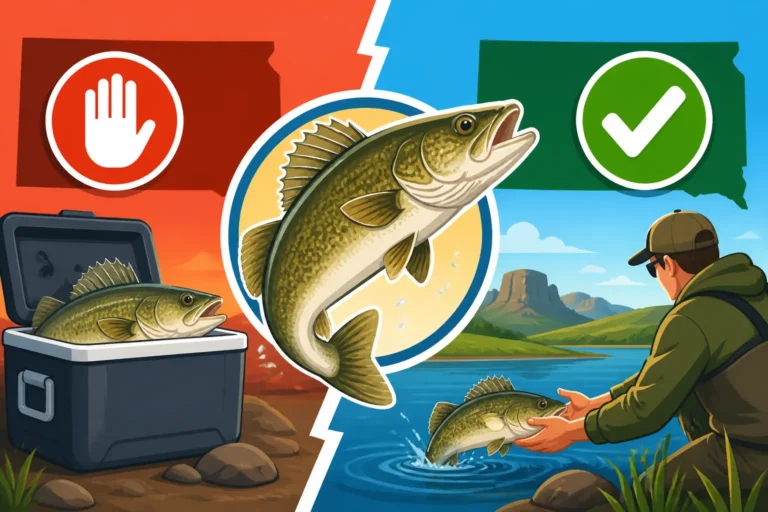
- Limited Consumption: This is the most common type of advisory. It suggests that while fish from this water body are generally safe, consumption should be limited to a certain number of meals per week or month, especially for sensitive groups. For example, a particular fish species might be recommended for no more than one meal per week for the general public, but perhaps one meal per month for children or pregnant women. The details will always be outlined in the official advisory.
- Do Not Consume: This is the most serious advisory, indicating that contaminant levels are high enough that eating fish from that particular water body or a specific species is not recommended for anyone. Fortunately, these are far less common, especially in major recreational fisheries like Lake Oahe.
It’s also important to remember that these advisories often differ by fish species and size. A large South Dakota Chinook Salmon Regulations might have a different advisory than a small crappie, for instance, due to differences in diet and lifespan.
Here's a simplified table illustrating how these categories might be structured:
| Advisory Category | General Population Recommendation | Sensitive Groups Recommendation (Pregnant/Nursing/Children) |
|---|---|---|
| No Advisory | Unlimited meals | Unlimited meals |
| Limited Consumption | 1-2 meals per week (species dependent) | 1-2 meals per month (species dependent) |
| Do Not Consume | Avoid entirely | Avoid entirely |
(Note: These are illustrative examples. Always refer to the official South Dakota GFP advisory for precise recommendations.)
Factors Influencing Contaminant Levels in Lake Oahe Fish
Contaminant levels in fish aren't static; they can be influenced by several factors, making specific advisories a complex but necessary tool. Understanding these factors can give you a deeper appreciation for why certain guidelines are in place.
One major factor is the age and size of the fish. As mentioned earlier, older, larger fish have had more time to accumulate contaminants like mercury in their tissues. A 25-inch walleye, for example, is likely to have higher levels than a 15-inch walleye from the same water. This is why advisories often specify limits based on fish length or weight. Similarly, the species of fish plays a critical role. Predatory fish, such as walleye, northern pike, and salmon, which eat other fish, tend to accumulate more contaminants than bottom-feeders or those that primarily eat insects and aquatic plants. For instance, you might find different recommendations for Catfish Limits and Size Rules compared to a pelagic species like salmon.
The diet of the fish directly impacts what contaminants they might accumulate. South Dakota Fish Species Diet by Season can vary, and if their primary food source has higher levels of a contaminant, so too will the fish that eat them. Finally, even location within a large body of water like Lake Oahe can sometimes play a minor role, though advisories are generally broad for such vast reservoirs. These variables mean that while a general advisory for Lake Oahe exists, it’s often broken down further to give you the most accurate advice possible.
Making Informed Choices About Eating Fish From Lake Oahe
The goal here isn't to scare you away from eating fish from Lake Oahe; it's to empower you with knowledge. Fish are a fantastic source of lean protein, omega-3 fatty acids, and other vital nutrients. The key is knowing how to enjoy them responsibly, especially when advisories are in place.
Practical Tips for Reducing Exposure
Even if you're fishing in waters with advisories, there are practical steps you can take to reduce your potential exposure to contaminants, making your meal even safer and more enjoyable.
One of the most effective methods, especially for contaminants like PCBs that tend to accumulate in fatty tissues, is proper fish cleaning and preparation. When you’re filleting your catch, make sure to remove the skin, trim off all visible fat (including the belly fat), and discard the internal organs. These are the areas where many contaminants concentrate. A sharp, reliable fillet knife – perhaps one you picked up from Amazon – makes this task much easier and more efficient. Additionally, certain cooking methods can help. Broiling, baking, or grilling fish on a rack allows fat to drip away, further reducing your exposure. Frying, on the other hand, tends to seal in the fats and any associated contaminants.
Another smart strategy is to vary your fish sources. Don't eat the same type of fish from the same body of water every single time. Mix it up! Fish different species, if allowed, or source fish from different lakes and rivers that might have different advisory statuses. This diversification helps ensure you're not consistently exposed to the same contaminants. It’s also wise to choose smaller, younger fish within a species when an advisory is based on size, as these generally have lower contaminant levels. For example, if you're out chasing South Dakota Walleye Limits, and there's a size-based advisory, opting for fish just within the legal slot limit rather than the absolute largest trophy might be a healthier choice if consumption is your primary goal.
Where to Find the Latest Official Information
Let's be honest, advisories can change, and trying to keep up with every single update can feel like a full-time job. But it's absolutely crucial to get your information from official, current sources. Relying on outdated reports or hearsay can lead to misinformation, which is the last thing you want when it comes to your health.
The absolute best place to find the most up-to-date and accurate fish consumption advisories for Lake Oahe and other South Dakota waters is the official South Dakota Game, Fish and Parks (GFP) website. They are the primary authority responsible for monitoring fish health and issuing these guidelines. A quick search for "South Dakota GFP fish consumption advisory" will usually take you right to their dedicated page. They often provide detailed documents that list specific lakes, fish species, size categories, and the recommended consumption limits for different groups. Additionally, you might find valuable general information on fish species and identification, which can be super helpful. For instance, knowing How to Tell a Walleye From a Sauger can be important if one species has a different advisory than another. Sometimes, local county health departments might also provide supplementary information, but the GFP is your go-to for fisheries-specific data.
Balancing Health Benefits with Potential Risks
It’s easy to get caught up in the "risk" side of fish consumption, but let's not forget the incredible health benefits that fish, including those from Lake Oahe, offer! Fish are nutritional powerhouses, packed with lean protein, essential vitamins and minerals, and those coveted omega-3 fatty acids. Omega-3s are particularly beneficial for heart health, brain function, and overall well-being. Avoiding fish entirely means missing out on these significant dietary advantages.
The key, then, is to practice informed moderation. Don't let advisories scare you away from enjoying a delicious and healthy meal. Instead, use the information to make smart choices. If an advisory suggests limiting consumption of a particular fish, heed that advice. Perhaps you'll still enjoy that Lake Oahe walleye, but instead of three meals a week, you'll have one, supplementing your diet with other lean proteins or fish from different, unaffected sources. Understanding the advisory is about finding that sweet spot where you maximize the nutritional benefits while minimizing any potential risks. Think about it as part of your overall healthy lifestyle – knowing your food, where it comes from, and how to best prepare it for your family. A good cooler, like those you can find on Amazon, will help you keep your catch fresh until you can properly clean it using techniques you might have learned from a guide like Best Way to Clean a Walleye.
Remember, fishing is a fantastic recreational activity and a way to connect with nature. Eating your catch can be part of that experience. Armed with the right information, you can continue to enjoy both the sport and the bounty of South Dakota's beautiful waters.
Disclaimer
This article is for general informational purposes only and does not constitute professional advice. Laws, prices and regulations vary by location and change over time. Consult a qualified professional for guidance on your specific situation.