Number of Eggs a Female Walleye Lays
Have you ever reeled in a robust female walleye, her belly full, and found yourself pondering just how many future generations of fish she might represent? It’s a natural curiosity that often sparks in an angler's mind, particularly as spring approaches and the spawn becomes imminent. Understanding the incredible reproductive capacity of these prized fish is more than just a biological fact; it’s fundamental to appreciating their vital role in South Dakota’s vibrant fisheries and reinforces the importance of practicing responsible angling. This guide will take a deep dive into the fascinating world of walleye reproduction, focusing on the sheer number of eggs a female can lay and what factors influence this remarkable feat.
The Incredible Reproductive Capacity of a Female Walleye
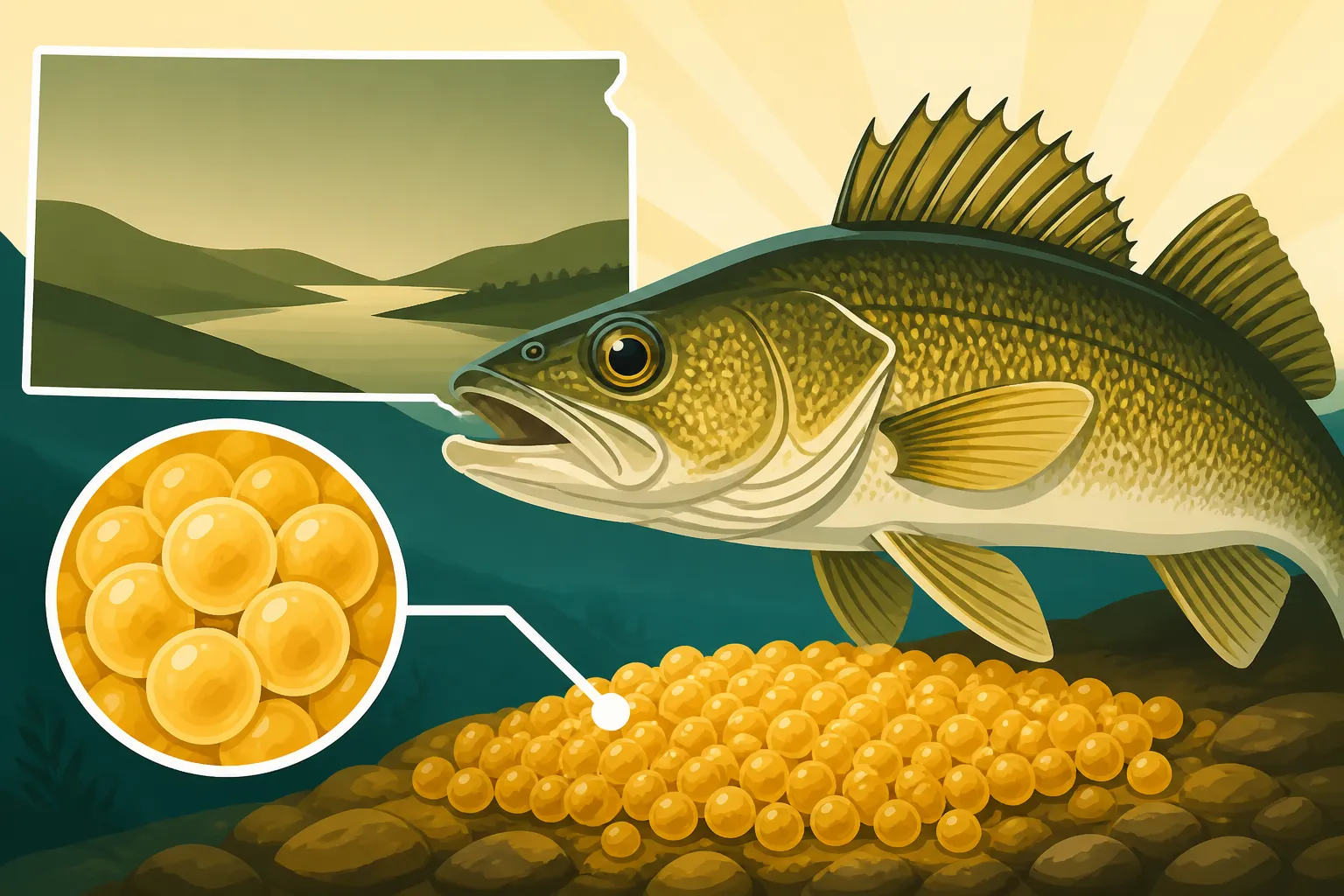
When we talk about the number of eggs a female walleye lays, we're not just looking for a single, static number. The truth is, it's a fascinating range, often contingent on a variety of factors. But let me tell you, it's a lot! We're talking about thousands, even hundreds of thousands, of eggs from a single fish. It's truly a testament to nature's way of ensuring the survival of a species. This abundance is a key reason why walleye populations, despite intense fishing pressure, can remain so robust in waters like Lake Oahe and Lake Sharpe.
Why Walleye Lay So Many Eggs
It might seem excessive for a fish to produce such a staggering number of eggs, but it's a survival strategy born out of necessity in the wild. Think about all the dangers lurking in our South Dakota waters. From the moment they're laid, walleye eggs face an onslaught of challenges. Many eggs simply won't survive to hatching. They might be eaten by other fish, swept away by currents, succumb to temperature fluctuations, or fall victim to various fungi and bacteria. It's a tough world out there for a tiny egg!
Once hatched, the vulnerable fry face even more predators – everything from minnows and larger fish to birds and insects. Very few will make it to adulthood. By laying tens of thousands, or even hundreds of thousands of eggs, a female walleye dramatically increases the odds that at least a small percentage will survive, grow, and eventually contribute to the next generation. It's a numbers game, and walleye play it well. If you're curious about the overall health of these populations, understanding South Dakota Fish Stocking Report Basics can give you an even broader picture of how fisheries are managed.
Factors Influencing Egg Count
The exact number of eggs a female walleye produces, known as her fecundity, isn't arbitrary. Several critical factors come into play:
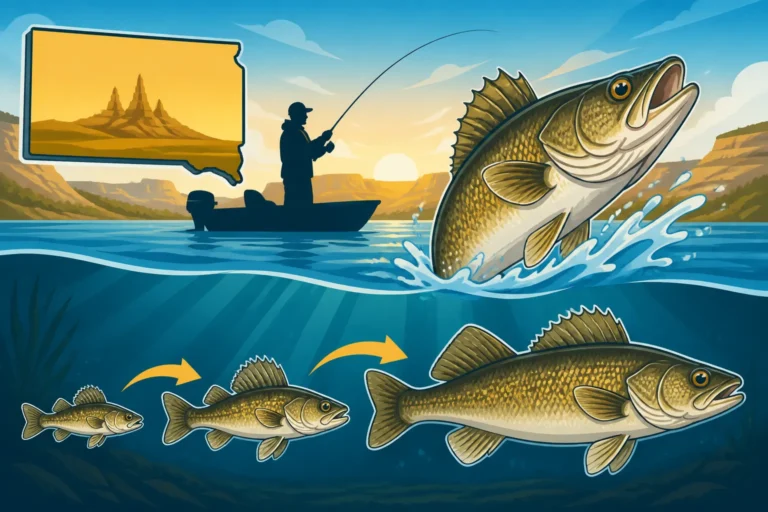
- Size and Age: This is perhaps the most significant factor. Generally, larger, older female walleyes lay significantly more eggs than smaller, younger ones. A young, first-time spawning walleye might lay 50,000 eggs, while a mature, trophy-sized female that has been around for many years could easily produce upwards of 300,000 to 500,000 eggs in a single season. This is why protecting those large, older broodstock fish is so important for the overall health and productivity of the fishery. We often talk about Lake Oahe Walleye Size and Growth Rate – and larger fish mean more eggs!
- Health and Nutritional Status: A healthy walleye with access to abundant forage will be in better physical condition and thus capable of producing more eggs. If a female walleye has struggled to find food, or has been stressed by environmental conditions, her egg production might be significantly lower. Think about it: creating hundreds of thousands of eggs takes a tremendous amount of energy and resources.
- Environmental Conditions: Water quality, temperature stability, and oxygen levels during the period leading up to and during the spawn can all impact egg development and overall fecundity. Stressful conditions can reduce the number and viability of eggs.
- Species and Genetics: While we're focusing on walleye, it's worth noting that variations can exist even within a species, and different fish species have different reproductive strategies. However, for walleye in South Dakota, the primary drivers are age, size, and health.
To give you a clearer picture, here's a general idea of how egg production can correlate with a female walleye's size:
| Length (inches) | Weight (pounds) | Estimated Number of Eggs |
|---|---|---|
| 16-20 | 1.5-2.5 | 50,000 – 100,000 |
| 20-25 | 2.5-5 | 100,000 – 250,000 |
| 25-30+ | 5-10+ | 250,000 – 500,000+ |
Please remember these are general estimates, and actual numbers can vary greatly.
The Walleye Spawning Process in South Dakota Waters
Understanding how many eggs a female walleye lays is one thing, but knowing where and when she lays them is crucial for both conservation and successful angling. The spawning process is a delicate dance, heavily influenced by the specific conditions of South Dakota's diverse waterways. This natural event is a cornerstone of our fisheries and happens with remarkable precision.
Ideal Spawning Conditions
Walleye are quite particular when it comes to laying their precious cargo. In South Dakota, this typically occurs in the early spring, soon after the ice recedes and water temperatures begin their gradual climb. If you want to know When Walleye Spawn in South Dakota, pay close attention to the water thermometer!
- Temperature is Key: Walleyes are cold-water spawners, meaning they seek out specific water temperatures to begin their reproductive cycle. In South Dakota, this usually means temperatures between 40 to 50 degrees Fahrenheit (4 to 10 degrees Celsius). This narrow window is critical for egg development and the survival of the newly hatched fry. Too cold, and the eggs might not develop; too warm, and they can be vulnerable to disease or rapid predation. For more specific details, you should definitely check out Water Temperature That Triggers Walleye Spawning.
- Substrate Matters: Walleye prefer specific types of bottom composition for egg deposition. They are "broadcast spawners" and typically seek out shallow, rocky areas, gravel shoals, or riprap (like the kind you find along dam faces or causeways). These hard substrates allow the eggs to settle into crevices, providing some protection from currents and predators, and ensuring good water circulation to keep them oxygenated. You won't often find them laying eggs in soft, muddy bottoms.
- Location, Location, Location: In expansive waters like the Missouri River reservoirs (Lake Oahe, Lake Sharpe, Lake Francis Case, and Lewis and Clark Lake), walleye will often move into tributary rivers, shallow bays, or along shorelines where these ideal rocky or gravelly conditions exist. They might even spawn directly in the main channel in areas with appropriate flow and substrate. This makes certain areas prime spots for both spawning and, consequently, early-season fishing if done responsibly. Knowing the prime areas is a big part of the South Dakota Walleye Fishing Guide.
The Spawning Ritual
The actual spawning ritual is quite a spectacle, though often unseen by human eyes as it frequently occurs at night. Once the ideal conditions are met, male walleyes, which typically mature faster and are smaller than females, will move into the spawning areas first. They often arrive days or even weeks before the females, waiting for their larger counterparts.
When the females arrive, they release their eggs in bursts over the chosen substrate. The eggs are slightly adhesive, allowing them to stick to rocks and gravel, preventing them from being swept away. Immediately, one or more males will release their milt (sperm) over the eggs, fertilizing them externally. There's no nest building or parental care involved; once the eggs are laid and fertilized, the adult walleye typically disperse from the spawning grounds. This "leave and let hatch" strategy is common among many broadcast spawners. For anglers, this means that while fish are concentrated, they are also at their most vulnerable. Respecting the local South Dakota Fishing Regulations Explained during this period is paramount.
From Egg to Fry: The Journey and Its Challenges
After the eggs are laid, a whole new journey begins, fraught with peril. Understanding this delicate phase can give you a profound appreciation for every walleye you catch and why conservation efforts are so important. It's a miracle of nature that any make it through!
Egg Development and Hatching
Once fertilized, walleye eggs begin their incubation period, which is highly dependent on water temperature. In colder water, development is slower, taking several weeks. As the water warms, the process speeds up. Typically, walleye eggs will hatch within 10 to 20 days.
During this incubation, the eggs are incredibly fragile. They need consistent oxygen flow, and sudden, drastic changes in water temperature can be devastating. They're also a tasty snack for a myriad of aquatic creatures, from crayfish to various species of minnows and panfish. Even fungi can be a major threat, particularly in areas with poor water circulation. It's a critical, vulnerable stage, and the success of a year's hatch often dictates the strength of future walleye populations. For those looking to learn more about fish biology, there are many excellent books on ichthyology available on platforms like Amazon that delve into these fascinating developmental stages.
Early Life Survival Rates
The moment a tiny walleye fry wiggles free from its egg, it faces an even more challenging world. These newly hatched fish are minuscule and largely helpless, drifting in the water column and relying on their yolk sac for initial nourishment. Once the yolk sac is absorbed, they must immediately find microscopic food sources, primarily zooplankton.
The survival rate during this fry stage is incredibly low. A tiny percentage, often less than 1% of the original eggs laid, will survive to become juvenile fish. The sheer number of predators is staggering:
- Larger Fish: Almost any larger fish, including adult walleye, northern pike, smallmouth bass, and even panfish, will readily consume walleye fry.
- Birds: Diving birds like cormorants and mergansers can decimate large schools of fry.
- Insects: Aquatic insects and their larvae are also opportunistic predators.
- Environmental Factors: Poor water quality, sudden cold snaps, lack of food, or strong currents can all lead to mass mortality.
This incredibly high mortality rate in the early stages is the fundamental reason why female walleyes must lay so many eggs. It's a grim but effective evolutionary strategy. In some areas, South Dakota Fish Stocking Report Basics will show how stocking efforts by the Game, Fish and Parks (GFP) play a vital role in supplementing natural reproduction, especially in waters where natural hatch rates might be insufficient to maintain desired population levels.
Angler's Role in Walleye Conservation
As anglers, we have a profound connection to these fish and a responsibility to ensure their future. Understanding the sheer number of eggs a female walleye lays really hammers home how important it is to treat these fish with respect, especially during vulnerable times.
Respecting Spawning Season
While walleye are often concentrated and easier to catch during or immediately after the spawn, this is also a time when they are most vulnerable. Many anglers choose to avoid targeting spawning areas entirely, or at least practice extreme care and catch-and-release when fishing during this period.
- Handle with Care: If you do catch a walleye during the spawn, especially a gravid female (one full of eggs), handle her gently. Minimize her time out of the water, support her belly to protect her organs and eggs, and release her quickly. Investing in proper catch-and-release tools, like a wide, knotless rubber net (many great options are available on Amazon), can significantly reduce stress and injury to the fish.
- Follow Regulations: Pay close attention to South Dakota Fishing Regulations Explained and any specific rules that might be in place for certain bodies of water during the spawning period. Some areas may have temporary closures, slot limits, or reduced daily limits designed to protect spawning fish. For instance, understanding South Dakota Walleye Limits is not just about avoiding a fine, it's about being a responsible steward of the resource.
- Practice Selective Harvest: If you decide to keep fish, consider harvesting smaller, younger males rather than large females, especially during the pre-spawn or post-spawn periods when those big females are either preparing to lay or recovering from the energy expenditure. Those larger females are the most productive egg layers, and their contribution to the fishery is immense.
Understanding Local Management Efforts
The South Dakota Game, Fish and Parks (GFP) works tirelessly to manage and conserve walleye populations. Their efforts are directly tied to understanding reproductive success and survival rates.
- Slot Limits and Bag Limits: Regulations like slot limits (e.g., a specific size range of fish you must release) are often implemented to protect those prime, middle-aged females that are the most prolific spawners. Daily and possession limits are set to ensure that overall harvest doesn't deplete the breeding stock. These rules are crucial for maintaining healthy populations year after year, especially when you consider South Dakota Fishing License Costs directly fund these conservation efforts.
- Habitat Protection: Efforts to protect and restore critical spawning habitat, such as rocky shorelines and gravel beds, are vital. Without suitable places to lay eggs, even the most fecund female walleye won't be able to reproduce successfully.
- Stocking Programs: In some areas, where natural reproduction is limited, the GFP may conduct stocking programs, releasing walleye fry or fingerlings into the water to supplement the wild population. This directly addresses the low survival rates of eggs and very young fish.
By understanding the incredible reproductive journey of the walleye, from the hundreds of thousands of eggs a female lays to the tiny fraction that survive, we gain a deeper appreciation for this amazing fish and our role in ensuring that South Dakota's waters remain vibrant and productive for generations to come. It’s not just about catching fish; it’s about nurturing the entire ecosystem that makes our fishing experiences so rewarding.
Disclaimer
This article is for general informational purposes only and does not constitute professional advice. Laws, prices and regulations vary by location and change over time. Consult a qualified professional for guidance on your specific situation.