South Dakota Fish Stocking Report Basics
It's incredibly frustrating, isn't it? You spend time planning a fishing trip, you get to your favorite lake or stream in South Dakota, and sometimes the fish just aren't biting. It makes you wonder if there are even fish there to begin with! The secret weapon many seasoned anglers use, but rarely talk about, is understanding fish stocking reports. This comprehensive guide will pull back the curtain on South Dakota's fish stocking programs, showing you how to read these reports, what the different terms mean, and how to use this invaluable information to dramatically improve your catch rates.
Why Fish Stocking Matters for Anglers in South Dakota
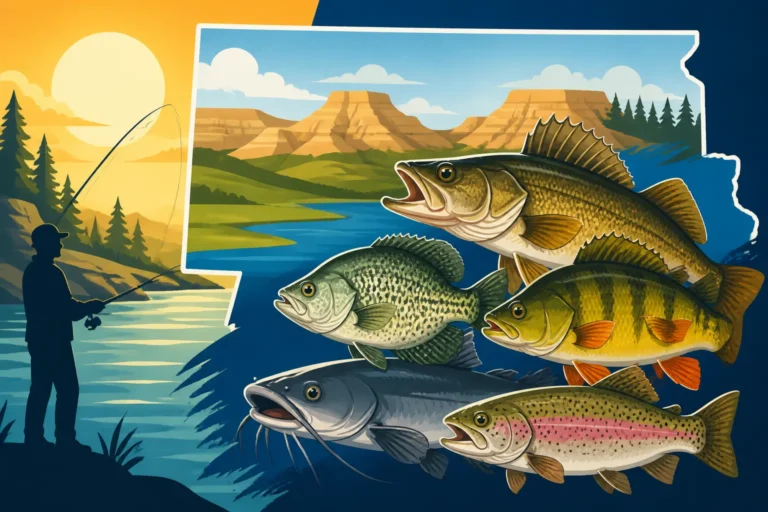
South Dakota is blessed with incredible fishing opportunities, from the sprawling Missouri River reservoirs to the pristine Black Hills streams and the abundant glacial lakes. However, even in such a rich environment, nature sometimes needs a helping hand to ensure consistent and quality fishing experiences. That's where fish stocking comes in, and why understanding it is crucial for every angler.
The Role of Stocking in Maintaining Healthy Fisheries
Think about it: our lakes and rivers face immense pressure. Between natural predators, environmental factors like drought or harsh winters, and of course, us anglers taking fish home, populations can dwindle. Natural reproduction alone can't always keep up with these demands, especially for popular species like walleye or trout that are highly sought after. Stocking helps bridge this gap, ensuring that there's always a healthy population of fish for future generations to enjoy and for us to catch.
Stocking efforts are carefully planned to support and enhance specific fisheries. For example, some lakes might not have the right conditions for certain fish to reproduce naturally, or they might have a high mortality rate for fry. In these cases, stocking ensures that a viable population exists. Without these programs, many of the fantastic fishing destinations we cherish in South Dakota simply wouldn't offer the consistent action we've come to expect. It's an investment in our angling future, safeguarding the biodiversity and abundance that make South Dakota a fishing paradise.
How Stocking Reports Guide Your Fishing Strategy
Imagine knowing that a particular lake just received thousands of young walleye, or that a Black Hills stream was recently replenished with catchable trout. That's the power of stocking reports! This isn't just bureaucratic data; it's a treasure map for anglers. By looking at these reports, you can identify which waters have been recently stocked, what species were introduced, and often, even the size of the fish. This information allows you to make informed decisions about where and when to fish.
For instance, if you see that Lake Oahe received a massive stocking of walleye fingerlings in the spring, you know that in a few years, that lake is going to be absolutely primed for fantastic walleye fishing. Conversely, if you're planning a trip next week and see a report of rainbow trout being stocked in a specific Black Hills creek, you can bet that creek will offer excellent opportunities. South Dakota Fishing Season Dates and Limits often take into account stocking cycles, so aligning your trips with these reports can put you directly where the action is. It's like getting a sneak peek at the fish forecast, helping you to plan your angling adventures more effectively and increase your chances of a successful outing.
Deciphering South Dakota's Fish Stocking Reports
When you first look at a fish stocking report, it might seem like a jumble of numbers and scientific terms. But don't let that intimidate you! Once you understand the basics, these reports become incredibly clear and useful. Knowing how and where to access this information, and what each column means, is the first step to unlocking their full potential.
Where to Find Official Stocking Information
In South Dakota, the primary source for all official fish stocking information is the South Dakota Game, Fish and Parks (GFP) website. This is your go-to hub for reliable and up-to-date data. They typically maintain detailed records, often broken down by species, water body, and year. While you might stumble upon summaries or discussions on local fishing forums or social media groups, always confirm critical details with the official GFP site.
Navigating the GFP website for stocking reports usually involves looking for sections dedicated to "Fisheries," "Fish Stocking," or "Annual Reports." Sometimes, the data might be part of broader fisheries management plans or specific lake reports. It's worth spending a little time exploring their site to familiarize yourself with their layout. They aim to make this information accessible, as it's a vital tool for managing expectations and guiding anglers. You might even find historical data, which can be fascinating for tracking trends and understanding the long-term health of a fishery.
Key Terms and Data Points You'll Encounter
Once you've located a stocking report, you'll see several consistent pieces of information that are crucial to interpret. Let's break down the most common terms:
- Species: This is straightforward – it tells you what kind of fish was stocked. You'll see familiar names like Walleye, Rainbow Trout, Northern Pike, or Chinook Salmon.
- Number Stocked: This figure is exactly what it sounds like: the total count of fish released. It can range from a few hundred for larger, less frequently stocked species to hundreds of thousands or even millions for prolific species like walleye. A higher number generally means a better chance of encountering that species in the future.
- Location: This specifies the exact body of water where the fish were released. It could be a major reservoir like Lake Oahe, a specific Black Hills stream, or a local community pond. Sometimes, it might even pinpoint a particular bay or access point within a larger lake.
- Size/Age Class: This is a critical detail! Fish are often stocked at different life stages:
- Fry: These are newly hatched fish, usually only days or weeks old. They are tiny and have a very high mortality rate, but massive numbers are often stocked.
- Fingerlings: Small fish, typically a few inches long. They've survived the most vulnerable "fry" stage and have a better chance of survival. Many walleye stockings are done with fingerlings.
- Yearlings: Fish that are about a year old, usually 6-10 inches or more. These have an even higher survival rate and will reach catchable size much quicker. Many Black Hills trout streams receive yearling stockings.
- Adult/Catchable Size: These are fish already large enough to be legally harvested, often stocked in community ponds or urban fisheries for immediate angling opportunities.
- Date of Stocking: This tells you exactly when the fish were released. Recent stockings are key for targeting "fresh" fish, especially for catchable-size species. For smaller fish, the date helps you estimate how long it will take for them to grow.
Here's a simplified example of how this might look in a table:
| Date | Species | Size/Age Class | Number Stocked | Water Body | Specific Location |
|---|---|---|---|---|---|
| May 10, Year | Walleye | Fingerling | 250,000 | Lake Sharpe | Below Big Bend Dam |
| June 15, Year | Rainbow Trout | Yearling | 5,000 | Rapid Creek | Cleghorn Springs |
| Sept 20, Year | Chinook Salmon | Fingerling | 100,000 | Lake Oahe | Whitlock Bay |
| Apr 5, Year | Largemouth Bass | Fingerling | 2,000 | Lake Vermillion | State Park Pond |
Understanding these details allows you to not just know that fish were stocked, but to infer when they might be catchable and how to approach fishing for them. It's a fundamental part of South Dakota Fishing Regulations Explained and overall fisheries management.
Understanding Different Types of Stocking Programs
Not all stocking is created equal, and understanding the differences between the types of programs in South Dakota will give you a deeper appreciation for the work involved and a better idea of what to expect when you head out on the water. Fisheries biologists don't just dump fish into a lake; there's a specific science and strategy behind every release.
Maintenance Stocking vs. Supplemental Stocking
The two main philosophies behind fish stocking are maintenance stocking and supplemental stocking, and each serves a distinct purpose in South Dakota's aquatic ecosystems. Knowing the difference can help you gauge the long-term health and potential of a fishery.
Maintenance Stocking is essentially keeping a fishery alive where natural reproduction isn't sufficient or simply doesn't occur. This is often the case for species introduced to waters where they don't naturally reproduce or where conditions prevent successful spawning. A prime example of this in South Dakota is the Chinook salmon in Lake Oahe. These salmon require very specific spawning conditions, and Lake Oahe, while offering excellent growth habitat, lacks suitable natural spawning grounds. Therefore, the entire salmon population is maintained through consistent stocking efforts. Without this continuous "maintenance," the salmon fishery simply wouldn't exist. Another example might be certain trout populations in small, isolated Black Hills ponds that lack the cold, oxygenated streams necessary for natural trout reproduction. When you see a water body listed for regular maintenance stocking, you know that the fishing success there is directly tied to those ongoing releases.
Supplemental Stocking, on the other hand, is used to boost an existing fish population that does naturally reproduce but could benefit from additional numbers. This is very common for walleye in the Missouri River reservoirs like Lake Oahe and Lake Sharpe. While these reservoirs have healthy wild walleye populations that spawn successfully, stocking millions of walleye fingerlings annually significantly increases the overall abundance, leading to higher catch rates for anglers. The goal isn't to create the fishery from scratch, but to "supplement" what nature is already providing, making good fishing even better. This also helps mitigate the impact of heavy fishing pressure or occasional poor natural spawn years. When you read a report indicating supplemental stocking, it often means the fishery is already robust, and the stocking is just icing on the cake, promising even more fish in the future. South Dakota Walleye Growth Rates on Lake Oahe are often excellent, turning those stocked fingerlings into impressive catches in just a few years.
Fingerlings, Yearlings, and Brood Stock: What They Mean for Your Catch
The size and age of the fish at the time of stocking have a huge impact on when and how you'll encounter them, as well as their chances of survival. Understanding these classifications will help you set realistic expectations for your next fishing adventure.
Fry and Fingerlings are the babies of the stocking world. Fry are newly hatched, often just a few days or weeks old and only an inch or less in length. They're incredibly vulnerable to predation and environmental changes, meaning a very high percentage won't survive to adulthood. Think of them as tiny lottery tickets; you need to stock millions to get thousands of adult fish. Fingerlings are slightly older, usually 2-5 inches long, and have developed enough to have a better chance of survival than fry. Most walleye stockings in South Dakota's large reservoirs are done with fingerlings, and while you won't catch them immediately, these are the fish that will grow into the legal-sized walleye you'll be targeting in two to four years. If you're looking at a report that mentions thousands or millions of fingerlings, remember that patience is key; these are an investment in future fishing.
Yearlings are fish that have made it through their first year of life, typically measuring 6-10 inches or more. These fish have a significantly higher survival rate compared to fry or fingerlings because they are larger and more capable of fending for themselves. Yearling stockings are very common for trout in the Black Hills, particularly in popular streams and lakes where anglers are looking for more immediate gratification. When you see "yearling trout" in a stocking report for Rapid Creek or Sheridan Lake, it means those fish are often already of a catchable size or will reach it very quickly, providing immediate angling opportunities. This is why these waters are so popular for a quick trout trip.
Finally, Brood Stock refers to adult, sexually mature fish used for breeding purposes in hatcheries. These fish are typically not released directly into public waters for angling, except in very rare circumstances, such as after they've completed their spawning duties at a hatchery and are released into a nearby lake. Their primary role is to produce the eggs and milt that will become the next generation of fry, fingerlings, or yearlings for stocking programs. So, while you won't typically be fishing for "brood stock," they are the unsung heroes behind the scenes, ensuring there are plenty of fish for us to pursue. Understanding these life stages helps you predict not just if there will be fish, but when they'll be ready for your hook.
How Stocking Impacts Specific South Dakota Fish Species
Fish stocking efforts in South Dakota are tailored to the needs of specific species and water bodies. What works for walleye in a massive reservoir won't necessarily apply to trout in a mountain stream. Let's dive into how these programs impact some of South Dakota's most popular game fish.
Walleye Stocking Strategies on the Missouri River System
When you talk about fishing in South Dakota, walleye almost always comes up first. And for good reason! The Missouri River reservoirs – Lake Oahe, Lake Sharpe, Lake Francis Case, and Lewis and Clark Lake – are legendary walleye fisheries. A huge part of their sustained productivity is due to extensive stocking programs. These systems support both robust natural reproduction and significant supplemental stocking.
The sheer scale of walleye stocking on these waters is astounding. Millions of walleye fingerlings are often released annually into these vast reservoirs. These stockings are usually carefully timed in the spring or early summer, allowing the young fish to capitalize on abundant food sources. While these fingerlings are small, they grow remarkably fast in the nutrient-rich waters of the Missouri River. Anglers might not see the direct impact of a fingerling stocking for a couple of years, but these small fish are the future of the fishery, ensuring a continuous supply of harvestable walleye. The GFP monitors South Dakota Walleye Growth Rates on Lake Oahe closely to adjust stocking numbers and strategies, aiming for that sweet spot where natural reproduction is enhanced, and fishing pressure is met with ample fish. It's a testament to effective fisheries management that these lakes remain such world-class walleye destinations, consistently providing incredible opportunities for anglers. South Dakota Walleye Limits are carefully set to maintain this balance.
Trout Stocking in the Black Hills
Venture west to the Black Hills, and you'll find a completely different world of fishing, dominated by cold, clear trout streams and picturesque mountain lakes. Here, trout stocking plays a vital, though different, role compared to the walleye programs. The focus is often on rainbow, brown, and brook trout, each managed for specific angling experiences.
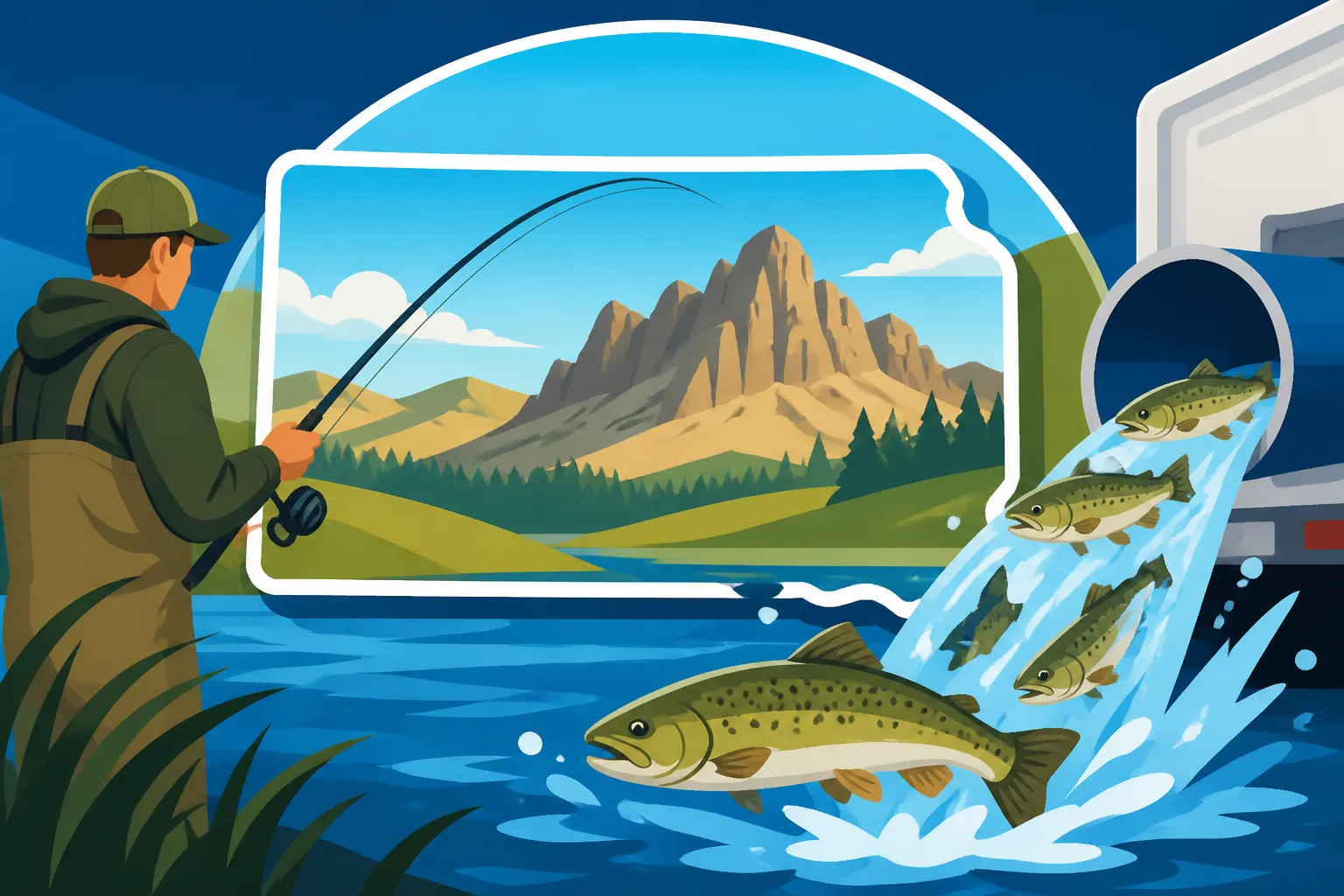
Many Black Hills streams and smaller lakes receive maintenance stocking of catchable-sized rainbow trout, particularly in accessible areas or popular tourist spots. These stockings provide immediate gratification for anglers, making it easy to enjoy a day of trout fishing without having to hike miles into the backcountry. Think of places like Rapid Creek in Rapid City or portions of Spearfish Creek. These fish are often yearlings, released ready to be caught. The South Dakota trout stocking program ensures a steady supply of these feisty fish. For wilder experiences, other streams are managed primarily for naturally reproducing brown and brook trout, with stocking used more sparingly or not at all, to preserve the wild character of the fishery. Understanding the stocking report for Black Hills waters helps you decide if you're looking for a quick catch-and-release experience with recently stocked fish or a more challenging pursuit of native trout. Black Hills Stream Trout Regulations will often have specific rules that reflect these different management goals.
Chinook Salmon and Other Species
While walleye and trout steal much of the spotlight, South Dakota's stocking programs extend to other exciting species, most notably the Chinook salmon in Lake Oahe. This is a unique fishery, entirely dependent on human intervention.
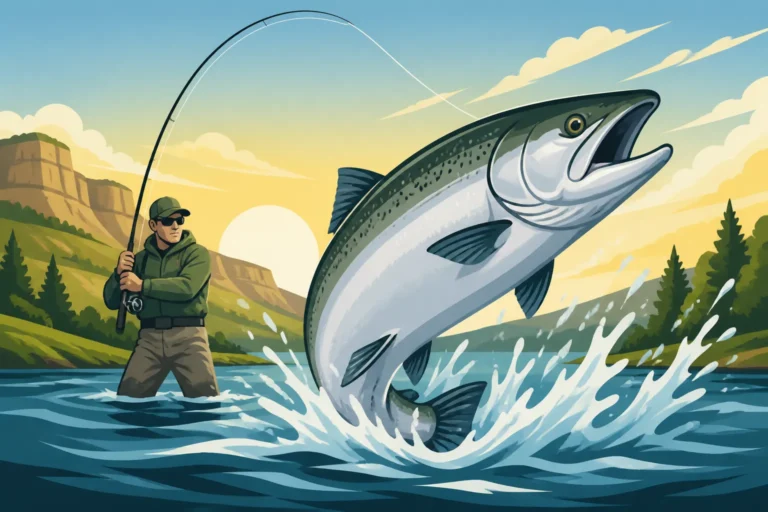
Chinook salmon are a prime example of a completely maintained fishery. Native to the Pacific Northwest, these powerful fish thrive in the deep, cold waters of Lake Oahe, but they cannot reproduce naturally there. Consequently, the GFP annually stocks hundreds of thousands of Chinook salmon fingerlings, typically in areas like Whitlock Bay. These salmon grow rapidly, offering an incredible big-game fishing experience, especially during their fall spawning runs. The South Dakota Chinook Salmon Stocking History shows a long-standing commitment to this unique opportunity. Anglers targeting salmon often use downriggers and specific trolling techniques to find these deep-water dwelling fish. When salmon reports are good, it's a direct reflection of successful stocking and a healthy forage base in the lake.
Beyond these flagship species, stocking also supports other fisheries. Occasionally, you might see reports for panfish like crappie or bluegill in smaller ponds or lakes where populations need a boost. Even largemouth bass might be stocked in newly created ponds or those recovering from environmental impacts. These supplementary efforts ensure a diverse and robust fishing landscape across the entire state, catering to all types of anglers, whether you're chasing trophy walleye, delicate trout, powerful salmon, or just a fun day catching panfish with the family.
Maximizing Your Fishing Success with Stocking Data
Knowing about stocking reports isn't just about trivia; it's about turning that knowledge into real, tangible fishing success. By strategically applying this information, you can significantly increase your chances of finding and catching fish in South Dakota.
Timing Your Trips Based on Recent Stockings
This is where the rubber meets the road! The date of stocking is a goldmine of information, especially for certain species. For waters that receive catchable-sized fish, like many Black Hills trout streams or urban fishing ponds, a recent stocking report means "go now!" These fish are often eager to bite and haven't yet been exposed to heavy fishing pressure. You might find that the best bite is within a week or two of the stocking date, as they acclimate to their new environment and begin to feed actively. Planning a family trip? Checking the South Dakota Free Fishing Days calendar and pairing it with a recent stocking report for a local pond can make for an unforgettable, action-packed outing for the kids.
For smaller fish, like walleye fingerlings, the timing is a bit different. You won't be rushing out the day after they're stocked. Instead, you'll be looking at the stocking date to predict future good fishing. If Lake Sharpe received a huge walleye fingerling stocking three years ago, now is the time to plan your trips, as those fish are likely reaching legal and desirable sizes. This long-term planning is crucial for targeting trophy-sized fish. By keeping an eye on the reports over several seasons, you can identify patterns and anticipate which fisheries are poised for a boom.
Choosing the Right Gear for Newly Stocked Waters
When you're targeting recently stocked fish, especially those of catchable size, adjusting your gear can make a big difference. Newly stocked fish might be less wary initially, but they can also be smaller or more sensitive to heavy tackle.
For trout stocked in streams, a lighter rod and reel setup with delicate lines (2-4 lb test) is often ideal. Smaller hooks and natural baits like worms, PowerBait, or small spinners and flies tend to be highly effective. If you're looking for recommendations, Amazon has a fantastic selection of ultra-light spinning combos and trout-specific lures that can be delivered right to your door, making it easy to gear up. Similarly, for panfish stocked in community ponds, a simple cane pole or a lightweight rod with a bobber and a tiny jig or piece of worm is often all you need.
When it comes to the large-scale walleye or salmon fingerling stockings, you're looking at a longer game. For these, you'll be using your standard walleye or salmon gear, but knowing when those fish were stocked helps you anticipate the size class you're likely to encounter. If you know the stocked fish are now in the 15-20 inch range, you might adjust your lure size or even your boat positioning to target fish of that specific size, perhaps using smaller crankbaits or lighter jigs. Best Lures for South Dakota Walleye are often chosen based on the typical size of the forage and target fish in a particular body of water, which can be indirectly informed by stocking history.
Here's a quick reference for common South Dakota stocked species and their general stocking patterns:
| Fish Species | Primary Stocking Type | Typical Size/Age Class Stocked | General Stocking Season | Expected Catchability Timeframe | Primary Water Bodies |
|---|---|---|---|---|---|
| Walleye | Supplemental/Maintenance | Fingerling (2-5 inches) | Spring/Early Summer | 2-4 years after stocking | Lake Oahe, Sharpe, Francis Case, Lewis & Clark Lake |
| Rainbow Trout | Maintenance | Yearling (6-10+ inches) | Spring through Fall | Immediately (within weeks) | Black Hills Streams, Urban Ponds, Sheridan Lake |
| Brown Trout | Maintenance | Yearling (6-10+ inches) | Spring | Immediately (within weeks) | Specific Black Hills Streams |
| Chinook Salmon | Maintenance | Fingerling (2-4 inches) | Spring/Early Summer | 3-5 years after stocking | Lake Oahe |
| Northern Pike | Supplemental (less common) | Fingerling/Yearling | Spring | 2-3 years after stocking | Glacial Lakes, select reservoirs |
| Crappie/Bluegill | Supplemental | Fingerling/Juvenile | Spring/Summer | 1-2 years after stocking | Smaller lakes, community ponds |
Remember, while these reports provide incredible insights, fish are wild creatures. Conditions like weather, water temperature, and pressure can always influence their behavior. However, by combining your angling skills with the valuable data found in South Dakota's fish stocking reports, you're putting yourself in the best possible position for a successful and rewarding day on the water.
Disclaimer
This article is for general informational purposes only and does not constitute professional advice. Laws, prices and regulations vary by location and change over time. Consult a qualified professional for guidance on your specific situation.