South Dakota Chinook Salmon Stocking History
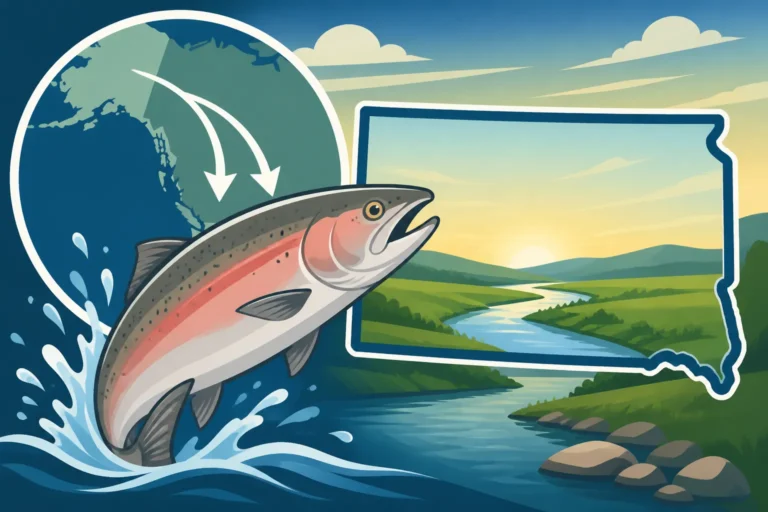
For many anglers, the thought of fishing for Chinook salmon conjures up images of the Pacific Northwest or the Great Lakes. But if you’ve spent any time on the vast waters of South Dakota's Missouri River reservoirs, particularly Lake Oahe, you know we have our own robust salmon fishery. It might seem a bit unexpected to find these ocean-going fish thriving in the heart of the prairie, but it's a testament to decades of careful planning and dedicated stocking efforts. This guide will take you through the fascinating journey of how Chinook salmon came to be a prized sportfish in our great state.
The Unexpected Legacy: Why Chinook Salmon in South Dakota?
When you think about the natural habitat of Chinook salmon, the last place most people imagine is the landlocked plains of South Dakota. Yet, for years, these powerful, silver-sided fish have been a thrilling pursuit for local and visiting anglers alike. Their presence here isn't a fluke of nature, but rather the result of an ambitious and ultimately successful conservation and sportfishing initiative.
A Cold-Water Challenge in the Plains
South Dakota's major reservoirs, especially the deep, cold waters of Lake Oahe, offered a unique opportunity that caught the attention of fisheries biologists. While not an ocean, Oahe mimics certain characteristics salmon need: vast depths, ample cold water even in summer, and a forage base. However, the lack of natural spawning grounds – the long rivers and gravel beds salmon typically use to reproduce – meant that any salmon population would be entirely dependent on human intervention. The idea was to create a put-grow-and-take fishery, where fish are stocked, grow to trophy size, and are then harvested by anglers. It was a big gamble, but one that promised a unique angling experience unlike any other in the region.
Early Vision and Experimental Stocking
The vision for a salmon fishery in South Dakota didn't just appear overnight. It was born from observing successes in other landlocked states and a desire to diversify the fishing opportunities available to residents and tourists. Before committing fully, the South Dakota Game, Fish and Parks (GFP) conducted extensive research, studying water temperatures, available forage fish, and the success rates of Chinook salmon introductions in similar environments. These early studies were crucial, laying the groundwork for what would become a cornerstone of our state's fishing reputation. It's easy to forget the sheer amount of scientific planning that goes into such a program, but without it, the dream of South Dakota salmon would have remained just that—a dream.
The Formative Years: Initial Stocking Efforts and Early Successes
Bringing an anadromous fish like Chinook salmon, which naturally migrates between fresh and saltwater, into a purely freshwater system requires incredible effort and a robust source of fish. The initial years were all about trial and error, learning what worked best to give these fish the best chance at survival and growth.
Sourcing the First Salmon
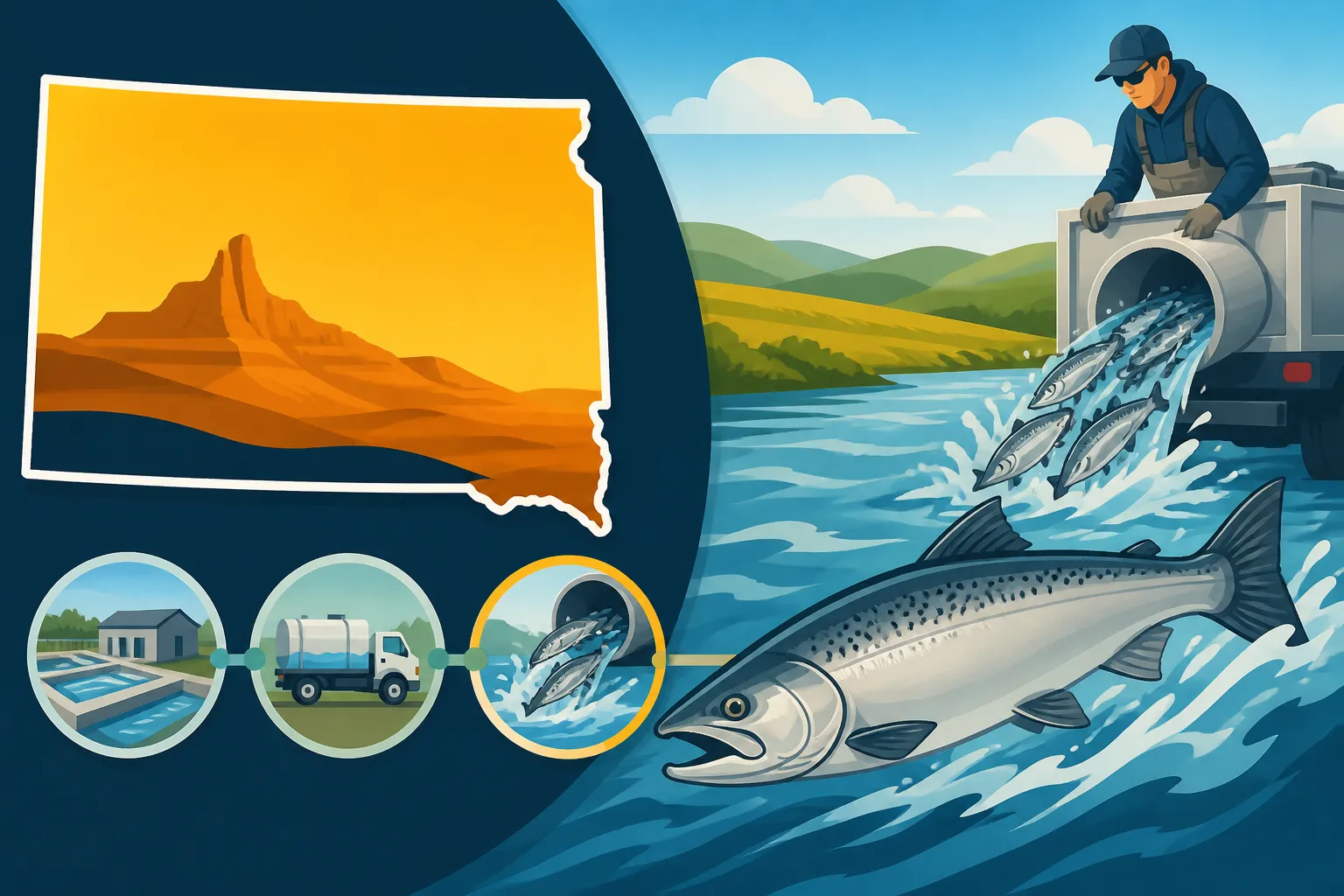
The very first Chinook salmon introduced to South Dakota weren't just scooped up from a local creek. They had to be sourced from established hatchery programs, often from distant states with thriving salmon populations. These initial stockings were usually of juvenile fish, known as fingerlings, which are small enough to be transported efficiently but developed enough to begin feeding on their own in the reservoir. Imagine the logistics of transporting thousands upon thousands of these delicate young fish across state lines! Each journey was carefully planned to minimize stress and ensure the highest survival rates possible. The GFP worked closely with federal hatcheries and other state agencies, demonstrating a collaborative spirit that continues to benefit our fisheries today. If you're curious about how these fish mature, check out South Dakota Chinook Salmon Average Size for more details.
The Missouri River System as a Nursery
Once released, the vastness of the Missouri River reservoirs, particularly Lake Oahe, became the salmon’s new home. These deep, clear waters, formed by dams like Oahe Dam, created an ideal environment. The key was the abundance of cold-water forage fish, especially rainbow smelt. Smelt provide the rich, fatty diet that Chinook salmon need to grow to impressive sizes. Without this crucial food source, the program would have been doomed from the start. The reservoirs essentially acted as giant, natural nurseries, allowing the salmon to thrive without the need for extensive artificial feeding once they were released. This balance between predator and prey is continuously monitored by the GFP, ensuring the ecosystem can support the salmon population year after year.
Lake Oahe: The Heart of South Dakota's Salmon Fishery
When you talk about Chinook salmon in South Dakota, inevitably, Lake Oahe comes up. This massive reservoir is truly the epicenter of the state's salmon fishing, drawing anglers from all over for a chance at these powerful fish.
Why Lake Oahe Became the Primary Focus
Lake Oahe stands out as the prime habitat for Chinook salmon in South Dakota due to a combination of factors. Its sheer size – stretching over 230 miles from Pierre, South Dakota, to Bismarck, North Dakota – provides ample room for salmon to roam. More importantly, its impressive depth, reaching over 200 feet in places, ensures a consistent supply of the cold, oxygen-rich water that salmon absolutely need, especially during the warm summer months. When you're out on the lake, navigating with a quality fish finder you might have picked up on Amazon, you'll often see these fish holding in the deeper, cooler thermocline. This unique thermal stratification is critical. The reservoir's significant rainbow smelt population also means the salmon have a readily available, high-calorie food source, which contributes to their fast growth and reputation as a hard-fighting sportfish. For those looking to target them, South Dakota Chinook Salmon Fishing Guide is an excellent resource.
Sustaining the Population Through Ongoing Stocking
Because Chinook salmon do not naturally reproduce in Lake Oahe’s environment, the fishery relies entirely on ongoing stocking programs. Each year, thousands of Chinook salmon fingerlings are released into the lake by the GFP. This isn't a one-time event; it's a continuous, annual commitment that underpins the entire fishery. The goal is not just to maintain a population, but to manage it for quality, ensuring there are enough fish to provide excellent angling opportunities without overtaxing the forage base. This meticulous approach means that anglers can consistently enjoy the thrill of pursuing salmon, knowing that the lake is regularly replenished. These stocking efforts are a monumental task, involving dedicated hatchery staff and countless hours of work. You can learn more about how long this program has been in place by checking out How Long Chinook Salmon Have Been Stocked in Lake Oahe.
Stocking Strategies and Their Evolution
Fisheries management is rarely static. Over the years, the South Dakota GFP has refined its Chinook salmon stocking strategies, adapting to changes in the environment, forage populations, and angler feedback. It's a dynamic process aimed at optimizing the health of the fishery.
Fingerlings vs. Yearlings: A Balancing Act
One significant aspect of stocking strategy revolves around the age and size of the fish released. Initially, and often still, small fingerlings are stocked. These tiny salmon, just a few inches long, are easier and more cost-effective to raise in hatcheries and transport. However, they are also more vulnerable to predation and environmental fluctuations immediately after release. In some cases, to increase immediate survival rates, yearlings (fish that are a year old and significantly larger) might be stocked. This is a balancing act: yearlings have a higher chance of survival but are much more expensive and resource-intensive to raise to that size. The decision often comes down to an assessment of the lake's condition, the abundance of predator fish, and the overall budget for the stocking program. The aim is always to achieve the best possible return on investment for the angling public.
Hatchery Operations and Environmental Factors
The success of South Dakota's Chinook salmon program is directly tied to the efficiency and expertise of its hatchery operations. Facilities like the McNenny State Fish Hatchery play a vital role in rearing these delicate fish from eggs to the point where they can be released into Lake Oahe. Hatcheries carefully manage water quality, diet, and disease prevention to produce robust, healthy salmon fingerlings. However, even the best hatchery can't control everything. Environmental factors like drought, extreme temperatures, and changes in the Missouri River flow rates can impact the success of a year's stocking. Furthermore, the health and abundance of the rainbow smelt population in Lake Oahe are critical. If the smelt population dips, the salmon's growth rates suffer, and their overall health declines. The GFP continuously monitors these factors, sometimes adjusting stocking numbers or even sourcing new genetic strains of salmon, as detailed in Origin of Chinook Salmon Stocked in South Dakota, to adapt to changing conditions.
The Impact of Chinook Salmon Stocking on Anglers and the Ecosystem
The introduction of Chinook salmon has undoubtedly transformed the South Dakota fishing landscape, offering a unique opportunity for anglers while also presenting new considerations for ecosystem management. It's a delicate balance that requires constant attention.
A Unique Fishing Opportunity
For anglers, the presence of Chinook salmon provides a truly distinctive fishing experience in a state renowned for its walleye. These powerful fish are known for their strong runs and acrobatic jumps, offering an exhilarating fight that often requires specialized gear. You'll often see boats rigged with downriggers and planer boards, essential tools for targeting salmon that are often found suspended in the water column over deep water. Many anglers swear by specific colors of spoons or plugs, sometimes even customizing them to mimic the local rainbow smelt, which you can find a huge variety of on Amazon. Targeting these fish often means early mornings or late evenings, especially in areas like Whitlock Bay during the annual salmon run. This creates a vibrant, seasonal fishery that draws significant tourism and excitement, adding another jewel to South Dakota’s fishing crown. The techniques for catching these magnificent fish are quite different from walleye, and you can explore them further in South Dakota Chinook Salmon Trolling Techniques.
Ecological Considerations and Management
While the angling benefits are clear, the introduction of any non-native species, no matter how carefully planned, carries ecological considerations. The primary concern is the impact on the existing food web. Chinook salmon are voracious predators, and their main diet in Lake Oahe consists of rainbow smelt. Managing the salmon population means ensuring that there's always a healthy, sustainable smelt population to support them, without allowing either species to overpopulate or crash. The GFP regularly conducts surveys to monitor fish populations, growth rates, and overall lake health. They also educate anglers on proper handling and harvest practices, emphasizing ethical fishing to help maintain the balance. For example, understanding Chinook Salmon Spawning Time on Lake Oahe can help anglers avoid disturbing critical periods, even if the salmon aren't naturally reproducing.
Here's a quick look at some key aspects of the Chinook Salmon program:
| Aspect | Description | Management Approach |
|---|---|---|
| Primary Location | Lake Oahe (Deep, cold water reservoir) | Focused stocking and monitoring |
| Forage Base | Primarily Rainbow Smelt | Smelt population surveys, prey-predator balance |
| Reproduction | No natural spawning in SD waters | 100% hatchery-dependent, annual stocking |
| Stocking Goal | Provide diverse angling opportunity | Quality fishery for trophy and harvest |
| Fishery Type | Put-grow-and-take | Regulated limits, emphasis on catch & release for large fish |
| Ecological Impact | Predator-prey dynamics, cold-water habitat use | Continuous monitoring of ecosystem health |
Looking Ahead: The Future of South Dakota's Chinook Salmon Program
The story of Chinook salmon in South Dakota is one of innovation and dedication, but it’s far from over. Maintaining a thriving cold-water fishery in a prairie state requires ongoing commitment and adaptive management to face future challenges.
Ongoing Monitoring and Adaptive Management
The South Dakota GFP doesn't just stock fish and hope for the best. The program involves continuous, rigorous scientific monitoring. Biologists regularly collect data on salmon growth rates, overall health, and population numbers. They also keep a close eye on the rainbow smelt population, which, as we discussed, is the primary food source for the salmon. This data allows the GFP to practice "adaptive management" – adjusting stocking numbers, regulations, and management strategies in response to what the ecosystem is telling them. For instance, if a particularly dry year impacts water levels and temperatures, they might adjust stocking plans to ensure the best chances of survival for the next cohort of fish. Staying informed about the state's fishing regulations, often found in the South Dakota GFP Fishing Handbook Guide, is crucial for anglers to support these efforts.
Challenges and Conservation Efforts
Like any fishery, the Chinook salmon program faces its share of challenges. Fluctuations in the smelt population, which can be affected by everything from water temperatures to natural cycles, directly impact the salmon. Additionally, concerns about climate change and its potential effects on cold-water habitat are always on the horizon. Water levels, flow rates, and the quality of the water entering the reservoir are all critical factors that need constant attention. Conservation efforts extend beyond just stocking. They include public education on preventing the spread of aquatic invasive species, advocating for responsible land use that protects water quality, and fostering an appreciation for the unique ecosystem of the Missouri River reservoirs. The future of this incredible fishery depends not only on the dedicated work of the GFP but also on the collective responsibility of every angler who casts a line into South Dakota's salmon waters. If you're looking for gear to support your salmon fishing adventures, from specialized rods to downriggers, check out the wide selection on Amazon.
Disclaimer
This article is for general informational purposes only and does not constitute professional advice. Laws, prices and regulations vary by location and change over time. Consult a qualified professional for guidance on your specific situation.