Fish Species Found in Lake Sharpe
One of the greatest joys of fishing in South Dakota is exploring its diverse waters, and Lake Sharpe, nestled along the Missouri River, offers a truly unique experience. Many anglers often feel overwhelmed trying to figure out what lurks beneath its surface and how best to target them. This comprehensive guide will pull back the curtain on the incredible variety of fish species that thrive in Lake Sharpe, helping you understand their habits, preferred habitats, and how you can increase your chances of a successful and rewarding day on the water.
The Reigning King: Walleye in Lake Sharpe
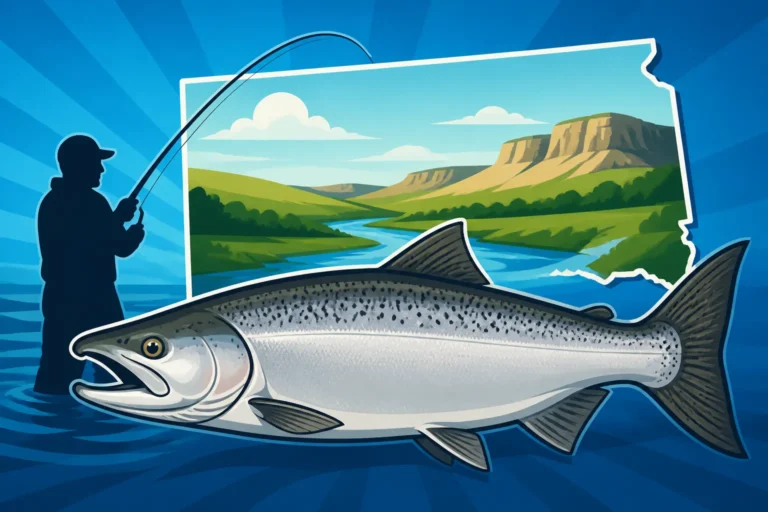
When you mention fishing in South Dakota, the first fish most people think of is the walleye, and Lake Sharpe is no exception. This reservoir, impounded by Big Bend Dam, provides an incredible habitat for these sought-after game fish, drawing anglers from all over the country. The walleye here are known for their strong fighting spirit and, of course, their delectable fillets.
Walleye Hotspots and Habits
Lake Sharpe's walleye population is robust, thriving in the expansive, current-driven environment. They love to hold in areas where the current breaks, offering them an ambush point for baitfish. Think about those subtle changes in bottom contour – submerged humps, points, and channel edges – where the moving water creates an eddy. These are prime real estate for walleye. You’ll often find them congregated around structure, particularly in areas like the Big Bend Dam tailwaters or rocky points near West Bend Recreation Area. During different seasons, their patterns shift dramatically. In spring, they often move shallower for spawning, while summer sees them move deeper, seeking cooler temperatures and active forage. Come fall, they’ll often be on the move, feeding aggressively before winter sets in. Understanding these seasonal migrations is key to consistent success. For detailed limits, check out South Dakota Walleye Limits.
Walleye in Lake Sharpe are opportunistic feeders, preying on whatever is abundant, from gizzard shad and emerald shiners to various invertebrates. Their eyes are specially adapted for low light conditions, giving them an advantage at dawn, dusk, and on overcast days. This is why many experienced Lake Sharpe anglers hit the water early or stay late, or even venture out Night Fishing Techniques for Summer Walleye. While they can be caught throughout the day, these low-light periods often yield the most aggressive bites. Finding schools of baitfish on your sonar is often the first step to locating hungry walleye.
Effective Walleye Techniques on Lake Sharpe
Targeting walleye on Lake Sharpe often involves a blend of tried-and-true techniques. Trolling crankbaits is a highly effective method, especially for covering large areas and finding active fish. Anglers often use long lines or planer boards to spread out their offerings, mimicking baitfish moving through the water column. Different crankbait colors and diving depths can be experimented with until you find what the walleye are keying into. Jigging with a minnow or soft plastic is another productive strategy, particularly when walleye are concentrated in specific spots, like drop-offs or submerged structure.
When the current is strong, a three-way rig or a bottom bouncer with a spinner and a crawler can be incredibly effective. These setups keep your bait in the strike zone longer, despite the moving water. Vertical jigging directly over fish marked on your electronics is also a popular tactic, especially during colder months or when fish are holding tight to structure. Many anglers will purchase specialized walleye rods and reels, often found on platforms like Amazon, to get the right action and sensitivity for these techniques. Don't forget to review South Dakota Trolling Techniques for Walleye for more insights specific to these waters.
Aggressive Hunters: Northern Pike and Smallmouth Bass
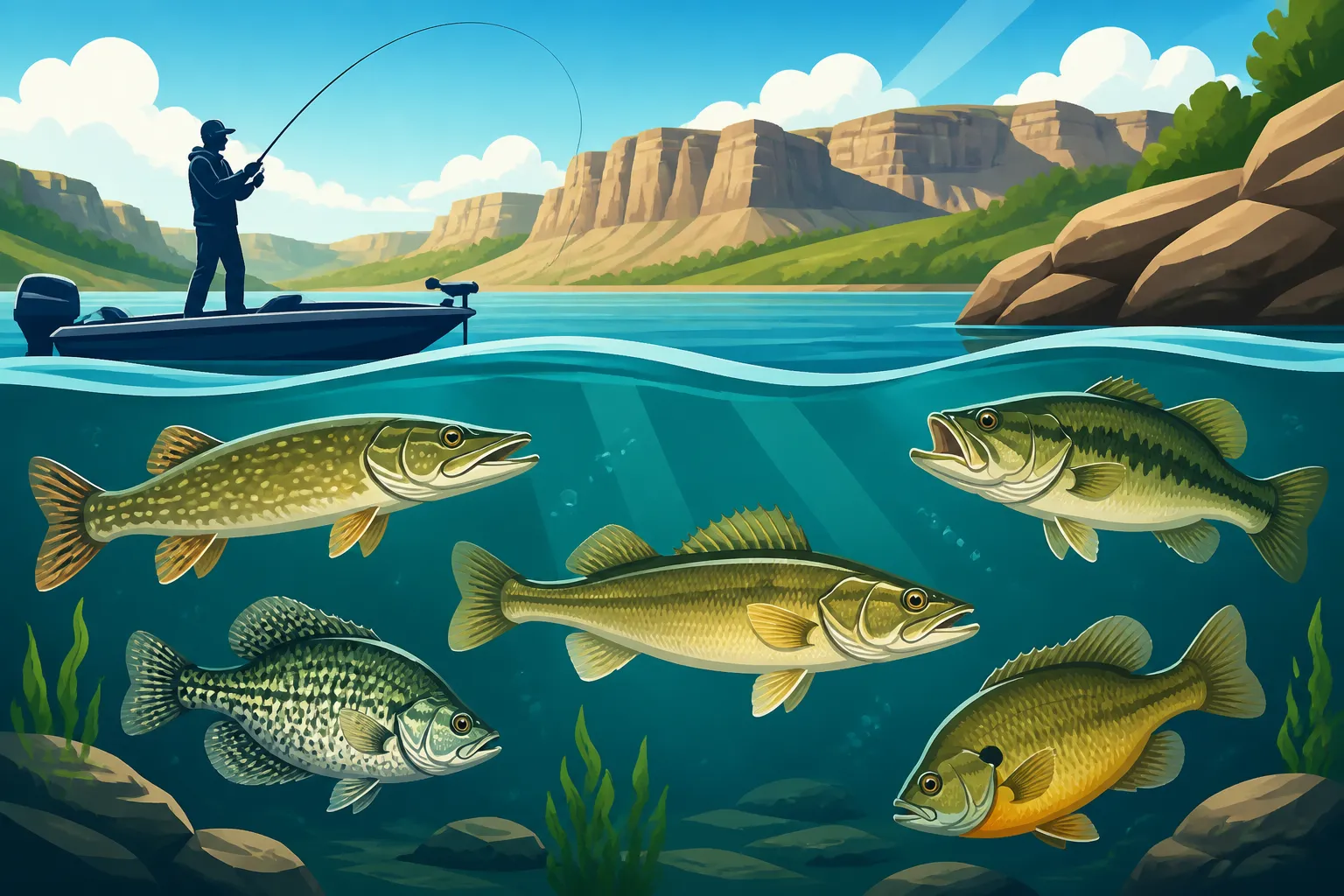
While walleye might be king, Lake Sharpe also boasts impressive populations of other hard-fighting fish that offer exciting angling opportunities. Northern pike and smallmouth bass, in particular, provide thrilling battles and unique challenges.
Northern Pike: The Apex Predator
Northern pike are the ambush predators of Lake Sharpe, lying in wait in weed beds, around submerged timber, or along sharp drop-offs. These toothy critters are known for their explosive strikes and powerful runs. While not as numerous as walleye, trophy-sized pike can be found here, especially in the shallower bays and backwater areas that offer ample cover. They are incredibly aggressive and will readily strike large spoons, spinnerbaits, and even topwater lures during warmer months.
Pike are most active when water temperatures are cooler, making spring and fall prime times to target them. However, they can still be caught throughout the summer, particularly in deeper, cooler pockets or during low-light conditions. When targeting pike, it’s crucial to use a steel or heavy fluorocarbon leader to prevent them from biting through your line. Their sharp teeth can make quick work of standard monofilament or braid. Look for them where they can hide and ambush prey, often near the mouths of creeks or in areas with emerging vegetation. For specific regulations on these fish, see South Dakota Northern Pike Limits.
Smallmouth Bass: Pound-for-Pound Fighters
Lake Sharpe's rocky shorelines, riprap, and submerged rock piles are ideal habitats for smallmouth bass. These bronze beauties are renowned for their acrobatic jumps and relentless fighting ability, often described as one of the best pound-for-pound fighters in freshwater. They thrive in the clear to moderately clear waters of Lake Sharpe, particularly in the lower reaches of the reservoir.
Targeting smallmouth bass is a blast with a variety of lures. Crankbaits that mimic crawfish or shad, soft plastic tubes and grubs, and even topwater presentations can all be highly effective. Look for them cruising along rocky banks, around bridge pilings, and on points that extend into deeper water. They often school up, so where you find one, you're likely to find more. The spring pre-spawn period, when they move shallower to feed heavily, and the fall, when they fatten up for winter, are particularly productive times. Using a sensitive rod and reel setup can make a huge difference in detecting their subtle bites, and you can explore a wide range of options for these on sites like Amazon. For more on these amazing fish, check out our South Dakota Smallmouth Bass Fishing Guide.
Panfish Paradise: Crappie and Perch
Sometimes, you're not looking for a monster fight; you just want consistent action and a cooler full of delicious fillets. Lake Sharpe delivers on this front with excellent populations of crappie and yellow perch, making it a fantastic destination for families or those just looking to unwind with a bent rod.
Crappie: The Delicious Slab
Lake Sharpe is home to both black and white crappie, with white crappie often being more dominant in this larger, riverine system. These "slab" panfish are highly prized for their delicate white meat and can provide fast-paced action once a school is located. Crappie love structure, especially submerged brush, fallen trees, dock pilings, and bridge abutments. They tend to suspend in the water column, often relating to these structures at various depths depending on the time of year and water temperature.
Spring is a prime time for crappie fishing as they move into shallower waters for spawning. Look for them in protected bays and coves with woody debris. Small jigs tipped with minnows or soft plastics, fished under a bobber, are deadly effective. In summer, they often retreat to deeper, cooler waters, suspending over structure or deep-water humps. Vertical jigging or slow trolling with crappie jigs can be very productive. Remember to check Crappie and Panfish Possession Limits before you head out. Finding a good fish finder is invaluable for locating suspended crappie, and Amazon offers many highly-rated portable options perfect for any boat size.
Yellow Perch: Feisty and Flavorful
Yellow perch might not grow to massive sizes, but what they lack in heft, they make up for in eagerness to bite and fantastic flavor. Lake Sharpe has a healthy population of perch, particularly in areas with aquatic vegetation or slightly muddier bottoms where they can forage for insects and small crustaceans. Like crappie, they are schooling fish, so catching one usually means there are many more nearby.
Perch fishing is often a year-round affair, including through the ice in winter. During open water seasons, small jigs, spinnerbaits, or live bait like worms and minnows are incredibly effective. Target them near weed lines, along the edges of drop-offs, or in areas with natural rock rubble. Ice fishing for perch on Lake Sharpe can be particularly rewarding, with anglers often drilling multiple holes to locate active schools. Once you find them, it can be non-stop action, making for a memorable winter outing. Our guide South Dakota Perch Fishing Guide has more tips.
Bottom Dwellers and More: Catfish and Other Species
Lake Sharpe's rich ecosystem supports more than just the popular game fish. The reservoir's diverse habitats, from deep channels to shallow flats, allow for a fascinating array of other species to thrive, providing even more angling possibilities.
Channel and Flathead Catfish: The River Monsters
For those who enjoy a strong pull and a challenge, Lake Sharpe's catfish population is robust, featuring both channel catfish and the occasional flathead. Channel cats are abundant and can be found throughout the reservoir, particularly in areas with moderate current and muddy or sandy bottoms. They are opportunistic scavengers, readily hitting cut bait, stink baits, and even nightcrawlers fished on the bottom. Night fishing can be exceptionally productive for channels, especially during the warm summer months.
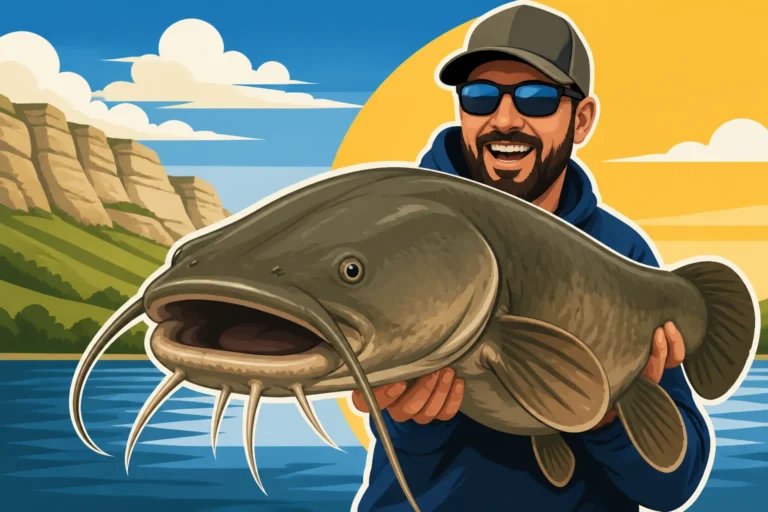
Flathead catfish, on the other hand, are true river monsters. They prefer deeper holes with significant structure like logjams or rocky outcrops, and they are almost exclusively predatory, preferring live bait such as large shiners or sunfish. These fish can grow to impressive sizes in Lake Sharpe, offering a truly epic battle. Targeting them requires heavier gear and a lot of patience, but the reward of landing a massive flathead is unforgettable. Discover more about specific bait in our Best Bait for South Dakota Catfish article.
Other Notable Species
Beyond the primary targets, Lake Sharpe also hosts a variety of other fish that contribute to its diverse ecosystem. You might encounter:
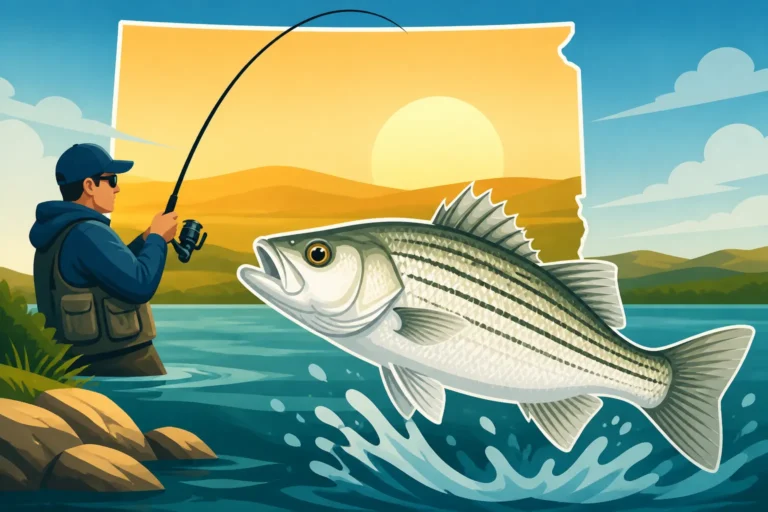
- White Bass: These schooling fish are incredibly aggressive and can provide fast action, often chasing baitfish near the surface. They are a blast on light tackle.
- Drum (Sheepshead): A common bottom-dwelling fish that, while not typically targeted for eating, puts up a surprisingly strong fight.
- Carp: Both common carp and various invasive carp species are present. Common carp offer a strong fight for those who enjoy "rough fish" angling.
- Sauger: Often confused with walleye, sauger are another member of the perch family that thrive in the Missouri River system. They tend to prefer murkier water and stronger currents than walleye and can be a welcome bonus catch. Learning Walleye vs Sauger Identification can help you tell the difference.
Understanding the full spectrum of fish species in Lake Sharpe not only enhances your fishing experience but also allows you to diversify your techniques and target different fish based on conditions and your preferences. Before you go, grab a South Dakota GFP Fishing Handbook Guide to make sure you're up to date on all regulations.
Here's a quick overview of some popular species in Lake Sharpe:
| Fish Species | Preferred Habitat | Common Techniques | Typical Diet | Best Season (General) |
|---|---|---|---|---|
| Walleye | Submerged humps, points, channel edges, current breaks | Trolling crankbaits, jigging, bottom bouncers | Minnows, shad, invertebrates | Spring, Fall, Summer |
| Northern Pike | Weed beds, submerged timber, sharp drop-offs | Large spoons, spinnerbaits, jerkbaits, live bait | Baitfish, frogs, smaller fish | Spring, Fall |
| Smallmouth Bass | Rocky shorelines, riprap, submerged rock piles | Crankbaits, tubes, grubs, topwater lures | Crawfish, minnows, insects | Spring, Summer, Fall |
| Crappie (Black/White) | Submerged brush, fallen trees, dock pilings, bridge abutments | Small jigs (tipped with minnows/plastics), bobbers | Minnows, insects, crustaceans | Spring, Summer |
| Yellow Perch | Aquatic vegetation, slightly muddier bottoms, weed lines | Small jigs, spinnerbaits, worms, minnows | Insects, crustaceans, small minnows | Year-round (incl. ice) |
| Channel Catfish | Moderate current, muddy/sandy bottoms, deep holes | Cut bait, stink baits, nightcrawlers (bottom fishing) | Scavengers, fish, insects | Summer, Fall |
| Flathead Catfish | Deep holes, logjams, rocky outcrops, heavy structure | Live bait (large shiners, sunfish) | Live fish | Summer |
| White Bass | Open water, chasing baitfish schools, current seams | Small spoons, spinners, jigs, topwater | Minnows, insects | Summer, Fall |
Disclaimer
This article is for general informational purposes only and does not constitute professional advice. Laws, prices and regulations vary by location and change over time. Consult a qualified professional for guidance on your specific situation.