Are Zebra Mussels a Problem in South Dakota Lakes?
For many of us who cherish South Dakota's incredible waters, the mention of invasive species, especially zebra mussels, sends a shiver down our spines. We've all heard the cautionary tales from other states, seen the stark warnings at boat ramps, and felt that knot of anxiety about what these tiny invaders could do to our pristine lakes and the incredible fishing they offer. It’s a very real concern, and it's frustrating to think that something so small could cause such a massive disruption to the ecosystems we love. This guide is dedicated to untangling the facts about zebra mussels in South Dakota, exploring the extent of the problem, and, most importantly, empowering you with the knowledge to help protect our cherished angling heritage.
Understanding the Zebra Mussel Threat
It's easy to dismiss a creature as small as a zebra mussel, but their impact is anything but insignificant. They might look like harmless, striped seashells clinging to a rock, but these little invaders pack a powerful punch that can utterly transform an aquatic environment. Understanding what they are and why they pose such a threat is the first step in combating their spread.
What Exactly Are Zebra Mussels?
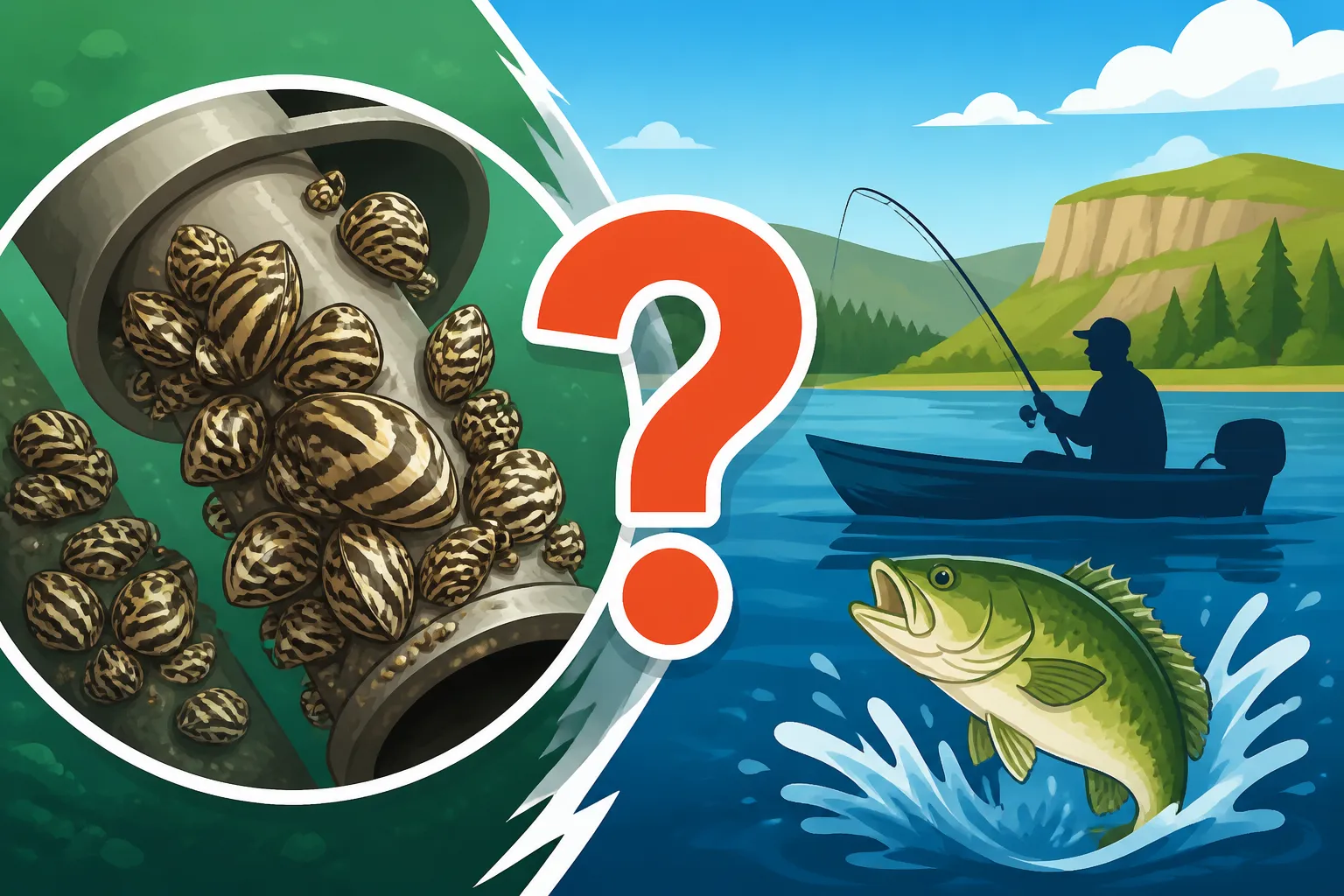
Zebra mussels (scientific name Dreissena polymorpha) are small freshwater bivalve mollusks, typically growing to about an inch or an inch and a half in length. They get their name from the distinctive zigzag or striped pattern on their D-shaped shells, though some can be uniformly dark or light. What makes them particularly unique, and particularly problematic, is their byssal threads. These strong, sticky filaments allow them to firmly attach to almost any hard surface: rocks, docks, boat hulls, submerged plants, pipes, and even other mussels and native shellfish.
They are incredibly prolific, reproducing rapidly. A single female zebra mussel can produce up to a million eggs per year. Their larvae, called veligers, are microscopic and free-swimming, making them easily transported in water. This means they can hitch a ride in a boat's bilge, a livewell, or even a bucket of bait water, traveling undetected to new bodies of water. This rapid reproduction and ability to cling to surfaces are key to their devastating success as an invasive species.
Why Are They So Detrimental?
The problems caused by zebra mussels are multifaceted and profound, impacting everything from water quality to the food chain to our infrastructure. Their primary modus operandi is filter feeding. These mussels are incredibly efficient filter feeders, with each one capable of filtering up to a liter of water per day. While clearer water might sound appealing at first glance, the reality is far from beneficial. They consume vast quantities of phytoplankton, the microscopic plants that form the base of the aquatic food web.
This massive consumption of phytoplankton starves out native species that rely on it for food, including native zooplankton, which are crucial food sources for juvenile fish like walleye and crappie. The ecological balance is completely thrown off. Fish populations, particularly those we love to target, often decline in infested waters due to this disruption of the food chain. Moreover, zebra mussels excrete waste that can lead to increased nutrient levels on the lakebed, fostering the growth of harmful algal blooms, including blue-green algae, which can be toxic to humans and animals. It's frustrating to see a once-vibrant fishery struggle because its foundational food sources have been decimated by these invaders.
Beyond the ecological havoc, zebra mussels cause significant economic and recreational damage. They clog water intake pipes for municipal water systems, power plants, and industrial facilities, leading to costly maintenance and repairs. For us anglers and boaters, they attach to boat hulls, motors, and cooling systems, reducing performance, increasing fuel consumption, and causing damage that can lead to expensive repairs. Imagine pulling your boat out of the water after a fantastic day of South Dakota Walleye Fishing Guide, only to find its lower unit covered in sharp, razor-like shells. Swimming can become hazardous too, as the sharp shells accumulate on beaches and lakebeds, posing a risk to bare feet. These are tangible, frustrating consequences that directly impact our enjoyment and use of South Dakota's waters.
The Current State of Zebra Mussels in South Dakota
South Dakota isn't immune to the challenges posed by zebra mussels, and the state has been on high alert for years. It's a dynamic situation, and what might be true today could change tomorrow, but understanding the current landscape helps us appreciate the ongoing efforts.
Confirmed Detections and Infested Waters
Unfortunately, zebra mussels have indeed made their way into some of South Dakota's waters. The state has confirmed their presence in several key locations, primarily within the Missouri River system and some of the glacial lakes in the eastern part of the state. These detections often begin with the discovery of veligers (larvae) in water samples or adult mussels clinging to submerged objects.
Historically, some of the initial confirmed populations were found in parts of the Missouri River reservoirs. These massive, interconnected systems, like parts of Lake Sharpe or Lake Francis Case, present a unique challenge due to their size and the constant flow of water. Once established in such a large system, eradication becomes nearly impossible. In the glacial lakes region, the potential for rapid spread between smaller, often connected lakes is a major concern. It's important to remember that these mussels can spread through bait buckets, boat hulls, or even fishing gear that hasn't been properly cleaned and dried. The specific list of infested waters can change, so it's always critical to check the latest information from the South Dakota Game, Fish and Parks (GFP) before heading out. The thought of your favorite, untouched fishing hole becoming infested is a genuine worry that many of us carry.
Monitoring and Management Efforts
The South Dakota Game, Fish and Parks (GFP), along with various other state and federal agencies, has been proactive in monitoring for and managing the spread of zebra mussels. This isn't a simple task, and it involves a multi-pronged approach that includes public education, rigorous boat inspections, and scientific monitoring.
A huge part of the effort revolves around the "Clean, Drain, Dry" campaign, which is something you'll see emphasized at every boat ramp and access point across the state. These stations are there for a reason, even if they sometimes add a few minutes to your launch or retrieval. Trained staff conduct inspections, especially during peak boating seasons, to check for any visible mussels or standing water in boats. This can feel like an inconvenience when you're eager to get on the water, but it's a vital line of defense. They’re looking for those tiny hitchhikers that could unknowingly be carried from an infested lake to a pristine one. You can find more details on these vital rules in the South Dakota Boat and Water Access Rules.
Monitoring involves regular sampling for veligers and adult mussels in at-risk waters. This scientific detection helps track the spread and identify new infestations early. When a new population is detected, the GFP works to implement rapid response plans, which might include increased inspections, signage, and public outreach in that specific area. There's also ongoing research into control methods, though complete eradication in large, open systems remains a significant hurdle. These efforts are crucial because preventing new infestations is far more effective and less costly than trying to manage an established one. The commitment to protecting our waters, despite the challenges, is something we can all appreciate.
Impact on South Dakota Lakes and Fishing
When zebra mussels become established, the changes they bring can ripple through an entire ecosystem, fundamentally altering the fishing experience we've come to know and love in South Dakota. It's not just about seeing them; it's about what happens beneath the surface.
Ecological Changes and Native Fish
One of the most immediate and noticeable ecological changes is the increased water clarity. As efficient filter feeders, zebra mussels strip the water of phytoplankton. While clear water might seem appealing for swimming, it has profound consequences for the food web. Phytoplankton is the foundational food source for zooplankton, which are then eaten by small baitfish and juvenile game fish. With less food available at the base, the entire food chain can collapse.
This can lead to a decline in baitfish populations, which directly impacts the growth and survival of our prized sport fish, like walleye, crappie, and perch. You might find that walleye, for example, have less food available, leading to slower growth rates or smaller average sizes. In turn, the fish may need to expend more energy to find food, making them less robust. Many anglers have expressed frustration when their once-productive fishing spots suddenly yield fewer or smaller fish, and often, invasive species are at the root of that shift.
Furthermore, zebra mussels filter out toxins and pollutants, which they then accumulate in their tissues. When these mussels are consumed by bottom-feeding fish, those toxins can be passed up the food chain, potentially impacting the health of native fish and, indirectly, posing concerns for human consumption. They also create habitat changes, forming dense colonies that cover native aquatic plants, rocks, and even other native mussels, outcompeting them for space and resources. This disruption of the natural balance changes the entire underwater landscape and the behaviors of the fish we're trying to catch.
Recreational and Economic Consequences
Beyond the ecological harm, zebra mussels impose a heavy toll on the recreational activities and economic vitality of South Dakota's lakes. For boaters, the mussels readily attach to boat hulls, motors, and anything left submerged. This biofouling reduces boat performance, increases drag, and can lead to overheating if cooling systems become clogged. Imagine trying to get out for some Trolling for Walleye on Lake Oahe, only to find your boat significantly slower or your motor struggling due to mussel buildup. Cleaning these mussels off can be a major chore, often requiring scraping, high-pressure washing, or even specialized acid washes, all of which are costly and time-consuming. You can often find heavy-duty scrubbing brushes and pressure washer attachments on Amazon to help with this arduous task.
Marinas, docks, and other waterfront infrastructure are also impacted, requiring extensive and costly maintenance to remove the tenacious mussels. For swimmers, sharp shells accumulate on shorelines and lake bottoms, turning a pleasant dip into a painful hazard. This can deter visitors and reduce tourism, which, in turn, affects local businesses that rely on a vibrant lake economy – bait shops, resorts, restaurants, and gas stations. The joy of a simple day at the lake becomes complicated by these unwelcome guests, which is a major bummer for families and avid anglers alike. The potential for these consequences underscores why prevention is so critical.
Your Role in Prevention: Protecting South Dakota's Waters
The fight against zebra mussels isn't solely up to state agencies; it's a collective effort, and every angler plays a crucial role. Your actions, or inactions, can have a profound impact on the spread of these invaders. By taking a few simple, consistent steps, you can be a frontline defender of South Dakota's precious aquatic resources.
Clean, Drain, Dry: The Golden Rule
This mantra is the cornerstone of aquatic invasive species prevention, and it applies to every single piece of equipment that touches the water. It’s not just a suggestion; it’s an essential practice that we all need to adopt after every outing, whether you fished an infested lake or not. You never know what microscopic veligers might be lurking.
Here’s a breakdown of what "Clean, Drain, Dry" truly means in practice:
| Step | Action | Why It Matters |
|---|---|---|
| Clean | Inspect and remove all visible aquatic plants, animals, and mud from your boat, trailer, and fishing gear (waders, nets, lines, anchors). Use a stiff brush or high-pressure spray if available. | Zebra mussel adults, larvae (veligers), and other invasive species can cling to these materials. Don't move them to a new body of water. |
| Drain | Completely drain all water from your boat (bilge, livewell, motor), bait buckets, and any other water-holding containers. Pull the drain plug. | Microscopic veligers can survive in even small amounts of standing water. Draining removes these unseen threats. |
| Dry | Allow your boat and gear to thoroughly dry for at least 5-7 days before launching into a different body of water. If you can't dry, consider a hot water wash. | Veligers and other invasives cannot survive long without water. Drying is highly effective at killing them. |
Think of it as routine maintenance for your gear and a courtesy to every other angler and South Dakotan who cares about our lakes. It might take an extra 10-15 minutes, but that small investment of time prevents potentially irreversible damage to our fisheries. You can even find specialized drying racks for waders and boots, or portable drying fans on Amazon to speed up the process at home.
Spreading Awareness and Reporting
Being informed is the first step, but sharing that knowledge is just as important. Talk to your fellow anglers, especially those who might be new to the area or unaware of the severity of the problem. Gently remind them about "Clean, Drain, Dry." Education is key, and personal anecdotes about seeing the damage in other areas can sometimes be more impactful than official warnings.
If you believe you've spotted zebra mussels or any other aquatic invasive species (AIS), it's crucial to report it. Don't try to remove them yourself or assume someone else will. Note the exact location, take photos if possible, and contact the South Dakota Game, Fish and Parks immediately. You can usually find their contact information in the South Dakota GFP Fishing Handbook Guide or on their official website. Early detection is critical for any chance of containment or management. It’s frustrating to feel helpless, but reporting is taking action.
Responsible Angling Practices
Beyond cleaning your boat, there are other responsible practices that can help. Never transport live fish or bait from one body of water to another. If you're using live bait, make sure it comes from a non-infested source, and if you have any leftover at the end of the day, dispose of it properly on land, not back into the water. This also applies to baitfish you might catch. The temptation to "stock" a local pond with some minnows from a successful trip elsewhere is a huge risk.
Consider the equipment you use. Nets, ropes, and anchors are prime candidates for collecting mussels or plant fragments. Take extra care with these items. If you fish frequently in infested waters, you might even consider dedicating specific gear to those waters or investing in a separate set of Best Tackle Box Setup for South Dakota Anglers just for that purpose, avoiding cross-contamination. Many anglers, myself included, keep a designated "AIS bucket" in their vehicle specifically for any suspect materials found during cleanup.
The future of South Dakota fishing depends on our collective vigilance. By embracing the "Clean, Drain, Dry" ethic, staying informed, and taking a proactive stance, we can all contribute to protecting our beautiful lakes and rivers from the insidious spread of zebra mussels and other aquatic invasive species. It’s about being a good steward of the land and water that give us so much joy.
Disclaimer
This article is for general informational purposes only and does not constitute professional advice. Laws, prices and regulations vary by location and change over time. Consult a qualified professional for guidance on your specific situation.