South Dakota State Record Catfish Weight
Many anglers dream of battling a truly colossal fish, a beast that bends their rod to its breaking point and pushes their limits. In South Dakota, when it comes to sheer size and raw power, the humble catfish often steals the show. But what does it really take to land one of these giants, and just how big do they get here in the Mount Rushmore State? This guide dives deep into the legendary South Dakota state record catfish weight, explores the species that make these records, and offers essential insights for those looking to pursue their own trophy cat.
The Unrivaled Thrill of Trophy Catfish Hunting
There's a unique kind of excitement that comes with targeting trophy catfish. It's not just about the size of the fish; it's about the anticipation, the heavy thumps on the line, and the sheer power these incredible creatures possess. Many anglers spend a lifetime chasing that one truly monumental catch, a fish that becomes a story passed down through generations.
More Than Just a Fish: The Fight of a Lifetime
When a big catfish takes your bait, it's rarely a subtle affair. You'll often feel a slow, deliberate pull, then a powerful surge that tries to strip line from your reel. Unlike some game fish that make acrobatic jumps, big cats are all about brute strength and stubborn resistance. They hug the bottom, use the current to their advantage, and fight with an incredible, unwavering determination that can test even the most experienced angler. Landing one of these heavyweights often requires a delicate balance of patience and raw power, making the victory all the sweeter.
The Bragging Rights and the Lore
The pursuit of a state record or even a personal best catfish isn't just about the fish itself; it's about the stories, the memories, and the camaraderie it creates. There's nothing quite like gathering around a campfire after a long night of fishing, recounting the one that got away or the epic battle with a true river monster. These fish become legends in their own right, inspiring others to pick up a rod and cast their line into the murky depths, hoping to experience a similar thrill. The South Dakota record books are filled with such tales of persistence and a little bit of luck, serving as a testament to the incredible angling opportunities available here.
South Dakota's Record-Breaking Catfish: A Story of Persistence
When we talk about the South Dakota state record catfish weight, we're usually referring to two distinct species: the Channel Catfish and the Flathead Catfish. Both are formidable opponents, but they occupy slightly different niches and can grow to vastly different proportions. The state records stand as a monumental achievement, reflecting not just the skill of the angler but also the richness of South Dakota's waters.
The Current King: Unpacking the Record-Setting Catch
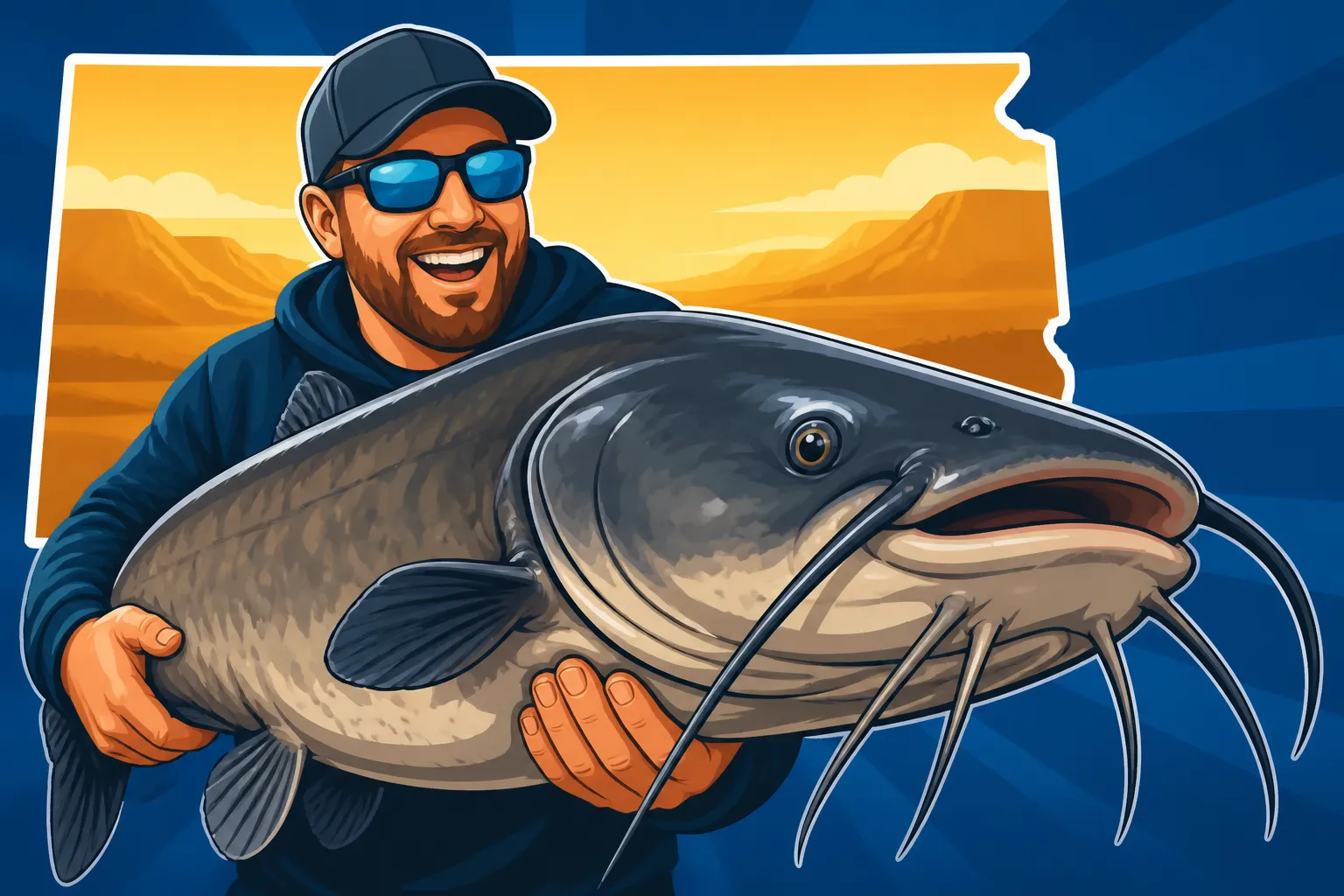
To truly appreciate the South Dakota state record catfish weight, it helps to understand the magnitude of these catches. The current record for a Channel Catfish in South Dakota is a truly impressive specimen, tipping the scales at over 57 pounds. Imagine a fish nearly as heavy as a small child, with an incredible amount of muscle, pulling on your line! This particular fish was caught on the James River, a testament to the potential of even the quieter waterways in the state. The record Flathead Catfish takes it to another level, weighing in at over 78 pounds, caught in the Missouri River. These records aren't just numbers; they represent epic battles and unforgettable moments for the anglers who achieved them. They showcase the absolute giants lurking in our state's rivers and reservoirs, waiting to challenge the next determined angler.
Historical Context of Record Catches
State records aren't static; they represent a moment in time, often standing for years or even decades before a new, larger fish is pulled from the water. Each record tells a story of an angler who put in the time, used the right techniques, and had a bit of fortune on their side. The evolution of these records reflects changes in fish populations, angling pressure, and even the gear available to fishermen. Many past records were caught on much simpler equipment, making their feats even more impressive. While some records are held for what seems like an eternity, others might fall every few years, creating an exciting chase for anglers who are always looking for the next big one.
What Makes a Record a Record: The Official Process
It's not enough to simply catch a giant fish; for it to be recognized as an official state record, there's a specific process to follow. Generally, this involves having the fish weighed on a certified scale, witnessed by multiple individuals, and verified by wildlife officials. Often, photographs and specific measurements are required. This ensures the integrity of the record books and validates the incredible achievement. It’s a moment of immense pride for any angler to go through this process, knowing their catch will forever be etched into South Dakota's fishing history.
Distinguishing South Dakota's Giant Catfish Species
South Dakota is home to several catfish species, but when you're talking about state record contenders, two species stand out head and shoulders above the rest: the Channel Catfish and the Flathead Catfish. Understanding their differences is key to targeting these magnificent fish effectively.
Channel Catfish: The Widespread Fighter
Channel catfish are the most common and widely distributed catfish in South Dakota. They're a favorite among anglers due to their strong fight and excellent table fare. You'll find them in nearly every major river, reservoir, and even many smaller lakes and ponds across the state.
Identification and Typical Size Range
Young channel cats are easily identified by their silvery-gray bodies with distinct dark spots and a deeply forked tail. As they get older, the spots often fade, and their color can darken, especially in muddy water. They have barbels (whiskers) around their mouth, which they use to taste and feel in murky water. While many anglers typically catch channel cats in the 1 to 10-pound range, these fish can grow much larger, with trophy specimens pushing well over 20 pounds, and as we know, even into the 50s for state records! They are opportunistic feeders, eating anything from insects and crustaceans to smaller fish and prepared baits.
Habitat Preferences
Channel catfish are incredibly adaptable. They thrive in a variety of environments, from the swift currents of the Missouri River to the slower, murky waters of the James River. They often seek out deeper holes, undercut banks, brush piles, and areas with moderate current, especially those with structure that can hold baitfish. In lakes, they prefer deeper channels, submerged timber, and areas with sudden depth changes. During the day, they might be somewhat sluggish, but come evening and night, they become much more active, prowling for food.
Channel Catfish vs Flathead Catfish
It's crucial to understand the difference between these two potential record-holders. While both are catfish, their appearance and habits differ significantly. Channel catfish have a more slender body, a deeply forked tail, and a smaller, more pointed head. Flatheads, on the other hand, have a distinctive flattened, wide head, a slightly protruding lower jaw, and a square or slightly notched tail. Their coloration is also different, with flatheads often having a mottled brown, olive, or yellow appearance that helps them camouflage against the river bottom, while channels are typically silvery-gray. These distinctions are important not just for identification, but for knowing which baits and techniques to employ. Channel Catfish vs Flathead Catfish provides even more detail on these differences.
Flathead Catfish: The True Bottom Dweller and Ambush Predator
If you're truly after a monstrous catfish, the flathead is often your target. These fish are less common but grow to immense sizes, making them the ultimate prize for many trophy hunters. They are powerful predators, known for their specific dietary preferences and their incredible strength.
Identification and Growth Potential
The flathead catfish is truly a distinctive species. Its most defining feature is its broad, flattened head, hence the name. They have a slightly protruding lower jaw, giving them a perpetually grumpy look, and their eyes are relatively small. Their tail is square or only very slightly notched, which is a key differentiator from the channel cat's deeply forked tail. Their body color is usually mottled, with shades of yellow, brown, and olive, providing excellent camouflage in their preferred habitat. Flatheads are renowned for their incredible growth potential, consistently reaching weights of 30, 40, 50 pounds, and much, much more. The South Dakota record of over 78 pounds is a testament to the size these magnificent fish can achieve.
Preferred Lairs
Flatheads are ambush predators, and their habitat reflects this. They absolutely love structure—especially large, submerged timber, logjams, rock piles, and deep holes with strong current. They'll often take up residence in a particular snag or pile of debris, waiting for unsuspecting prey to swim by. You'll typically find them in the deeper sections of large rivers and reservoirs, particularly in areas with good current and plenty of cover. They are less tolerant of murky water than channel cats and prefer clearer, flowing water where they can ambush their prey.
Other Catfish Species
While not typically associated with state record weights, it's worth noting that South Dakota also has populations of bullheads (black, brown, and yellow). These smaller catfish are popular for panfishing, especially among younger anglers or those looking for a quick bite, but they don't grow to the gargantuan sizes of their channel and flathead cousins.
Prime Locations for Pursuing a Record Catfish in South Dakota
South Dakota offers some incredible opportunities for catfish anglers, with a few key areas known for producing truly exceptional specimens. If you're hoping to hook into a record-breaker, knowing where to focus your efforts is half the battle.
The Mighty Missouri River System: A Nursery for Giants
The Missouri River, as it flows through South Dakota, is undoubtedly the premier destination for trophy catfish. The river's vastness, its deep channels, and its abundant forage create the perfect environment for catfish to grow to incredible sizes. The chain of lakes formed by dams—Lake Oahe, Lake Sharpe, Lake Francis Case, and Lewis & Clark Lake—all hold immense potential.
Lake Oahe, Sharpe, Francis Case, and Lewis & Clark
These expansive reservoirs on the Missouri River are deep, rich in baitfish, and feature diverse bottom structures that flatheads and channels adore. Look for old river channels, submerged timber, and deep points where the current concentrates bait. The tailrace areas below the dams are also prime locations, as the churning water disorients baitfish and attracts hungry predators. Understanding where the big fish hold in these massive bodies of water is critical. For more on what these areas offer, check out How Big Channel Catfish Get in the Missouri River.
Missouri River Catfish Fishing Spots
Specific features along the Missouri River are catfish magnets. Deep scour holes, often found on the outside bends of the river, are prime real estate for large flatheads. Logjams, undercut banks, and even old bridge pilings provide cover and ambush points. Current seams, where faster water meets slower water, are also excellent locations, as baitfish often congregate there, making an easy meal for a lurking cat. Many seasoned anglers will spend hours exploring these areas with their electronics, searching for the perfect ambush spot. If you're looking for specific honey holes, our guide on Missouri River Catfish Fishing Spots can offer more detailed insights.
Eastern South Dakota Rivers: Hidden Gems
While the Missouri River gets much of the glory, don't overlook the potential of eastern South Dakota's smaller, slower-moving rivers. These waterways, though less grand, can still hold surprisingly large catfish.
The James River
Known as "the Jim River," this slow-moving, winding waterway often flows through agricultural lands and can be quite muddy. However, its deep holes, oxbows, and snags are perfect habitat for large channel catfish. The James River has a storied history of producing big cats, including the current state record Channel Catfish. Anglers often find success here by targeting brush piles and deeper bends with cut bait or stink baits. You can get more details on fishing this system in our James River Catfish Fishing Report.
The Big Sioux River
Running through eastern South Dakota, the Big Sioux River also offers decent catfishing opportunities. While perhaps not as known for monster flatheads as the Missouri, it consistently produces good numbers of channel catfish, with the occasional large one to surprise you. Similar to the James, focusing on deep pockets, submerged wood, and current breaks will increase your chances. Even though the link Big Sioux River Smallmouth Bass Fishing Report focuses on bass, the river ecosystem supports a healthy catfish population too.
Reservoirs and Larger Lakes: Don't Count Them Out
Beyond the main river systems, many of South Dakota's larger reservoirs and natural lakes can also hold impressive catfish. Lakes like Lake Kampeska, Lake Poinsett, and Bitter Lake, while known for walleye and perch, also have deep sections and rich forage bases that can support healthy populations of channel catfish. Targeting these lakes often involves finding their deepest points or areas with significant submerged structure, using your electronics to locate potential holding areas.
Mastering Techniques for Monster Catfish
Catching a state record catfish isn't just about luck; it's a combination of knowledge, preparation, and skill. Mastering specific techniques for these giants will significantly increase your chances of success.
Bait That Catches Giants
Catfish are primarily scavengers and opportunistic predators, so selecting the right bait is crucial. For trophy fish, you often need something substantial and smelly.
Fresh Cut Bait
For many serious catfish anglers, fresh cut bait is the undisputed king. Shad, carp, suckers, or even smaller panfish cut into chunks release strong scent trails that big cats simply can't resist. The fresher the better, as the oils and blood create an irresistible aroma in the water. Using different sized chunks can also help you target different sized fish; bigger baits often deter smaller, nuisance fish and specifically entice the larger predators.
Live Baits
Especially for the elusive flathead catfish, live bait can be incredibly effective. Small bluegills, sunfish, bullheads, or even larger minnows are excellent choices. Flatheads are notorious for preferring live, struggling bait. Presenting a lively baitfish near a flathead's ambush point often triggers an aggressive strike. Ensure your live bait is legal to use in the waters you are fishing and that you handle it responsibly.
Prepared Baits
While less effective for truly record-sized flatheads, a variety of prepared "stink baits" or punch baits can be highly effective for channel catfish. These often come in paste or dip form and are designed to emit a powerful odor. While you might not catch a state record on these, they're great for consistent action and can occasionally land a surprisingly large channel cat. For a comprehensive look at what works, our Best Bait for South Dakota Catfish guide offers more detailed advice.
Heavy-Duty Rigs: Setting Yourself Up for Success
You can have the perfect bait, but if your rig isn't up to the task, that trophy fish will quickly become a heartbreaking story of the one that got away.
Slip Sinker and Carolina Rigs
These are the bread and butter rigs for bottom-fishing for catfish. A slip sinker rig allows the line to pass freely through the weight, so the fish can pick up the bait and move off without feeling the resistance of a heavy sinker. This is crucial for finicky big cats. A Carolina rig is essentially a slip sinker with a bead and swivel protecting the knot to your leader. Both rigs keep your bait on the bottom where catfish feed and are incredibly effective for presenting natural baits.
Proper Hook Selection
Forget small, flimsy hooks. For big catfish, you need large, strong hooks that can handle immense pressure and penetrate tough, bony mouths. Circle hooks are highly recommended as they dramatically increase your chances of hooking the fish in the corner of the mouth, which is much safer for the fish if you plan to release it. Sizes typically range from 5/0 to 10/0, depending on the bait size and target species. You'll find a great selection of robust hooks and other tackle on Amazon to ensure you're ready for anything.
The Art of Patience and Night Fishing
Catfishing, especially for trophy specimens, is often a game of patience. It's not always a fast-paced bite, but when it happens, it's usually worth the wait.
Waiting for the Bite
Unlike active trolling or casting, catfishing often involves setting up multiple rods in prime locations and waiting. This waiting period is part of the experience, allowing you to soak in the peaceful surroundings and enjoy the anticipation. Big cats don't always pick up a bait immediately; sometimes they'll mouth it for a while before committing. It's important to give them time before setting the hook.
Advantages of Fishing After Dark
Many of the largest catfish are nocturnal or crepuscular (most active at dawn and dusk). They feel safer moving into shallower feeding areas under the cover of darkness. Night fishing for catfish is a popular and often highly effective strategy, especially during the warmer months when they are most active. Just be sure to check local regulations regarding Is Night Fishing Legal on the Missouri River? and other waterways you plan to fish. Equipping yourself with a good headlamp and glow sticks for your rod tips (available on Amazon) can make night fishing much safer and more enjoyable.
Equipping for the Battle: Gear for Record-Sized Catfish
Chasing a state record catfish demands more than just skill and good bait; it requires robust, reliable gear that can withstand the immense power of these fish. Investing in quality equipment is not just about comfort, but about giving yourself the best chance to land that fish of a lifetime.
Rods, Reels, and Line: The Foundation of Your Setup
This is where the rubber meets the road. Your rod, reel, and line are your direct connection to the fish, and they need to be up to the challenge.
Heavy-Action Rods, Robust Reels with Strong Drags
For trophy catfish, you'll want heavy-action casting rods, typically 7 to 10 feet long, designed to handle heavy weights and powerful fish. These rods have a strong backbone to horse big fish out of cover and enough flex to absorb powerful runs. Pair these with conventional baitcasting reels that have a reliable, smooth drag system and high line capacity. A reel that can hold 200+ yards of 20-30 pound test line is a good starting point. The drag is your most important tool, allowing the fish to take line when necessary without snapping your leader.
High-Test Braided or Monofilament Line
For main line, many trophy catfishermen opt for either heavy monofilament (20-40 pound test) or braided line (50-80 pound test). Monofilament offers good abrasion resistance and stretch, which can be forgiving during hard runs. Braided line, on the other hand, offers incredible strength-to-diameter ratio, no stretch for maximum sensitivity, and excellent abrasion resistance against rough bottom structures. Often, anglers will use a heavy braided main line with a 3-5 foot monofilament or fluorocarbon leader for added shock absorption and to prevent the fish from seeing the main line. For specific recommendations on line choices, consult our guide on Best Line Weight for South Dakota Catfish.
Essential Tackle and Accessories
Beyond the basic rod and reel, several other pieces of tackle are non-negotiable for serious catfishing.
Sinkers, Swivels, and Leader Material
You'll need a variety of heavy sinkers (from 1 oz to 6 oz or more, depending on current) to keep your bait on the bottom. Egg sinkers or flat, no-roll sinkers are popular choices. High-quality barrel swivels are essential to prevent line twist and connect your main line to your leader. And speaking of leaders, heavy-duty monofilament or fluorocarbon (30-60 pound test) is crucial for abrasion resistance against fish teeth and rocky bottoms. Building up your tackle box with these items is easy, and Amazon offers a wide selection to choose from.
Landing Nets and Grippers
Once you hook that monster, you need a way to safely land it. A large, sturdy landing net with a deep, rubberized mesh is ideal, as it won't harm the fish's protective slime coat and prevents hooks from tangling. For truly massive flatheads, a specialized fish gripper can be invaluable for controlling the fish while it's in the water, allowing for safer unhooking and photo opportunities.
Safety and Comfort
While not directly gear for the fish, your own comfort and safety are paramount, especially during long nights on the water. A good quality headlamp, bug spray, a comfortable chair, and proper rain gear are all essential. Staying dry and comfortable allows you to focus on the fishing, not the elements. Investing in reliable outdoor gear, like a durable rain jacket or a comfortable camp chair, is simple when shopping on platforms like Amazon, ensuring you're ready for anything Mother Nature throws your way.
The Path to Immortality: Entering a Trophy Fish
For many anglers, catching a truly exceptional fish isn't just a personal victory; it's an opportunity to contribute to the rich history of South Dakota fishing. The state's trophy fish programs recognize these outstanding catches, celebrating both the angler and the incredible resources we have.
Understanding the South Dakota Trophy Fish Award Program
The South Dakota Game, Fish and Parks (GFP) runs a program to recognize exceptional catches that don't necessarily break a state record but are still well above average size for their species. This is the South Dakota Trophy Fish Award Program. Submitting a fish to this program allows anglers to be recognized for their achievement and adds valuable data to the state's fisheries management. It’s an honor to have your catch acknowledged, validating the time and effort you put into pursuing these big fish.
The Official Record Process
If you believe you've caught a new state record catfish, the process is rigorous but rewarding. It typically involves:
- Immediate Verification: The fish must be weighed on a state-certified scale (found at many grocery stores, bait shops, or meat processors) in the presence of witnesses.
- Photographic Evidence: Clear photographs of the fish, the angler, and the weighing process are usually required.
- Measurements: Accurate length and girth measurements are crucial.
- Species Identification: Positive identification by a GFP official is necessary to ensure the correct species record is being claimed.
- Application Submission: A formal application with all documentation must be submitted to the GFP. This detailed process ensures that all state records are legitimate and accurately recorded for posterity.
How to Qualify for a South Dakota Master Angler Award
Beyond just the state record, the Master Angler program recognizes anglers who catch fish of exceptional size across a range of species, often with different criteria than a state record. For instance, a fish might be large enough to qualify for a Master Angler award but not quite break the state record. This program encourages the pursuit of quality fish across all species and provides a benchmark for anglers to strive for. Details on how to ensure your fish qualifies can be found in How to Qualify for a South Dakota Master Angler Award.
Conservation and Ethical Angling
While chasing records is exciting, it's vital to practice ethical angling and conservation. Many trophy catfish are old, slow-growing fish, and releasing them unharmed ensures they can continue to spawn and contribute to the fishery. If you do catch a potential record, be prepared to quickly and safely weigh, measure, photograph, and then release it, unless you are certain it's a new state record and are committed to the harvest for official purposes. Handling big fish carefully, minimizing their time out of water, and using proper release techniques are responsibilities every trophy angler should embrace. This ensures that future generations can also have the chance to pursue these magnificent creatures.
Catfish Species Comparison for Record Potential
Understanding the key differences between South Dakota's primary trophy catfish species is crucial for any angler hoping to land a record.
| Feature | Channel Catfish | Flathead Catfish |
|---|---|---|
| Typical Size | 1-20 lbs (often larger, up to 50+ lbs for records) | 10-50 lbs (often much larger, up to 70+ lbs for records) |
| State Record | 57 lbs+ | 78 lbs+ |
| Head Shape | Smaller, more pointed, conical | Broad, flat, spatulate |
| Tail Shape | Deeply forked | Square or slightly notched |
| Body Color | Silvery-gray, olive-brown; spots when young (fade with age) | Mottled yellow, brown, olive; often darker on top, lighter belly |
| Diet | Omnivorous (cut bait, prepared baits, insects, minnows) | Almost exclusively live or fresh dead fish |
| Habitat | Rivers, lakes, reservoirs; varied structure, adaptable | Deep holes, heavy logjams, rocky structure in current |
| Aggression | Strong fight, often darting and running | Powerful, stubborn fight; hugs bottom, uses current |
This comparison highlights why Flatheads are generally the species targeted for the absolute largest catfish records, given their predatory nature and preferred habitat, though Channel Catfish certainly can reach truly impressive weights.
Disclaimer
This article is for general informational purposes only and does not constitute professional advice. Laws, prices and regulations vary by location and change over time. Consult a qualified professional for guidance on your specific situation.