Why Some South Dakota Lakes Grow Bigger Walleye Than Others
It’s a puzzle many of us South Dakota anglers have pondered: why do some lakes consistently produce chunky, trophy-sized walleye, while others, seemingly similar, yield smaller, less robust fish? You've probably experienced it yourself – one year you're pulling in hawgs from Lake Oahe, and the next, a different lake is only giving up hammer handles. It can be incredibly frustrating to put in the time and effort, only to feel like you're missing a secret ingredient. This guide is here to unravel that mystery, diving deep into the fascinating ecological, environmental, and management factors that dictate why certain South Dakota waters are simply better for growing bigger walleye.
The Building Blocks: Forage, Habitat, and Water Quality
Just like us, walleye need good food, a safe home, and a healthy environment to thrive. The quality and availability of these fundamental elements vary wildly from one South Dakota lake to another, directly impacting how big and healthy our prized walleye populations can become.
Abundant and Diverse Forage Base
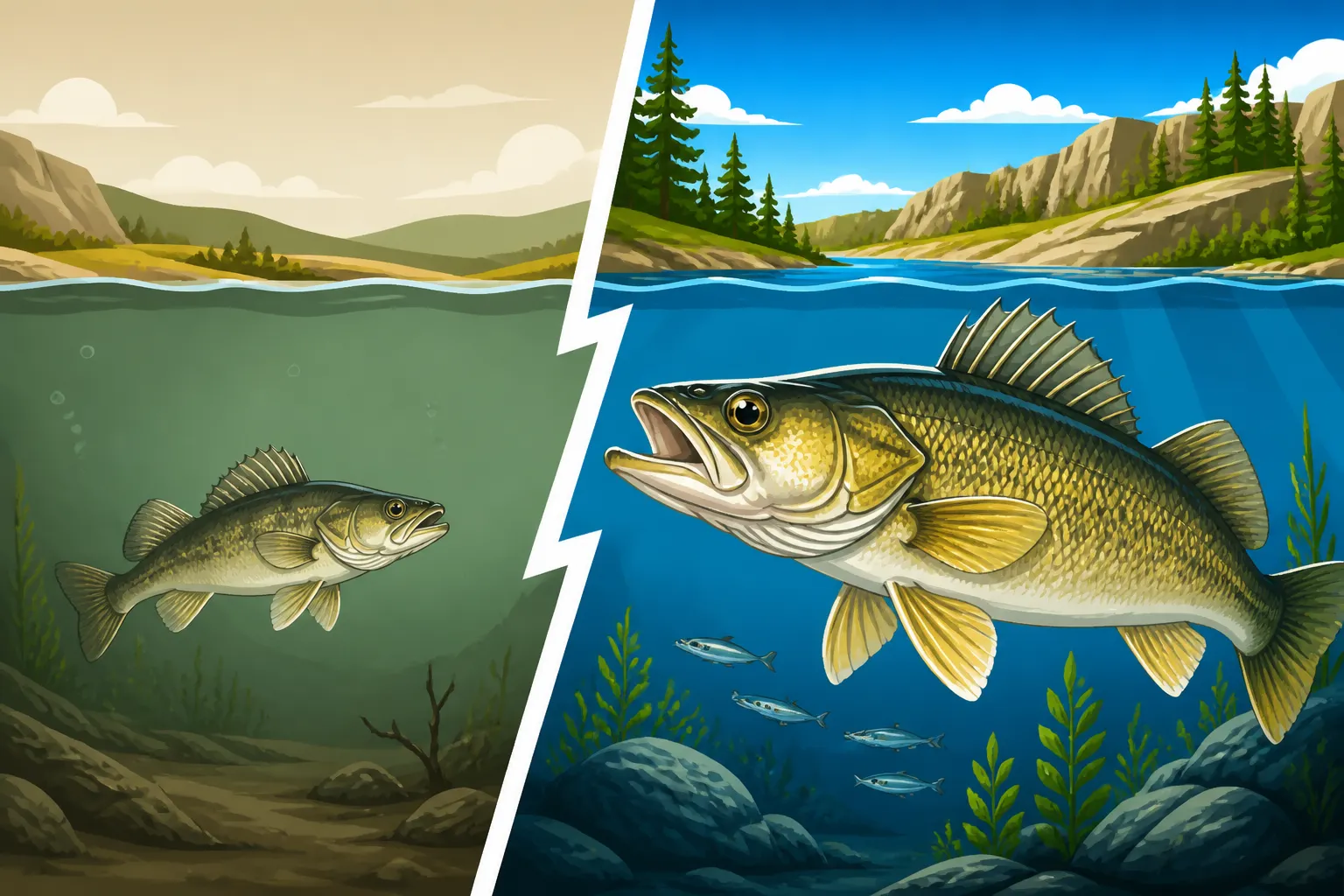
Think of it this way: a bodybuilder needs a consistent supply of high-quality protein to grow massive muscles. Walleye are no different. They need a rich and varied diet of smaller fish to reach their full potential. Lakes with an exploding population of easily accessible baitfish offer a buffet, allowing walleye to pack on the pounds quickly.
For instance, Forage Fish South Dakota Walleye Rely On often include species like gizzard shad, emerald shiners, and yellow perch. Lakes like Lake Oahe are legendary for their smelt populations, which provide a super-rich, high-fat food source that allows walleye to grow exceptionally fast. On the flip side, a lake with a sparse or less nutritious forage base means walleye have to work harder for fewer calories, resulting in slower growth rates and smaller average sizes. It’s a constant energy equation: calories in versus calories burned, and if the "in" side is always winning, those walleye are going to get big.
Ideal Habitat Structures
Walleye are ambush predators. They love structure – anything that breaks up the bottom or provides cover where they can hide and dart out to surprise their prey. The more complex and varied the habitat, the more productive a lake tends to be for growing big walleye.
This includes deep rock piles, submerged timber, extensive weed beds, sharp drop-offs, and even man-made structures like old roadbeds or bridge pilings. These areas not only offer prime hunting grounds but also provide crucial protection from predators themselves, especially for younger walleye. A lake with vast, featureless flats might hold some walleye, but it won't offer the diversity of ambush points or safe zones that a complex, structured lake does. Imagine trying to hunt in a wide-open field versus a dense forest – the forest offers far more advantages, and walleye know it. You can often find maps that highlight these underwater structures, sometimes available on sites like Amazon if you're looking for detailed bathymetric charts to better understand a lake's hidden features.
Water Quality and Nutrient Levels
You can have all the food and structure in the world, but if the water itself isn't healthy, the fish won't be either. Water quality, including factors like dissolved oxygen, temperature stability, and nutrient loads, plays a critical role in walleye growth and overall lake productivity.
Lakes that maintain good oxygen levels, especially in deeper water during warmer months, provide walleye with crucial cold-water refuges. Extreme fluctuations in temperature or low oxygen can stress fish, reduce feeding, and slow growth. Nutrient levels also contribute to the entire food web. A balanced level of nutrients supports a healthy phytoplankton and zooplankton bloom, which in turn feeds the baitfish, which then feeds the walleye. Too many nutrients, however, can lead to excessive algal blooms and oxygen depletion, creating dead zones. On the other hand, a lake that is too "clean" or oligotrophic might not have enough nutrients to support a robust food chain. It's a delicate balance, and South Dakota Fish Consumption Advisories Explained often highlight how water quality impacts fish health and safety.
Population Dynamics and Management Strategies
Beyond the natural elements, how a walleye population is managed and how anglers interact with it have enormous consequences for the average size of fish in a particular lake. It's a complex dance between biology and human impact.
Stocking Programs and Genetics
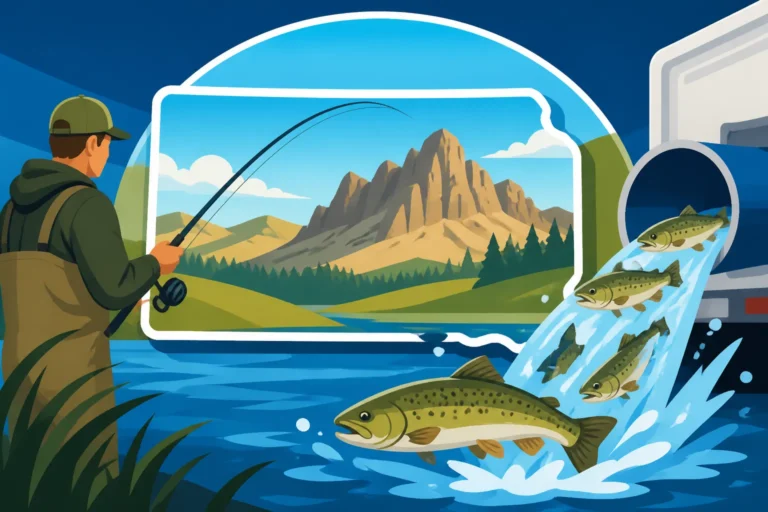
The South Dakota Game, Fish and Parks (GFP) works tirelessly to maintain and enhance our walleye populations, often through strategic stocking. But not all stocking is created equal, and the genetic makeup of the fish can matter.
Some lakes rely heavily on stocking because natural reproduction is limited, while others boast strong, self-sustaining populations. The source of the stocked fish and their genetic diversity can influence growth potential. Genetically diverse populations tend to be more resilient and can exhibit better growth traits. South Dakota Fish Stocking Report Basics can give you an idea of which lakes are being stocked and with what frequency. Even in naturally reproducing lakes, genetic factors play a subtle but significant role, influencing how efficiently walleye convert food into body mass and how large they are predisposed to grow. This is part of why understanding How Biologists Track Walleye Growth on Lake Oahe is so interesting – they're constantly looking for patterns.
Angler Pressure and Harvest Rates
This is where we, as anglers, really come into the picture. The intensity of fishing pressure and what we choose to keep or release directly impacts the age structure and average size of a walleye population.
Lakes that experience heavy fishing pressure, especially if anglers are consistently keeping the larger, older "trophy" fish, can see a reduction in the average size over time. This is because those large fish are not only prime breeding stock but also the ones that have demonstrated superior growth. Conversely, lakes with lower pressure or where catch-and-release is more prevalent for larger fish can maintain an older age structure, allowing more fish to reach those impressive sizes. It’s a bit of a psychological game – everyone wants a big fish, but if everyone keeps the big fish, there will be fewer big fish next year.
Slot Limits and Regulations
Thankfully, wildlife agencies recognize the impact of angler pressure and implement regulations designed to protect and enhance walleye populations. Slot limits are one of the most effective tools for growing bigger walleye.
A slot limit typically means anglers can keep fish below a certain size and/or above another, but must release fish that fall within a "protected slot" (e.g., all walleye between 15 and 20 inches must be released). This protects the crucial breeding stock and allows many fish to grow into larger sizes. Belle Fourche Reservoir Special Walleye Rules are a perfect example of how specific regulations are tailored to a lake's unique dynamics to encourage trophy potential. By releasing those middle-sized fish, we're giving them a chance to spawn multiple times and, crucially, to keep growing into those impressive wall-hangers. Understanding these rules, which are detailed in the South Dakota Fishing Regulations Explained guide, is key to being a responsible angler and contributing to the health of the fishery.
| Factor | Impact on Walleye Growth (General Tendencies) | Example Lakes/Scenarios |
|---|---|---|
| Forage Base | Abundant, diverse, high-fat forage leads to faster, larger growth. | Lake Oahe (smelt-rich), Missouri River reservoirs. |
| Habitat Structure | Varied structure (rock, timber, weeds) provides ambush points and cover, aiding growth. | Black Hills lakes, diverse river sections. |
| Water Quality | Stable temperatures, good oxygen, balanced nutrients support healthy growth. | Lakes with good cold-water refuges, minimal pollution. |
| Stocking/Genetics | Quality stocking programs and robust genetics can enhance growth rates. | Lakes with targeted stocking for growth. |
| Angler Pressure | High pressure and harvest of large fish can reduce average size over time. | Highly accessible, popular lakes without strict limits. |
| Slot Limits/Regulations | Protects breeder stock and allows fish to reach larger sizes. | Belle Fourche Reservoir's unique rules. |
| Lake Size/Depth | Larger, deeper lakes often offer more stable, productive environments. | Large Missouri River reservoirs. |
| Growing Season | Longer periods of warmer water mean more feeding and growth time. | Lakes further south or those that warm up quickly. |
Environmental Factors and Lake Characteristics
Beyond what's in the water and how we fish it, the inherent characteristics of the lake itself – its size, depth, and even its geographic location – play a massive role in shaping its walleye potential. These are the "givens" that create the foundation for everything else.
Lake Size and Depth
It might seem obvious, but the sheer size and depth of a lake fundamentally impact its ability to grow large walleye. Bigger often means better when it comes to consistently producing trophy fish.
Large, deep lakes, like the Missouri River reservoirs, tend to have more stable ecosystems. They can maintain vast cold-water zones during the heat of summer, providing essential thermal refuges for walleye that prefer cooler temperatures. This allows them to stay active and feed throughout the warmer months. Shallower, smaller lakes, while they can be productive, are often more susceptible to temperature extremes and oxygen depletion, which can stress fish and limit their growth potential. The sheer volume of water in a massive lake also provides a larger, more complex environment for baitfish to thrive, further supporting the walleye population. Thinking about Walleye Growth Rates on Lake Oahe, its immense size is a key factor.
Growing Season Length and Temperature
The amount of time walleye can actively feed and grow throughout the year is another crucial factor. South Dakota has a wide range of climates, and this impacts the length of the "growing season" for fish.
Lakes in southern South Dakota or those that warm up earlier and stay warmer longer typically offer a more extended period for walleye to metabolize food and grow. A longer open-water season, where walleye are actively feeding and not slowed down by extreme cold or ice cover, directly translates to more growth. Conversely, lakes in colder regions or those that freeze solid for extended periods will have shorter active feeding windows, which can naturally limit the ultimate size walleye can attain. While walleye do feed under the ice, their metabolism slows significantly during winter.
Geographic Location and Climate
South Dakota is a diverse state, from the eastern glacial lakes to the sprawling Missouri River reservoirs and the unique Black Hills. These different geographic zones come with distinct climates and ecological characteristics that affect walleye growth.
The Missouri River reservoirs, for example, are generally warmer, deeper, and have a different forage base than many of the eastern glacial lakes. Lakes formed by ancient glaciers often have different bottom compositions, depths, and thermal characteristics. These regional differences in climate, precipitation, and underlying geology influence everything from water chemistry to the types of vegetation and invertebrate life present, which then cascades up the food chain to the walleye. Understanding these broader patterns helps us appreciate why Why Some South Dakota Lakes Grow Bigger Walleye Than Others isn't a simple answer, but a complex interplay of many forces.
Angler Awareness and Conservation
Ultimately, appreciating the nuances of why some South Dakota lakes grow bigger walleye than others empowers us to be more informed and responsible anglers. Our actions can make a difference, contributing to the health and productivity of these incredible fisheries for generations to come.
Understanding Lake-Specific Dynamics
The biggest takeaway here is that every lake is a unique ecosystem. What makes Lake Oahe great for walleye might be different from what makes Lake Sharpe productive, or even a smaller, local glacial lake. As anglers, the more we learn about the specific body of water we're fishing, the better our chances of success and our ability to contribute positively.
Before heading out, take some time to research the lake you plan to fish. Look up recent fishing reports, check out South Dakota Walleye Fishing Guide for general tips, and try to find information on its specific forage base, stocking history, and regulations. Some anglers even invest in detailed lake maps, either physical ones from a local bait shop or digital versions on a fish finder, to understand the contours and structure. You can often find excellent books on lake biology and fish behavior on platforms like Amazon that will deepen your understanding of these specific dynamics. Knowledge truly is power when it comes to consistent angling success.
Responsible Angling Practices
With a deeper understanding of these factors, we can adopt more responsible angling practices. This means moving beyond just catching fish to thinking about the long-term health of the fishery.
Practices like selective harvest – keeping smaller, eating-sized fish and releasing the larger, potentially trophy-class or breeding-stock walleye – can have a profound impact. Adhering to South Dakota Fish Limits and Size Restrictions is, of course, a legal requirement, but understanding the spirit behind those regulations, especially slot limits, helps ensure a healthy future. Proper catch-and-release techniques, minimizing handling stress, and quickly returning fish to the water also contribute to higher survival rates for those magnificent fish we choose to let go. Our collective choices on the water directly influence the future of South Dakota's walleye fishing.
Disclaimer
This article is for general informational purposes only and does not constitute professional advice. Laws, prices and regulations vary by location and change over time. Consult a qualified professional for guidance on your specific situation.