How Biologists Track Walleye Growth on Lake Oahe
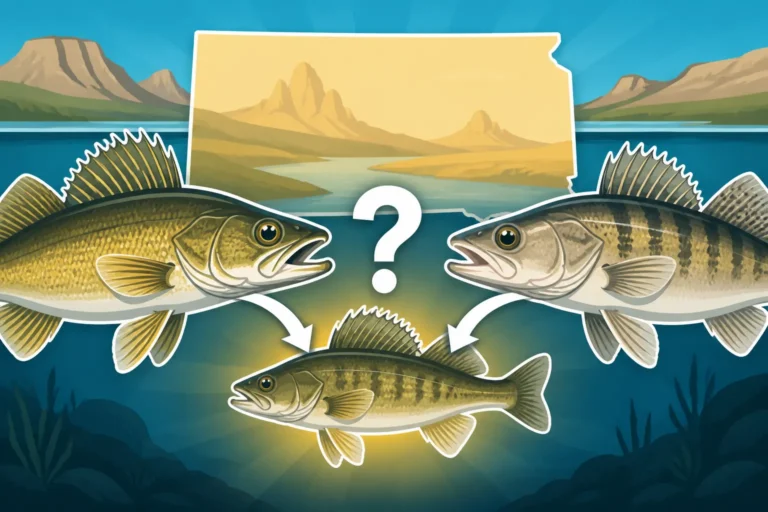
Ever wonder why some years the walleye on Lake Oahe seem to be plump and plentiful, while other times they feel a bit leaner or harder to find? It's not just luck; there's a whole world of dedicated biologists working tirelessly behind the scenes to understand exactly what's going on beneath the surface. This guide will pull back the curtain on the fascinating, critical work of tracking walleye growth on Lake Oahe, showing you how these scientific insights directly impact your fishing success and the health of this incredible fishery.
Why Tracking Walleye Growth on Lake Oahe Matters to Every Angler
When you hook into a healthy walleye on Lake Oahe, you're not just experiencing a moment of personal triumph; you're connecting with a complex ecosystem. Biologists track walleye growth for deeply practical reasons, and their findings are vital for ensuring that Lake Oahe remains a premier walleye destination for years to come. Without this data, managing the fishery would be like flying blind, leading to potential overharvesting, dwindling populations, or missed opportunities to enhance the fishery.
Understanding Population Health and Sustainability
Think of walleye growth as a vital sign for the entire lake. If walleye are growing well, it generally indicates a healthy food web, sufficient forage, and good habitat conditions. Conversely, slow growth or poor body condition can signal problems like overpopulation (too many fish competing for limited food), a decline in baitfish populations, or environmental stressors. For anglers, this directly translates to the size and number of fish they're likely to catch. Nobody wants to spend their day reeling in scrawny, underfed walleye. Sustainable fishing relies on understanding these trends, allowing game and fish agencies to set appropriate South Dakota Walleye Limits and South Dakota Fishing Season Dates and Limits that balance angler enjoyment with the long-term health of the fish population.
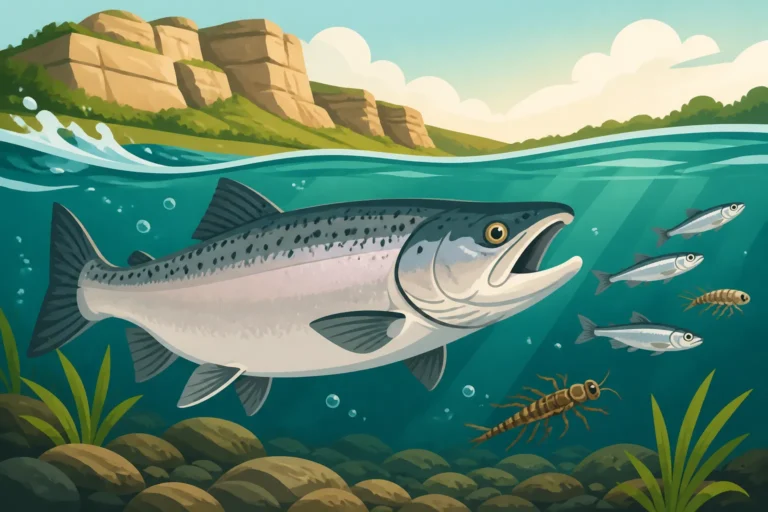
For instance, if biologists see a consistent trend of walleye in a certain age class being smaller than expected, they might investigate the availability of their primary food sources, such as gizzard shad or smelt. If these forage fish are scarce, it impacts everything, from the walleye's growth rate to their overall survival. This is why understanding Forage Fish South Dakota Walleye Rely On is so crucial. By keeping a close eye on growth, they can make informed decisions about stocking efforts, harvest regulations, or habitat improvements that will benefit the walleye and, by extension, your next fishing trip.
Informing Management Decisions and Regulations
The data collected on walleye growth isn't just for curiosity; it's the backbone of scientific fisheries management. Every regulation you see, from daily limits to slot limits, is based on a wealth of collected and analyzed information. Biologists use growth rates to model how fast a walleye population can replenish itself, how many fish can be harvested without harming the breeding stock, and at what size fish are most productive for spawning.
Let's consider a scenario: if a particular year class of walleye is showing exceptionally fast growth, it might indicate an abundance of forage. This could lead to recommendations for slightly more liberal harvest limits for that specific year class in the future, allowing anglers to capitalize on a strong population while still protecting the overall health. On the other hand, if growth rates are stagnant across multiple age classes, it might trigger more conservative limits or even the implementation of "slot limits" – where fish within a certain size range must be released – to protect prime spawning-size fish and allow smaller fish to grow. These decisions, though sometimes debated by anglers, are designed to protect the very resource we all cherish. Understanding What a Fish Population Survey Measures is key to appreciating the science behind these rules.
The Scientific Toolkit: How Biologists Measure Walleye Age and Growth
So, how do biologists get this vital information? It's a combination of field work, laboratory analysis, and a good bit of scientific detective work. They don't just guess; they gather hard data using methods that have been refined over decades to provide accurate insights into a fish's life story.
Field Collection: Catching and Sampling Walleye
The first step in tracking walleye growth involves getting fish into the hands of biologists. This is typically done through various sampling methods designed to capture a representative cross-section of the walleye population across different age and size classes. Common methods on Lake Oahe include gill netting, electrofishing, and trap netting. These techniques allow biologists to catch fish with minimal harm, measure them, and collect biological samples.
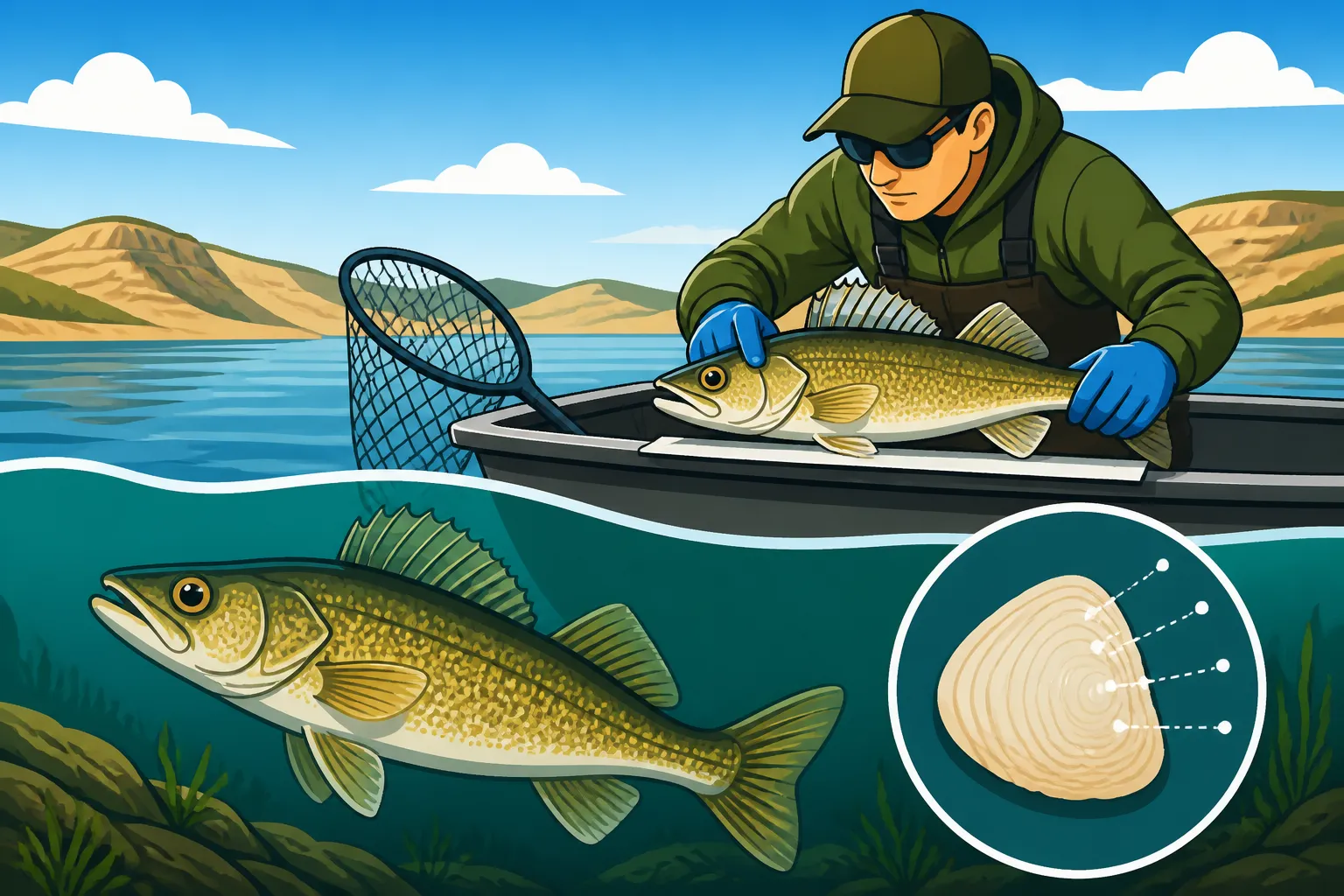
When a walleye is caught, trained technicians quickly measure its total length and weight. These basic metrics are essential for establishing growth trends over time. Imagine trying to track your child's growth without a measuring tape or scale – it would be impossible! For fish, it's the same principle. Some state agencies might even use portable, accurate digital scales, similar to those you might find on Amazon, for quick and precise measurements right on the boat. Beyond measurements, a small sample of scales or, more commonly for walleye, otoliths (ear bones) are taken. These structures contain growth rings, much like tree rings, that reveal the fish's age and even how much it grew each year. After collection, the walleye is typically released back into the lake, often with a small tag if it's part of a tagging study, allowing biologists to track individual fish movements and growth if recaptured.
Laboratory Analysis: Reading the Rings of Time
Back in the lab, the real "reading" of a walleye's life story begins. This is where those tiny scales or otoliths become invaluable.
Otoliths: The Gold Standard for Walleye Aging
For walleye, otoliths are generally considered the most reliable method for age determination. These small, calcified structures are located in the fish's inner ear and grow throughout its life, laying down distinct rings (annuli) that correspond to annual growth cycles. Think of them as tiny, natural hard drives storing a lifetime of data. To "read" an otolith, biologists often embed it in epoxy resin, then use a specialized saw to cut thin cross-sections. These sections are then polished and viewed under a microscope. Each dark ring represents a period of slow growth, typically during winter when food is scarce and metabolism slows, marking the end of one year and the beginning of the next. The spacing between these rings reveals how much the fish grew in a given year. Wider spacing means faster growth, while narrower spacing indicates slower growth, often due to environmental conditions, disease, or lack of food. Specialized microscopes and imaging software, which can sometimes be sourced from suppliers like Amazon, aid in precise measurement and analysis of these intricate rings.
Scales: A Quicker, Though Less Precise, Alternative
While otoliths are preferred for walleye, scales can also be used for aging. Fish scales, like otoliths, also display growth rings. The process involves carefully removing a few scales from the fish's side, typically below the dorsal fin, and then cleaning and mounting them on a slide. Under a microscope, biologists can identify the annuli. However, scales can be more prone to reabsorption (where old growth is reabsorbed by the fish's body) or regeneration after injury, which can make accurate aging more challenging, especially for older fish. Still, for large-scale, rapid assessment of younger fish populations, scale sampling remains a valuable and less invasive option.
Calculating Growth Rates and Condition Factors
Once age is determined, biologists can combine this data with the length and weight measurements taken in the field to calculate various growth parameters.
- Average Length at Age: This is a straightforward calculation that shows the average length of walleye at each year of life. For instance, knowing the South Dakota Walleye Size and Age Chart helps illustrate how many inches of growth is typical for a 3-year-old walleye versus a 5-year-old.
- Growth Increment: By comparing the length of the same fish at different ages (retroactively determined from otoliths), biologists can see how much a fish grew in a specific year. This helps identify periods of rapid growth or stagnation.
- Condition Factor (K): This calculation relates a fish's weight to its length, providing an indication of its plumpness or overall health. A higher condition factor generally means the fish is heavier for its length, indicating good feeding and health. Conversely, a low condition factor suggests poor body condition. This metric is extremely useful in diagnosing potential issues within the fishery, such as insufficient forage base.
These metrics allow biologists to construct South Dakota Walleye Growth Rates on Lake Oahe, offering a comprehensive picture of how walleye are faring year after year.
Here's a simplified look at how biologists use different data points:
| Data Point | Collection Method | Purpose in Growth Tracking | Insight Provided |
|---|---|---|---|
| Length | Measuring Board | Baseline for growth & age-length relationships | Overall size, growth trajectory |
| Weight | Digital Scale | Used with length for condition factor | Fish health, plumpness (condition) |
| Otoliths | Surgical Removal | Primary method for precise age determination | Exact age, annual growth increments |
| Scales | Gentle Scraping | Alternative for age, less precise for older fish | Age (especially for younger fish), general growth patterns |
| Location/Date | GPS/Logbook | Context for environmental factors | Regional growth differences, seasonal impacts on growth |
| Stomach Content | Gastric Lavage (optional) | Forage availability and diet analysis | What fish are eating, how it affects growth |
Decoding the Data: What Walleye Growth Rates Tell Us About Lake Oahe's Health
The true power of collecting all this data comes from interpreting it and translating it into actionable insights. Biologists don't just collect numbers; they tell a story about the lake's ecological health and future.
Identifying Trends and Anomalies
By analyzing years of growth data, biologists can identify long-term trends. Are walleye consistently growing faster or slower than they did a decade ago? Are there specific age classes that are underperforming? Such trends can highlight significant changes in the lake's environment, like shifts in water temperature, changes in nutrient levels, or fluctuations in the abundance of prey species. For example, a sudden drop in growth rates across multiple age classes might signal a collapse in a key forage population, prompting further investigation and potentially management interventions.
Conversely, an unusually strong year class with rapid growth could point to optimal spawning conditions and an abundant food supply during their early years. This is exciting news for anglers, as it means a boom of healthy, catchable walleye is on the horizon. Biologists also use these patterns to predict future fishing conditions, giving anglers a heads-up on what to expect. This knowledge directly contributes to managing expectations and guiding anglers towards the Best Time of Year to Fish in South Dakota for specific sizes of walleye.
Impact of Forage Base and Environmental Factors
Lake Oahe is a massive, complex reservoir, and what walleye eat, and the conditions they live in, profoundly impact their growth. When the forage base, like the Rainbow Smelt or Gizzard Shad, is abundant and healthy, walleye have plenty to eat, leading to faster growth and better overall condition. However, if these prey species decline due to environmental changes, disease, or even angling pressure on the forage, walleye growth will suffer. This is a delicate balance that biologists constantly monitor.
Environmental factors also play a huge role. Water temperature, oxygen levels, and even water clarity can influence walleye metabolism and feeding behavior. A particularly warm summer might lead to faster growth if food is abundant, but extreme temperatures or low oxygen can stress fish and hinder growth. Drought conditions, leading to lower water levels, can concentrate fish but also stress them if habitat shrinks. Understanding these dynamics helps explain why growth rates fluctuate year to year and provides clues about how the lake is responding to broader environmental changes. The information from fish surveys helps the South Dakota Game, Fish and Parks make informed decisions about issues like South Dakota Fish Consumption Advisories Explained, ensuring the fish you catch are not only healthy but safe to eat.
Your Role in the Bigger Picture: Supporting Walleye Research
You, as an angler, might feel like a small part of this grand scientific endeavor, but your contributions, both direct and indirect, are incredibly valuable. Every time you follow regulations, practice ethical angling, or even share your observations, you're helping.
Adhering to Regulations and Reporting Catches
The most fundamental way anglers support walleye growth tracking is by adhering to fishing regulations. South Dakota Fishing Regulations Explained are not arbitrary rules; they are carefully crafted based on the very data we've been discussing. Respecting size limits, daily limits, and season closures ensures that enough fish survive to reproduce and contribute to future generations, and that fish have the opportunity to reach optimal growth. If everyone disregarded these rules, the careful balance identified by biologists would quickly be disrupted, potentially leading to a decline in the very fishery we enjoy.
Furthermore, participating in angler surveys or reporting tagged fish can provide invaluable data. If you happen to catch a tagged walleye, make sure to record the tag number, date, location of catch, and the fish's length and weight before releasing it (if regulations allow). This information contributes directly to understanding individual fish movement, survival, and growth over time. You might even find instructions on how to submit this data online, often found in the South Dakota GFP Fishing Handbook Guide.
Practicing Catch-and-Release Responsibly
For many anglers, especially those targeting larger, trophy-sized walleye, catch-and-release is a common practice. When done correctly, this practice can help maintain healthy populations of larger, more genetically robust fish. However, releasing a fish improperly can lead to delayed mortality. Using appropriate gear, minimizing handling time, and employing techniques that reduce stress on the fish (like using circle hooks or quickly removing hooks) are crucial. Investing in proper tools like a rubberized net (available on Amazon) can greatly reduce scale and slime coat damage, improving a fish's chances of survival after release.
Consider the implications of how catch-and-release impacts growth data: if too many fish die after release, it skews population estimates and can give a false impression of a healthy, growing population. Therefore, being a responsible angler who prioritizes the fish's well-being is an indirect but significant contribution to the biologists' work and the long-term health of Lake Oahe's walleye fishery. The South Dakota Game, Fish and Parks often encourages careful handling, especially when dealing with South Dakota Walleye Limits or special regulations like slot limits, where certain fish must be returned to the water.
Understanding Your Gear's Role in Data Collection
While biologists have their specialized gear, even your personal fishing equipment can contribute to a more informed angling experience, allowing you to better understand the fish you're targeting. For example, modern fish finders, particularly those with advanced sonar capabilities, can help you identify depth and structure where walleye are holding. When you combine this with a mental understanding of walleye growth patterns, you can make more educated guesses about what size fish might be in a certain area or depth.
If you’re serious about keeping accurate records of your catches, investing in a good quality measuring board and a precise digital scale (many excellent options are available on Amazon) allows you to record exact lengths and weights. This information, even if just for personal logs, helps you track your own success and, indirectly, align with the data collection principles biologists use. Knowing the average growth rates can help you identify a truly exceptional fish versus a typical one for its age. This kind of detailed record-keeping by anglers, while not a direct contribution to scientific surveys, fosters a deeper connection to the fishery and an appreciation for the biological data that informs its management.
Disclaimer
This article is for general informational purposes only and does not constitute professional advice. Laws, prices and regulations vary by location and change over time. Consult a qualified professional for guidance on your specific situation.