South Dakota Walleye World Record
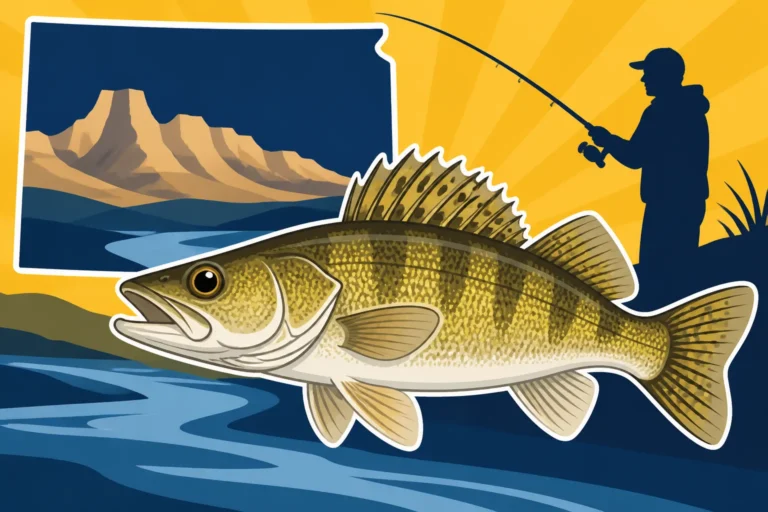
The dream of landing a true giant, a walleye that pushes the scales and might even rewrite the record books, is a powerful current that runs through the veins of every passionate angler in South Dakota. We’ve all heard the whispers, seen the photos, and perhaps even felt that electric pull on the line that suggests something truly special is down there. This guide isn't just about the current state record; it’s a deep dive into the legacy, the pursuit, and the detailed knowledge you'll need if you ever hope to join the elite club of those who've caught a South Dakota monster walleye.
The Allure of a Walleye World Record
There’s something undeniably captivating about the idea of a "world record" fish. It transcends just a good day on the water; it's about making history, etching your name into the annals of angling legend, and inspiring countless others to cast their lines with renewed hope. For many, catching any fish is a joy, but the pursuit of a record-breaker adds an entirely different layer of dedication, strategy, and even a touch of obsession. It’s the ultimate fishing fantasy, especially when you're fishing in waters as renowned as South Dakota's.
What Makes a Walleye "World Record" Worthy?
When we talk about a "world record" walleye, we're not just discussing a really big fish that looks impressive in a photo. There’s a stringent process and specific criteria that must be met for a fish to be officially recognized. Organizations like the International Game Fish Association (IGFA) maintain these records, and they require meticulous documentation, precise measurements, and often sworn affidavits from witnesses. It’s about proving beyond a shadow of a doubt that your catch is legitimate and surpasses all previous entries. This level of verification ensures the integrity of the record books and adds to the prestige of any fish that makes the cut.
Beyond the official paperwork, a world record walleye represents the pinnacle of its species. It's a fish that has defied the odds, evaded countless anglers, and grown to an extraordinary size, a testament to its environment and its own survival instincts. These fish are often old, wise, and incredibly strong, making the battle to bring them to the net a truly epic struggle. The stories behind these catches often speak of hours, days, or even years of dedication, studying patterns, and relentless pursuit, making the eventual triumph all the sweeter.
South Dakota's Reputation for Trophy Walleye
South Dakota isn't just a place with good fishing; it's a bonafide walleye mecca, widely recognized for producing some of the largest and most abundant walleye populations in the country. The state's diverse aquatic landscapes, particularly the expansive Missouri River reservoirs like Lake Oahe, Lake Sharpe, Lake Francis Case, and Lewis and Clark Lake, along with its prolific Glacial Lakes in the eastern part of the state, create ideal habitats for walleye to thrive and grow to impressive sizes. The combination of nutrient-rich waters, abundant forage, and excellent fisheries management contributes significantly to this reputation.
Anglers from across the nation flock to South Dakota each year, drawn by the promise of battling these formidable fish. Our waters consistently yield walleye that exceed the 20-inch mark, with many pushing into the trophy class of 25 inches and beyond. This consistent production of large fish isn't accidental; it's the result of healthy ecosystems and dedicated conservation efforts, which make the dream of a record walleye a tangible possibility rather than just a pipe dream. It's why every time you drop a line in a South Dakota lake, there's that extra spark of excitement, knowing that a true behemoth could be just a bite away.
The Official South Dakota Walleye Record
Every state has its legendary fish, and in South Dakota, the walleye record is one that anglers speak of with reverence. It represents the ultimate achievement on our home waters, a benchmark against which all other impressive catches are measured. While the idea of a world record walleye often conjures images of massive fish from other regions, South Dakota's own state record is a truly monumental catch, holding its own with the best of them.
The Current State Record Holder
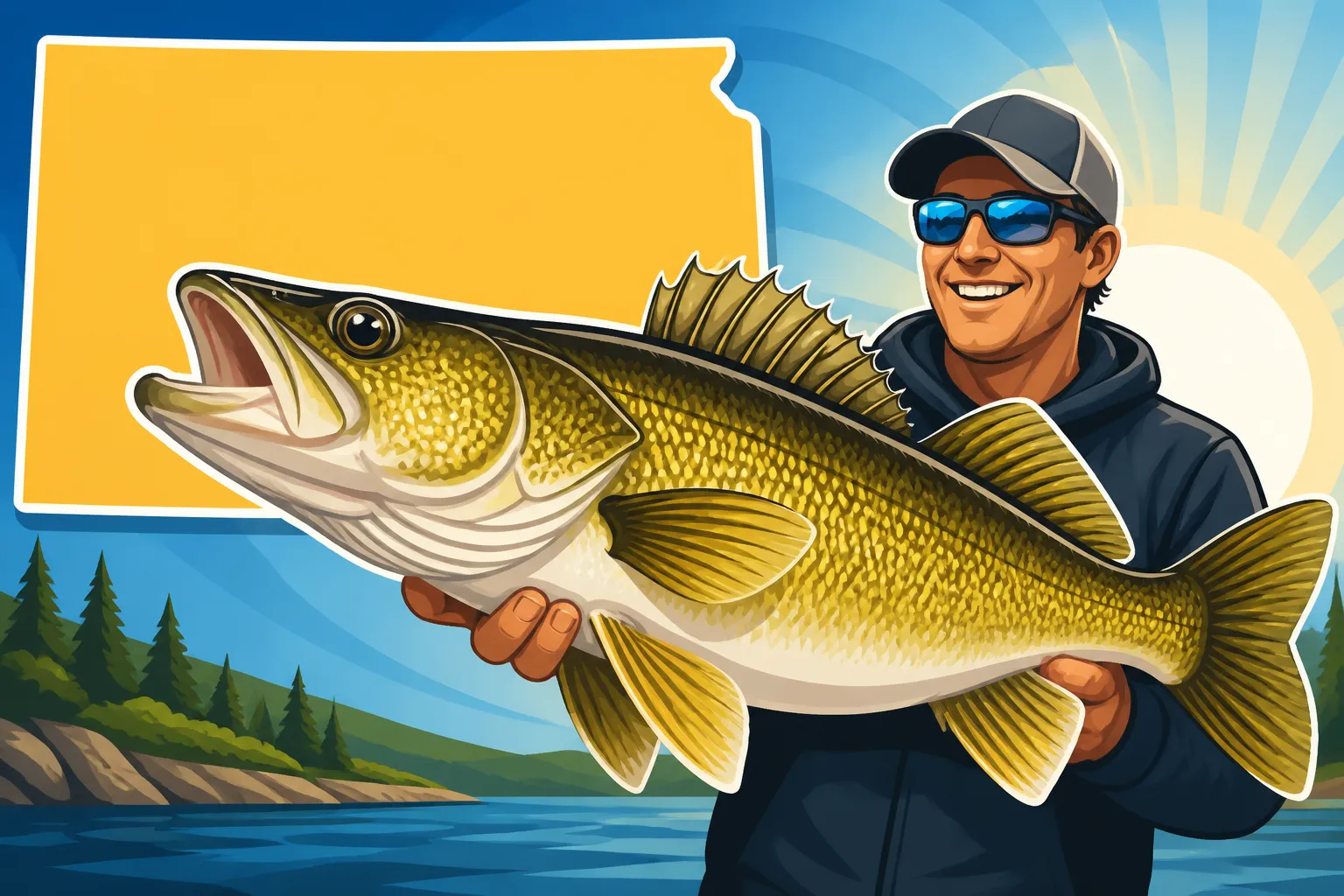
The current South Dakota state record walleye is a fish of immense proportions, weighing in at a staggering 16 pounds, 2 ounces. This colossal fish was caught by angler Keith Fischer in the year 1979 on Lake Sharpe, near the city of Pierre. Imagine the thrill, the heart-pounding fight, and the sheer disbelief of pulling such a magnificent creature from the water. This particular walleye has held the top spot for decades, standing as a testament to the incredible potential of our state's fisheries and the dedicated anglers who ply its waters.
Many anglers have come close over the years, catching fish in the 14 and 15-pound range, but none have yet managed to surpass Fischer's legendary catch. It's a record that inspires awe and keeps the competition alive, proving that Lake Sharpe, and indeed many of our Missouri River system lakes, are capable of growing truly world-class walleye. Every season, hopeful anglers target these waters, knowing that somewhere in its depths, another monster walleye might be lurking, waiting to challenge that long-standing record.
The Story Behind the Catch
While the details of a nearly fifty-year-old catch might be a little hazy over time, the essence of Keith Fischer's legendary walleye remains clear. It was a cold, blustery day in early spring, a time when many anglers are just starting to dust off their gear. Fischer was reportedly fishing with a jig-and-minnow combination, a classic and highly effective presentation for hungry post-spawn walleye. The exact spot on Lake Sharpe is part of the angler's folklore, but it's known that the Missouri River reservoirs often hold their largest fish in deep-water structures or along current breaks where they can ambush unsuspecting forage.
The fight itself must have been epic. A walleye of that size possesses incredible power and endurance, capable of long, drag-screaming runs and stubborn dives. Bringing a 16-pound walleye to the boat on standard walleye tackle would have been a monumental task, requiring skill, patience, and a bit of luck. Once landed, the process of officially weighing and measuring the fish would have been paramount, ensuring it was done on a certified scale with witnesses, adhering to all the requirements set by the state's Game, Fish and Parks department. This catch wasn't just a fish; it was a moment that etched itself into South Dakota's angling history, a story that continues to be told and retold among fishing enthusiasts. You can often find similar stories and details about fish behavior in the South Dakota GFP Fishing Handbook Guide.
Chasing the Dream: What It Takes to Catch a Giant
The quest for a record-breaking walleye is a journey that requires more than just luck. It demands a deep understanding of the fish, specialized gear, and refined techniques. It’s about being prepared, persistent, and perhaps a little bit obsessed. While not every big fish is a record, the principles for targeting truly oversized walleye remain consistent.
Understanding Walleye Behavior and Habitat
To catch a monster walleye, you first have to think like one. Big walleye are often creatures of habit, gravitating towards specific types of structure and forage. They tend to be more solitary than their smaller counterparts, preferring ambush points where they can effortlessly pick off unsuspecting baitfish. This often means focusing on deep-water humps, long tapering points, sharp breaks leading to river channels, and submerged timber or rock piles. The availability of food is paramount, so understanding the main forage species in a particular lake and how they move throughout the year is crucial.
Seasonal changes drastically affect walleye behavior. In spring, they'll be in shallower areas for spawning, then transition to deeper, cooler water during the summer months, often suspending over open water or clinging to deeper structures. Fall sees them moving back shallower to feed aggressively before winter sets in. Mastering these patterns is fundamental. A great resource to start with is our South Dakota Walleye Fishing Guide, which provides a comprehensive overview of how these fish behave in our waters. Knowing when and where to expect them is half the battle won when pursuing a fish of a lifetime.
Essential Gear for Trophy Walleye
When you're targeting fish that could potentially be state or even world record contenders, your gear needs to be up to the challenge. A standard walleye setup might handle a 5-pounder, but a 15-pound behemoth will test the limits of every component. Look for medium-heavy to heavy power rods with a fast action, typically in the 7 to 8-foot range, which provide the backbone needed to turn a big fish and the sensitivity to detect subtle bites in deep water. Pair these with high-quality spinning reels or baitcasters known for their smooth drag systems and robust construction. You'll want to spool up with strong, low-stretch braided line, often in the 15- to 30-pound test range, with a fluorocarbon leader of 10- to 20-pound test for abrasion resistance and stealth.
Beyond the rod and reel, your terminal tackle is equally important. Heavy jigs (1/2 to 1 ounce or more), large crankbaits designed to dive deep, and stout live bait hooks are all part of the arsenal. Don't skimp on quality; a single weak link in your setup can cost you the fish of a lifetime. Many anglers find great deals on quality rods, reels, and lines by browsing platforms like Amazon, where a wide selection of top brands is available. Investing in reliable gear isn't just about catching more fish; it's about being prepared for that one extraordinary fish that might come along. For more specific recommendations, check out our guide on Best Fishing Rods and Reels for Walleye.
Techniques for Targeting Big Fish
While many techniques can catch walleye, specifically targeting trophy walleye often requires a slightly different approach. Big fish didn't get big by being careless; they're smart, often solitary, and can be incredibly wary. Trolling is a highly effective method, especially in large reservoirs like Lake Oahe and Lake Sharpe. Using large profile crankbaits that mimic substantial forage fish, deployed on planer boards or downriggers, allows you to cover vast amounts of water at specific depths. Varying your trolling speed and experimenting with different lure colors can make a huge difference. Our article on Trolling for Walleye on Lake Oahe dives into this technique in much greater detail.
Another potent method is precision jigging over deep structure. This involves using heavy jigs (tipped with large minnows or soft plastics) to probe humps, points, and channel edges where big walleye are likely to be lurking. A sensitive rod and a good electronics unit are critical for identifying these subtle spots and presenting your bait directly to the fish. Live bait rigging, particularly with large shiners or suckers, can also entice lethargic giants that might ignore artificials. Whatever technique you choose, patience is your greatest virtue. Big fish bites are often fewer and farther between, but the reward is undoubtedly worth the wait. Knowing How to Fish for Walleye in South Dakota will give you a strong foundation to build upon.
Key South Dakota Waters for Record Walleye Potential
South Dakota is blessed with an abundance of fantastic fishing opportunities, but when it comes to chasing record-breaking walleye, some waters stand out above the rest. These are the lakes and rivers that consistently produce giant fish, year after year, thanks to their unique characteristics and robust ecosystems.
The Mighty Missouri River Reservoirs
Without a doubt, the Missouri River system reservoirs are the crown jewels of South Dakota walleye fishing, offering the most significant potential for catching a state or even world record fish. These massive impoundments—Lake Oahe, Lake Sharpe, Lake Francis Case, and Lewis and Clark Lake—stretch for hundreds of miles, creating vast and diverse habitats for walleye. Their sheer size means there's ample room for fish to grow old and large, and the abundance of forage, primarily smelt and shad, provides a rich diet that contributes to their impressive growth rates.
- Lake Oahe: Known for its deep, cold waters and massive forage base, Lake Oahe Fishing Guide details how this reservoir is a top producer of true trophy walleye, especially in its lower reaches and main lake basin. Its size can be intimidating, but careful mapping and understanding current breaks can lead to incredible finds.
- Lake Sharpe: The site of the current state record, Lake Sharpe continues to yield monster walleye. Its unique flow characteristics and abundance of baitfish make it an incredibly fertile ground for large fish. Check out our Lake Sharpe Fishing Guide for more on its potential.
- Lake Francis Case: While perhaps known for its consistent numbers of eating-sized walleye, Lake Francis Case Fishing Guide reminds us it also harbors its share of giants, particularly in its deeper channels and around significant structural elements.
These reservoirs are large, dynamic bodies of water, and understanding their nuances is key. They offer diverse fishing opportunities, from trolling the open basin to jigging deep structure, all with the possibility of connecting with a record-class walleye.
Glacial Lakes and Other Hotspots
While the Missouri River reservoirs grab many headlines, eastern South Dakota's Glacial Lakes also hold significant promise for trophy walleye, often offering a different fishing experience. These lakes, formed by ancient glaciers, are typically shallower, more fertile, and feature abundant aquatic vegetation. Lakes like Waubay, Bitter Lake, Lake Thompson, and Lake Poinsett are known for their strong walleye populations and occasional giants, particularly during specific seasons.
These lakes might not have the sheer volume of the Missouri River reservoirs, but their rich ecosystems can still produce exceptionally large walleye. Often, these fish will be found relating to weed lines, submerged points, or rock reefs, providing excellent opportunities for both casting and trolling techniques. While a world record might be less likely here, these waters offer fantastic opportunities for trophy-sized walleye that would make any angler proud. Exploring the South Dakota Glacial Lakes Fishing Guide can help you pinpoint these hidden gems and understand their unique fishing challenges and rewards.
| Water Body | Primary Type | Trophy Walleye Potential | Key Characteristics for Big Fish | Common Techniques for Giants |
|---|---|---|---|---|
| Lake Oahe | Missouri River Res. | High | Deep, cold water; vast forage (smelt); extensive structure | Deep trolling, jigging main lake points/humps |
| Lake Sharpe | Missouri River Res. | High (State Record Site) | Moderate flow; abundant shad/minnows; diverse depths | Jigging, bottom bouncing, trolling main channel breaks |
| Lake Francis Case | Missouri River Res. | Medium-High | Moderate depth; robust forage; river channel influence | Trolling structure, jigging, live bait rigging |
| Lewis & Clark Lake | Missouri River Res. | Medium | Transition zone; varied structure; excellent overall fishery | Trolling, jigging, slip bobber for suspended fish |
| Glacial Lakes (e.g., Waubay, Thompson) | Natural Lakes | Medium-High | Shallow, fertile, weed beds; abundant panfish forage | Casting crankbaits, trolling weed edges, jigging transitions |
The Official Process for Verifying a Record Fish
Catching a truly massive walleye is an incredible feat, but having it recognized as a state or world record requires a specific, meticulous process. This isn't just about pulling out your phone for a quick picture; it involves precise documentation and adherence to strict rules. Failing to follow these steps correctly could mean your monumental catch goes unrecognized, a heartbreaking thought after such an accomplishment.
The Importance of Proper Measurement and Weighing
The moment you land a potential record fish, the clock starts ticking. First and foremost, you need to ensure the fish is kept alive and healthy if you intend to release it after verification. For a record, the fish must be weighed on a certified scale, meaning one that has been officially tested and approved for accuracy. This is typically done at a reputable bait shop, tackle store, or grocery store with a certified scale. You'll need at least two witnesses (who are not immediate family members or part of your fishing party) to observe the weighing process and sign an affidavit.
Beyond the weight, accurate measurements are crucial. This includes total length (from the tip of the nose to the tip of the longest tail lobe) and girth (the widest part of the fish's body). These measurements must be taken carefully and without stretching the fish. Many anglers carry a flexible tape measure for this purpose. High-quality photographs from multiple angles, clearly showing the entire fish, the angler, and the measurement process, are also vital evidence. The goal is to leave no doubt about the fish's true size and identity.
Submitting Your Claim and Documentation
Once you have your fish weighed and measured, and you've secured your witnesses, the next step is to contact the relevant authorities. For a state record, you would typically reach out to the South Dakota Game, Fish and Parks (GFP) department as quickly as possible. They will provide you with the necessary forms, which usually require detailed information about the catch, the location, the gear used, and the signed statements from your witnesses. Photos are often a required part of the submission.
If you believe your fish might be a world record, the process involves submitting a claim to organizations like the International Game Fish Association (IGFA). Their requirements are even more rigorous, often asking for line samples, specific leader lengths, and highly detailed affidavits. It's a thorough process designed to ensure that world records are truly legitimate and beyond reproach. Missing a single step in this documentation process could invalidate your claim, so it's essential to familiarize yourself with the requirements before you even head out on the water. Details about state-specific rules are often found in the South Dakota Fishing Regulations Explained or the South Dakota GFP Fishing Handbook Guide.
Preserving the Legacy and Ethical Angling
Catching a truly large walleye, whether it's a state record or just a personal best, comes with a responsibility to the resource. Ethical angling practices and conservation are paramount, ensuring that future generations of anglers have the same opportunities to pursue their own dreams of a monster walleye.
Catch and Release for Future Generations
The reality is that truly giant walleye are often old fish. These older, larger females are incredibly valuable to the fishery as prime breeders, contributing significantly to the population's health and genetic strength. While keeping a state record fish for taxidermy is a personal choice, many anglers are increasingly opting for catch and release, especially for trophy-sized walleye that don't quite break a record. Releasing these fish allows them to continue spawning and growing, potentially offering another angler the chance to catch them, or even to grow into the next record-breaker.
If you choose to release a large walleye, proper handling is critical. Minimize the time the fish is out of the water, support its full body weight horizontally, and avoid handling it by the jaw alone, which can damage its internal organs. Use rubberized nets to protect their slime coat, and try to revive the fish gently in the water before letting it go. Releasing a magnificent fish back into its element, knowing it will continue its journey, is often as rewarding as the catch itself. This contributes to the overall health of the fish populations and helps manage species effectively, aligning with principles often outlined in South Dakota Fish Limits and Size Restrictions.
Respecting the Resource and Regulations
Part of being an ethical angler, and certainly part of the journey to finding a record walleye, is a deep respect for the natural environment and the regulations designed to protect it. South Dakota's fishing rules are put in place by wildlife biologists and conservation experts to ensure sustainable fisheries for all. This includes understanding South Dakota Fishing License Guide requirements, adhering to slot limits, daily possession limits, and any special regulations specific to certain bodies of water. For example, some areas might have artificial lure-only rules or specific size restrictions to protect vulnerable fish populations.
Always check the current year's fishing regulations before you head out, as rules can change. Be mindful of your impact on the environment, properly dispose of all trash, and practice "leave no trace" principles. The pursuit of a record walleye is a noble one, but it should never come at the expense of the resource itself. Our shared passion for fishing depends on our collective commitment to conservation and responsible angling practices, preserving the wonder of South Dakota's waters for years to come.
Disclaimer
This article is for general informational purposes only and does not constitute professional advice. Laws, prices and regulations vary by location and change over time. Consult a qualified professional for guidance on your specific situation.