What Size Hook to Use for Panfish
Oh, the humble panfish! They might be small, but they bring some of the biggest joys to anglers, especially families with kids. However, if you’ve ever found yourself frustrated by missed bites or fish that seem to nibble without committing, chances are you've run into the age-old dilemma: "What size hook should I be using?" It's a question that plagues many, and choosing the right hook can feel like a game of chance, leading to frustrating days on the water. This guide is going to strip away the guesswork, helping you pick the perfect hook size for those feisty South Dakota panfish so you can enjoy more successful outings.
Understanding Panfish and Their Mouths
Before we dive into specific hook sizes, let's take a moment to truly appreciate what we're fishing for. Panfish, as the name suggests, are generally smaller species, perfectly sized for a frying pan. But beyond their deliciousness, they share a common trait that's crucial for hook selection: relatively small and often delicate mouths.
Common South Dakota Panfish Species
South Dakota is blessed with an abundance of fantastic panfish opportunities, offering something for everyone, whether you're dangling a worm off a dock or getting serious with micro jigs. Each species has its own subtle characteristics, especially when it comes to their feeding habits and mouth structure.
Crappie (White and Black)
Ah, crappie! These are perennial favorites, often found schooling in lakes and reservoirs across the state. Whether you're targeting white crappie or black crappie, you'll notice their mouths are somewhat protrusible, meaning they can extend them to engulf prey. However, the skin around their mouths is famously thin and "papery." This means a hook that's too thick or set too aggressively can tear right through, leading to lost fish right at the boat. You’ll want a hook that penetrates easily and holds securely without causing excessive damage. If you're looking to really dial in your crappie game, our detailed guide on the South Dakota Crappie Fishing Guide might be a great next read.
Bluegill and Sunfish
These are the quintessential backyard pond fish, the ones that often introduce kids to the joy of fishing. Bluegill, green sunfish, pumpkinseed – they all fall into this beloved category. Their mouths are generally small and almost perfectly circular, designed for picking small insects, larvae, and bits of plant matter off surfaces. They don't have large, gaping maw like a northern pike; instead, they have a precise, almost sipping bite. Trying to shove a large hook into a bluegill's mouth is like trying to fit a square peg in a round hole – it just doesn’t work well, leading to frustration for both you and the fish.
Yellow Perch
Yellow perch are another superstar in South Dakota, especially during the ice fishing season. While they share the panfish moniker, their mouths are a bit more robust than a bluegill's, though still far smaller than a walleye's. They tend to have a slightly more aggressive strike and can gulp down baits more readily. However, their mouths aren't huge, so going overboard on hook size is still a recipe for missed opportunities. Our article on the South Dakota Perch Fishing Guide covers these speckled beauties in more detail.
Why Hook Size Matters More for Panfish
You might think, "It's just a fish, a hook is a hook, right?" Well, not quite, and especially not with panfish. For larger, more aggressive predators, a slight mismatch in hook size might be forgiven because they're simply engulfing the bait. Panfish, however, are often more discerning, and their physical limitations mean precise hook selection is critical.
Missing Bites and Frustration
Imagine you're out on the water, the bobber is doing its little dance, dipping and twitching, but when you set the hook, nothing's there. Or worse, you feel a brief tug, then it's gone. This scenario is incredibly common when your hook is too big. The fish simply can't get the entire hook (and bait) into its mouth. It might mouth the bait, peck at it, or even try to swim off with the bait danging from its lip, but the hook point never finds purchase. This leads to endless frustration, ruined bait, and a lack of fish in the bucket.
Swallowed Hooks and Fish Mortality
On the flip side, sometimes a fish does manage to get a too-large hook into its mouth, but it ends up swallowing it deep. While some anglers might not mind for keepers, if you're practicing catch and release or targeting smaller fish to cull, a deeply swallowed hook can be fatal. Removing a hook from a fish's gills or gut is incredibly difficult and often causes irreparable damage. Using an appropriately sized hook ensures that the hook sets in the corner of the mouth or lip, making for a quick and easy release, which is vital for maintaining healthy fish populations.
The Goldilocks Zone: Ideal Hook Sizes for Panfish
Finding that "just right" hook size for panfish is truly like a Goldilocks story. Too big, and you miss fish. Too small, and you might have trouble with bait presentation or hook strength. But don't worry, there's a sweet spot, and we're going to help you find it.
General Recommendations for Crappie, Bluegill, and Perch
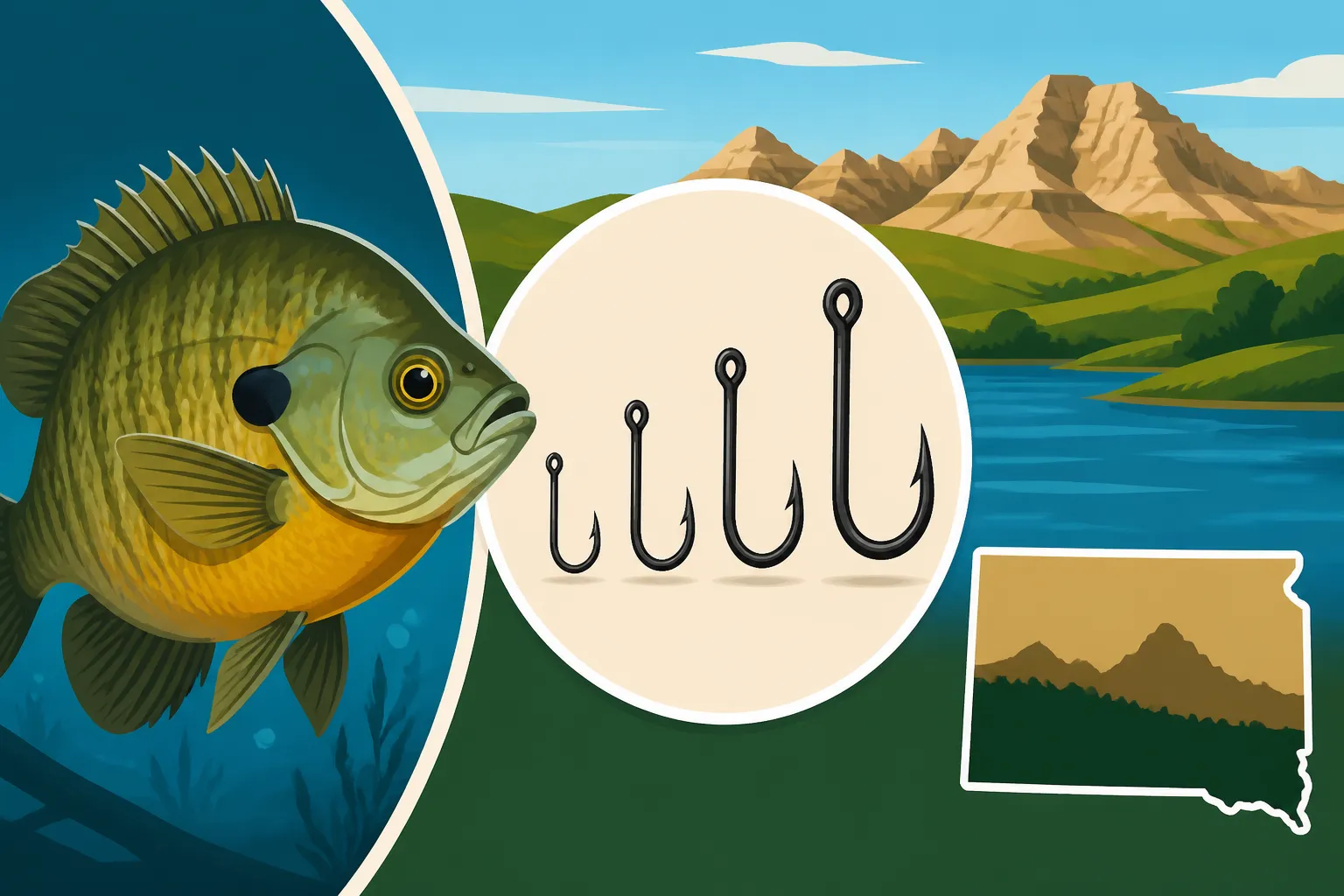
When we talk about hook sizes, it's important to remember the numbering system: the larger the number, the smaller the hook. So, a #10 hook is smaller than a #6 hook, and a #1/0 hook is larger than a #1 hook (this applies to larger hooks, where the "slash zero" size gets bigger as the number before the /0 increases, like #1/0, #2/0, etc.). Panfish almost exclusively fall into the single-digit positive number category (#1, #2, #4, #6, #8, #10, #12, etc.).
Crappie: #4 to #8
For crappie, a general range of #4 to #8 often hits the mark.
- #6 or #8: These are fantastic starting points, especially if you're using smaller minnows (like a 1-inch or 1.5-inch fathead), waxworms, or small crappie jigs. The lighter wire of these hooks allows for easy penetration into their papery mouths. For finicky crappie, especially in cold water, you might even drop down to a #10 hook to present your bait as naturally as possible. Think about those days when you're just getting tiny pecks; a smaller hook might be the answer.
- #4: If you're using slightly larger minnows or targeting bigger "slab" crappie, a #4 hook can be effective. It provides a bit more strength and gape to accommodate the larger bait.
Bluegill and Sunfish: #8 to #12
When it comes to bluegill and other sunfish, you need to go small – really small.
- #10 or #12: These tiny hooks are perfect. They match the diminutive size of a bluegill's mouth, allowing them to easily suck in the bait and hook. When using a tiny piece of worm, a single kernel of corn, or a waxworm, these sizes are ideal. A #12 hook can sometimes feel impossibly small to tie on, but it makes a huge difference in hook-up ratios for these species. If you're consistently catching them, you might consider something like the South Dakota Panfish Fishing Guide for more tips on these species.
- #8: You can use an #8 hook for bluegill, especially if you're using a slightly larger bait or want a bit more hook strength. However, you might find your hook-up rate drops slightly compared to a #10 or #12.
Yellow Perch: #6 to #10
Perch fall somewhere in between crappie and bluegill in terms of mouth size and aggression.
- #8 or #10: These are usually excellent choices for yellow perch. They're small enough for perch to readily take, but stout enough to handle their more eager bites. They work well with small minnows, pieces of nightcrawler, or maggots.
- #6: If you're getting into some truly jumbo perch, or if you're using a slightly larger piece of bait, a #6 hook can be a good option. However, for average perch, aim for the #8 or #10.
Considering Bait Size and Type
The bait you choose is inextricably linked to your hook size. It's not just about the fish's mouth; it's also about how effectively the bait is presented and how much of the hook point is exposed.
Small Baits (Waxworms, Maggots, Small Pieces of Worm)
If your chosen bait is tiny – think a single waxworm, a couple of maggots, or a small section of a nightcrawler – then your hook needs to be equally tiny. A #10 or #12 hook is typically perfect. The goal is for the hook to be mostly hidden by the bait, yet still have enough exposed point to grab the fish's lip. A hook that's too big will dwarf the bait, make it look unnatural, and reduce the chances of a bite. You might find great assortments of these smaller hooks, often labeled "ice fishing hooks" or "panfish hooks," readily available on sites like Amazon.
Minnows (Live Bait)
For live minnows, especially for crappie or perch, the hook's job is to hold the minnow securely and keep it lively, all while being easily ingested by the target fish.
- Smaller Minnows (1-2 inches): A #6 or #8 Aberdeen or J-hook is usually ideal. You want to hook the minnow lightly, either through the lips or just behind the dorsal fin, to allow it to swim naturally. A hook that’s too large or heavy will hinder the minnow’s movement, making it less appealing to fish.
- Larger Minnows (2-3 inches): If you're using slightly bigger minnows for larger crappie or perch, you might go up to a #4 hook. Again, prioritize keeping the minnow active.
Artificial Jigs and Baits
When using artificial lures like tiny soft plastics or hair jigs, the hook is integrated into the lure itself. Here, the key is to match the jig head's hook size to the intended species.
- Micro Jigs (1/64 oz to 1/32 oz): These almost always come with very small hooks, typically #8 or #10, making them perfect for bluegill and smaller crappie. The lightweight presentation allows the jig to flutter enticingly.
- Standard Panfish Jigs (1/16 oz to 1/8 oz): These will often have #4 to #6 hooks, suitable for crappie and perch. The overall size of the jig and its hook should still be manageable for the panfish to engulf.
Hook Styles and Their Advantages for Panfish
Beyond just size, the style of hook also plays a significant role in your panfish success. Different designs offer various benefits.
Aberdeen Hooks
These are perhaps the most popular choice for live bait panfishing. They are characterized by their light, thin wire and a relatively wide gap.
- Advantages: The thin wire penetrates easily, which is crucial for the papery mouths of crappie and the delicate mouths of bluegill. If you get snagged on a rock or weed, the thin wire can often bend and then be straightened out, saving your hook. They are also gentle on smaller baits, allowing them to stay alive longer. You can often find bulk packs of Aberdeen hooks on Amazon, making them an economical choice.
J-Hooks (Standard Bait Hooks)
These are the classic "shepherd's crook" shaped hooks. They are versatile and widely available.
- Advantages: They come in a vast array of sizes and wire strengths. For panfish, look for smaller, lighter wire J-hooks. They are effective for most natural baits.
Circle Hooks
While more commonly associated with larger game fish to prevent gut hooking, some smaller circle hooks can be used for panfish, especially if you're fishing with kids or want to maximize release success.
- Advantages: The design encourages the hook to set in the corner of the fish's mouth as it swims away, reducing the chance of swallowing the hook. This is particularly good for catch-and-release fishing. However, they require a different hooking technique (no aggressive hook set – just a steady reel-in) which can take some getting used to.
Jig Hooks
These are hooks designed to have lead or tungsten molded onto them, forming a jig head.
- Advantages: They are perfect for presenting artificial soft plastics or small live baits in a vertical presentation, common in ice fishing or when targeting suspended fish. The hook bend is often exposed, providing a good hook-up ratio.
Situational Adjustments: When to Go Smaller or Slightly Larger
Fishing isn't always about sticking to one rule; it's about adapting. The weather, water temperature, and fish mood can all dictate subtle changes to your approach, including hook size.
Cold Water, Finicky Bites, and Ultra-Light Presentation
When the water gets cold, especially during late fall or throughout the ice fishing season in South Dakota, panfish become much less aggressive. Their metabolism slows down, and they're less willing to chase or strike at a large, clumsy offering. This is where going even smaller on your hook can be a game-changer.
-
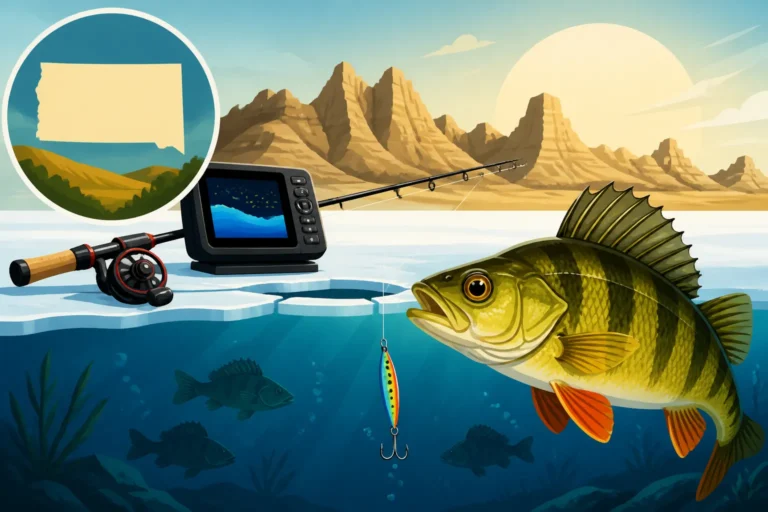
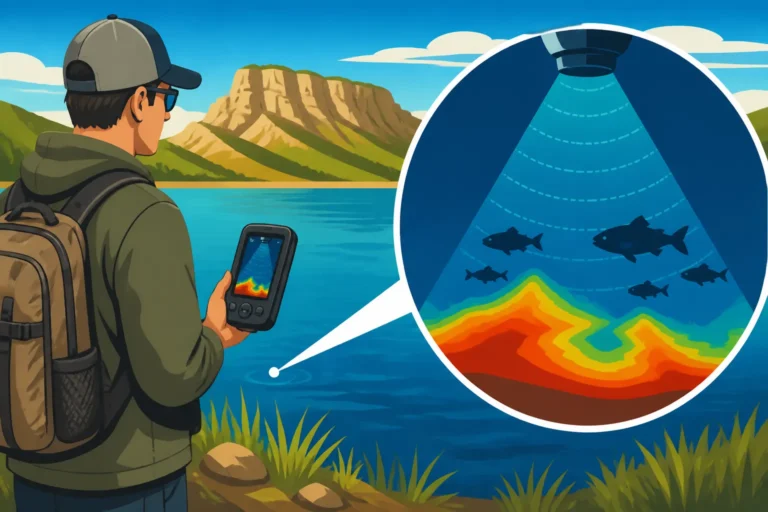
Ice Fishing Scenario: Imagine you're out on a frozen South Dakota lake, perhaps Lake Kampeska, trying to tempt some yellow perch. You're using a small minnow on a #8 hook, but the fish on your flasher are just nudging it without taking. Switching to a #10 or even a #12 hook, possibly a specialized ice jig with an even smaller, sharper hook, can often turn those nudges into solid bites. The smaller, lighter hook allows your bait to sink more slowly and drift more naturally, mimicking a truly effortless meal. This is crucial for a lethargic fish that doesn't want to expend much energy. If you're serious about hard water, our South Dakota Ice Fishing Guide offers a wealth of information, and the Ice Fishing Gear Basics for Beginners can help you get started with the right equipment.
-
Subtle Presentation: In clear water, or when fish are pressured, a smaller hook is less visible. It makes your bait appear more natural and less suspicious. Think about those glassy days on a small pond where every movement spooks the fish; a fine wire, tiny hook attached to ultra-light line can be the secret weapon. This delicate approach can make all the difference.
Targeting Larger Panfish or Deeper Water
While the general rule is "go small," there are times when a slight size up is warranted. This usually happens when you're consistently catching larger-than-average panfish or if your fishing technique requires a slightly more robust setup.
- Trophy Crappie Hunting: If you're specifically targeting those "slab" crappie – fish pushing or exceeding 12-14 inches – you might find that a #4 or even a #2 hook (with a smaller gape than you'd expect for that number) is more appropriate, especially if you're presenting a larger minnow or a chunk of nightcrawler. These bigger fish have slightly larger mouths and can handle a bit more hardware. However, always ensure the hook point is sharp and the wire isn't excessively thick to maintain easy penetration.
- Fishing Deeper with Heavier Bait: When you're fishing deeper water, say 20-30 feet, and perhaps using a slightly heavier split shot or a larger piece of bait to get down quickly, a slightly sturdier hook might be beneficial. The increased weight can sometimes cause a thin-wire hook to straighten under pressure if you're battling a good-sized fish, especially if you have a tight drag. A #6 Aberdeen, for instance, offers a good balance of finesse and strength.
The Importance of Line and Rod Choice
Hook size doesn't exist in a vacuum. It's part of an integrated system, and for panfish, that system leans heavily towards finesse.
- Ultra-Light Rods: Pairing tiny hooks with an ultra-light action rod is crucial. These rods have very sensitive tips that detect even the most subtle panfish bites, and their parabolic bend helps protect light lines from breaking and delicate hooksets from tearing out.
- Light Line: For #8, #10, or #12 hooks, you should almost exclusively be using monofilament or fluorocarbon line in the 2-4 pound test range. Braided line, while sensitive, can be too visible and often requires a fluorocarbon leader. A light line allows your bait to move naturally and doesn't add undue weight or resistance that could deter a finicky panfish. Trying to use a #10 hook with 10-pound test line is like trying to drive a nail with a feather – it simply won't work efficiently. When considering your entire setup, remember that different fish, like walleye, require different gear; our article on the Best Tackle for South Dakota Walleye Fishing illustrates this difference well.
Practical Tips for Panfish Hook Selection and Usage
So, now that you understand the nuances, how do you put this into practice on the water? A few simple habits can make all the difference.
Carrying a Variety of Hooks
The most important tip I can give you is never to go fishing for panfish with just one hook size or style. Conditions change, fish preferences shift, and what worked yesterday might not work today.
- Panfish Tackle Box Essentials: Have a small, dedicated tackle box or section within your main box specifically for panfish. Stock it with a range of Aberdeen or J-hooks in sizes #4 through #12. Include a few pre-tied panfish jigs in various weights and colors. This preparation will allow you to quickly adapt to what the fish are telling you. Many anglers find it convenient to buy multi-packs or assortments of panfish hooks from retailers like Amazon, which often provide a good range of sizes for a reasonable cost.
- "Match the Hatch" for Hooks: Just like matching your lures to the local baitfish, you should be ready to "match the hook" to the fish's mood and mouth size. If the bluegill are barely nipping at a #8, drop down to a #10. If the crappie are aggressively hitting small minnows, ensure your #6 hook is doing its job.
Observing the Bite and Adjusting
Fishing is a constant learning process. Pay close attention to how the fish are biting, and don't be afraid to experiment.
- If You're Missing Bites: This is the most common indicator that your hook might be too large. If your bobber is going down, but you're not connecting, try switching to a smaller hook. Even a single size down (e.g., from a #6 to a #8) can make a huge difference in hook-up ratios. This also applies if the fish are just "mouthing" the bait without taking it completely.
- If Fish Are Swallowing Hooks: While panfish are notorious for being aggressive eaters, consistently gut-hooked fish often mean your hook is too small or your bait is too large for the hook, leading the fish to swallow the entire offering before the hook can find purchase in the lip. Sometimes, a slightly larger hook (or a different style like a circle hook) can ensure a better lip-hook set. Another factor can be your hook-set timing; waiting too long allows the fish to swallow deeper.
- Experiment with Presentation: Sometimes it's not just the hook size, but how you're presenting it. A smaller hook often comes with a lighter weight, allowing for a slower fall and more natural movement, which can entice more bites. This is particularly true for crappie fishing. Consider whether a horizontal or vertical presentation is working better, and how your hook choice impacts that. You can read more about specific tactics in articles like How to Catch Crappie in Spring or even general seasonal advice in South Dakota Fishing Seasons Explained.
Hook Sharpening and Replacement
Panfish hooks, especially the thin-wire ones, can dull quickly. They bend, they hit rocks, they get dragged through weeds. A dull hook is practically useless.
- Keep a Hook Sharpener Handy: A small, fine-grit hook sharpener is an inexpensive and essential tool for any panfish angler. A few quick passes can restore the needle-sharp point needed for effortless penetration. Test your hook by dragging the point lightly across your thumbnail; if it slides, it's dull. If it digs in, it's sharp.
- Replace When Damaged: Thin-wire hooks can also bend or weaken. If you've straightened a hook out of a snag, or if it looks visibly bent or rusted, it's time to replace it. A compromised hook will either fail on a good fish or repeatedly cause you to miss bites. Fresh, sharp hooks are your best friend for consistent panfish success.
By understanding the unique mouth structures of South Dakota's panfish, matching your hook to your bait, and making thoughtful adjustments based on conditions, you'll dramatically increase your success rate and enjoy every twitch of that bobber a whole lot more!
South Dakota Panfish Hook Size Quick Reference
Here's a handy table to quickly reference common panfish species and their ideal hook size ranges:
| Panfish Species | Recommended Hook Size Range | Preferred Hook Styles | Common Bait/Lure Examples | Notes |
|---|---|---|---|---|
| Crappie | #4 to #8 | Aberdeen, J-Hooks, Jig Hooks | Small minnows, waxworms, small soft plastics, hair jigs | Lighter wire for easy penetration, especially in thin mouths. |
| Bluegill/Sunfish | #8 to #12 | Aberdeen, J-Hooks | Waxworms, maggots, tiny pieces of nightcrawler, corn | Go as small as possible; focus on small, circular mouths. |
| Yellow Perch | #6 to #10 | Aberdeen, J-Hooks, Jig Hooks | Small minnows, maggots, pieces of nightcrawler | Slightly more robust than bluegill, but still requires finesse. |
| General Panfish | #6 to #10 | Aberdeen, J-Hooks | Varies by target, but a good all-around range | Keep a variety! Adjust based on fish size and how aggressively they are biting. |
This table provides a great starting point, but always remember to observe the fish and be willing to experiment with slightly larger or smaller hooks as conditions dictate. And don't forget to check the Do Kids Need a Fishing License in South Dakota? rules before taking your young anglers out for their first panfish adventure!
Disclaimer
This article is for general informational purposes only and does not constitute professional advice. Laws, prices and regulations vary by location and change over time. Consult a qualified professional for guidance on your specific situation.