Best South Dakota Rivers for Catfish Fishing
Navigating the vast and winding rivers of South Dakota in search of the perfect catfish bite can sometimes feel like an overwhelming quest. Many anglers find themselves wondering which stretches of river truly hold the biggest, most aggressive whiskered wonders, and how to best approach these often-challenging waters. This comprehensive guide will cut through the guesswork, leading you straight to South Dakota's prime catfish fishing rivers and arming you with the knowledge to make your next outing a memorable one.
The Allure of Catfishing in South Dakota Rivers
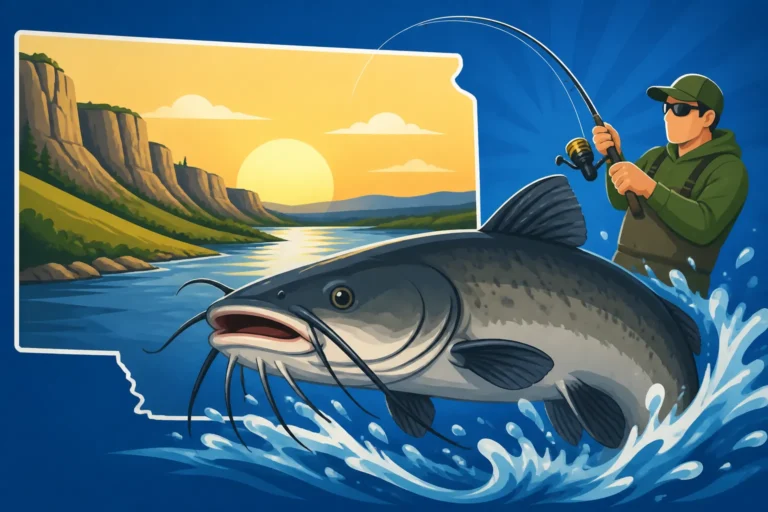
There's something undeniably special about tying into a hefty catfish in a river environment. Unlike their lake-dwelling cousins, river catfish often possess an extra surge of power, honed by a lifetime of battling currents and foraging in dynamic ecosystems. It’s a pursuit that appeals to both the casual angler looking for consistent action and the dedicated trophy hunter seeking that truly massive specimen. South Dakota's river systems offer an incredible diversity of habitats, from wide, dammed sections of the Missouri to narrow, winding tributaries, each with its own character and abundance of catfish.
Why River Catfish are a Different Beast
Imagine casting your line into a swift current, feeling the subtle tap, and then the unmistakable surge as a powerful fish takes your bait. That’s the river catfish experience in a nutshell. These fish live in an environment that demands strength and adaptability. They’re constantly working against the flow, using structure, depth, and current breaks to ambush prey. This constant exertion translates into incredible fighting power once hooked. You'll often find them tucked behind logs, in deep scour holes, or along current seams, waiting for an easy meal to drift by. The challenge of locating these prime feeding lanes and then wrestling a strong river cat out of heavy cover is precisely what makes river catfishing so exhilarating. It's a true test of an angler's skill, requiring robust gear and a keen understanding of river dynamics.
Beyond the fight, river environments often support healthy populations of catfish, frequently leading to good numbers of catchable fish. The ever-changing nature of a river means that every outing can be a new adventure, as fish move with water levels, forage availability, and seasonal patterns. This constant flux keeps you on your toes and ensures that the thrill of discovery is always part of the game.
Identifying South Dakota's Catfish Species
Before you can truly target river catfish, it helps to know who you're looking for! South Dakota is primarily home to two main species of catfish: the Channel Catfish and the Flathead Catfish. While both are fantastic sport fish, they have different preferred habitats and feeding behaviors.
Channel Catfish are by far the most widespread and abundant. They are easily recognizable by their deeply forked tails, slender bodies, and usually dark, spotted coloration (though older, larger channels may lose their spots and appear more uniformly dark). They are opportunistic feeders, eating just about anything from insects and crustaceans to small fish and decaying organic matter. You'll find them in almost every river system across the state, from the muddy bottoms of the James River to the clearer, more current-swept sections of the Missouri. They are incredibly popular for their aggressive bites and excellent table fare.
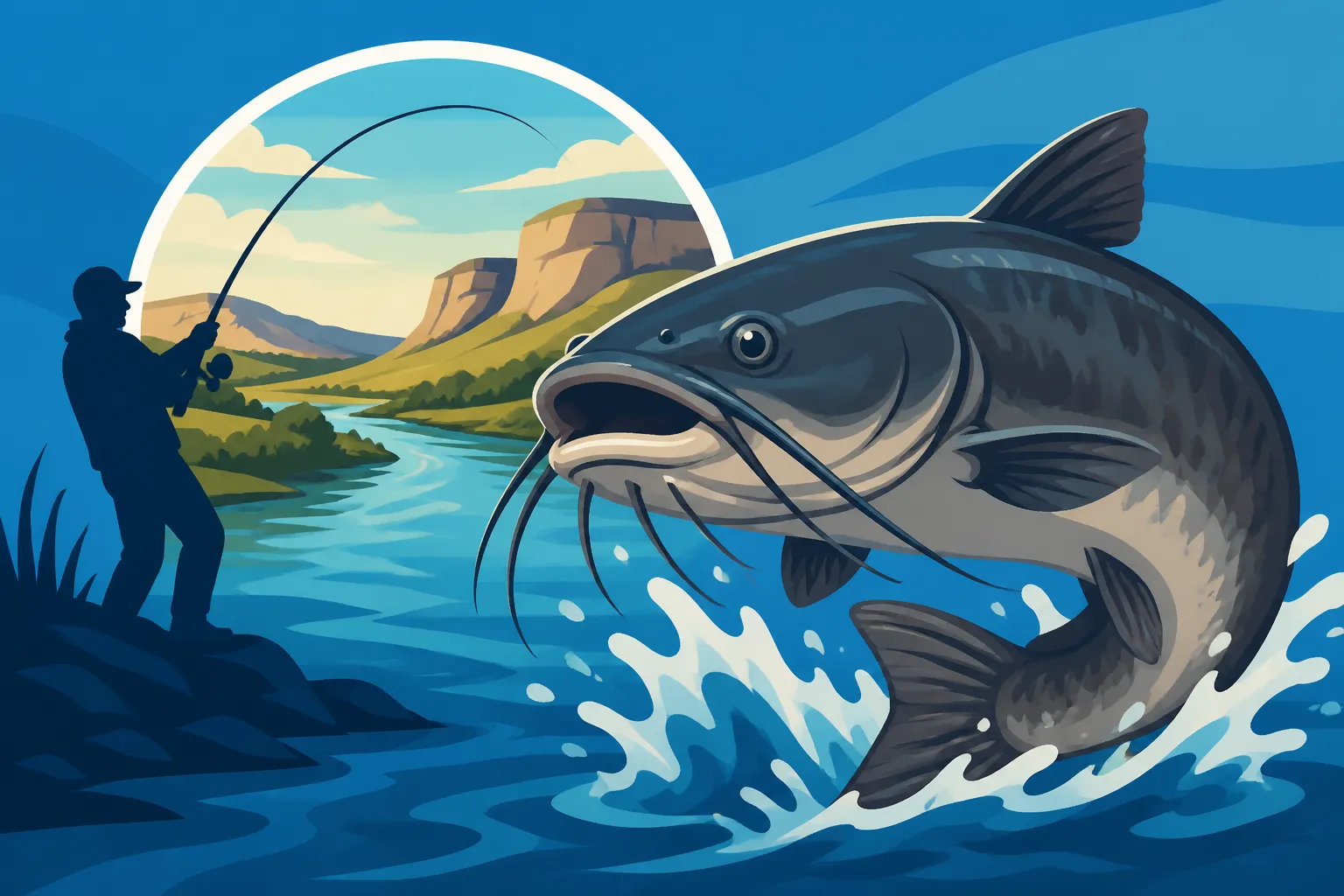
Flathead Catfish, on the other hand, are the true giants of the river. They boast a broad, flattened head (hence the name), a protruding lower jaw, and a square or slightly notched tail, not forked like a channel cat. Their coloration is typically mottled brown or yellow, allowing them to blend in with rocky or woody bottoms. Flatheads are strict predators, preferring live bait such as sunfish, bullheads, or suckers. They are ambush hunters, typically found in areas with heavy cover like logjams, undercut banks, or deep holes where they can hide and wait for prey. Catching a large flathead is a monumental achievement, demanding heavy tackle and immense patience. For those seeking a true river monster, the flathead is the ultimate prize in many of South Dakota's larger rivers. Knowing these differences will greatly influence your bait choice, tackle, and the specific locations you target.
The Missouri River System: Catfish Central
When it comes to catfish fishing in South Dakota, the mighty Missouri River system stands head and shoulders above the rest. This colossal waterway, with its series of massive reservoirs and powerful tailwaters, offers an incredible diversity of environments perfect for both channel and flathead catfish. From the serene backwaters to the turbulent currents below the dams, every angler can find their preferred challenge here. The sheer size and productivity of the Missouri means it’s a go-to destination for anyone serious about catching catfish.
The Mainstem Missouri: From Gavins Point to Oahe Dam
The Missouri River in South Dakota is essentially a chain of four major reservoirs: Lewis and Clark Lake, Lake Francis Case, Lake Sharpe, and Lake Oahe, moving upstream from the Nebraska border. Each reservoir, while part of the same river, offers slightly different catfishing experiences due to variations in depth, current, and bottom structure.
Lower down, around Lewis and Clark Lake near Yankton, the river starts to broaden. You’ll find abundant channel catfish here, especially in the calmer bays, creek mouths, and areas with some current breaks. The reservoir still retains a riverine feel in many areas, particularly in the main channel. As you move upstream into Lake Francis Case, especially around the Platte Creek area or deeper channels, you'll encounter a robust population of both channel and flathead catfish. Look for deeper holes and areas with submerged timber. This section is well-known for producing excellent numbers of eater-sized channels and some impressive flatheads hiding in the depths.
Further north, Lake Sharpe near Pierre offers a unique experience. While it's a reservoir, it maintains a fairly consistent flow, providing excellent oxygenation and a constant supply of forage. The tailwaters below the Big Bend Dam are particularly renowned for their catfish action. Downstream from the dam, the current can be strong, but catfish stack up to feed. Heading up the reservoir, areas like Joe Creek and the many points and inlets provide excellent opportunities. Lastly, the expansive Lake Oahe, stretching all the way to North Dakota, is a world-class fishery for many species, including catfish. While known for its walleye, the deeper, muddier sections and the mouths of its major tributaries like the Cheyenne River Arm and the Grand River arm hold substantial populations of large channel catfish. Look for old river channels, submerged structures, and areas where baitfish congregate. The best approach often involves drifting cut bait or fishing prepared baits on the bottom in various depths, letting the scent trail do the work in the vastness of these lakes. Remember, consistent effort and moving to find active fish are key in these huge bodies of water.
Key Tributaries and Backwaters for Hidden Gems
While the mainstem Missouri reservoirs offer incredible action, don't overlook the smaller tributaries and countless backwater areas. These often-overlooked spots can be absolute honey holes, providing a more intimate fishing experience and sometimes even better opportunities for trophy fish that prefer less pressure. Rivers like the Bad River, which flows into the Missouri near Fort Pierre, or the Cheyenne River, a massive tributary flowing into Lake Oahe, offer miles of prime catfishing waters. These smaller rivers and their adjacent sloughs and oxbows often have slower currents, abundant cover like logjams and undercut banks, and rich food sources – perfect conditions for both channel and flathead catfish.
Fishing these areas often involves different tactics. Instead of wide-open trolling, you might be anchoring near a snag pile or tight-lining bait into a deep bend. Kayaks, canoes, or small john boats are often ideal for accessing these tighter, shallower waterways where larger boats can't go. Look for deep holes, current breaks created by fallen trees, or areas where smaller creeks feed into the main river, bringing with them nutrients and baitfish. These "hidden gems" can offer a quieter, more rewarding experience, far from the bustling main channels, and provide a chance to connect with some truly impressive, less pressured fish.
Navigating the Dams: Tailwaters and Their Bounty
The dams along the Missouri River—Gavins Point, Fort Randall, Big Bend, and Oahe—create some of the most dynamic and productive catfishing environments in South Dakota: the tailwaters. Below these massive structures, the turbulent water, strong currents, and constant discharge create a smorgasbord for catfish. Baitfish get disoriented, and food washes downstream, concentrating hungry catfish in relatively small areas.
The Missouri River Tailwater Fishing Below Gavins Point Dam and below Fort Randall Dam are legendary spots. Channel catfish, in particular, congregate in massive numbers, especially during periods of higher flow. Flatheads also make their presence known in the deeper scour holes created by the powerful currents. Fishing these tailwaters requires heavy tackle to handle the strong currents and potentially large fish. Heavy sinkers are essential to keep your bait on the bottom, and a sturdy rod and reel are crucial for battling fish that use the current to their advantage. Common tactics include anchoring upstream of a promising seam or hole and letting cut bait, prepared baits, or live bait drift naturally into the feeding zones. How to Catch Catfish on the Missouri River is an excellent resource for refining these specific techniques. The sheer volume of water moving through these areas ensures a constant food supply and keeps the catfish active, making them a consistently productive choice for serious anglers.
Eastern South Dakota's Hidden Catfish Havens
While the Missouri River gets a lot of the spotlight, Eastern South Dakota holds its own secrets for fantastic catfishing. The rivers here might not be as grand in scale, but what they lack in size, they more than make up for in character and catfish abundance. These waterways meander through agricultural lands, past small towns, and through pockets of untouched wilderness, offering a different kind of angling adventure compared to the vast Missouri. If you're looking for a more intimate, less crowded catfishing experience, these eastern rivers are absolutely worth exploring.
The James River: The "Dirty Jim" Delivers
Affectionately known as the "Dirty Jim," the James River is one of the longest un-dammed rivers in the United States, flowing south through the heart of Eastern South Dakota. Its slow, meandering current, often muddy waters, and abundant submerged timber and snags make it an absolute paradise for channel catfish. This river might not produce the massive flatheads of the Missouri, but it consistently delivers impressive numbers of healthy, hard-fighting channel cats.
The "Dirty Jim" is characterized by its deep bends, undercut banks, and countless logjams – all prime catfish real estate. Fish often stack up in these areas, especially during warmer months. Anglers frequently find success by anchoring upstream of a promising bend or logjam and deploying multiple lines with various baits. Cut bait, worms, and various prepared "stink baits" are incredibly effective here. Access can be a mix of public boat ramps in towns like Huron or Mitchell, as well as more informal access points along county roads. James River Catfish Fishing Report can provide insights into current conditions and hotspots. The James is a fantastic river for bank anglers too, as many of its productive spots are reachable from shore. Just be ready for a strong fight, as these river-dwelling channels are powerful adversaries!
The Big Sioux River: Urban and Rural Opportunities
Flowing through cities like Watertown and Sioux Falls, the Big Sioux River offers a unique blend of urban accessibility and rural tranquility for catfish anglers. Don't let its passage through developed areas fool you; the Big Sioux can be a surprisingly productive catfish fishery, especially for channel cats. It's often overlooked, making it a great option for those seeking less pressure.
Within city limits, public parks and accessible riverbanks provide easy shore fishing opportunities. These urban stretches often hold good numbers of catfish that feed on whatever drifts by. But venture out into the more rural sections, and you'll discover a different side of the Big Sioux. Here, the river snakes through agricultural fields, with deeper pools, riffles, and more natural cover. Look for downed trees, brush piles, and any significant changes in depth or current. Kayaks and canoes are excellent for exploring these quieter stretches, allowing you to stealthily approach prime catfishing holes. Baits like cut bait, worms, and even chicken liver are highly effective. The beauty of the Big Sioux is its versatility; you can squeeze in a quick fishing trip after work in the city or plan a full day exploring its rural reaches, all with the consistent promise of catfish action. Big Sioux River Smallmouth Bass Fishing Report might give you an idea of the river's health and other species present, which can indicate forage for catfish.
Other Eastern Waterways: Smaller Rivers and Creeks
Beyond the James and Big Sioux, Eastern South Dakota is crisscrossed by a network of smaller rivers and creeks that, while not as widely known, can offer fantastic localized catfishing. Rivers like the Vermillion River and the various smaller tributaries feeding into the Glacial Lakes region often hold surprisingly good populations of channel catfish, particularly in their deeper pools and bends.
These smaller waterways typically require a more adventurous spirit. Access might be limited to bridge crossings, undeveloped public lands, or even asking for permission from landowners. Often, they are best fished with lightweight gear, focusing on smaller channel catfish which are abundant and eager to bite. Wade fishing, bank fishing, or using small inflatable boats are common approaches. Look for any significant cover—a logjam, an undercut bank, or a deep scour hole—especially after periods of rain when the current picks up and washes food downstream. While you might not find state record breakers in these smaller creeks, they offer consistent action, a peaceful setting, and the joy of discovering a truly local hotspot. They are perfect for a casual afternoon trip or introducing a new angler to the thrill of a bending rod.
Essential Gear and Tactics for River Catfishing
Successfully targeting catfish in South Dakota's diverse river systems isn't just about knowing where to go; it's also about having the right tools and strategies. River environments can be tough on gear, and catfish are powerful fighters. Equipping yourself properly and understanding effective tactics will dramatically increase your chances of success, whether you're chasing channel cats on the James or flatheads on the Missouri.
Rods, Reels, and Line for River Monsters
River catfishing demands robust equipment capable of handling strong currents and powerful fish. You're not typically finesse fishing here; you need gear that can take a beating and still perform.
Rods: Look for medium-heavy to heavy power rods, typically 7 to 9 feet long. The extra length helps with casting heavier baits and sinkers, managing line in current, and absorbing powerful runs. A moderate-fast action is often preferred, providing enough sensitivity to detect subtle bites while retaining the backbone needed to set hooks firmly and control big fish. Brands known for their durability are a good bet. If you're targeting flatheads in heavy cover, a heavy power rod is non-negotiable.
Reels: For channel catfish, a sturdy spinning reel in the 4000-6000 size range, or a baitcasting reel with a good drag system and line capacity, will serve you well. For flatheads and the stronger currents of the Missouri tailwaters, a robust baitcasting reel is often the preferred choice. Look for models with a high retrieve rate (to quickly reel in slack line) and, most importantly, a smooth, powerful drag that won't give out on a sustained run. When searching for reliable reels, check out the vast selection on Amazon where you can compare features and read reviews to find the perfect match for your river adventures.
Line: Monofilament line in the 15-30 lb test range is a good all-around choice for channel cats due to its abrasion resistance and stretch, which can act as a shock absorber. However, many serious river catfishermen prefer braided line for its incredible strength-to-diameter ratio, zero stretch for superior bite detection, and excellent abrasion resistance. For braided line, 30-80 lb test is common, depending on the target species and water conditions. Always use a tough monofilament or fluorocarbon leader (30-60 lb test) when using braid, especially in rocky or snag-filled environments, to absorb shock and prevent fish from seeing your main line.
Best Baits and Rigs for River Catfish
Choosing the right bait and rig is paramount to river catfishing success, as different species and conditions call for different approaches.
Baits:
- Cut Bait: This is a universal favorite for both channel and flathead catfish. Shad, suckers, goldeye, or even oily fish like mackerel cut into chunks or strips release a strong scent that catfish can detect from a distance. For flatheads, bigger chunks or whole small fish are often more effective.
- Prepared Baits (Stink Baits): These pungent concoctions, available in various forms (dips, doughs, chunks), are incredibly effective for channel catfish, especially in warmer, muddier waters like the James River. Their strong odor is a powerful attractant.
- Live Bait: Essential for flathead catfish. Small live sunfish, bullheads, or chubs hooked through the back or lips are irresistible to these predatory giants. Make sure to check South Dakota Fishing Regulations Explained for any rules regarding live bait use.
- Worms: Nightcrawlers or large earthworms can tempt smaller channel cats and are a reliable fallback bait when other options aren't working.
Rigs:
- Carolina Rig (Santee Cooper Rig): A versatile bottom rig, featuring an egg sinker or no-roll sinker above a swivel, followed by a leader (12-36 inches) and a circle hook. This allows the bait to move naturally in the current.
- Three-Way Swivel Rig: Excellent for presenting bait near the bottom in current. A three-way swivel connects your main line, a short line to a sinker (often a pyramid or bell sinker), and a longer leader (18-48 inches) to your hook. This keeps the bait suspended slightly off the bottom and allows the sinker to tumble along without snagging the bait itself.
- Slip Bobber Rig: While often associated with still water, a heavy-duty slip bobber can be effective in slower currents or backwaters to suspend live bait or cut bait at a precise depth, especially over submerged cover. You can find a wide array of specialized catfish hooks and rigs on Amazon to ensure you're ready for any situation.
Matching your bait and rig to the conditions and target species will make all the difference in putting fish in the boat.
Safety First: River Catfishing Considerations
Fishing in rivers, especially large ones like the Missouri, comes with inherent risks that must be taken seriously. Safety should always be your top priority.
Current Awareness: Rivers are dynamic. Currents can be powerful and unpredictable, especially around dams, bends, and during periods of high water. Always be aware of the current's strength and direction. If boating, know your boat's capabilities and always wear a life jacket. If wading, ensure you have stable footing and never wade in currents that are too strong or too deep. South Dakota Boat Safety Requirements provides essential information for boaters.
Boat Safety: If you're fishing from a boat, ensure it's equipped with all required safety gear, including enough life jackets for everyone on board, a sound-producing device, a fire extinguisher, and navigation lights if fishing at dusk or night. File a float plan with someone on shore, letting them know where you're going and when you expect to return. Always check weather forecasts before heading out; sudden storms can turn a calm river into a dangerous place in minutes. Keep a sharp knife handy in case you need to cut a fouled anchor rope or fishing line in an emergency.
Wading and Shore Safety: For bank and wade anglers, always wear appropriate footwear with good grip. A wading staff can be incredibly helpful for maintaining balance in current and probing for drop-offs or obstacles. Be mindful of slippery rocks, uneven bottoms, and sudden deep holes. When fishing from shore, be aware of your surroundings, especially if fishing near steep banks, crumbling edges, or heavy vegetation where snakes or other wildlife might be present. Carrying a small first-aid kit is always a good idea. Remember, no fish is worth risking your safety. A responsible angler prioritizes their well-being and that of their fishing companions.
South Dakota Catfish River Comparison
To help you decide where to focus your efforts, here's a quick comparison of South Dakota's top catfish rivers:
| River System | Primary Catfish Species | Typical Size Range (Channels) | Flathead Potential | Best Access Type | Key Features for Catfish |
|---|---|---|---|---|---|
| Missouri River | Channel, Flathead | 2-10 lbs (many) | High (trophy size) | Boat, Shore (tailwaters) | Deep channels, vast reservoirs, strong tailwaters, abundant structure |
| James River | Channel | 2-8 lbs (consistent) | Low to Moderate | Shore, Small Boat | Slow, muddy current, numerous logjams, deep bends, undercut banks |
| Big Sioux River | Channel | 1-6 lbs (good numbers) | Low | Shore, Small Boat | Urban accessibility, rural stretches, varied structure, less pressure |
| Smaller Eastern Rivers | Channel | 1-4 lbs (frequent) | Very Low | Shore, Wade, Kayak | Secluded, intimate, good for beginners, local hotspots, diverse cover |
This table provides a general overview, but conditions can vary greatly by season and specific location within each river system. For the most up-to-date information, checking local reports and engaging with local anglers is always a good practice. Don't be afraid to experiment and discover your own favorite spots!
Disclaimer
This article is for general informational purposes only and does not constitute professional advice. Laws, prices and regulations vary by location and change over time. Consult a qualified professional for guidance on your specific situation.