Angostura Reservoir Fishing Report
It can be incredibly frustrating to plan a fishing trip to a new lake or even a familiar one, only to arrive and find the conditions have changed, or the fish simply aren't biting where you expected. Angostura Reservoir, with its diverse fishery and ever-shifting conditions, can certainly present these challenges. This comprehensive guide aims to cut through the guesswork, offering you a realistic, up-to-date fishing report and practical advice to help you successfully navigate Angostura's waters and put more fish in your boat or on the bank.
Understanding Angostura Reservoir's Unique Fishery
Angostura Reservoir, nestled near Hot Springs in the beautiful Black Hills region of South Dakota, isn't just another pretty face; it's a dynamic and incredibly productive fishery that draws anglers from all over. What makes it so special is a combination of its geographical features, the type of water it holds, and the abundant forage that fuels its healthy fish populations.
Geographical Overview and Water Characteristics
Angostura spans roughly 4,400 acres, fed by the Cheyenne River, which brings a good mix of nutrients and occasional turbidity depending on rainfall and snowmelt upstream. The reservoir is fairly shallow in many areas, particularly on its western and northern ends, gradually deepening towards the dam on the eastern side. You'll find a mix of submerged timber, rocky points, sandy flats, and weed beds, all of which create fantastic habitat for a variety of fish species. The water clarity can vary throughout the year; generally, it's clearer in the main lake basin and towards the dam, becoming more stained in the river arms. This varied bottom structure and water clarity means that fish can be found in a wide range of environments, constantly moving as conditions change, making a good Angostura Reservoir fishing report invaluable. The overall health of the fishery is bolstered by its extensive shallow areas that warm quickly in spring, providing ideal spawning grounds for species like walleye and crappie.
Key Fish Species to Target
Angostura is celebrated for its diverse angling opportunities, making it a fantastic destination no matter what species you're after. While the focus often turns to one or two marquee fish, there are several outstanding options that keep rods bent year-round.
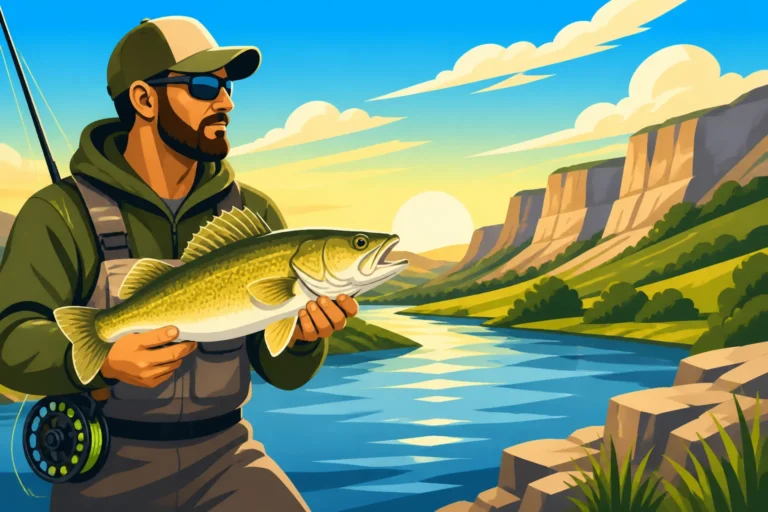
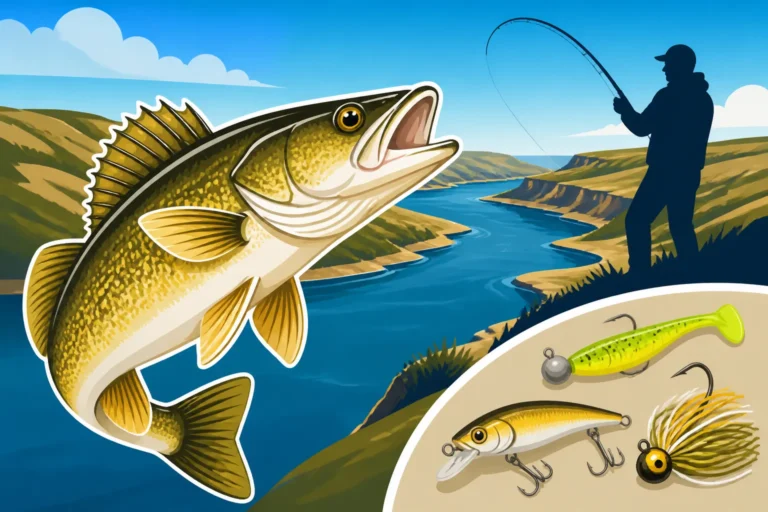
Walleye: Without a doubt, walleye are the reigning champions of Angostura. The reservoir consistently produces good numbers of fish, with a healthy population of keepers and the real potential for trophy-sized individuals. Anglers flock here specifically for the chance to hook into these tasty, hard-fighting fish. The South Dakota Walleye Fishing Guide will give you even more insights into chasing these beauties across the state.
Crappie: Angostura is also a phenomenal crappie lake. Both black and white crappie thrive here, often found in large schools, particularly around submerged structure and deeper weed lines. These panfish provide incredible action, especially during the spring and fall, and are a favorite for families and those looking for consistent bites.
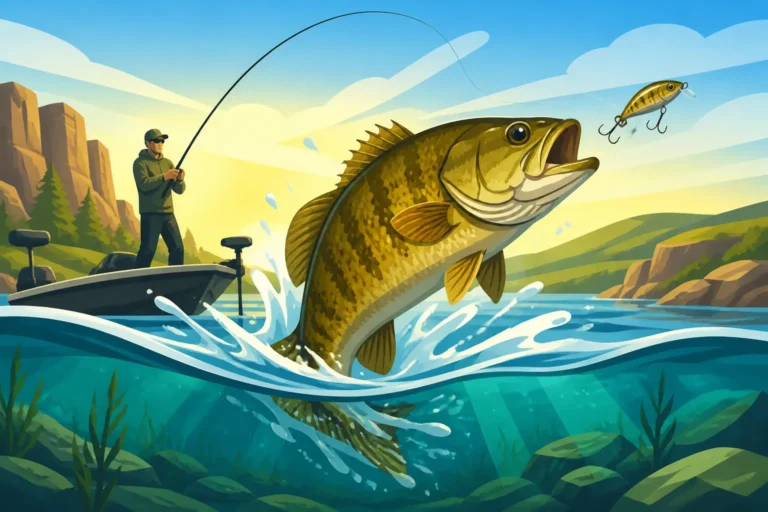
Smallmouth Bass: If you love battling a feisty bronze back, Angostura's rocky points and riprap shorelines are perfect hunting grounds. Smallmouth bass are plentiful and aggressive, making them a blast to catch on a variety of lures. The average size is solid, and there are some true giants lurking in the depths. For more specific tactics, check out the South Dakota Smallmouth Bass Fishing Guide.
Northern Pike: Though perhaps not as abundant as walleye or crappie, Angostura holds a respectable population of northern pike. These toothy predators are often found lurking in the weedier bays and shallower areas, ready to ambush unsuspecting baitfish. They can offer an exhilarating fight and are a great bonus catch when targeting other species.
Yellow Perch: Angostura is also home to a decent yellow perch population, particularly popular during the ice fishing season. While not always the primary target, they can provide consistent action and are excellent table fare. They tend to school up in similar areas to crappie and walleye, making them a welcome surprise.
Current Fishing Conditions and What to Expect
Staying on top of the ever-changing conditions at Angostura is crucial for a successful trip. The reservoir's water levels, temperature, and seasonal shifts all play a significant role in fish behavior and where you'll find them.
Water Levels and Their Impact on Fishing
Water levels at Angostura Reservoir can fluctuate throughout the year, primarily influenced by releases from the dam and upstream precipitation. These fluctuations have a direct and often dramatic impact on fish location and angler access. When water levels are high, fish tend to spread out into flooded vegetation and newly submerged areas, making them harder to pinpoint. Boat ramps might be deeper, and certain shore fishing spots that are usually productive could be submerged. Conversely, low water levels can concentrate fish into deeper channels and main lake basins, making them easier to locate but potentially more pressured. This also means some shallower boat ramps might become difficult to use, and access for bank anglers might change significantly, exposing more rocky or muddy shoreline. Always check the current water level before heading out, as it will inform your strategy for finding fish and safely launching your boat.
Seasonal Trends and Hot Bites
Angostura offers fantastic fishing opportunities year-round, but what you target and how you fish will drastically change with the seasons.
Spring (Ice-Out to Late May): This is prime time for many anglers. As the ice melts and water temperatures begin to rise, fish become incredibly active, moving into shallower areas to spawn. Walleye will be concentrated on rocky points and flats, often in less than 10 feet of water. Crappie will be schooling up in warm, protected bays, especially around submerged wood and cattails. Smallmouth bass also become very active, feeding heavily before their spawn. Jigging with minnows or plastics, casting crankbaits, and slip bobber fishing are all highly effective during this period. For a deeper dive into seasonal patterns across the state, consider reading South Dakota Fishing Seasons Explained.
Summer (June to August): As water temperatures peak, fish often move deeper, seeking cooler, oxygen-rich water and access to forage. Walleye fishing transitions to trolling crankbaits or spinner rigs over main lake humps, submerged islands, and along the old river channel. Early morning and late evening bites become more crucial. Smallmouth bass will relate to deep rock piles, riprap, and submerged timber. Crappie can be found suspended over deeper structure or relating to the thermocline if one forms. Night fishing for walleye can also be incredibly productive during the warmer months, as they move shallower under the cover of darkness.
Fall (September to November): This is another incredible time to fish Angostura. As water temperatures cool, fish embark on a major feeding binge to bulk up for winter. Walleye will be aggressive, often found transitioning from deeper summer haunts to shallower feeding areas as baitfish move inshore. Trolling or jigging on sharp breaks and main lake points can be red hot. Crappie will school up tightly, often moving to deeper brush piles or creek channels. Northern pike also become very active, chasing larger baits in the remaining weed beds. This can be one of the best times for trophy opportunities across several species.
Winter (December to Ice-Out): Angostura is a popular ice fishing destination. Once safe ice forms, anglers drill holes for walleye, perch, and crappie. Walleye are often found over deeper humps and flats, responding well to jigging spoons tipped with minnow heads. Perch and crappie tend to school up in specific basin areas or around deeper submerged structures. It's an opportunity to experience a different kind of fishing challenge and enjoy the solitude of a frozen landscape. Remember to always check ice conditions before venturing out, as safety is paramount.
Effective Techniques and Baits for Angostura
Knowing what techniques and baits to employ can make all the difference between a slow day and a banner day on Angostura. The key is often adapting to what the fish are telling you.
Walleye Tactics That Work
Walleye fishing on Angostura involves a blend of classic and modern approaches, tailored to the specific conditions and seasons.
Trolling: This is a highly effective method, especially during summer and fall. Anglers often troll crankbaits or spinner rigs with nightcrawlers or leeches. When trolling crankbaits, pay close attention to your speed and the depth capabilities of your lures. Varying your speed, making S-turns, and experimenting with different colors can trigger strikes. Common crankbaits like Berkley Flicker Shads, Rapala Shad Raps, or custom painted divers can be extremely productive. For spinner rigs, especially the "slow death" style, focus on covering structure, humps, and break lines. The Best Lures for South Dakota Walleye goes into greater detail about choosing the right bait for these situations. Many experienced anglers use Fishin’ Barges or similar brands of planer boards to spread out their lines and cover more water, especially in clearer conditions or when fish are scattered.
Jigging: Jigging is a year-round staple for Angostura walleye. In spring, vertical jigging with a minnow or soft plastic on a 1/8 to 1/4 ounce jig near rocky points or spawning flats is deadly. During summer, jigging spoons or heavier jigs can be effective when walleye are holding tight to deep structure. In winter, ice anglers rely heavily on jigging small spoons, Rapalas, or horizontal jigs tipped with a minnow or waxworm to entice bites through the ice. The key is subtle presentation and feeling for those light bites.
Live Bait Rigs: Nothing beats live bait for many walleye anglers. Slip bobber rigs with leeches or minnows are excellent for shallow walleye in spring or when targeting suspended fish. Lindy Rigs or similar bottom-bouncing rigs with a full nightcrawler, leech, or minnow are fantastic for probing deeper contours, especially along the old river channel or drop-offs. The slow, natural presentation of live bait can often tempt even the most finicky walleye.
Targeting Other Popular Species
While walleye often steal the show, don't overlook the incredible opportunities for crappie, smallmouth bass, and northern pike.
Crappie: For crappie, focus on finding submerged timber, brush piles, and weed edges. In spring, they'll be shallow in bays. Use small jigs (1/32 to 1/16 ounce) tipped with a tiny plastic grub, a small minnow, or even a waxworm under a slip bobber. During summer and fall, they often suspend over deeper structure; a good fish finder is invaluable here. Vertical jigging or slow trolling small jigs will be effective. The South Dakota Crappie Fishing Guide offers excellent tips for catching these panfish.
Smallmouth Bass: Smallmouth love rocky habitat. Cast crankbaits that imitate crayfish or baitfish, finesse worms, or tube jigs along rocky points, riprap, and drop-offs. Topwater lures can be incredibly exciting during low-light conditions in summer. Keep an eye out for schooling smallmouth breaking the surface, especially near the dam.
Northern Pike: Target pike in the weedier bays and shallower areas of the reservoir. Large spinnerbaits, spoons, and crankbaits are excellent choices. Don't be afraid to throw bigger baits; pike are ambush predators and are often looking for a substantial meal. Steel leaders are highly recommended to prevent bite-offs from their razor-sharp teeth.
Prime Fishing Spots and Access Points
Knowing where to go on Angostura can be as important as knowing how to fish. The reservoir offers numerous excellent spots for both boat and shore anglers.
Best Areas for Boat Anglers
For those with a boat, Angostura opens up a world of possibilities, allowing you to reach prime structure and deeper water that bank anglers can't access.
Main Lake Humps and Points: The middle section of the reservoir, particularly the areas west of the dam, features several prominent humps and points that rise from the bottom. These act as magnets for walleye and smallmouth bass, especially during summer and fall. Use your electronics to locate these structures and fish all sides and the top of them. Trolling around these areas or jigging vertically can be incredibly productive. Look for transitions from rock to sand or gravel, as these are often feeding zones.
Cheyenne River Channel: The old river channel that winds through Angostura is a consistent fish highway. Walleye often relate to the deeper edges and breaks of this channel, especially when water levels are lower or during colder months. Following the channel with your boat, using a bottom-bouncing rig or trolling deep-diving crankbaits, can yield excellent results.
Submerged Timber and Brush Piles: Scattered throughout the reservoir, especially in the western and northern arms, are areas of submerged timber and natural brush. These are crappie havens and also hold good numbers of walleye and bass. Exercise caution when navigating, but if you can pinpoint these areas with your electronics, they can be phenomenal. Vertically jigging or slowly presenting live bait around the edges of these structures is the ticket. When planning your trip, consider using a service like FishingBooker to connect with local guides who are intimately familiar with these hidden gems and can safely navigate you to the most productive spots.
Shore Fishing and Kayak Opportunities
Even without a fancy bass boat, Angostura provides plenty of opportunities for success, making it accessible to a wide range of anglers.
Angostura Recreation Area: This area on the eastern side of the reservoir offers excellent public access with multiple designated fishing areas, docks, and rocky shorelines. It's a great spot for families and beginners. You can target crappie, perch, and even walleye from the bank, especially during spring and fall. The docks provide easy access to slightly deeper water, and casting parallel to the riprap can be great for smallmouth bass. Don't forget to review the South Dakota Fish Limits and Size Restrictions before you head out, no matter where you plan to fish from.
Southern Shorelines and Coves: The southern shore of Angostura, particularly west of the main recreation area, has several accessible points and quieter coves that are perfect for shore anglers or kayak launches. These areas often feature a mix of sand, rock, and some emergent vegetation, offering diverse habitats. Look for areas where wind is blowing into the shore, as this can push baitfish closer and concentrate feeding fish. Kayak anglers can explore these calmer coves and work their way along the shorelines, quietly targeting bass, crappie, and pike.
Bridge Areas and Causeways: Any bridge or causeway that crosses over the reservoir will typically create current breaks and structure, making them natural fish attractors. These are often easy to access for shore anglers and can be excellent spots for walleye, crappie, and catfish, particularly where deeper water is nearby. Just be mindful of local regulations and safety, especially regarding parking and pedestrian access. If you're looking for a highly rated guide to show you the best shore access points or kayak routes, platforms like FishingBooker can provide listings for experienced local guides specializing in Angostura Reservoir.
Angostura Reservoir Fishing Overview Table
To give you a quick snapshot of what to expect, here's a handy table summarizing the best times and techniques for Angostura's most popular species.
| Species | Best Season | Primary Techniques | Recommended Bait/Lures | Key Habitat Areas |
|---|---|---|---|---|
| Walleye | Spring, Fall | Trolling, Jigging, Live Bait Rigs | Crankbaits, Jigs w/ Plastics/Minnows, Nightcrawlers | Rocky points, Humps, Old river channel breaks |
| Crappie | Spring, Fall | Jigging, Slip Bobber Fishing | Small Jigs w/ Plastics/Minnows, Waxworms | Submerged timber, Brush piles, Weedy bays |
| Smallmouth Bass | Spring, Summer | Casting, Topwater, Finesse Presentations | Crankbaits, Tube Jigs, Worms, Spinnerbaits, Topwater | Rocky shorelines, Riprap, Deep rock piles |
| Northern Pike | Spring, Fall | Casting, Trolling | Large Spinnerbaits, Spoons, Crankbaits | Weedy bays, Shallow flats, Transition areas |
| Yellow Perch | Winter, Spring | Ice Jigging, Slip Bobber Fishing | Small Jigs w/ Minnow heads, Waxworms, Small plastics | Deep humps, Basin areas, Submerged vegetation edges |
This table should provide a good starting point for planning your next trip to Angostura. Remember, conditions change, and adapting your approach is part of the fun of fishing! If you're serious about maximizing your chances, looking into a guided trip is often worth the investment. You can find experienced local captains through services like FishingBooker who can provide tailored guidance. For broader state-level regulations, don't forget to consult the official South Dakota Fishing Regulations Explained.
Final Thoughts on Your Angostura Adventure
Angostura Reservoir is truly a jewel in the South Dakota fishing scene, offering incredible opportunities for a variety of species throughout the year. While conditions can be dynamic, with a little preparation and understanding of the fish behavior and local hot spots, you can have a truly rewarding experience. Whether you're casting from the shore, paddling a kayak, or navigating its waters in a fully-equipped boat, the key is patience, observation, and a willingness to adapt. Always prioritize safety, especially when on the water or ice, and make sure you're familiar with all the relevant South Dakota Boat Safety Requirements. Embrace the challenge, enjoy the stunning scenery, and tight lines on your next Angostura adventure!
Disclaimer
Please note that fishing conditions, regulations, and fish behavior can change rapidly. This report is based on general knowledge and common trends for Angostura Reservoir. Always consult the latest South Dakota Game, Fish and Parks regulations before fishing and verify local conditions (such as ice thickness or water levels) for your own safety and compliance.