Best Fishing Spots Near Custer
Heading out to the beautiful Black Hills around Custer, South Dakota, is an experience in itself, with stunning scenery and endless outdoor adventures. But for many of us, the nagging question quickly surfaces: where exactly are the best spots to wet a line? It can feel a bit overwhelming, looking at maps filled with blue lines and bodies of water, wondering which ones hold the fish you're dreaming of, and which ones are just pretty scenery. You might be a seasoned angler looking for a trophy trout, or a family hoping for some easy panfish action, and navigating the local nuances can be a challenge. This guide is here to cut through the confusion, offering a deep dive into the most productive and enjoyable fishing spots right in the heart of the Black Hills near Custer, ensuring your angling adventure is as successful as it is scenic.
Lakes and Reservoirs Around Custer: Stillwater Havens
When you picture fishing in the Black Hills, your mind might jump straight to babbling trout streams, and while those are certainly a highlight, the area around Custer is also blessed with some fantastic lakes and reservoirs. These stillwater havens offer a different kind of angling experience, often with more diverse species, easier access for families, and opportunities for boat fishing that streams can't always provide. They're perfect for a day out, whether you're casting from shore or launching a boat.
Sheridan Lake: A Family Favorite
Just a short drive from Custer, Sheridan Lake is a truly beloved spot for locals and visitors alike, and for good reason. It's nestled beautifully within the Black Hills National Forest, offering not just great fishing but also stunning views and plenty of amenities like campgrounds and picnic areas. This makes it an ideal destination for a family fishing trip where you can easily combine angling with other outdoor activities. The lake is regularly stocked with rainbow trout, making it a reliable spot to catch these vibrant fish, especially in the spring and fall. Beyond rainbows, you might also find splake (a brook and lake trout hybrid), northern pike, and even some largemouth bass lurking in its waters.
The accessibility at Sheridan Lake is a huge plus. There are multiple boat ramps available, making it easy to launch everything from small fishing boats to larger vessels. For those who prefer to keep their feet on solid ground, there's ample shore fishing access, including some designated fishing piers which are fantastic for kids or anglers with limited mobility. When targeting rainbow trout, many anglers find success with traditional baits like worms or powerbait fished off the bottom, or by casting small spinners and spoons from shore or trolling slowly from a boat. If you're hoping for northern pike, try larger spoons or live bait fished near submerged vegetation. To truly maximize your chances for trout, check out our guide on Sheridan Lake Rainbow Trout Fishing Tips, which offers specific techniques that have proven successful here.
Pactola Reservoir: Black Hills Trout Gem
A bit further afield but still very accessible from Custer, Pactola Reservoir stands as the largest and deepest lake in the Black Hills. It's a true gem, famous for its stunning blue waters, dramatic rocky shorelines, and most importantly, its exceptional trout fishery. Pactola is a destination for serious anglers, but don't let that intimidate you; with the right approach, it can be incredibly rewarding for anyone. The primary species here are rainbow trout, brown trout, and splake, many of which grow to impressive sizes in the reservoir's nutrient-rich, cold waters.
What makes Pactola special, and a bit more challenging, are its specific regulations. To protect its pristine waters and promote a quality fishery, Pactola Reservoir is designated as an "artificial lure only" water for much of its fishing season, with strict bait restrictions in certain areas. This means no live bait, no scented plastics, and you need to be mindful of what you're using. Trolling with crankbaits, spoons, or artificial minnows at various depths is a very popular and effective technique for covering water and locating schools of trout. For those without a boat, shore access can be a bit more limited and challenging due to the steep terrain in many areas, but there are still some accessible points, particularly around the recreation areas. A detailed understanding of the rules is crucial for a successful trip, so we recommend consulting our comprehensive Pactola Reservoir Fishing Guide and specifically noting the Bait Restrictions Near Pactola Dam. The rewards, however, are often worth the extra effort, with the chance to hook into some truly memorable Black Hills trout.
Stockade Lake: Right in Custer State Park
If you're looking for convenience and a truly family-friendly option right within the iconic Custer State Park, then Stockade Lake is your go-to spot. This smaller, picturesque lake is named for the stockade built by gold prospectors in 1874 and offers a relaxing fishing experience amidst the park's famous wildlife and scenery. It's incredibly easy to access, practically right off the main roads within the park, and provides a gentler introduction to fishing for younger anglers or those seeking a more laid-back day.
Stockade Lake is home to a variety of fish, including stocked rainbow trout, some feisty largemouth bass, and a good population of panfish like bluegill and crappie. Its relatively shallow and warm waters make it an excellent choice for kids, who can often find success with simple bobber-and-worm setups for panfish right from the shore. There are also designated fishing piers and plenty of bank access, making it super convenient. While you can use small boats here, many anglers enjoy casting from kayaks, canoes, or even float tubes to explore the coves and lily pad edges where bass might be hiding. For those interested in combining fishing with a full park experience, knowing about places like this is key. You can find more information about access points and fishing within the park by looking at resources like our Custer State Park Trout Fishing Access guide.
Black Hills Streams Near Custer: The Fly Fishing Paradise
Beyond the lakes, the true heart of Black Hills fishing lies in its winding, crystal-clear streams, which are an absolute paradise for fly anglers and spin fishermen alike. The cold, oxygen-rich waters tumbling through pine forests and granite canyons create the perfect habitat for various trout species, offering a completely different, often more intimate, angling experience. The serenity of wading a small stream, surrounded by nature, is something truly special.
French Creek: Historic Waters and Wild Trout
Flowing through the rugged beauty of Custer State Park, French Creek holds a special place in the history of the Black Hills as the site of the first gold discovery. Today, it's celebrated more for its wild trout than its gold. This creek is primarily known for its wild brown trout, which are notoriously wary but offer an incredible challenge and reward for anglers. While some sections of French Creek are open to bait fishing, many areas, especially within the park, are managed for quality trout fishing, often with artificial lure or fly fishing only regulations and even some catch-and-release sections.
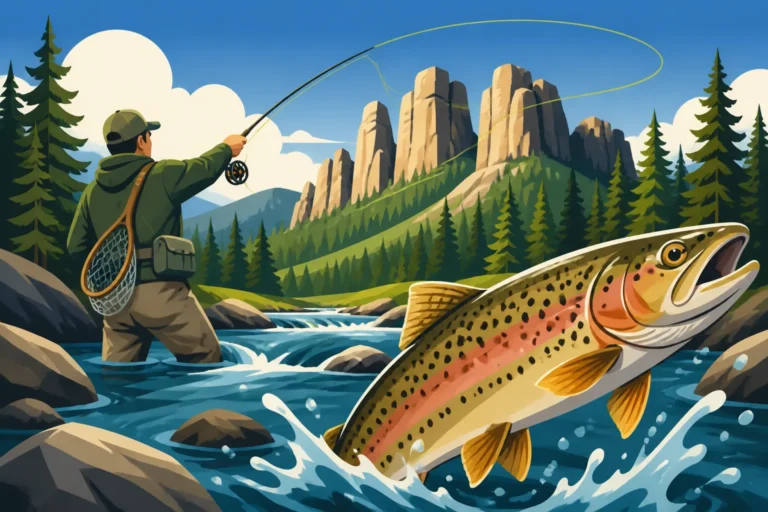
Wading French Creek is an experience in itself, requiring stealth and careful presentation. Fly anglers will find success with various nymph patterns, dry flies during hatches, and small streamers. Spin fishermen can also do well with ultra-light gear, casting tiny spinners or spoons into the deeper pools and runs. The wild nature of these trout means they are incredibly strong fighters, making every catch a memorable one. It’s not about quantity here, but the quality of the fish and the stunning surroundings. For a deeper dive into the specific characteristics and challenges of fishing for these elusive beauties, refer to our Best Black Hills Streams for Brown Trout article.
Grace Coolidge Creek: Accessible and Productive
Another fantastic stream option right within Custer State Park, Grace Coolidge Creek offers a more accessible and often more productive experience, particularly for those new to stream fishing or looking for consistent action. Unlike some of the wilder, more challenging creeks, Grace Coolidge benefits from regular stocking with rainbow trout, making it a reliable place to catch fish. Its meandering path through more open, park-like settings means easier wading and bank access compared to the more rugged French Creek.
The accessibility makes Grace Coolidge Creek perfect for families and beginners. You can often see trout holding in the clear pools, which adds to the excitement. Both fly fishing with dry flies or nymphs and spin fishing with small spinners, worms, or powerbait can yield good results here. The creek flows past some popular attractions within Custer State Park, including the Peter Norbeck Visitor Center and Coolidge General Store, making it easy to pop over for a quick fishing session. It's a delightful spot to experience stream fishing without venturing too far off the beaten path, offering a wonderful blend of convenience and productive angling.
Rapid Creek Upper Sections: Beyond the City
While Rapid Creek is most famous for its urban fishery running through Rapid City, its upper sections, especially those closer to Pactola Reservoir and extending west of it, offer a completely different and far wilder experience. These are the headwaters and higher elevation stretches, characterized by colder water, denser forest, and significantly less fishing pressure than the city sections. Here, you'll find healthy populations of wild brown and brook trout, alongside stocked rainbow trout. The challenging terrain and smaller stream size in these upper reaches make it ideal for adventurous anglers seeking solitude and a true wilderness feel.
Access to these upper sections of Rapid Creek can be a bit more challenging, often requiring some hiking or navigating forest service roads, but the reward is pristine water and eager trout. Fly fishing is particularly effective here, with anglers often employing dry-dropper rigs or small nymphs to target fish in the numerous pools and riffles. Spin fishermen should opt for ultra-light tackle and small, subtle presentations. These sections are often managed under special regulations, including catch-and-release and artificial-lure-only rules in some areas, designed to protect the wild trout populations. For those who appreciate the solitude and challenge of chasing wild trout in a breathtaking environment, exploring these upper stretches is a must. Many of these areas fall under the designation of Black Hills Catch-and-Release Trout Streams, emphasizing conservation and the thrill of the sport.
Tips for Fishing Success Near Custer: Making the Most of Your Trip
Fishing in the Black Hills, especially around Custer, is a unique and rewarding experience. However, like any specific region, it comes with its own set of rules, optimal gear choices, and local insights that can significantly impact your success. Being prepared and knowing what to expect can turn a good fishing trip into a truly unforgettable one.
Understanding Regulations and Seasons
One of the most crucial aspects of fishing in South Dakota is a thorough understanding of the regulations, which can vary not only by species but also by specific bodies of water. The South Dakota Game, Fish and Parks (GFP) sets these rules, and they are designed to protect fish populations and ensure sustainable fishing for everyone. Before you even tie on your first lure, make sure your South Dakota Fishing License Guide is up to date and that you have purchased the necessary license. For non-residents, there are various options including a South Dakota Three-Day Fishing License or an annual license, depending on the length of your stay. Beyond the general license, specific rules for trout in the Black Hills, such as length limits, daily creel limits, and tackle restrictions, are particularly important. For instance, Pactola Reservoir has its "artificial lure only" rule, while some streams might have catch-and-release only sections.
Seasons also play a huge role in what you can catch and where. While trout fishing in many Black Hills streams is open year-round, specific seasons for other species or variations in limits may apply. It's always best practice to consult the current year's South Dakota Fishing Regulations Explained booklet or the GFP website directly, as regulations can change. Pay close attention to the South Dakota Trout Limits in the Black Hills if you're targeting those beautiful fish, as these can be quite precise to different streams or reservoirs. Knowing these details upfront will save you from potential fines and, more importantly, contribute to the conservation efforts that make these fishing experiences possible for generations to come.
Gear Recommendations for Black Hills Waters
When packing for a fishing trip near Custer, selecting the right gear can make all the difference. The diverse fishing opportunities, from small, brush-choked streams to large, open reservoirs, demand a versatile approach. For stream fishing, especially for trout, a lightweight spinning rod (5-6 feet) paired with a small reel spooled with 4-6 lb test monofilament or fluorocarbon line is ideal. This setup allows for accurate casting in tight quarters and is sensitive enough to detect subtle bites from wary trout. If you're a fly angler, a 3-5 weight fly rod (7.5-9 feet) with a floating line will cover most stream situations. For more tailored advice, our Best Fly Rods for Black Hills Trout guide offers excellent recommendations.
For lake and reservoir fishing, a slightly heavier spinning rod (6-7 feet) with 6-8 lb test line will give you more casting distance and power for larger fish like northern pike or bigger trout. If you're targeting walleye in some of the larger Black Hills reservoirs further out, a medium-light to medium action rod is suitable for jigging or trolling. Lure selection is equally important: for trout, think small spinners (like Mepps or Rooster Tail), spoons (Kastmasters, Dardevles), and for fly fishing, a variety of nymph, dry fly, and streamer patterns are essential. For bass and pike, crankbaits, soft plastics, and larger spoons are effective. Always include a variety in your tackle box. A comprehensive South Dakota Fishing Gear Checklist can help ensure you don't forget any essentials.
Finding Guides and Local Expertise
Even with all the research and preparation, there's no substitute for local knowledge. The Black Hills are vast and can be tricky to navigate, especially if it's your first time. Local bait shops are an absolute treasure trove of information. Places like Lynn's Dakota Mart in Custer or various shops in nearby towns can offer real-time updates on what's biting, current water conditions, and even point you to lesser-known spots. Don't be shy about asking questions; anglers love to share their passion!
For those who want to maximize their time on the water and learn the intricacies of Black Hills fishing firsthand, hiring a local fishing guide is an excellent investment. A good guide knows the waters intimately, has the right gear, and can teach you techniques specific to the area, dramatically increasing your chances of success. They can tailor a trip to your experience level and target species, whether you're chasing wild browns on a fly rod or trolling for trout on Pactola. Platforms like FishingBooker can connect you with experienced, licensed guides who specialize in Black Hills fishing. They provide reviews and details about what each guide offers, making it easy to find the perfect fit for your adventure. Considering the unique challenges and rewards of the area, exploring Best Guided Fishing Trips in the Black Hills can be a game-changer for your visit.
Custer Area Fishing Spot Comparison
To help you quickly decide which spot best suits your fishing desires, here's a handy comparison of the key locations we've discussed:
| Fishing Spot | Primary Species | Best For | Access (Shore/Boat) | Key Notes |
|---|---|---|---|---|
| Sheridan Lake | Rainbow Trout, Splake, Pike | Families, Beginners, Diverse Species | Both | Regularly stocked, campgrounds, amenities, scenic. |
| Pactola Reservoir | Rainbow, Brown Trout, Splake | Experienced Anglers, Trophy Trout, Trolling | Primarily Boat | Largest, deepest lake, artificial lure only, stunning views, challenging but rewarding. |
| Stockade Lake | Largemouth Bass, Panfish, Trout | Families, Easy Access, Kayak/Canoe | Both | Within Custer State Park, calm waters, good for kids, scenic. |
| French Creek | Wild Brown Trout | Fly Fishing, Wild Trout Enthusiasts | Wading | Historic, challenging, scenic, often catch-and-release sections, requires stealth. |
| Grace Coolidge Creek | Stocked Rainbow Trout | Beginners, Families, Easy Stream Access | Wading | Regularly stocked, very accessible within Custer State Park, consistent action. |
| Rapid Creek (Upper) | Wild Brown/Brook Trout, Rainbow | Solitude, Wilderness Stream Fishing | Wading (Hiking) | Less pressure, pristine waters, often artificial lure/catch-and-release, requires effort to access. |
Disclaimer
Please note that fishing regulations, conditions, and species populations can change. Always consult the official South Dakota Game, Fish and Parks (GFP) website or their current fishing handbook for the most up-to-date information before planning your trip. This guide provides general information and recommendations based on common practices and experiences. Safety should always be your top priority when enjoying the outdoors.