Average Lifespan of a South Dakota Walleye
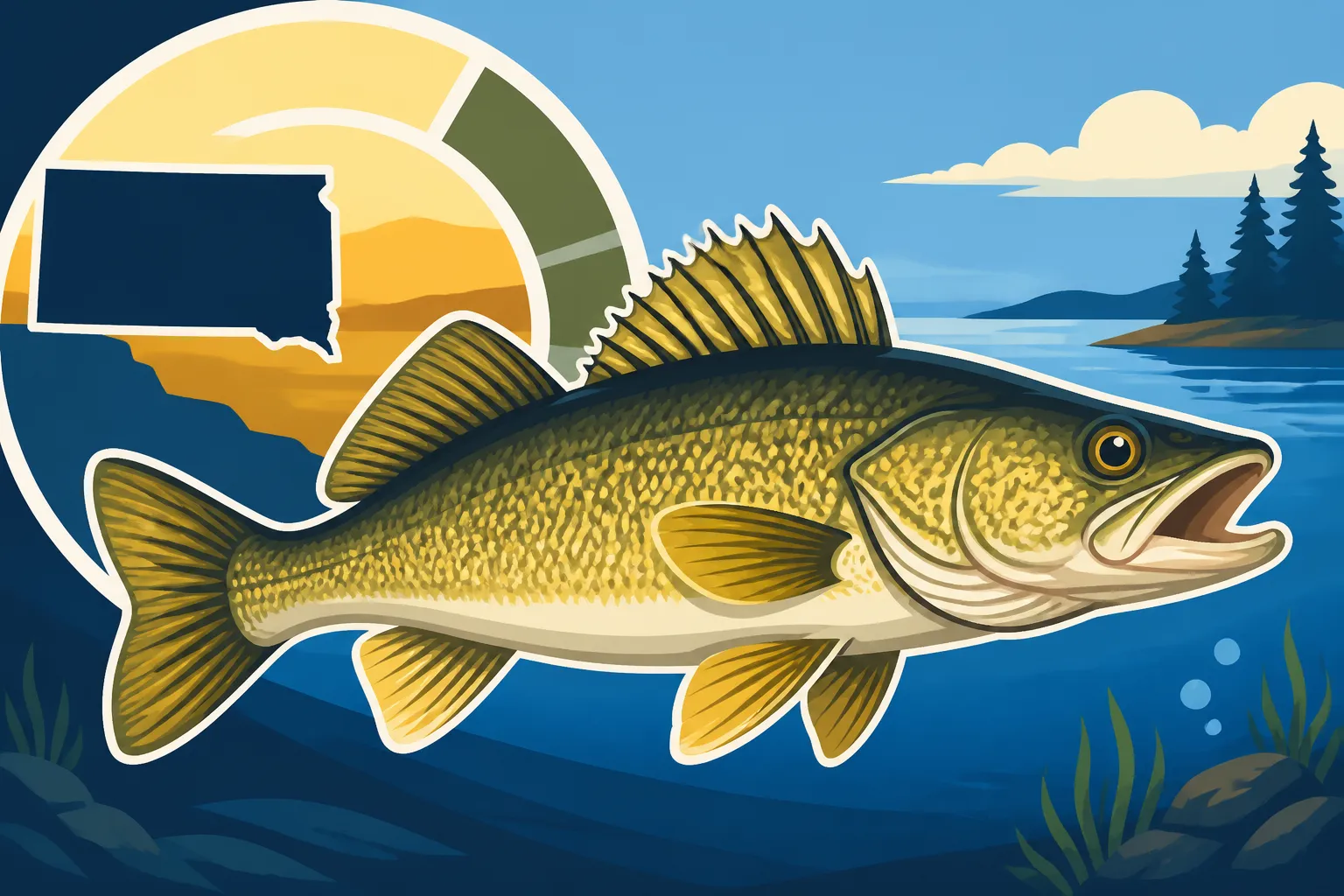
One of the most common questions I get from fellow anglers, especially those new to chasing walleye in South Dakota, is how long these incredible fish actually live. It's not just curiosity; understanding the average lifespan of a walleye can give you incredible insight into fishing patterns, population health, and why certain regulations are in place. This guide will dive deep into the typical lifespan of a South Dakota walleye, what influences it, and what that means for your next fishing adventure.
The Life Cycle of a Walleye in South Dakota Waters
The journey of a South Dakota walleye from a tiny egg to a potential trophy fish is nothing short of remarkable, fraught with challenges and shaped by its environment. Understanding this cycle helps us appreciate the resilience of these fish and the factors that contribute to their longevity.
From Egg to Fry: The Start of the Journey
The life of a walleye begins with spawning, typically occurring in the spring when water temperatures climb into the mid-40s to low 50s Fahrenheit, often in April or early May. In South Dakota, this usually means shallow, rocky areas in our vast reservoirs like Lake Oahe, Lake Sharpe, or the shorelines of glacial lakes, where females deposit hundreds of thousands of sticky eggs. The males then fertilize these eggs, and the next generation begins to develop, largely on their own.
These newly fertilized eggs are incredibly vulnerable. They're prey for various species, susceptible to sudden temperature drops, and can be easily smothered by silt if strong winds stir up the lake bottom. Only a tiny fraction of these eggs will hatch, typically within one to two weeks, depending on water temperature. The newly hatched walleye, called fry, are microscopic and drift with the currents, relying on their yolk sac for initial sustenance. Their first few weeks are a critical bottleneck, with only the hardiest surviving to grow into fingerlings.
Juvenile Years: Growth and Survival
Once the walleye fry absorb their yolk sacs, they transition to feeding on zooplankton, microscopic animals abundant in our South Dakota waters. This early diet is crucial for rapid growth. As they grow, their diet shifts, mirroring their developing predatory instincts. By the time they are a few inches long, they're already hunting tiny aquatic insects and the fry of other fish species. This is a period of intense competition and high predation.
In their juvenile years, usually the first two to three years, walleye grow quickly, but they are also a prime target for larger fish, birds, and even some mammals. Survival often depends on finding good cover, whether that's submerged vegetation, rocky structures, or deep channels. In environments with a rich forage base, such as the Missouri River reservoirs, young walleye can grow surprisingly fast, sometimes reaching legal size within two to three years. This initial growth spurt is vital; the faster they grow past a certain size, the fewer predators they have to worry about, and the better their chances of a longer life.
Factors Influencing a South Dakota Walleye's Lifespan
A walleye's lifespan isn't just a set number; it's a dynamic outcome influenced by a complex interplay of environmental conditions, food availability, and human interaction. South Dakota's diverse aquatic ecosystems present unique challenges and advantages.
Habitat and Water Quality: A Walleye's Home
The quality of a walleye's home directly dictates its health and potential longevity. Walleye thrive in cool, well-oxygenated waters with plenty of structure – think rocky points, submerged timber, weed lines, and sharp drop-offs. In South Dakota, the expansive South Dakota Missouri River Fishing Guide system, including lakes Oahe, Sharpe, and Francis Case, provides vast, varied habitats that generally support robust walleye populations. The glacial lakes in eastern South Dakota, while often shallower, also offer excellent walleye habitat with their complex shorelines and fertile waters.
Clean water is paramount. Pollution, excessive sediment, or harmful algal blooms can stress walleye, weaken their immune systems, and reduce their ability to find food or reproduce effectively. Consistent water flow, temperature regulation, and a healthy underwater ecosystem are all vital components. A walleye living in a pristine, productive lake like Lake Oahe, known for its deep, clear water in many sections, will generally face fewer environmental stressors than one in a less stable or more impacted environment, allowing it to live longer.
Forage Availability: Fueling Growth and Longevity
Think of a walleye's diet as its personal fuel tank; a full tank means faster growth, better health, and more energy to fight off disease and predators, ultimately leading to a longer life. South Dakota is blessed with an abundance of excellent forage species that walleye absolutely feast on.
In the Missouri River reservoirs, gizzard shad and smelt are critical forage, providing a rich, high-fat diet that allows walleye to pack on weight quickly. In other lakes, yellow perch, minnows, and various panfish fry make up the bulk of their meals. When forage is abundant, walleye experience rapid growth rates and can invest more energy into reproduction rather than constantly searching for food. Conversely, if the baitfish population crashes due to environmental factors or over-predation, walleye growth can stunt, making them more vulnerable and shortening their lifespan. Biologists constantly monitor these forage bases, as they are a key indicator of the overall health and future potential of the walleye population. What Walleye Eat in Summer is a great article if you want to know more about their diet throughout the year.
Predation and Disease: Natural Challenges
From the moment they hatch, walleye are part of a food web where they are both predator and prey. As fry and juveniles, they are consumed by larger fish like northern pike, smallmouth bass, and even larger walleye. Birds of prey, like ospreys and eagles, also take their toll, especially on smaller fish in shallow waters. Even otters and other aquatic mammals can become opportunistic predators.
As walleye grow larger, their primary predators become fewer, mainly restricted to large northern pike, or sometimes even humans. However, disease can strike at any age. Walleye can suffer from various bacterial, viral, and parasitic infections, especially if they are stressed by poor water quality, lack of food, or extreme temperatures. A healthy immune system, bolstered by a good diet and stable environment, is the best defense. Fish with a strong immune response are more likely to recover from minor illnesses and live longer, while those constantly battling infections may have significantly shorter lifespans.
Fishing Pressure: Angler Impact
Anglers play a significant, direct role in the lifespan of walleye. While natural mortality is a constant, fishing pressure can alter the age structure and average lifespan of a walleye population. In areas with heavy fishing pressure and high harvest rates, fewer walleye will survive to reach older ages. This isn't inherently bad if managed correctly, as it allows younger, faster-growing fish to thrive, but it does mean fewer "grandparent" walleye in the system.
Regulations like slot limits, daily possession limits, and size restrictions are specifically designed to manage fishing pressure and help ensure a healthy age distribution. For example, a slot limit might require anglers to release all walleye within a certain size range, protecting prime breeding stock and allowing some fish to grow into larger, older individuals. Belle Fourche Reservoir Walleye Slot Limit Explained is a fantastic example of a lake-specific regulation designed for this very purpose. When anglers practice responsible catch and release techniques, they minimize the mortality of released fish, allowing those younger walleye a second chance at a longer life and to potentially contribute to future spawns. Using proper handling methods, like wet hands and minimizing air exposure, can make a huge difference in the survival rate of released fish.
Average Lifespan and Maximum Age in South Dakota
So, with all these factors at play, what's a realistic expectation for how long a walleye will live in South Dakota's waters? It's a question without a single, simple answer, but we can definitely give you a good range.
What's "Average" for a South Dakota Walleye?
On average, a walleye in South Dakota's productive waters can be expected to live 5 to 10 years. Many walleye, particularly in heavily fished areas or those with natural mortality pressures, will be harvested or succumb to natural causes before reaching the upper end of that range. However, fish in well-managed populations with abundant forage can easily live into their late single-digit years or early teens.
It's important to remember that this "average" reflects the entire population. There are plenty of walleye caught that are only 2 or 3 years old, especially those just reaching legal size. Conversely, there are also those exceptional individuals that defy the odds and continue to thrive for much longer. The average lifespan is a snapshot, but it gives us a good benchmark for what's typical across the state.
Reaching Trophy Status: The Older, Wiser Walleye
While 5 to 10 years is typical, some South Dakota walleye go on to live much longer, becoming the true giants of our lakes and rivers. These older, larger walleye, often reaching weights in the double digits, can be anywhere from 12 to 20 years old, or even older. These are the fish that defy the odds, having successfully navigated countless fishing seasons, evaded predators, and survived harsh winters.
To reach such an impressive age and size, these walleye usually come from environments with exceptional food sources, stable habitats, and often benefit from specific management practices that protect older, larger fish. For instance, some of the true monsters pulled from Lake Oahe Fishing Guide or Lake Sharpe Fishing Guide have seen many spawning seasons and represent decades of growth. These are the fish that often qualify for programs like the South Dakota Trophy Fish Award Program, celebrated not just for their size, but for the sheer longevity they represent. Catching one of these old warriors is a testament to the fish's resilience and often a highlight of an angler's lifetime.
Age-Old Wisdom: How Biologists Determine Walleye Age
You might wonder how fisheries biologists figure out how old a walleye is. It's not like they carry birth certificates! The most common and accurate method involves analyzing otoliths, which are small ear bones found in fish. Like tree rings, otoliths lay down annual growth rings that can be counted under a microscope. Each ring represents a year of life, and the spacing between rings can even tell biologists about growth rates during different seasons or years.
Another method, though less precise for older fish, involves looking at scales. Fish scales also have growth rings (called annuli), but they can be harder to interpret, especially if the fish has experienced periods of stress or inconsistent growth. By collecting and studying these biological samples, often from fish caught during population surveys, biologists can determine the age structure of a walleye population. This data is incredibly valuable for understanding growth rates, assessing the impact of fishing pressure, and setting future regulations. If you're curious about the science behind it, a deeper dive into How Biologists Track Walleye Growth on Lake Oahe can shed even more light on this fascinating process.
How Anglers Can Impact Walleye Lifespan and Populations
As anglers, we have a profound connection to the fish we pursue, and our actions can significantly influence not just individual walleye, but the entire population and its long-term health. Being mindful and practicing responsible angling is key.
Practicing Responsible Catch and Release
While some walleye are harvested for the table (and boy, are they delicious!), many fish are caught and released, either by choice or due to regulations like slot limits. The way we handle these fish can make a huge difference in their survival chances and, consequently, their potential lifespan.
Here are some key tips for responsible catch and release:
- Minimize Fight Time: Bring the fish in quickly to reduce exhaustion. Prolonged fights can deplete a fish's energy reserves, making it more vulnerable to predators or disease after release.
- Use Appropriate Tackle: Ensure your gear is suitable for the size of fish you're targeting. Light line on big fish can prolong the fight unnecessarily.
- Wet Your Hands: Always wet your hands before handling a fish. Dry hands can remove the protective slime coat, leaving the fish susceptible to fungal infections.
- Keep it in the Water: If possible, unhook the fish while it's still in the water. Minimize air exposure, especially during warm weather. If you must lift it for a quick photo, support its full body horizontally, never hold it vertically by the jaw alone.
- Use Barbless Hooks: Barbless hooks, or hooks with pinched barbs, are much easier to remove, causing less tissue damage. You can find many great options for barbless hooks and fishing tools on Amazon that make release smoother.
- Proper Hook Removal: Use needle-nose pliers or a hook remover tool to quickly extract the hook. If the hook is deeply swallowed, it's often better to cut the line as close to the hook as possible than to try and dig it out, which can cause fatal internal damage.
- Revive if Necessary: If a fish looks sluggish, gently hold it upright in the water, facing into a mild current, until it swims away under its own power.
By following these practices, we give those released walleye the best possible chance to recover, grow, and potentially live to a ripe old age.
Understanding and Adhering to Regulations
Fishing regulations aren't just arbitrary rules; they are carefully crafted by wildlife agencies like the South Dakota Game, Fish and Parks (GFP) based on scientific data and population assessments. These rules are designed to ensure sustainable fisheries and protect fish populations for future generations.
It's every angler's responsibility to know and follow the rules, which includes understanding South Dakota Fishing Regulations Explained and specific limits for species like South Dakota Walleye Limits. This means knowing:
- Daily Limits: How many fish of a certain species you can keep in a single day.
- Possession Limits: The total number of fish you can have in your possession, including those at home or in your cooler.
- Size Restrictions: Minimum or maximum lengths, or slot limits, that determine which fish can be kept.
- Season Dates: When certain species can be legally harvested.
Ignorance of the law is never an excuse. Always consult the most current South Dakota GFP Fishing Handbook or website before heading out. Adhering to these regulations is one of the most direct ways we contribute to the long-term health and average lifespan of the walleye population. A simple waterproof guide to regulations, perhaps one you pick up from Amazon or a local bait shop, can be a great addition to your tackle box.
Supporting Conservation Efforts
Beyond our individual angling practices, supporting broader conservation efforts is vital. These efforts often focus on habitat protection, water quality improvement, and responsible stocking programs.
Conservation organizations, both local and national, often work to restore critical spawning grounds, prevent erosion that can lead to siltation, and advocate for policies that protect water quality. These actions directly impact the survival and growth rates of walleye, giving them a healthier environment to live out their lives. For example, the funds generated from purchasing a South Dakota Habitat Stamp Explained go directly into programs that improve and protect these crucial habitats across the state.
Attending public meetings, volunteering for cleanup events, or simply staying informed about local conservation initiatives are all ways anglers can contribute. We all want to see healthy, thriving walleye populations that produce impressive fish year after year, and supporting these efforts is a way to ensure that the average lifespan of a South Dakota walleye remains robust for generations to come.
| Factor | Impact on Walleye Lifespan |
|---|---|
| Water Quality | Excellent: Longer lifespan, healthier fish. Poor: Shorter lifespan, increased stress and disease. |
| Forage Availability | Abundant: Faster growth, better health, longer lifespan. Scarce: Slower growth, increased competition, shorter lifespan. |
| Habitat Structure | Diverse (rock, weeds, depth): More cover, better feeding opportunities, enhanced survival. Monotonous: Increased predation risk. |
| Predation | High (especially for juveniles): Reduces average lifespan. Low (for adults): Allows more fish to reach older age. |
| Fishing Pressure/Harvest | High harvest/poor release practices: Shifts population to younger fish, reduces number of older individuals. Managed: Sustainable. |
| Disease/Parasites | High incidence: Reduces lifespan, especially if fish are stressed. Low incidence: Healthier fish, better survival. |
Disclaimer
This article is for general informational purposes only and does not constitute professional advice. Laws, prices and regulations vary by location and change over time. Consult a qualified professional for guidance on your specific situation.