Average Lifespan of a Chinook Salmon
When you think of the mighty Chinook salmon, your mind might conjure images of vast Pacific Northwest rivers, not the sprawling reservoirs of South Dakota. Yet, these impressive fish have made a home in our waters, particularly in Lake Oahe, bringing an exciting and unique angling experience. Many folks wonder how long these powerful fish stick around in our landlocked state, and understanding their unique lifespan here is key to appreciating their presence and planning your fishing adventures. This guide will dive deep into the average lifespan of a Chinook salmon, specifically focusing on how their life cycle plays out right here in South Dakota.
Understanding the Chinook Salmon's Journey in South Dakota
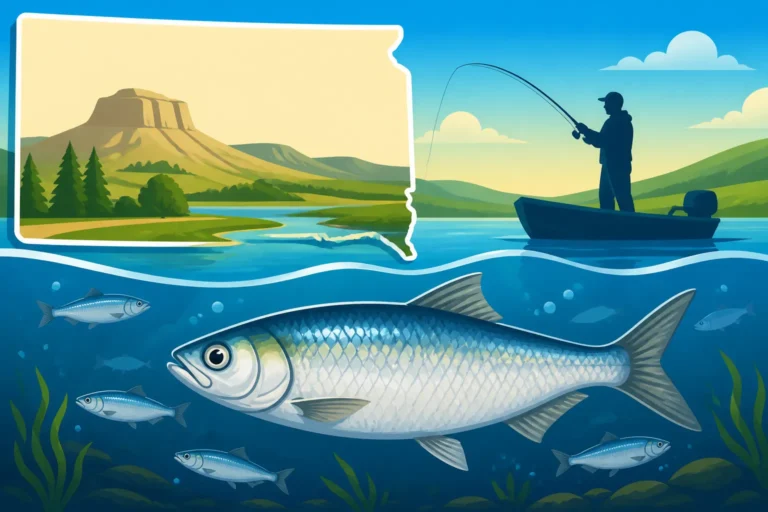
It’s pretty remarkable when you think about it: a fish synonymous with saltwater ocean runs thriving in the heart of the Northern Plains. The Chinook salmon in South Dakota are a testament to careful fisheries management and the adaptability of a truly magnificent species. They were introduced into Lake Oahe years ago to provide a cold-water predator for the abundant alewife population, creating a fantastic fishery that draws anglers from all over.
However, because they are landlocked and stocked, their life story here is a bit different from their ocean-going cousins. They don't have those long, arduous migrations to the sea and back, which shapes their development and ultimate lifespan. This unique circumstance is part of what makes fishing for them so special and often leads to questions about how long these impressive fighters actually live in our lakes.
The Typical Lifespan of a Chinook Salmon: A General Overview
In their native Pacific Northwest habitat, Chinook salmon have a fascinating and often variable lifespan. They are anadromous, meaning they hatch in freshwater, migrate to the ocean to grow, and then return to freshwater to spawn. This epic journey defines much of their life cycle.
Typically, in their natural, wild environment, Chinook salmon can live anywhere from 3 to 7 years. "Stream-type" Chinook often spend a year or more in freshwater before heading to the ocean, and then return to spawn as older fish, sometimes up to 7 years old. "Ocean-type" Chinook, on the other hand, typically migrate to the ocean much sooner, sometimes within months of hatching, and tend to mature and spawn at a younger age, often between 3 and 5 years. This variability depends heavily on genetics, food availability, and environmental conditions throughout their vast migratory range.
The Defining Spawning Run
What truly defines the lifespan of a wild Chinook salmon, regardless of whether it's stream-type or ocean-type, is its single, monumental spawning run. Unlike some fish species that can spawn multiple times, Chinook salmon are semelparous. This means they reproduce only once in their lifetime.
After spending years growing and maturing in the ocean, they make their incredible journey back to their natal streams. This upstream migration is incredibly taxing, requiring immense energy reserves. Once they reach their spawning grounds, they lay and fertilize eggs, and shortly thereafter, the adult salmon die. This final, exhaustive act of reproduction marks the definitive end of their life cycle, no matter their age.
Chinook Salmon Lifespan in South Dakota: A Unique Situation
Now, let's bring it back home to South Dakota. The Chinook salmon thriving in Lake Oahe have a significantly different, and generally shorter, lifespan compared to their wild, anadromous counterparts. Here, they don't migrate to the ocean. They are born in a hatchery, stocked into the freshwater reservoir, and live their entire lives within the confines of Lake Oahe and its connected waters.
Because they are a stocked population and do not undertake those vast ocean migrations, their lifespan often falls into a more compressed window. In South Dakota's Lake Oahe, the average lifespan of a Chinook salmon is typically around 2 to 4 years. This is a noticeable reduction from the 3 to 7 years seen in their native range, but it's entirely normal given their landlocked existence.
Life Cycle in Lake Oahe
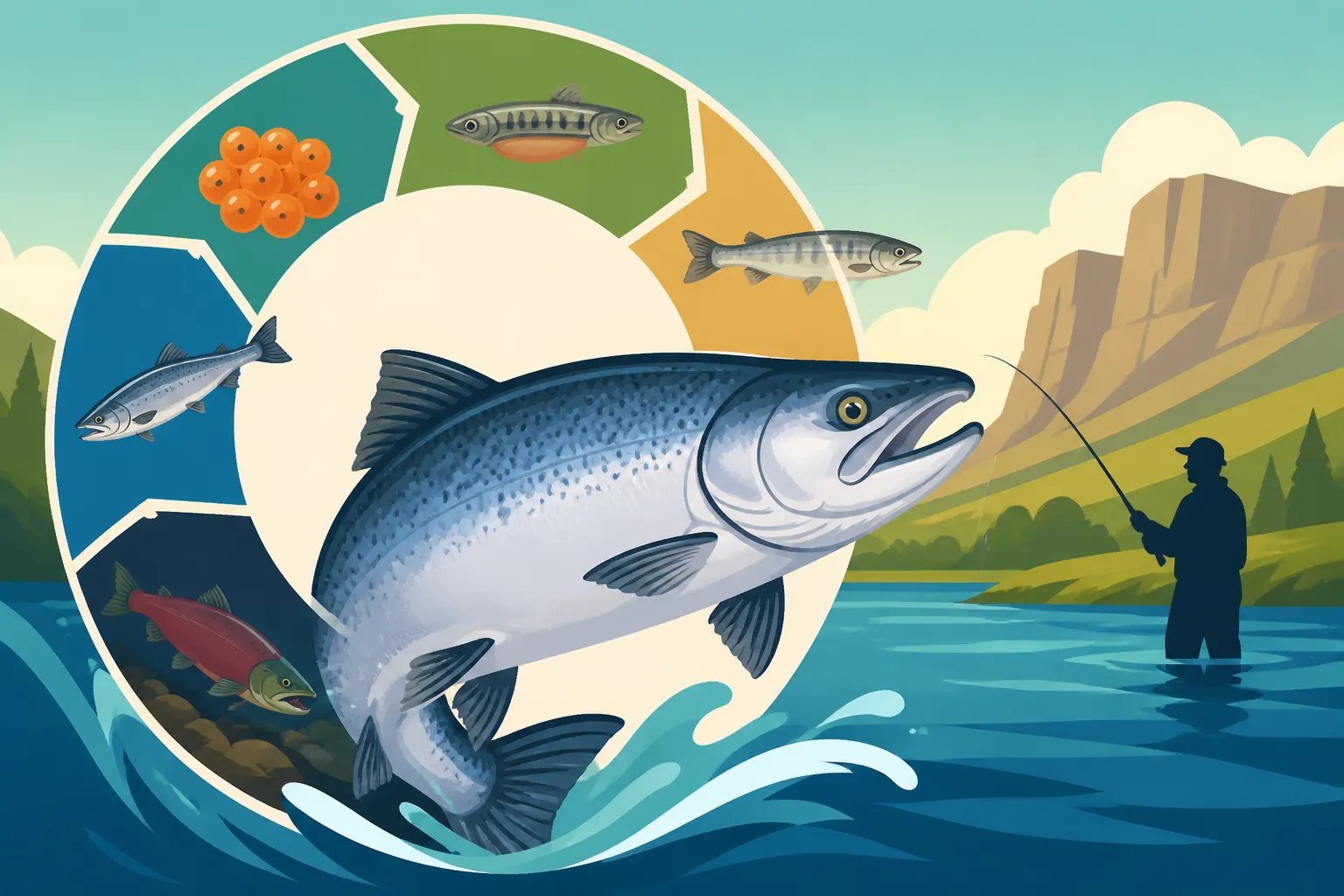
The life cycle of a Chinook salmon in Lake Oahe begins at a hatchery. These fish are released into the lake as smolts, small juvenile salmon, where they immediately begin to feed on the abundant alewife population. Lake Oahe provides an ideal cold-water environment with plenty of forage to help them grow quickly.
For the first couple of years, these fish focus on growing rapidly, putting on weight and size. By their third and sometimes fourth year, they reach sexual maturity. At this point, even without an ocean migration, the instinct to spawn takes over. They will congregate in certain areas of the lake, particularly around the Whitlock Bay area, and attempt to spawn, much like their wild relatives. This intense, final act leads to their demise. Why Chinook Salmon Die After Spawning details this process.
Why the Shorter Lifespan?
There are a few key reasons for this generally shorter lifespan in South Dakota's landlocked Chinooks. Firstly, the intense energy expenditure of an ocean migration, while absent, is replaced by the demanding process of growing and maturing within a finite system. Secondly, the pressure of fishing, while managed, plays a role. Anglers are actively targeting these fish, especially during their peak maturity. South Dakota Chinook Salmon Regulations are in place to help manage this.
Thirdly, the genetic programming for a single spawning event remains. Whether they travel thousands of miles or just a few, the biological imperative to reproduce consumes all their energy, resulting in death shortly after spawning. Our cold, deep lakes are excellent habitat, but they still operate within the biological clock of the salmon.
Here's a quick comparison of average lifespans:
| Characteristic | Wild Pacific Chinook Salmon (Anadromous) | South Dakota Chinook Salmon (Landlocked/Stocked) |
|---|---|---|
| Typical Lifespan | 3-7 years | 2-4 years |
| Life Stage in Ocean | Yes, 1-5 years | No |
| Spawning Behavior | Anadromous (ocean to freshwater) | Landlocked (within reservoir systems) |
| Number of Spawning Events | One (semelparous) | One (semelparous) |
| Post-Spawning Fate | Dies | Dies |
| Primary Growth Location | Ocean (saltwater) | Lake Oahe (freshwater) |
Factors Influencing Chinook Lifespan in Our Waters
While the average lifespan is typically 2-4 years, several factors can influence how long an individual Chinook salmon lives and thrives in South Dakota. Understanding these can give you a better appreciation for the fish and the ecosystem.
Forage Base and Diet
The primary diet of Chinook salmon in Lake Oahe revolves around the alewife. The abundance and health of the alewife population directly impact the growth rates and overall health of the salmon. If the alewife population is robust, the salmon grow faster, are healthier, and reach maturity more efficiently. Conversely, a decline in the forage base could lead to slower growth, poorer condition, and potentially a shorter average lifespan as fish struggle to get adequate nutrition. South Dakota Fish Species Diet by Season offers more insights into what our fish are eating.
This relationship is constantly monitored by wildlife agencies to ensure a sustainable fishery. Anglers often look for areas where alewife schools are congregating, knowing that the salmon won't be far behind. Finding the bait is often key to finding the fish, and tools like high-quality fish finders, readily available on Amazon, can make all the difference.
Water Quality and Habitat Conditions
Lake Oahe offers excellent cold-water habitat, which is crucial for Chinook salmon. They are a cold-water species, preferring deep, cool waters with high oxygen levels. Fluctuations in water quality, such as extreme temperature changes (especially during prolonged hot summers), low oxygen levels in deeper waters, or pollution, can stress the fish and reduce their overall vitality, potentially impacting their lifespan.
Maintaining optimal water conditions is a continuous effort involving responsible land use and environmental stewardship around the reservoir. Healthy habitat ensures that the salmon have the best possible environment to grow and mature.
Fishing Pressure and Angler Harvest
South Dakota's Chinook salmon fishery is a prized one, attracting many anglers. While fishing is a fantastic recreational activity, it does exert pressure on the fish population. Limits and regulations are put in place to manage this harvest responsibly and ensure a healthy number of fish remain to contribute to the population structure. South Dakota Fish Limits and Size Restrictions are designed with this in mind.
Anglers targeting salmon often use specific techniques like trolling with downriggers to reach the deep, cold waters where these fish reside. Gear, from specialized trolling rods to various spoons and plugs, can be found with ease on platforms like Amazon, equipping anglers for success while still adhering to conservation practices.
Disease and Predation
Like all wild populations, Chinook salmon in Lake Oahe can be susceptible to diseases. While management agencies work to ensure healthy fish stocking, environmental stressors or introduced pathogens can sometimes impact fish health. Additionally, while adult Chinook salmon are top predators in the lake, juvenile salmon can fall prey to other species or succumb to natural mortality factors.
These are natural parts of any ecosystem, and fish populations are resilient, but it's another layer in the complex tapestry that determines the ultimate average lifespan of a species.
What Anglers Need to Know About Chinook Salmon Lifespan
Understanding the shorter, yet incredibly productive, lifespan of Chinook salmon in South Dakota has practical implications for anglers. It influences how we approach fishing for them, what we expect, and our role in the conservation of this unique fishery.
Targeting Mature Fish
Given that Chinook salmon typically live 2-4 years and reach maturity in their third or fourth year, anglers often target these older, larger fish. These are the ones putting on significant size and fighting power, making for an exhilarating catch. The peak time for targeting these larger, mature salmon often coincides with the late summer and fall, when they are actively staging for their spawning efforts. South Dakota Chinook Salmon Fishing Guide provides a wealth of information on this.
Knowing their life cycle helps you understand why fishing reports might emphasize certain times of the year for bigger fish. It’s all about timing your trip with their natural progression towards maturity.
Fishing Seasons and Limits
Because the lifespan is relatively short and tied to a single spawning event, fishing regulations are crucial for managing the population. Agencies carefully set South Dakota Fishing Season Dates and Limits to allow for a sustainable harvest while ensuring enough fish are available for future generations and to complete their biological cycle.
Always check the most current regulations before heading out. They are designed not to limit your fun, but to protect the resource we all cherish, ensuring that the next generation of anglers can also experience the thrill of catching a Lake Oahe Chinook.
Catch and Release Considerations
For those who practice catch and release, particularly with mature fish nearing their spawning cycle, it’s important to understand the inherent challenges. While releasing a fish might seem like the most conservation-minded choice, Chinook salmon are biologically programmed to die after their single spawning event.
A mature salmon caught and released during the spawning run will still likely die shortly after, regardless of the release. This isn't a failure on the angler's part, but simply the unyielding force of nature. This is why many anglers choose to harvest these mature fish, recognizing that they have completed their life's purpose and make excellent table fare.
Maximizing Your Chinook Salmon Fishing Experience
Knowing the average lifespan and life cycle of South Dakota's Chinook salmon can truly enhance your fishing experience. It allows you to appreciate the unique journey of these fish and to make informed decisions as an angler.
Gear Up for Success
To effectively target Chinook salmon, especially the larger, mature fish, having the right gear is essential. These are powerful fighters that demand strong rods, reliable reels, and appropriate tackle. Many anglers find a wide selection of specialized salmon gear, from heavy-action trolling rods to various spoons, dodgers, and flasher setups, by browsing online retailers like Amazon. Investing in good quality monofilament or braided line, which can withstand powerful runs, is also crucial.
Remember, a well-equipped angler is often a more successful and less frustrated angler, especially when dealing with such a formidable opponent. South Dakota Fishing Gear Checklist can help you get ready for your trip.
Timing Your Trip
Understanding that Chinooks have a peak growth and maturity period, followed by their spawning run, can help you plan your trips. If you're looking for the biggest, hardest-fighting fish, late summer and fall can be prime times. This is when the fish are at their largest and most active before their final spawning efforts.
Consider visiting popular salmon fishing areas like Lake Oahe Chinook Salmon Fishing at Whitlock Bay during these periods for your best chance at a trophy. Keep an eye on local fishing reports and condition updates to perfectly time your South Dakota salmon adventure.
Disclaimer
This article is for general informational purposes only and does not constitute professional advice. Laws, prices and regulations vary by location and change over time. Consult a qualified professional for guidance on your specific situation.