South Dakota Walleye Daily Limit
It's a common scenario: you've planned your South Dakota fishing trip, the boat is loaded, and the anticipation is building. But then, a nagging thought creeps in – "What's the walleye limit again?" It's easy to get caught up in the excitement, but understanding the regulations, especially the walleye daily limit, is absolutely crucial for a successful and legal outing. This guide is designed to cut through the confusion and give you a crystal-clear understanding of South Dakota's walleye daily limit, special rules, and how to stay on the right side of the law.
Understanding South Dakota's Walleye Daily Limit
Let's get right to the heart of the matter. South Dakota is a walleye angler's paradise, but with great fishing comes great responsibility, and that means adhering to the regulations set by the South Dakota Game, Fish and Parks (GFP). These rules are designed to ensure that our walleye populations remain healthy and abundant for generations of anglers to come.
The Statewide Standard
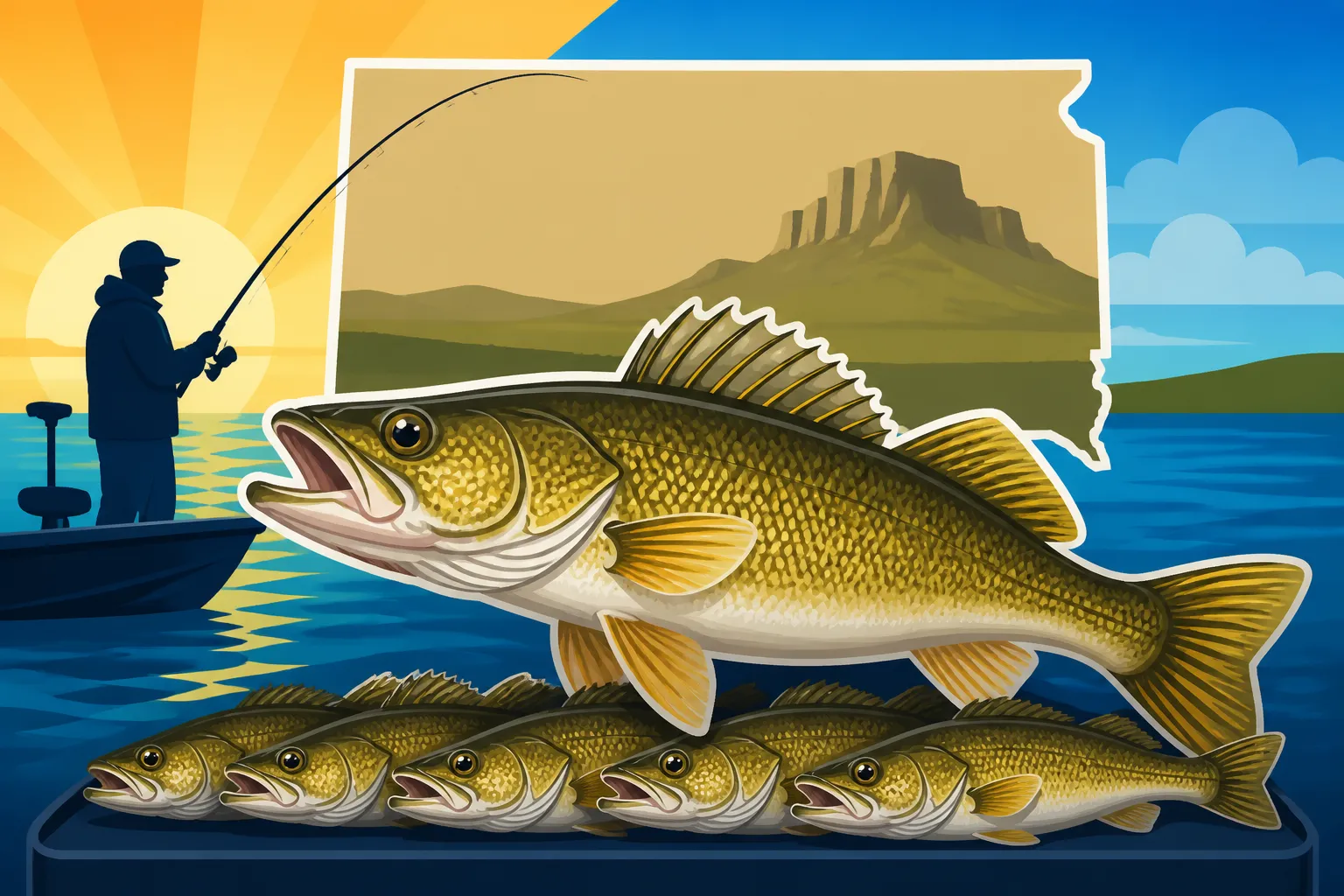
For most of South Dakota's waters, the general daily limit for walleye is four fish. This means that in any single calendar day, you are allowed to harvest, or keep, up to four walleye. It sounds straightforward, right? And for the vast majority of our beautiful lakes and rivers, it is. This four-fish limit is a carefully considered number, balancing angler opportunity with the biological needs of the walleye population. It prevents overharvesting, especially during peak seasons when walleye are actively biting.
Imagine you're out on the mighty Lake Sharpe, the sun is shining, and the walleye are on the chew. You've boated three beautiful 'eyes by lunchtime, and you're feeling good. You know you still have room for one more to hit that daily limit. But once that fourth fish is in the livewell, your daily limit is met. Any additional walleye you catch after that point must be immediately released back into the water, unharmed. It’s a hard rule, and one that every angler needs to respect. This regulation helps maintain a stable population, allowing enough fish to survive and reproduce, ensuring future fishing success for everyone.
Distinguishing Daily from Possession Limits
Here's where it can get a little tricky for folks who are new to South Dakota or those planning multi-day trips. There's a big difference between a "daily limit" and a "possession limit," and mixing them up can lead to serious trouble.
The daily limit, as we just discussed, refers to the number of fish you can legally harvest in one 24-hour period, typically from midnight to midnight. It resets each day.
The possession limit, on the other hand, refers to the total number of fish you can have in your possession at any given time, whether that's in your boat, cooler, vehicle, at your camp, or back home in your freezer. For walleye in South Dakota, the general possession limit is twice the daily limit, meaning eight fish.
Let's play this out with an example: You spend Saturday fishing Lake Oahe and catch your daily limit of four walleye. You head back to your cabin, clean them, and put them in the freezer. On Sunday, you go out again and catch another four walleye. Now, you have eight walleye in your possession (four from Saturday, four from Sunday). You've reached your possession limit. Even if you went out on Monday, you could not keep any more walleye until some of the fish in your possession were consumed, gifted, or otherwise legally disposed of, bringing your total possession count below eight. This is particularly important for those staying at lodges or campgrounds where fish might be stored for multiple days. The moment those fish hit your cooler, your vehicle, or your freezer, they count towards your possession limit. Understanding this distinction is key to avoiding accidental violations, especially if you're planning a longer fishing vacation in South Dakota. For more detailed information, you can always consult the official South Dakota Fishing Regulations Explained for the current year.
Navigating Special Walleye Regulations in Specific Waters
While the four-fish daily limit is the standard for most of South Dakota, there are some notable exceptions. The GFP manages specific water bodies with tailored regulations to address unique ecological conditions, fishing pressure, or conservation goals for certain fish populations. It's never enough to just know the general rule; always check the specific rules for the lake or river you're heading to.
Unique Rules for Belle Fourche Reservoir
One of the most prominent examples of a water body with special walleye rules is the Belle Fourche Reservoir. This reservoir, located in western South Dakota, is renowned for its potential to produce trophy-sized walleye, but it also experiences significant fishing pressure. To protect its valuable walleye fishery and enhance the chances of anglers catching larger fish, the GFP has implemented a more restrictive slot limit and daily bag limit here.
As of the latest regulations, the walleye daily limit on Belle Fourche Reservoir is typically two fish. Furthermore, there's a slot limit in place, meaning that any walleye between a certain size (e.g., 15-18 inches, or similar specific range) must be immediately released. This is a critical distinction from the statewide rule. The idea behind this specific slot limit is to protect the sexually mature, reproducing walleye that fall within that size range, allowing them to grow larger and contribute to the fishery. It also encourages anglers to harvest smaller fish (below the slot) and potentially larger trophy fish (above the slot), which helps to thin out abundant year classes and allows the protected middle-range fish to thrive. If you're heading to Belle Fourche, you absolutely must review the current Belle Fourche Reservoir Special Walleye Rules as these can change annually. Ignoring these specific regulations can lead to a quick end to your fishing trip and significant fines.
Other Potential Water-Specific Variations
While Belle Fourche Reservoir is the most well-known example for distinct walleye regulations, it's a good practice to always assume that other bodies of water could have their own specific rules. These special regulations might involve different daily limits, possession limits, or length restrictions for various species, not just walleye. For instance, a small, heavily fished lake might have a reduced limit to prevent overharvest, or a lake undergoing a rehabilitation project might have temporary emergency rules.
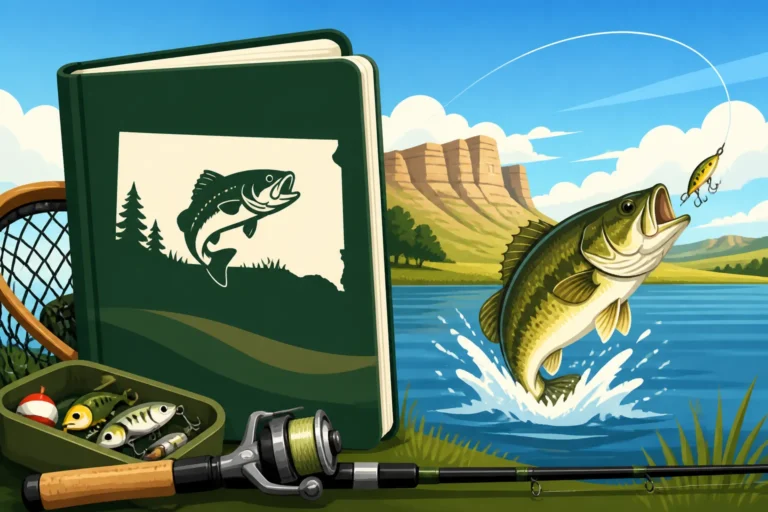
The best way to ensure you're compliant is to always check the latest South Dakota Game, Fish and Parks Fishing Handbook or their website before you hit the water. This handbook is your bible for all things regulation-related, covering everything from specific limits to bait restrictions and boat access rules. You can usually pick up a physical copy at license vendors, GFP offices, or download a PDF version directly from their website. Trust me, a few minutes of checking the regulations beforehand can save you a lot of headache, heartache, and potential legal trouble later on. It’s a simple step, but one that seasoned anglers never skip.
Adhering to Size Restrictions and Slot Limits
Beyond the sheer number of fish you can keep, South Dakota fishing regulations often include rules about the size of the fish you can harvest. These length restrictions and slot limits are powerful tools for managing fish populations, ensuring healthy ecosystems, and sometimes even promoting trophy fisheries. They can be a bit more nuanced than just a simple "daily limit," so let's dive in.
Understanding Minimum Length Requirements
A minimum length requirement means that any fish you catch that is shorter than a specified length must be immediately released back into the water, regardless of whether you've met your daily limit. These rules are usually put in place to protect juvenile fish, allowing them to grow to a size where they can reproduce at least once, or to reach a more desirable size for anglers.
For walleye, while a statewide minimum length isn't always active, it's common in certain waters or during specific seasons. For example, some lakes might have a 14-inch minimum length for walleye. If you reel in a beautiful 13-inch walleye, even if it’s the only fish you’ve caught all day, you have to let it go.
How to Measure Correctly:
Measuring a fish correctly is critical. The official method in South Dakota is to measure the fish from the tip of its snout (with its mouth closed) to the tip of its tail, with the tail squeezed together to get the maximum length. Lay the fish flat on a measuring board or tape. Many anglers carry specialized fish rulers or measuring tapes (you can find a great selection on Amazon) that are easy to use in a boat or on the ice. These are super handy for quick, accurate measurements.
Importance of Proper Release:
When you catch an undersized fish, proper release techniques are vital to its survival.
- Minimize handling: Keep the fish in the water as much as possible.
- Wet hands: Always wet your hands before touching the fish to protect its protective slime coat.
- Support the fish: Support its body horizontally, don't hold it vertically by the jaw or tail, which can damage its internal organs.
- Remove hook quickly: Use needle-nose pliers or a dehooking tool to remove the hook gently. If the fish is deeply hooked, cut the line as close to the hook as possible; the hook will often rust out.
- Revive if necessary: If the fish seems sluggish, hold it gently in the water, facing into the current, until it swims away under its own power.
The Ins and Outs of Slot Limits
Slot limits are a more sophisticated management tool compared to simple minimum length limits. They define a "slot" or a specific size range of fish that cannot be kept. Any fish caught within this slot must be released, while fish smaller than the slot and fish larger than the slot can be kept (up to your daily limit).
Let's use a common hypothetical walleye slot limit: say, "no walleye between 15 and 18 inches may be kept."
- If you catch a 14-inch walleye, you can keep it.
- If you catch a 16-inch walleye, you must release it.
- If you catch a 19-inch walleye, you can keep it.
The primary biological reason for slot limits is to protect the breeding stock within a population. Fish in the protected slot are often prime spawners, and by releasing them, you're giving them more opportunities to reproduce and contribute to future generations of fish. This also helps to thin out the population of smaller, more abundant fish, reducing competition for food and allowing the remaining fish to grow faster and larger. The idea is to create a more balanced population structure, often leading to better trophy potential.
Anglers frequently encounter these rules on popular walleye waters, like the aforementioned Belle Fourche Reservoir. Navigating these rules requires constant vigilance, as you might need to release a healthy, legal-sized fish if it falls within the slot. It’s why having a reliable measuring device right in your boat or tackle box is so essential. Getting into the habit of measuring every fish you intend to keep before it goes into the livewell is a practice that will serve you well and keep you compliant with all South Dakota Fish Limits and Size Restrictions.
Staying Compliant and Avoiding Penalties
Fishing should be a relaxing and enjoyable activity, not one filled with anxiety about breaking the law. However, ignorance of the rules is no excuse, and conservation officers take their job seriously. Understanding how to stay compliant with walleye daily limits and other regulations is fundamental to responsible angling and avoiding unpleasant surprises.
Counting Your Catch Accurately
Keeping track of your catch might seem simple, but in the heat of the moment, especially on a hot bite, it can be surprisingly easy to lose count. You might have multiple anglers in the boat, or you might be releasing some fish while keeping others. A simple miscount can quickly turn a fun day into a costly one.
Here are a few practical tips to help you keep an accurate tally:
- Dedicated Stringer/Livewell: If you're keeping fish, have a designated stringer or section of your livewell for your "kept" fish. Don't mix them with fish you're holding temporarily or planning to release.
- Visual Count: Every time a fish goes into the livewell or onto the stringer, make a conscious mental note and even announce it to your fishing partners: "That's three for me!"
- Clicker Counter: Some anglers use a simple mechanical clicker counter, often used by golf caddies or door personnel, to keep an accurate running tally. These are inexpensive and can be found on Amazon.
- Smartphone Apps: There are also various fishing apps available that allow you to log your catch, including species, size, and whether it was kept or released.
- Be Conservative: If you're ever in doubt about the size or count, err on the side of caution. It's always better to release an extra fish than to accidentally exceed the limit.
It's also crucial to remember that once you've reached your daily limit for walleye, any subsequent walleye you catch must be immediately released. This is often referred to as "stopping fishing" for that species once you've reached the limit, even if other species are still fair game. Ensure you're handling and releasing these fish with the utmost care to maximize their survival chances.
Consequences of Exceeding Limits
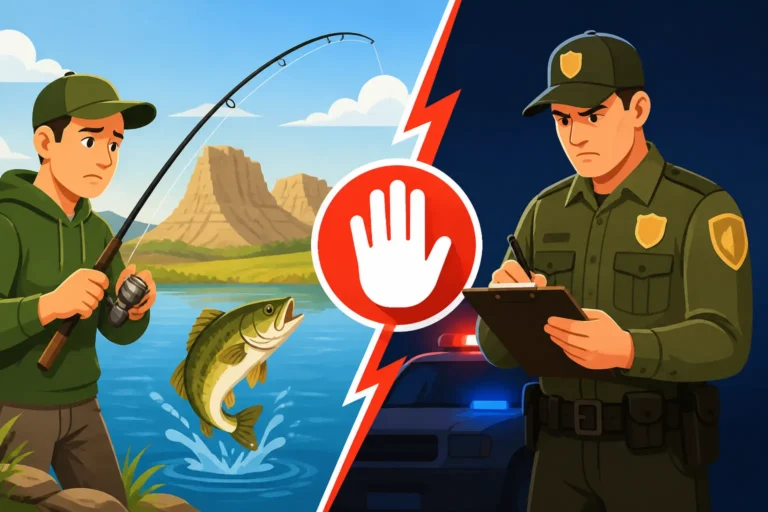
The penalties for exceeding daily or possession limits for fish in South Dakota are not to be taken lightly. South Dakota Game, Fish and Parks conservation officers are empowered to enforce these regulations, and they patrol waters regularly. They are trained professionals dedicated to protecting our natural resources, and they have the authority to issue citations, confiscate fish, and even seize equipment.
Here's a breakdown of potential consequences:
- Fines: The most common penalty is a substantial monetary fine. The amount can vary depending on the number of fish over the limit and the specific species, but it can easily run into hundreds of dollars per violation.
- License Suspension/Revocation: Depending on the severity and frequency of the offense, your South Dakota fishing license (and potentially hunting license) could be suspended for a period or even revoked entirely. This means you wouldn't be able to legally fish in the state.
- Confiscation of Fish: Any illegally harvested fish will be confiscated by the conservation officer.
- Confiscation of Gear: In more severe cases, fishing equipment (rods, reels, tackle, and even boats or vehicles used in the commission of the crime) can be confiscated.
- Jail Time: While rare for a first-time, minor over-limit infraction, severe violations, repeat offenses, or situations involving commercial poaching can lead to misdemeanor or felony charges, potentially resulting in jail time.
It's vital to remember that "I didn't know" is not a valid defense. Anglers are responsible for knowing and adhering to all current regulations. This is why always checking the GFP handbook or website is so critical. For a broader understanding of legal repercussions, you can look into South Dakota Fishing Without a License Penalties which covers a range of violations.
Essential Gear for Compliance
Being prepared with the right tools makes compliance much easier and less stressful. Think of these as your "compliance kit" that should always be in your boat or tackle bag:
- Measuring Device: As discussed, a reliable measuring tape or ruler is non-negotiable, especially on waters with length limits or slot limits. You can find flexible, waterproof measuring tapes that adhere to your boat or a simple tape measure for your tackle box. Many outdoor retailers and online stores like Amazon offer excellent options.
- Digital Scale: While not always required for walleye daily limits, a small digital scale can be incredibly useful for verifying potential trophy fish or for species with weight-based regulations.
- Current Regulations: Always have a copy of the current South Dakota Fishing Handbook with you. Whether it's a physical booklet, a downloaded PDF on your phone, or a dedicated fishing app, quick access to the rules is invaluable.
- Pliers/Dehooker: For quick and efficient release of undersized or slot-limit fish, a good pair of long-nose pliers or a dehooking tool minimizes handling time and stress on the fish.
- First-Aid Kit: While not directly related to limits, a basic first-aid kit is crucial for any fishing trip, ensuring you can handle minor injuries quickly and safely, allowing you to focus on your fishing and compliance.
Having these items as part of your overall South Dakota Fishing Gear Checklist will not only ensure you stay compliant but also enhance your overall fishing experience, making it safer and more responsible.
Walleye Conservation and Your Role
As anglers, we have a unique connection to the natural world and a responsibility to protect it. The regulations, including walleye daily limits, are not arbitrary obstacles; they are carefully crafted tools for conservation. Understanding their purpose deepens our appreciation for the resource and encourages us to be stewards of South Dakota's fantastic fisheries.
Why Limits Matter for Future Generations
The four-fish daily limit (or two fish in special areas like Belle Fourche) for walleye is a cornerstone of sustainable fisheries management. Without these limits, unchecked harvesting could quickly deplete walleye populations, leading to fewer fish, smaller average sizes, and ultimately, a decline in the quality of fishing for everyone.
Walleye, like all fish, have specific life cycles, including spawning periods. When limits are set, they consider factors like:
- Reproductive Capacity: Ensuring enough adult fish survive to reproduce and replenish the population each year.
- Growth Rates: Allowing fish to grow to a healthy size, which often means they've had a chance to spawn multiple times.
- Population Density: Managing the overall number of fish to ensure there's enough food and habitat for them to thrive.
- Angler Pressure: Balancing the desires of a growing number of anglers with the finite capacity of the fishery.
By adhering to daily limits, you're directly contributing to the long-term health of South Dakota's walleye populations. You're ensuring that your children and grandchildren will have the same, or even better, opportunities to experience the thrill of a walleye on the line. It's about thinking beyond just your own cooler for today and considering the legacy we leave for tomorrow. For a deeper dive into the species, check out our comprehensive South Dakota Walleye Fishing Guide.
Practicing Responsible Angling
Beyond simply following the letter of the law, responsible angling involves a mindset of respect for the resource. This often means practicing catch-and-release, especially for fish you don't intend to eat or for those prized trophy fish you hope will produce more giants.
Here are some responsible angling practices:
- Catch-and-Release with Care: If you're over your limit, targeting specific sizes, or simply fishing for sport, be ready to release fish properly. Use appropriate gear that minimizes harm (e.g., barbless hooks, artificial lures when possible).
- Minimize Fight Time: Bring fish in quickly, especially in warmer water or when targeting deep fish. A prolonged fight can exhaust a fish and reduce its chances of survival after release.
- Gentle Handling: As discussed earlier, wet your hands, support the fish horizontally, and avoid squeezing or touching the gills. Use a rubber-coated net to protect their slime coat and fins.
- Dehooking Tools: Keep a pair of long-nose pliers or a specialized dehooker handy to quickly and gently remove hooks, especially if they're embedded deeply.
- Avoid "High-Grading": This refers to the unethical practice of keeping fish throughout the day, then releasing smaller ones as larger fish are caught, effectively exceeding the daily limit by only keeping the biggest fish. Once a fish is kept in a livewell or on a stringer, it counts towards your limit and cannot be exchanged.
By adopting these practices, you're not just following rules; you're actively participating in the conservation effort. You're becoming a steward of South Dakota's incredible natural resources, helping to preserve the magic of fishing for future generations.
Disclaimer
The information provided in this guide is intended for general informational purposes only and is based on typical South Dakota fishing regulations. Fishing regulations, including daily limits, possession limits, and size restrictions, are subject to change by the South Dakota Game, Fish and Parks (GFP) without prior notice. It is the responsibility of every angler to consult the official and most current South Dakota Fishing Handbook or the GFP website before engaging in any fishing activity. Failure to comply with current regulations can result in fines, license suspension, or other legal penalties.