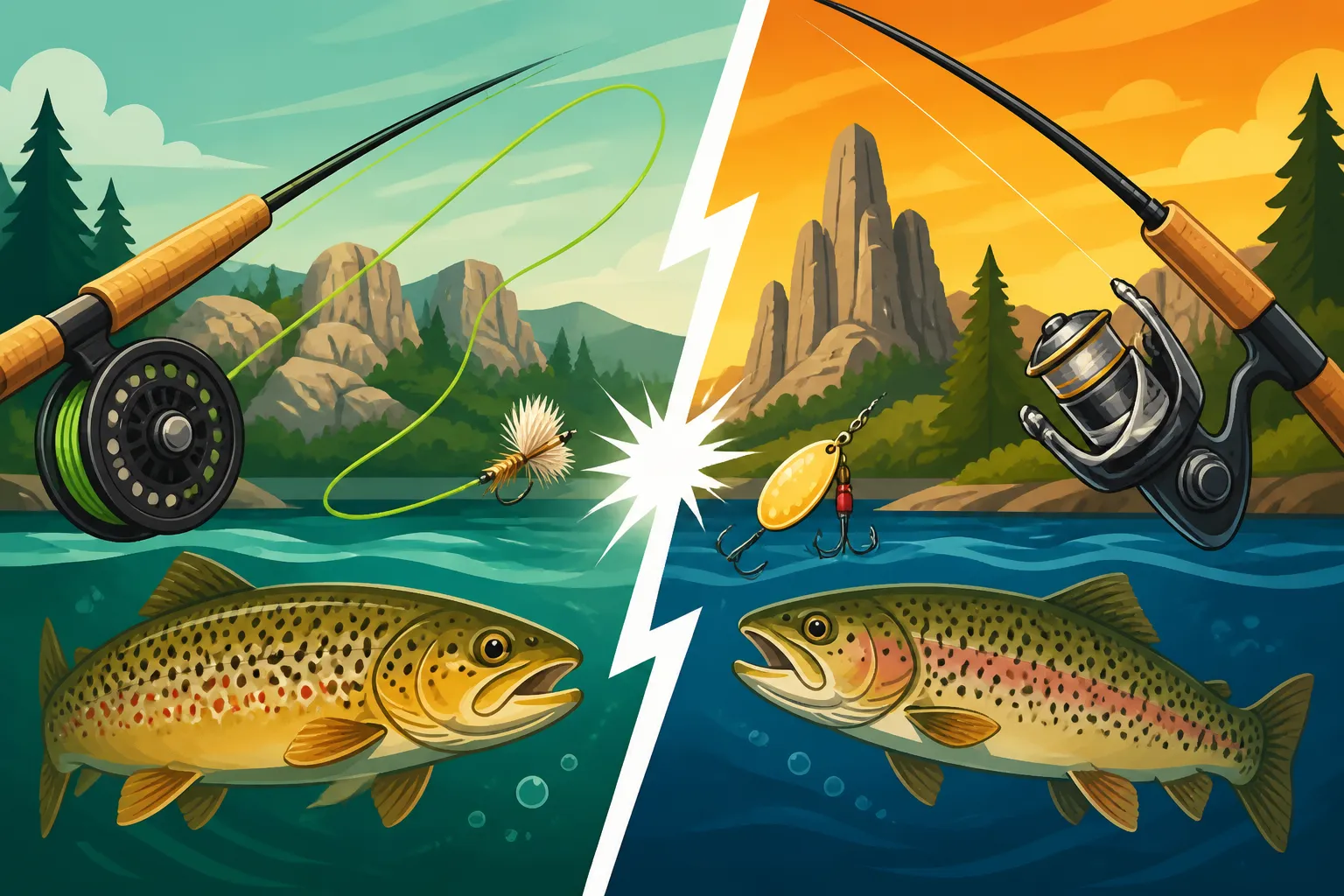
Fly Fishing vs Spin Fishing for Black Hills Trout
When you're standing on the banks of a beautiful Black Hills stream, the crystal-clear water gurgling over rocks, a common question often pops into an angler's mind: should I pick up a fly rod or stick with my trusty spin fishing setup? It's a real dilemma, blending tradition, accessibility, and pure angling enjoyment. This guide is here to help you navigate that decision, delving deep into the nuances of both fly fishing and spin fishing so you can choose the best approach for chasing trout in South Dakota's stunning western waters.
The Distinct Philosophies Behind Fly Fishing and Spin Fishing
At their heart, fly fishing and spin fishing represent two very different approaches to angling, each with its own rhythm and appeal. Many anglers feel a pull towards one over the other, and it's often less about which one is "better" and more about which one resonates with their personal style and what they seek from their time on the water.
The Allure of Fly Fishing
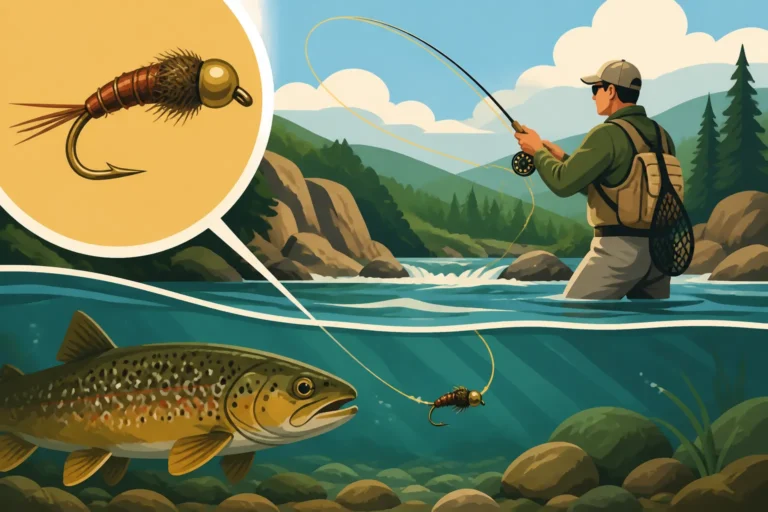
Fly fishing often feels like a ballet on the water, a delicate dance between angler, rod, and quarry. It’s less about brute force and more about finesse, observation, and presentation. Anglers are often drawn to fly fishing for its intellectual challenge – the constant puzzle of "matching the hatch" (identifying and imitating the insects trout are feeding on) and the meditative rhythm of the cast. There’s a profound connection to nature that many fly fishers describe, spending hours observing insect life, water currents, and fish behavior. It’s not just about catching fish; it’s about understanding the intricate ecosystem of the stream. For many, it's an art form, where each cast is an attempt at perfection, a graceful delivery of a tiny, artificial insect.
Consider the classic image of a fly angler quietly wading a Black Hills creek like Spearfish Creek, carefully studying the water for rising fish. They’re not just tossing a lure; they’re trying to deceive a wild creature with a meticulously crafted imitation of its natural food. This level of engagement and the satisfaction of success through subtle mimicry is a huge part of its enduring appeal. If you're looking for a pursuit that requires patience, observation, and a deep dive into the natural world, the philosophy of fly fishing might just be for you. It's truly a journey of continuous learning and refinement, making every outing a unique educational experience.
The Practicality of Spin Fishing
On the other hand, spin fishing offers a more immediate, hands-on, and often more accessible experience. It's a method many of us grew up with, allowing for a broader range of baits and lures, and typically a quicker learning curve. Spin fishing setups are generally more forgiving, making it easier to cast accurately and cover more water. The versatility of spin fishing is one of its greatest strengths; you can effectively fish with everything from small spoons and spinners to worms and PowerBait, adapting quickly to different conditions and fish preferences. This means you don't necessarily need to be an entomologist to find success.
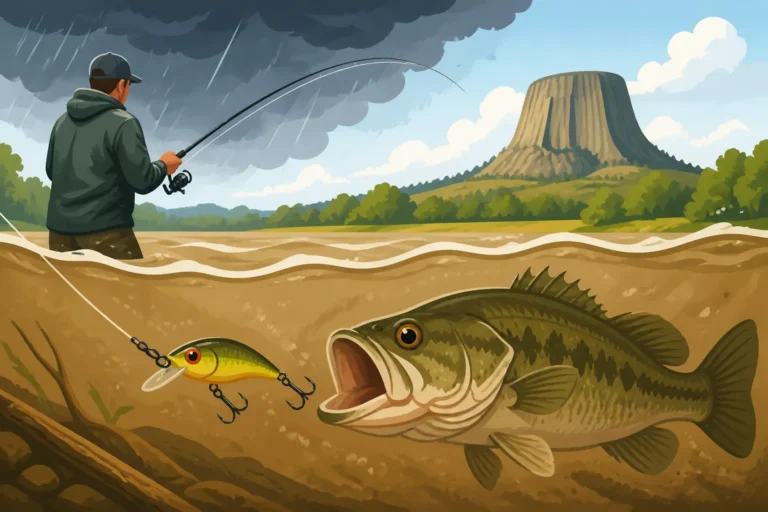
Imagine walking along a larger stream or even a small pond in the Black Hills, confidently casting a flashy spinner into likely trout lies. You can easily switch between lures to see what's attracting attention, and the feel of a strike is often more direct through the sensitive rod. For those who want to get out on the water, enjoy the outdoors, and reliably catch fish without an extensive apprenticeship, spin fishing provides a fantastic avenue. It's often the go-to method for families or those just looking to relax and enjoy the simple pleasure of fishing. The ease of getting started and the sheer breadth of tackle options make it incredibly practical for a variety of anglers and situations.
Essential Gear Differences: What You'll Need
Choosing between fly fishing and spin fishing also means choosing distinctly different sets of gear. While both require a rod, reel, and line, the specifics of each component are tailored to the unique demands of their respective techniques. Understanding these differences is key to getting started.
Fly Fishing Rods, Reels, and Lines
Fly fishing gear is specialized to cast an almost weightless artificial "fly." Unlike spin fishing, where the weight of the lure carries the line, in fly fishing, it's the weight of the line itself that carries the fly forward. This fundamental difference dictates the design of the rod, reel, and line.
A typical Black Hills trout fly fishing setup usually involves a lightweight fly rod, perhaps a 3-weight to 5-weight, somewhere between 7.5 and 9 feet long. The "weight" refers to the rod's stiffness and the line it's designed to cast. A 3-weight is very light and delicate, perfect for small streams and tiny flies, while a 5-weight offers a bit more versatility for larger trout and windier conditions. The fly reel, while crucial for holding line and fighting larger fish, doesn't contribute to the cast's momentum; it's primarily a storage device and a drag system. You'll have backing (thin braided line), then the actual fly line (a thicker, tapered line that provides casting weight), followed by a tapered leader, and finally a tippet – a very fine, nearly invisible line to which you tie your fly. Flies themselves are incredibly diverse, imitating everything from tiny midges and mayflies to larger streamers that mimic baitfish. You can find a vast array of these specialized items, from rods to various flies, available on platforms like Amazon, making it convenient to build your initial kit or stock up on consumables. For more on specific rod choices, check out our guide on Best Fly Rods for Black Hills Trout.
Spin Fishing Rods, Reels, and Tackle
Spin fishing gear, conversely, is built around the principle of casting a weighted lure or bait. The rod loads up with the weight of the tackle, and the reel’s spool directly releases the line. This allows for a much wider array of presentations and heavier lures when needed, though for Black Hills trout, a lighter setup is almost always preferred.
For trout in the Black Hills, an ultralight or light action spinning rod, typically 5 to 7 feet long, paired with a small, sensitive spinning reel is ideal. This setup provides the finesse needed for lighter lines and smaller lures, enhancing the fight with smaller trout. The reel will be spooled with monofilament or fluorocarbon line, usually in the 4 to 6-pound test range, which is thin enough not to spook fish but strong enough for most trout. Your tackle box will likely include a variety of small spinners (like Panther Martin or Mepps), tiny spoons, micro jigs, and perhaps some PowerBait or live worms. Accessories like split shot weights, small swivels, and an assortment of hooks are also essential. Because of the popularity and versatility, you'll find an incredible selection of these fishing essentials, from rods and reels to a myriad of lures and baits, readily available on retailers like Amazon. This makes it easy to replenish your supplies or upgrade your gear for specific Black Hills conditions.
Techniques for Black Hills Trout
Knowing the gear is one thing, but understanding how to use it effectively on a Black Hills stream or pond is another entirely. Both fly fishing and spin fishing demand specific techniques that are adapted to the trout's behavior and the unique aquatic environments of the region.
Mastering the Fly Cast and Presentation
Fly fishing in the Black Hills, particularly on the famed trout streams like Rapid Creek or Spearfish Creek, is all about presentation. The goal is to deliver your fly naturally, making it appear as if it’s an effortless part of the current, rather than a lure attached to a line. This requires mastering various casting techniques, from the basic overhead cast to roll casts that allow you to fish in tight, brushy areas without much backcast room. For more in-depth knowledge, consider our comprehensive South Dakota Fly Fishing Guide.
When trout are actively feeding on the surface, "dry fly" fishing – presenting a floating fly – is exhilarating. You’ll cast upstream of a rising fish, letting the fly drift naturally over its feeding lane. However, trout often feed subsurface, making "nymphing" a highly effective technique. This involves drifting a weighted nymph imitation under an indicator, mimicking aquatic insect larvae. For specific strategies, our article on Nymph Fishing Techniques for Trout Streams offers great insights. In colder water or when targeting larger, more aggressive trout, "streamer" fishing – casting baitfish imitations – can be deadly, often requiring a retrieve that imitates a fleeing minnow. Each technique requires careful line management, reading the water, and understanding where trout hold, which can change drastically depending on current, depth, and available cover. For understanding local regulations, refer to our Black Hills Stream Trout Regulations guide.
Effective Spin Fishing Tactics
Spin fishing for Black Hills trout emphasizes covering water and experimenting with retrieves to find what triggers a strike. While not as focused on "matching the hatch" as fly fishing, understanding trout behavior and habitat is still crucial.
One of the most common and effective spin fishing techniques is casting small spinners or spoons. You'll typically cast these upstream or across the current, then retrieve them at a speed that allows the lure to wobble and flash enticingly. Vary your retrieve speed and depth until you find what the fish are looking for. When using natural bait like worms or PowerBait, a simple drift rig with a small split shot weight, allowing the bait to tumble naturally downstream, can be incredibly effective, especially in deeper pools or slower currents. Targeting eddies, current seams, and undercut banks are prime spots for both methods. You can also target different species within the Black Hills. If you are specifically looking for larger brown trout, make sure to read our guide on the Best Black Hills Streams for Brown Trout. Sometimes, a slow, methodical retrieve of a tiny jig, mimicking an injured minnow or insect, will entice even the most wary trout. The beauty of spin fishing is how quickly you can adapt your approach – if one lure isn't working, it's easy to tie on another and try a different presentation until you crack the code.
Learning Curve and Accessibility
Deciding between fly fishing and spin fishing also boils down to how much time and effort you're willing to invest in learning, and what level of accessibility you desire. Both methods offer profound satisfaction, but the path to proficiency can look very different.
Getting Started with Fly Fishing
Embarking on the fly fishing journey often involves a steeper initial learning curve and a potentially higher upfront investment in specialized gear. Learning to cast a fly rod effectively is a skill in itself, requiring coordination, rhythm, and practice. It's not like simply whipping a spin rod. Many beginners find it helpful to take a lesson or spend considerable time practicing in a yard or open field before heading to the water. Understanding leader construction, tippet sizes, and the myriad of fly patterns can also feel overwhelming at first.
However, once you start to grasp the fundamentals, the rewards are immense. The grace of a well-executed cast, the subtle take of a trout on a tiny dry fly, and the intimate connection with the natural world are what keep anglers coming back. It’s a pursuit that often becomes a lifelong passion, with endless opportunities for refinement and discovery. While the initial hump can be challenging, the journey itself is often considered more important than the destination. Many local outfitters offer beginner clinics, or you can find countless instructional videos online to help you get started.
The Immediate Gratification of Spin Fishing
Spin fishing, in contrast, generally boasts a much gentler learning curve, making it incredibly accessible for beginners, children, or anyone looking for a more straightforward angling experience. Most people can pick up a spinning rod and reel, tie on a lure or bait, and make a decent cast within minutes. The mechanics are intuitive: cast out, reel in, and feel for a bite. This immediate gratification can be incredibly encouraging, especially for newcomers to the sport.
The versatility of lures and baits available means that if trout aren't biting on one thing, it's easy to switch to another without re-rigging extensively. You don't need to learn complex casting techniques to reach productive waters, and the gear is generally more affordable and readily available. This ease of entry makes spin fishing a fantastic choice for a casual day trip to a Black Hills lake or stream, or for introducing friends and family to the joys of fishing. While it might not have the same "artistic" reputation as fly fishing, spin fishing can be incredibly effective and deeply satisfying, offering plenty of challenge for those who wish to pursue it at a higher level, focusing on reading water, lure presentation, and fish behavior. Our South Dakota Trout Fishing Guide covers a range of methods that can lead to success.
Here's a quick comparison to help you weigh your options:
| Feature | Fly Fishing | Spin Fishing |
|---|---|---|
| Casting | Casts the weight of the line; requires finesse and specific techniques | Casts the weight of the lure/bait; generally simpler mechanics |
| Gear Cost | Can be a higher initial investment for specialized rods, reels, and flies | Generally more affordable and versatile entry-level gear |
| Learning Curve | Steeper; mastery requires practice and dedication | Gentler; easy for beginners to pick up and start catching fish |
| Lure Type | Artificial "flies" mimicking insects or baitfish, delicate presentation | Wide variety of artificial lures (spinners, jigs) and natural baits (worms) |
| Sensitivity | Often relies on visual cues (strike indicators, line movement) or subtle feel | Direct feel of bites through the rod, often more immediate feedback |
| Versatility | Highly effective for trout, panfish; specialized for specific situations | Extremely versatile for almost all fish species and conditions |
| Connection | Emphasizes observation, matching the hatch, and intimate connection to ecosystem | Focuses on active retrieval, covering water, and adaptability with tackle |
Ultimately, the choice between fly fishing and spin fishing for Black Hills trout comes down to what you want out of your angling experience. If you're drawn to the art, the challenge, and the deep connection to nature, and you're willing to invest the time in learning a new skill, fly fishing might be your calling. If you're looking for an accessible, versatile, and effective way to catch fish, with more immediate results, spin fishing is an excellent choice. Many anglers even embrace both, choosing their method based on the conditions, their mood, or the specific water they are fishing. Whichever path you choose, the Black Hills offers incredible opportunities for trout fishing, and with the right approach, you're sure to create lasting memories. Remember to always check current South Dakota Fishing License Guide requirements and South Dakota Trout Limits in the Black Hills before heading out.
Disclaimer
This article is for general informational purposes only and does not constitute professional advice. Laws, prices and regulations vary by location and change over time. Consult a qualified professional for guidance on your specific situation.