Can You Use an Out-of-State License on the Missouri River in South Dakota?
It’s a familiar scenario: you’re an avid angler, staring at a map of the mighty Missouri River, dreaming of reeling in some legendary walleye or catfish. But then the nagging question hits you—you're from out of state, and you wonder if your home state’s fishing license will actually cover you in South Dakota waters. It’s a common frustration, especially when planning a trip to a new state, and the answer isn’t always a simple yes or no. This guide is here to untangle the complexities of fishing licenses on the Missouri River in South Dakota, helping you understand exactly what you need to stay legal and enjoy your time on the water.
The Short Answer: It Depends on Where You Are
When it comes to using an out-of-state fishing license on the Missouri River in South Dakota, the quick answer is that it really depends on where you are on that river. For significant portions of the Missouri River, especially those entirely within South Dakota's borders, your out-of-state license will not be valid. However, there's a crucial exception that often brings confusion, and that's the stretches of the Missouri River that form a shared border with another state, particularly Nebraska. This concept of "reciprocity" on border waters is what most anglers are hoping for, and thankfully, it does exist in a specific section.
The General Rule for South Dakota Waters
Let's be crystal clear right off the bat: if you are fishing in any water body that is wholly within South Dakota's state lines, you absolutely need a valid South Dakota fishing license. This includes lakes, streams, ponds, and even sections of the Missouri River that are entirely encompassed by South Dakota territory. Think of it like this: South Dakota's natural resources are managed by the South Dakota Game, Fish and Parks (GFP), and to partake in the harvest of those resources, you need to contribute through the purchase of their licensing. Your Iowa, Minnesota, or even North Dakota license, no matter how valid it is in your home state, simply doesn't apply when you're casting your line into waters exclusively under South Dakota's jurisdiction. Ignoring this can lead to fines and a ruined fishing trip, which no one wants.
The Border Water Exception: South Dakota and Nebraska
Now, here's where the answer gets a little more nuanced and usually more hopeful for out-of-state anglers. South Dakota shares a significant portion of its southern border with Nebraska, and this border is largely defined by the Missouri River itself. Recognizing the practical difficulties and the shared resource, both states have established a reciprocal agreement for these specific boundary waters. This means that if you possess a valid fishing license from either South Dakota or Nebraska, you are generally permitted to fish in the common boundary waters of the Missouri River. This agreement is a real boon for anglers living near the border or those traveling through, as it removes the burden of needing two separate state licenses for a single stretch of river.
Understanding Reciprocity on the South Dakota-Nebraska Border
The reciprocal agreement between South Dakota and Nebraska regarding fishing licenses on their shared Missouri River boundary is a fantastic example of interstate cooperation benefiting anglers. It simplifies things considerably, but it's vital to understand the precise scope of this agreement to avoid any unintended violations. This isn't a blanket "your license works everywhere" deal, so let's dig into the details.
Defining the Reciprocal Waters
The reciprocal agreement isn't for the entire Missouri River, but specifically for the sections where the river forms the boundary between South Dakota and Nebraska. This typically includes the river from the confluence of the Niobrara River downstream to the Gavins Point Dam, which forms Lewis and Clark Lake. This is a substantial stretch of water, including prime fishing areas on Lewis and Clark Lake and portions of the river flowing past towns like Yankton. Within this defined area, an angler holding either a valid South Dakota fishing license or a valid Nebraska fishing license can legally fish. It’s a wonderful convenience, allowing folks from Omaha to fish the South Dakota side, and those from Sioux Falls to fish the Nebraska side, all on one license.
Regulations Still Apply: State-Specific Rules
While the license itself is reciprocal in these specific boundary waters, it's absolutely crucial to remember that the fishing regulations often still apply based on which side of the river you are actually fishing from, or where your boat is positioned. This is where many anglers can get tripped up. For instance, creel limits, size restrictions, specific bait prohibitions, or even season dates might differ slightly between South Dakota and Nebraska for certain species.
A good rule of thumb is to always be aware of the regulations for both states when fishing the boundary waters. In cases of conflict, the more restrictive regulation is often the one you should follow, or at the very least, you must adhere strictly to the regulations of the state whose side of the invisible border you are actively fishing. This means if you are fishing off the Nebraska shore, you need to know Nebraska's specific rules, even if you are using a South Dakota license. The South Dakota GFP Fishing Handbook Guide is an excellent resource for clarifying South Dakota's rules, and similar guides exist for Nebraska. I’d recommend checking both before you head out.
Practical Implications for Anglers
Let's imagine a scenario: you're a nonresident angler from Iowa, and you want to fish the Missouri River near Yankton. You have two options:
- Purchase a South Dakota Nonresident Fishing License. With this, you can fish anywhere in South Dakota, including the reciprocal waters with Nebraska.
- Purchase a Nebraska Nonresident Fishing License. With this, you can fish anywhere in Nebraska, and also the reciprocal waters with South Dakota.
So, for that specific boundary stretch, you only need one of the two licenses. If your trip might take you further north into South Dakota, away from the border (e.g., up to Lake Francis Case or Lake Sharpe), then opting for the South Dakota Nonresident Fishing License Options would be your best bet, as it covers you universally within South Dakota. If you're staying strictly on the border and maybe dipping into Nebraska waters too, either license will work for the boundary. It’s always best to have a clear understanding of your plans.
When a South Dakota License is Absolutely Necessary
While the reciprocity agreement with Nebraska on the border section of the Missouri River is incredibly convenient, it's paramount to understand that it does not cover the entire Missouri River system within South Dakota. There are vast stretches of this iconic river that fall entirely within South Dakota's geographical boundaries, and for these areas, a South Dakota fishing license is not just recommended, it's an absolute legal requirement for any angler over the age of 18 (or specific ages for residents/non-residents depending on other exemptions like those covered in South Dakota Fishing License Age Requirements).
Upstream of the Nebraska Border
Once you move upstream from the Niobrara River confluence, the Missouri River flows entirely within South Dakota. This means the reciprocity agreement with Nebraska no longer applies. This vast segment of the river encompasses some of South Dakota's most renowned fishing destinations, often referred to as the "Great Lakes of South Dakota." These include:
- Lake Francis Case: A large, diverse reservoir known for its walleye, smallmouth bass, and catfish.
- Lake Sharpe: Another excellent walleye fishery, stretching from Fort Randall Dam to Oahe Dam.
- Lake Oahe: The largest of the Missouri River reservoirs, famous for its walleye and Chinook salmon.
If your fishing adventure takes you to any of these incredible bodies of water, or to the river sections between them, your Nebraska or any other out-of-state license will not suffice. You will need a valid South Dakota Fishing License Guide to legally cast a line. This also applies to all the tributaries that feed into these reservoirs within South Dakota, such as the Cheyenne River Arm on Lake Oahe. Don't risk getting a citation; the game wardens patrol these areas diligently.
Fishing in Tributaries and Inland Waters
Beyond the main stem of the Missouri River, South Dakota boasts an incredible array of other fishing opportunities, from the glacial lakes in the east to the trout streams of the Black Hills. None of these waters are covered by any out-of-state license reciprocity. So, if you're planning a multi-faceted fishing trip that includes targeting South Dakota Trout Limits in the Black Hills or chasing South Dakota Northern Pike Limits in the northeastern lakes, you will undeniably need a South Dakota fishing license.
This also extends to any smaller rivers or creeks that feed into the Missouri River within South Dakota. Even if you're just a mile or two off the main channel, if it's not explicitly part of the defined reciprocal boundary waters, you need a South Dakota license. It’s always better to be safe than sorry and ensure you have the correct licensure for every body of water you intend to fish.
Special Circumstances and Exemptions
While the general rule is clear, there are always a few specific situations or exemptions to be aware of, though these typically pertain to resident anglers or specific circumstances like South Dakota Free Fishing Days. For instance, active duty military personnel stationed in South Dakota may have specific options, and young children often don't need a license up to a certain age. However, for most nonresidents planning a trip, assuming you need a South Dakota license for anything not explicitly stated as reciprocal border water is the safest approach. Always consult the official South Dakota Game, Fish and Parks regulations or their website for the most current and detailed information to ensure you comply with all South Dakota Fishing Regulations Explained.
How to Get Your South Dakota Nonresident License
So, you've figured out that your fishing plans will indeed take you into South Dakota waters that aren't covered by a reciprocal agreement, or maybe you just want the peace of mind of having a full South Dakota license for your entire trip. The good news is that obtaining a nonresident fishing license in South Dakota is a straightforward process designed to be convenient for visiting anglers. You have several options, ensuring you can get licensed quickly and efficiently, often even before you leave home.
Purchasing Online: The Easiest Way
By far the simplest and most common method for nonresidents to acquire a South Dakota fishing license is through the South Dakota Game, Fish and Parks (GFP) website. Their online portal is user-friendly, secure, and available 24/7. This means you can purchase your license from the comfort of your home, print it out immediately, or keep a digital copy on your smartphone. It’s incredibly convenient, especially if you’re planning a last-minute trip or arrive in South Dakota outside of typical business hours. Just navigate to the GFP website, find the licensing section, and follow the prompts for nonresident fishing licenses. It really couldn’t be easier to get properly licensed for your adventure, and you can even pick up a habitat stamp if required, though for shorter nonresident licenses it might not be.
In-Person Vendors: When You Prefer Human Interaction
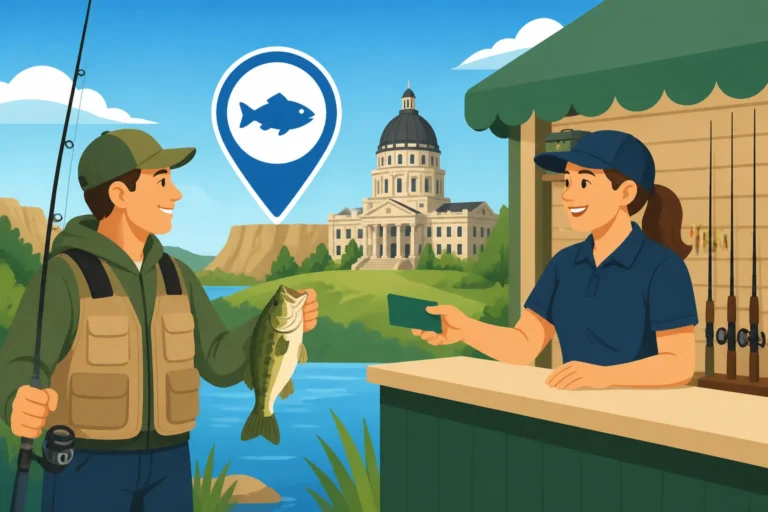
If you prefer to buy your license in person, or perhaps you've arrived in South Dakota and realized you forgot to purchase one online, there are numerous licensed vendors across the state. These typically include:
- GFP Offices: South Dakota Game, Fish and Parks regional offices.
- Sporting Goods Stores: Many local bait shops, tackle stores, and larger retailers like Walmart often sell fishing licenses. (While you can often find a wide array of fishing gear on Amazon, for the actual license, you'll need to go through an authorized vendor.)
- County Treasurer Offices: In some counties, you can purchase licenses directly from the County Treasurer.
When purchasing in person, you'll generally need to provide proof of identity (like a driver's license) and residency. Make sure to double-check the operating hours of any vendor before you make a special trip. This method also gives you a chance to chat with locals about recent fishing reports or pick up some local bait and tackle.
Understanding Nonresident License Options
South Dakota offers a range of South Dakota Nonresident Fishing License Options to suit different trip lengths and preferences. These typically include:
- Annual Nonresident Fishing License: This is ideal if you plan multiple trips throughout the year or one extended stay. It provides coverage for the entire license year (typically January 1st to December 31st). You can learn more about its specific cost here: South Dakota Nonresident Fishing License Cost.
- Short-Term Licenses: For those just visiting for a few days, options like a 1-day or 3-day nonresident fishing license are available. These are perfect for a quick weekend getaway and are generally more cost-effective than an annual license if you're only making one short visit. For example, a South Dakota Three-Day Nonresident License Price makes a quick trip much more affordable.
When selecting your license, consider the duration of your stay and whether you might return within the license year. It’s often more economical to get an annual pass if you anticipate multiple visits, but for a single short trip, the daily options are great.
Additional Stamps and Permits
Beyond the basic fishing license, some activities or locations in South Dakota might require additional stamps or permits. The most common of these is the Habitat Stamp. While residents often require a habitat stamp for most hunting and fishing activities, nonresidents usually do not need a habitat stamp for a general fishing license. However, if you are purchasing a combination hunting and fishing license, or engaging in certain specialized activities, it's wise to double-check if a habitat stamp is needed. Always refer to the official GFP regulations for the most up-to-date information on any additional requirements.
| License Type | Covers Reciprocal SD/NE Waters? | Covers All SD Waters? | Ideal For | Purchase Method |
|---|---|---|---|---|
| SD Annual Nonresident | Yes | Yes | Multiple trips or extended stays | Online, Vendors, GFP Offices |
| SD 1-Day Nonresident | Yes | Yes | Very short, single-day trips | Online, Vendors, GFP Offices |
| SD 3-Day Nonresident | Yes | Yes | Weekend or short multi-day trips | Online, Vendors, GFP Offices |
| NE Annual Nonresident | Yes | No | Fishing NE waters & SD/NE border | NE GFP, NE Vendors |
| NE Short-Term Nonresident | Yes | No | Fishing NE waters & SD/NE border | NE GFP, NE Vendors |
Always ensure you have your license on your person (physical or digital) while fishing, as game wardens regularly check for compliance, especially on busy waters like the Missouri River. Preparing ahead ensures a smooth and enjoyable fishing experience.
Navigating Specific Missouri River Sections in South Dakota
The Missouri River in South Dakota is a truly magnificent system, offering diverse fishing experiences across its various impoundments and riverine sections. Understanding which license applies to which section can feel like a maze, but breaking it down by specific well-known areas can help clarify things immensely. This ensures you’re not only legal but also fully prepared for the distinct challenges and opportunities each stretch presents.
Fishing Lake Oahe and Lake Sharpe
When you're dreaming of giant walleye on Lake Oahe or the prolific action on Lake Sharpe, remember these are South Dakota's crown jewels, lying entirely within the state's borders. These massive reservoirs, created by the Oahe Dam and Big Bend Dam respectively, are prime destinations for anglers from all over the country.
- Lake Oahe: Stretching from Bismarck, North Dakota, south past Pierre, South Dakota, Lake Oahe is an enormous body of water, famous for its world-class walleye fishing and its unique Chinook salmon fishery (covered in depth in the South Dakota Chinook Salmon Fishing Guide). If you’re fishing anywhere on Lake Oahe within South Dakota, whether you’re near Mobridge, Pierre, or down by the Oahe Dam tailwaters, you must have a South Dakota fishing license. Your out-of-state license simply won't cut it here.
- Lake Sharpe: Downstream from Oahe Dam, Lake Sharpe extends for many miles past Pierre and Fort Thompson. It’s another fantastic walleye fishery, known for its consistent action and often excellent smallmouth bass fishing. Like Lake Oahe, Lake Sharpe is fully contained within South Dakota. So, if your plans involve fishing near Pierre, West Bend Recreation Area, or any other part of Lake Sharpe, a South Dakota Fishing License Costs needs to be part of your budget.
For both these lakes, even if you travel from a bordering state, once you are on these waters, it's strictly South Dakota rules and licensing.
Lake Francis Case and Lewis and Clark Lake
Further downstream, the Missouri River transforms into Lake Francis Case and eventually Lewis and Clark Lake, which does touch the Nebraska border.
- Lake Francis Case: Created by the Fort Randall Dam, Lake Francis Case is a long, winding reservoir popular for walleye, smallmouth bass, and catfish. It is also entirely within South Dakota. If you're fishing near Pickstown, Platte Creek, or any other part of Lake Francis Case, you'll need a South Dakota fishing license. There are no reciprocal agreements that apply to this specific body of water.
- Lewis and Clark Lake: This is the section where things change. Formed by Gavins Point Dam, Lewis and Clark Lake is where the Missouri River truly becomes the shared border between South Dakota and Nebraska. As discussed earlier, this is the designated reciprocal water. Here, from the confluence of the Niobrara River down to Gavins Point Dam near Yankton, you can fish with either a valid South Dakota fishing license or a valid Nebraska fishing license. This makes fishing around Yankton, Crofton, or other points along this stretch much more flexible for out-of-state anglers. However, always remember to respect the specific fishing regulations of the state whose waters you are actively in, or the more restrictive of the two.
Bordering Tributaries and Exceptions
One final point of caution: the reciprocal agreement only applies to the main stem of the Missouri River where it forms the border. It does not extend to tributaries that feed into the Missouri River, even if those tributaries are close to the border waters. For example, if you decide to fish a small creek flowing into Lewis and Clark Lake from the South Dakota side, you will need a South Dakota license, regardless of the reciprocal agreement on the main lake. Always check the specific regulations and maps provided by the South Dakota GFP to ensure you are compliant, especially when exploring lesser-known spots. Their South Dakota GFP Fishing Handbook Guide is an invaluable tool for this level of detail.
Final Considerations for Out-of-State Anglers
Planning a fishing trip to South Dakota, especially if you're coming from out of state, involves more than just knowing where the fish are biting. It also requires a good understanding of the legal requirements, particularly concerning your fishing license. While the Missouri River presents a unique situation with its reciprocal waters along the Nebraska border, the overall principle is straightforward: most fishing in South Dakota requires a South Dakota license.
Always Carry Your License
Once you have your South Dakota fishing license, whether it's an annual, a 3-day, or a 1-day option, make sure you carry it with you at all times while fishing. This can be a physical printed copy or a digital version on your smartphone. Conservation officers regularly patrol all major fishing areas, including the Missouri River, and they will ask to see your license. Being unable to produce it can lead to fines and a potentially ruined day on the water. It’s also important to be aware of the South Dakota Fishing License Expiration Date to avoid inadvertently fishing with an expired license.
Understanding the South Dakota Habitat Stamp Requirements
For most nonresidents purchasing a general fishing license, a South Dakota Habitat Stamp is typically not required. This stamp is more often mandated for resident anglers, or for nonresidents purchasing specific combination hunting and fishing licenses. However, regulations can change, so it's always a good practice to quickly check the most current GFP regulations or website when purchasing your license to confirm if a habitat stamp applies to your specific license type and activities. It's a small detail that can easily be overlooked but is simple to verify.
Respecting South Dakota's Waters
Beyond licenses and regulations, every angler has a responsibility to practice ethical angling and respect the natural resources that South Dakota offers. This means practicing catch-and-release responsibly, properly disposing of all trash (pack it in, pack it out!), avoiding the spread of aquatic invasive species by cleaning your boat and gear, and generally leaving the environment better than you found it. The Missouri River is a precious resource, providing incredible fishing opportunities, and it's up to all of us to help preserve it for future generations. For more general guidelines on fishing responsibly in the state, consult the South Dakota Boat and Water Access Rules.
By taking a few moments to understand the licensing requirements and planning ahead, your out-of-state fishing trip to South Dakota's Missouri River can be a memorable and hassle-free experience. Tight lines!
Disclaimer
The information provided in this guide is intended for general informational purposes only and is subject to change. While we strive to provide accurate and up-to-date information, fishing regulations and license requirements can be updated by the South Dakota Game, Fish and Parks (GFP) at any time. It is the responsibility of each angler to consult the official South Dakota GFP website or the current year's Fishing Handbook for the most accurate and legally binding regulations before engaging in any fishing activities.