Can You Fish Two Rods at Once in South Dakota?
It's a common question that pops into every angler's mind, especially when you're out on a beautiful South Dakota lake or river: "Can I just put out one more rod? Will it really hurt anything?" We've all been there, wondering if we can double our chances, test different baits, or simply relax with a second line in the water. This guide is here to clear up the confusion about using multiple fishing rods in South Dakota, diving deep into the rules, the nuances, and what it all means for your next fishing adventure.
Understanding South Dakota's General Fishing Regulations
Before we get into the specifics of how many rods you can use, it's really important to understand that all fishing in South Dakota operates within a framework of regulations. These aren't just arbitrary rules; they're thoughtfully designed to protect our precious fish populations, ensure fair access for everyone, and keep our waterways healthy for generations to come.
Basic Rules for Anglers
Every time you head out to fish in South Dakota, the first thing you need to make sure you have is a valid fishing license. This is non-negotiable for most anglers over a certain age. Think of your license as your ticket to enjoying our incredible fishing opportunities. Without it, you're not just breaking a minor rule; you're risking significant penalties. You can find comprehensive information in our South Dakota Fishing License Guide. Beyond the license, there are general expectations for responsible angling: respect private property, dispose of trash properly, and always be aware of what you're doing on the water.
It's also crucial to remember that regulations can change. What was true last year might have a slight tweak this year, so making it a habit to check the current rules before you cast out is always a smart move. The South Dakota Game, Fish and Parks (GFP) is the authoritative source for all these regulations, and their annual handbook is your best friend.
Why Regulations Exist
You might wonder why there are so many rules, from licensing to daily limits to specific gear restrictions. The answer is simple: conservation. Our lakes and rivers are incredibly productive, but they're not limitless. Regulations help manage fish populations, preventing overfishing of certain species and ensuring that there are plenty of fish for everyone to enjoy, both now and in the future. Imagine if everyone could just put out a dozen lines and keep every fish they caught – our fisheries would be depleted in no time!
Beyond conservation, regulations also aim for fairness. They create an even playing field for all anglers, ensuring that no one person can monopolize a fishing spot or method. They also address safety, especially on busy waterways, and help prevent the spread of aquatic invasive species, which can devastate local ecosystems. Understanding the "why" behind the rules can often make them easier to follow and appreciate. If you're looking for a deeper dive, check out South Dakota Fishing Regulations Explained.
The South Dakota Two-Line Rule: What You Need to Know
Alright, let's get to the heart of the matter – using multiple rods. This is where a lot of confusion can creep in, because while the intent is clear, the practical application can sometimes feel a bit murky.
General Regulations for Line Use
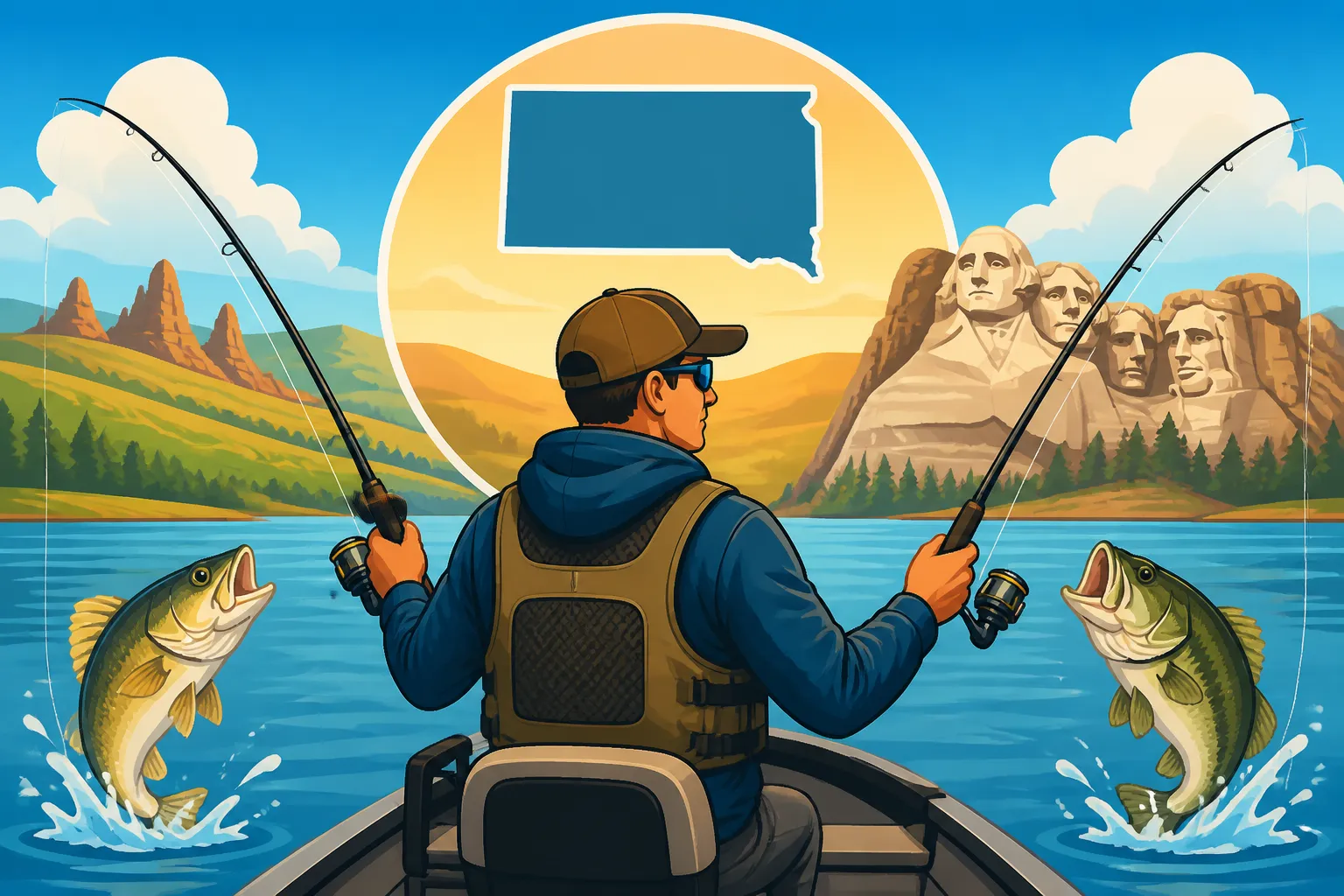
In South Dakota, the general rule is pretty straightforward: anglers may not use more than two lines at any time. When we say "lines," what we really mean for most typical fishing scenarios are two rods. Each rod, of course, has a line attached to it. So, for the vast majority of fishing you'll do on open water – whether you're casting from shore, trolling from a boat, or drifting for walleye – you are limited to two rods actively fishing at once.
Furthermore, there's another important detail to remember: each line can have no more than three hooks. This means you can't load up a single line with five or six hooks to increase your chances. This restriction is primarily to reduce potential snags and ensure more ethical angling, preventing excessive capture. So, if you're running two rods, each can have up to three hooks, whether that's three individual hooks, a lure with treble hooks that count as one unit (if it only has one set of trebles, check local regs, often a single lure counts as one hook unit), or a combination of jig and trailer hooks. Always double-check what constitutes a "hook" in the GFP handbook for complete clarity on specific lure setups.
Understanding the "Two Lines" Limit
This "two lines" limit is standard for a reason. It allows you to present different baits, fish at different depths, or cover a wider area, without giving you an overwhelming advantage over other anglers or putting undue pressure on fish populations. For example, you might be casting a crankbait with one rod while soaking a live minnow on a slip bobber with the other, increasing your chances of finding what the fish are biting on. This flexibility is what makes the two-rod rule popular among anglers.
However, it also comes with a responsibility. While you have two lines in the water, you are still responsible for attending to both of them. This isn't a license to set one rod and walk away while you fish another far down the bank. Your lines should be within your immediate control and observation.
Special Exceptions for Ice Fishing and Black Hills Trout
Now, here's where things get interesting, and the rules diverge a bit based on the specific type of fishing or location.
Ice Fishing: When the lakes freeze over and it's time for ice fishing, South Dakota relaxes its line limit. During the ice fishing season, you are permitted to use up to four lines. This is fantastic news for ice anglers who often like to spread out their tip-ups or jig multiple holes to cover more ice and entice those winter walleye or jumbo perch. Imagine setting a few tip-ups with different baits and jigging a separate hole – that's the beauty of the four-line rule on the ice. If you're planning an ice fishing trip, make sure to check out our South Dakota Ice Fishing Guide for more tips.
Black Hills Trout Waters: On the flip side, if you're heading to the beautiful Black Hills to chase trout, the rules become more restrictive. In designated trout waters within the Black Hills National Forest, anglers are restricted to only one line. This is a specific conservation measure to protect these delicate trout fisheries, which are often smaller, more sensitive ecosystems. It's a focused effort to encourage more traditional, single-rod fly fishing or light tackle angling, ensuring the sustainability of species like brown, brook, and rainbow trout. Before you pack your gear for the Black Hills, be sure to consult South Dakota Trout Limits in the Black Hills and our general Black Hills Trout Stream Fishing Guide for all the specific regulations on these unique waters.
It's absolutely essential to know these exceptions. Fishing with four lines in a Black Hills trout stream, for example, would be a clear violation and could lead to fines and other penalties. Always know where you're fishing and what specific rules apply to that body of water.
Practical Considerations for Using Two Rods
So, you've confirmed you're in a spot where two rods are allowed. Great! But just because you can use two doesn't mean you should simply toss another line in without a plan. There are definite advantages, but also some practical challenges to consider.
Advantages of Multiple Rods
Using two rods can significantly enhance your fishing experience and success. One major benefit is increased efficiency. You're essentially doubling your presentation, covering more water, and increasing your chances of encountering a fish.
Another huge advantage is experimentation. With two rods, you can try different baits or lures simultaneously. Imagine one rod rigged with a live minnow, and the other with a brightly colored crankbait. If one isn't producing, you can quickly switch the second rod's setup based on what the first one tells you. This is especially useful when targeting species like walleye, which can be finicky about their preferred meal. You might fish a jigging spoon on one rod and a bottom bouncer with a spinner rig on the other, helping you dial in the bite faster. This approach often leads to figuring out the "pattern" for the day much quicker. For ideas on what to try, check out Best Lures for South Dakota Walleye.
You can also fish at different depths or distances. One rod might be set to target suspended fish, while the other is bouncing the bottom. Or, one cast far out, the other closer to shore or structure. This allows you to explore the water column more thoroughly.
Challenges and Responsibilities
While the benefits are clear, using two rods isn't without its challenges. The most common frustration is tangling. Two lines in the water, especially in current or windy conditions, can quickly become a knotted mess, especially if you're not paying close attention. This can waste valuable fishing time and lead to frustration.
Another critical challenge is attention and missing bites. It's harder to keep a close eye on two rod tips than one. You might be focused on reeling in a fish on one rod only to miss a subtle bite on the other. This is where responsible angling comes in; you should be able to actively monitor both lines. You don't want to leave a fish hooked and struggling because you weren't paying attention. Ethically, we want to ensure any fish we hook has the best chance, whether we intend to keep it or release it.
Finally, there's the risk of feeling overwhelmed. For beginners, managing one rod is enough. Adding a second can lead to less enjoyment and more stress. It’s always best to start with one, master the basics, and then gradually introduce a second rod when you feel comfortable.
Gear Setup for Dual Rod Fishing
To make dual-rod fishing as smooth as possible, a little preparation goes a long way.
Rod Holders: These are your best friends when using two rods, especially from a boat or even on a dock. Quality rod holders keep your second rod secure and in position, allowing you to focus on the active rod or simply relax while waiting for a bite. You can find a wide variety of these on platforms like Amazon, from flush-mount boat holders to adjustable clamp-on models for kayaks or shore use. Having them properly mounted and positioned can prevent tangles and accidental rod loss.
Bait and Lure Choices: As mentioned, use your two rods to try different things! But also consider how your baits might interact. If you're drifting, make sure your presentations are weighted differently to avoid them running into each other. For example, a heavy jig on one and a lighter crankbait on the other might minimize snags. If you're targeting walleye, you might want to consider some of the Best Rods and Reels for Walleye that can handle different lure types.
Line Management: Keep your lines organized. Use line counters if you're trolling, and pay attention to how far out each line is. If fishing from shore, try to cast your lines in slightly different directions or distances to create a wider spread without crossing paths. For ice fishing, where you can use four lines, using a combination of tip-ups and jigging rods is common, with tip-ups spread out to cover a larger area. For more detailed insights into what gear you might need, our South Dakota Fishing Gear Checklist can be a great resource.
Legal Ramifications and Compliance
Ignoring fishing regulations, including those about the number of lines you can use, isn't just a minor oversight; it carries real legal consequences.
Penalties for Violations
Fishing with more lines than allowed is a violation of South Dakota fishing regulations, and it can lead to various penalties. Typically, you'd be looking at a fine, which can range from moderate to substantial depending on the severity and whether it's a repeat offense. In some cases, a violation might also lead to the confiscation of your fishing gear, including the extra rod(s) you were using. Imagine losing your favorite rod and reel setup just because you thought you could sneak in an extra line!
More seriously, repeated or severe violations can result in the suspension or revocation of your fishing license. This means you could be legally barred from fishing in South Dakota for a certain period, or even permanently. It's simply not worth the risk to try and bend the rules. The potential rewards of catching a few more fish pale in comparison to the financial and legal repercussions. For a broader understanding of what happens when rules are broken, see South Dakota Fishing Without a License Penalties.
Staying Informed with GFP Resources
The best way to avoid any legal trouble and ensure you're fishing responsibly is to stay informed. The South Dakota Game, Fish and Parks (GFP) is the official source for all fishing regulations. They publish a comprehensive Fishing Handbook annually, which is readily available online and at license vendors throughout the state. I highly recommend downloading the latest version or picking up a physical copy. It's a goldmine of information, covering everything from license requirements and species limits to specific water body rules and equipment restrictions. You can learn more about this essential resource in our South Dakota GFP Fishing Handbook Guide.
Additionally, the GFP website is always kept up-to-date with any emergency closures or regulation changes. Before every fishing trip, especially if you're visiting a new body of water or targeting a different species, take a few minutes to quickly review the current regulations. A quick check can save you a lot of headache and ensure your fishing trip remains enjoyable and compliant.
Knowing these rules allows you to fish with confidence and peace of mind, knowing you're doing your part to respect the regulations and preserve the fantastic fishing opportunities South Dakota offers.
South Dakota Fishing Line Regulations Summary
| Aspect | General Open Water | Ice Fishing | Black Hills Trout Waters |
|---|---|---|---|
| Number of Lines | 2 lines (rods) | Up to 4 lines (rods) | 1 line (rod) |
| Hooks Per Line | Max 3 hooks per line | Max 3 hooks per line | Max 3 hooks per line |
| Primary Goal | General angling | Winter harvest/efficiency | Trout conservation/focused |
| Common Scenarios | Boat/shore fishing | Tip-ups & jigging holes | Fly fishing/light tackle |
This table provides a quick reference, but remember, always consult the official South Dakota GFP Fishing Handbook for the most current and complete regulations.
Disclaimer
Please note that fishing regulations are subject to change. While every effort has been made to provide accurate and up-to-date information, it is the angler's responsibility to verify current rules and regulations with the South Dakota Game, Fish and Parks (GFP) before fishing. This guide is for informational purposes only and should not be considered legal advice.