Lake Thompson Fishing Report
Trying to make sense of the ever-changing bite on Lake Thompson can feel like a guessing game, especially when you're planning a trip and just want to know what to expect. This comprehensive guide is designed to cut through the guesswork, offering you a realistic look at fishing conditions, species activity, and the best approaches to help you succeed on one of South Dakota's premier glacial lakes.
Understanding Lake Thompson's Fishing Appeal
Lake Thompson, nestled in the heart of eastern South Dakota's glacial lakes region, isn't just another body of water; it's a vibrant ecosystem that consistently draws anglers from across the region. Known for its expansive, shallow nature and fertile waters, it offers a different kind of challenge and reward compared to the deep, rocky structures of the Missouri River reservoirs. Its unique characteristics make it a truly special place to wet a line.
A Jewel Among the Glacial Lakes
Lake Thompson is one of South Dakota's largest natural lakes, stretching over 15,000 acres, though its depth is quite shallow, averaging around 7 to 8 feet with a maximum depth of about 20 feet. This shallow nature means it warms up faster in the spring and can produce incredible weed growth in the summer, which are both crucial factors for understanding fish behavior here. The lake is relatively undeveloped along its shores, offering a more serene and natural fishing experience. The constant flow of nutrients from surrounding agricultural lands contributes to a rich food base, allowing fish populations to thrive. Anglers often appreciate the quiet expanses, even during peak season, finding plenty of room to explore. It's a key destination in the larger context of the South Dakota Glacial Lakes Fishing Guide, offering something distinct from its sister lakes.
Primary Fish Species You'll Find
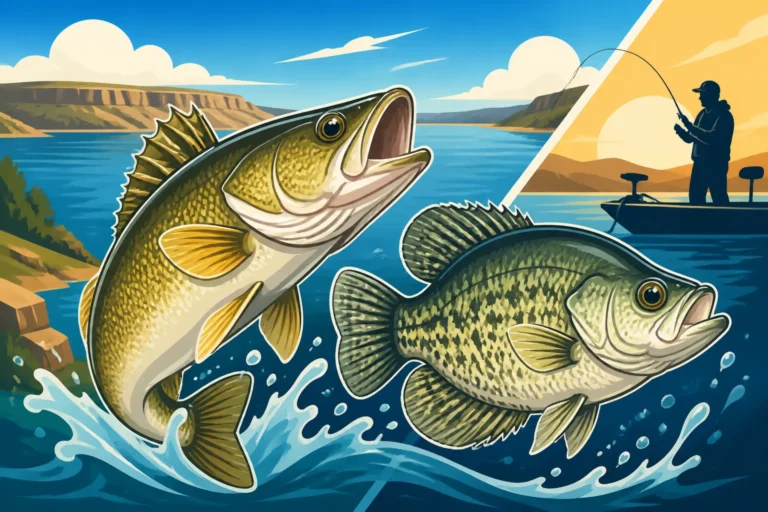
While Lake Thompson is renowned for its diverse fishery, three species typically steal the show and are the primary targets for most anglers: walleye, yellow perch, and northern pike. Each species has its own seasonal patterns and preferred habitats within the lake, demanding different tactics. You'll also find healthy populations of crappie and other panfish, particularly in areas with submerged timber or dense weed beds, offering plenty of opportunities for varied angling pursuits. Understanding these primary species is the first step to a successful outing on Lake Thompson.
Seasonal Fishing Insights for Lake Thompson
Fishing on Lake Thompson is a year-round affair, with each season presenting unique opportunities and challenges. The lake's relatively shallow nature means it responds quickly to weather changes, making seasonal understanding paramount. From the thrilling ice-out bite to the hard water action of winter, knowing what to expect can make all the difference.
Spring's Promise: Ice-Out to Early Summer
Spring on Lake Thompson is electric. As the ice recedes, typically by late March or early April, the lake quickly awakens. The first few weeks after ice-out are prime time for walleye and northern pike, as these fish move into shallower areas to spawn or feed aggressively on baitfish stunned by the cold water. Walleye will often be found near the remaining ice edges or around rocky points and shallow flats. A common pattern is to find them in 4-8 feet of water, often near the old river channel breaks if you can pinpoint them. Northern pike, on the other hand, will be lurking in the freshly thawing weed beds or along the emergent vegetation, ready to ambush unsuspecting prey. This can be an excellent time to target them with larger spoons or jerkbaits.
As spring progresses into late May and early June, the water temperatures rise, and the fishing shifts. Walleye finish their spawning ritual and begin to spread out, often moving to slightly deeper edges or focusing on newly emerging weed lines. Perch and crappie also become more active, congregating in large schools, particularly around the burgeoning weed growth or structural elements like rock piles that exist in the lake. Anglers using a site like FishingBooker might find local guides who specialize in these early season patterns, providing invaluable insights into current conditions and hot spots.
Summer Strategies: Deep Water and Early Mornings
Summer on Lake Thompson can be a bit more challenging, largely due to increased boat traffic, warmer water temperatures, and extensive weed growth. However, it's far from a write-off. Savvy anglers adapt by focusing on early morning and late evening bites, or by targeting specific deep-water structures. Walleye in the summer often retreat to the deepest parts of the lake during the day, which, on Thompson, might only be 15-20 feet, or they'll relate to offshore humps and subtle changes in the bottom contour. Trolling crankbaits at specific depths becomes a highly effective strategy, particularly with the sun high.
Perch and crappie, while still found in the weeds, may suspend over deeper water or seek shade under docks or overhanging trees if available. Look for them in areas with slightly cooler water or around the edges of oxygen-rich weed beds. Northern pike remain a strong summer target, especially in the thickest weed beds where they can find cover and ambush points. Using weedless presentations is key here. Long, warm summer days also mean you'll need to remember your South Dakota Fishing License Guide requirements, as wardens are often out and about checking permits.
Fall's Bounty: Pre-Winter Feeding Frenzy
Autumn on Lake Thompson is, for many, the pinnacle of the fishing season. As water temperatures drop, fish sense the approaching winter and engage in a vigorous feeding frenzy to bulk up. This often translates into some of the most aggressive bites of the year. Walleye become incredibly active, pushing baitfish into shallower bays and flats. Trolling crankbaits or casting jigs with minnows can be exceptionally productive, especially along breaklines and points. The fish are often more cooperative during daylight hours compared to summer.
Yellow perch also reach their prime in the fall. Schools can be massive, and they often congregate in shallower basins or along the remaining healthy green weeds. Using small jigs tipped with wax worms or minnows can lead to fast and furious action. Northern pike are equally aggressive, often found prowling the edges of dying weed beds. Larger spoons, spinnerbaits, and even live suckers can entice trophy-sized pike during this period. The fall bite truly represents a fantastic opportunity to fill your cooler, but always be mindful of South Dakota Walleye Limits and other species regulations.
Winter Wonderland: Ice Fishing on Thompson
When the lake freezes over, usually by December, Lake Thompson transforms into an ice angler's paradise. Its relatively shallow nature and consistent fish populations make it one of the most popular Best Ice Fishing Spots on Lake Oahe in the state, drawing crowds for its superb walleye and perch fishing. Safety is paramount, of course, always check ice thickness. Walleye can be found on main lake flats, subtle humps, and along the old creek channels in 10-18 feet of water. Aggressive jigging with spoons tipped with minnow heads often triggers bites.
Perch, especially the coveted "jumbo" perch, are a huge draw for Lake Thompson ice anglers. They typically roam in large schools over softer bottom basins, often in 8-15 feet of water, actively feeding on insects and small crustaceans. Small tungsten jigs tipped with wax worms, plastics, or minnow parts are deadly. Northern pike will lurk near the remaining green weed beds, accessible via tip-ups or larger jigging spoons. Essential Ice Fishing Gear Basics for Beginners include a good auger, a portable shelter for warmth, and a reliable flasher to locate fish. Don't forget your warm layers – South Dakota winters are no joke!
Essential Techniques and Gear for Lake Thompson Success
Successfully fishing Lake Thompson requires a blend of adaptable techniques and the right gear for its unique environment. Given its shallow, fertile waters, understanding how to approach different species with appropriate presentations is key. It's not always about the deepest holes, but often about finding the right cover and subtle structure.
Walleye Tactics That Work
Lake Thompson is a walleye factory, and catching them consistently means understanding their behavior in this specific type of lake. In spring and fall, when walleye are often shallower, casting jigs tipped with a minnow or a soft plastic can be incredibly effective, especially around rocky points or emerging weed edges. Colors like chartreuse, white, or orange often perform well in the stained waters. Trolling crankbaits, particularly shallow-diving models that run in the 5-10 foot range, is a go-to method during summer and fall. Precision trolling, sometimes with the help of a fishing guide found on FishingBooker, where you precisely follow contour lines or weed edges, can make a huge difference.
During the summer, when walleye might suspend or move to deeper, cooler water, a bottom bouncer with a spinner rig and a nightcrawler or leech can be deadly. Drifting or slow-trolling these presentations across main lake flats or subtle humps helps cover water and locate active fish. For ice fishing, aggressive jigging with spoons like Rippin' Raps or Buckshot Rattle Spoons, tipped with a minnow head, is often the ticket. Don't be afraid to experiment with different cadences; sometimes a subtle pause is all it takes. For a deeper dive into methods, check out our guide on How to Fish for Walleye in South Dakota.
Perch and Crappie Prowess
Yellow perch are a major draw on Lake Thompson, known for their size and abundance. The key to perch fishing is often finding the schools. In spring and fall, they'll often be in large groups around weed beds or softer bottom areas in 8-12 feet. Small jigs, often 1/16 to 1/8 ounce, tipped with wax worms, minnow pieces, or microplastics, are highly effective. A slip bobber rig can also be excellent for presenting bait precisely to suspended schools or over weeds. Ice fishing for perch mirrors these tactics; small tungsten jigs or spoons fished aggressively, then gently, can trigger bites from even finicky fish.
Crappie, though perhaps not as abundant as perch, offer fantastic fishing, especially in specific areas. Look for them around submerged wood, deeper weed lines, or areas with slight current if applicable. Small jigs, often 1/32 to 1/16 ounce, with tiny soft plastics or minnows under a bobber, are the preferred method. In summer, crappie might suspend over deeper water, so using a fish finder to locate schools and then targeting them with vertical jigging can yield great results. Our South Dakota Crappie Fishing Guide provides even more detail.
Northern Pike: The Thrill of the Fight
Northern pike in Lake Thompson are plentiful and offer thrilling action, often providing a welcome fight between walleye bites. They are ambush predators and primarily relate to cover, particularly weed beds. In spring, when water is cooler, they'll be in shallow, warming bays and along emerging vegetation. Casting spoons, spinnerbaits, or larger jerkbaits (like a Rapala Shad Rap or a Strike King KVD Jerkbait) over these areas can provoke aggressive strikes.
As summer progresses and the weeds grow thick, pike will retreat into the densest cover. This means using weedless presentations like soft plastic frogs, weedless spoons, or even large spinnerbaits that can be worked through the vegetation. If you're targeting trophy pike, live suckers fished under a bobber or on a quick-strike rig can be incredibly effective, especially in fall. Ice fishing for pike is popular with tip-ups set along weed lines or structure, baited with large smelt or suckers. For more targeted advice, consult our South Dakota Northern Pike Fishing Guide.
Recommended Gear for the Lake Thompson Angler
Having the right gear makes a huge difference on Lake Thompson. For walleye and perch, a medium-light to medium power spinning rod, 6'6" to 7' in length, paired with a 2500-sized reel spooled with 6-8 pound monofilament or fluorocarbon (or braided line with a fluorocarbon leader) is versatile. This setup handles jigs, spinners, and lighter crankbaits. For trolling, a medium to medium-heavy baitcasting rod, 7-9 feet, with a line counter reel and 10-14 pound test monofilament, is ideal. For pike, step up to a medium-heavy spinning or baitcasting rod with 15-20 pound test.
When it comes to lures, a tackle box for Lake Thompson should always contain a good selection of jigs (1/8 to 3/8 oz), a variety of crankbaits (both shallow and medium divers), spinner rigs (like the Slow Death Rig), and spoons for pike. Having a reliable fish finder with side imaging can be a huge asset for locating subtle breaks, weed lines, and schools of baitfish or game fish, especially on a lake with limited pronounced structure. Finally, make sure to have all the necessary South Dakota Boat Safety Requirements if you're taking a boat out, and always carry a good net for landing those larger walleye and pike.
Navigating Lake Thompson: Access and Regulations
Before you even think about casting a line, understanding how to access Lake Thompson and the rules that govern fishing there is crucial. South Dakota takes its conservation efforts seriously, and anglers are expected to do their part.
Public Access Points and Boat Ramps
Despite its size, public access to Lake Thompson is generally straightforward, managed primarily by the South Dakota Game, Fish and Parks (GFP). There are several developed boat ramps around the lake, making it easy for anglers with larger boats to launch. These ramps typically feature ample parking and often have docks to assist with loading and unloading. Key access points include areas on the north, west, and south shores, often near state recreation areas or public use areas. For instance, the Lake Thompson State Recreation Area offers excellent facilities.
Shore anglers also have opportunities, particularly near public access points or designated fishing piers. However, large portions of the shoreline are private, so it's always important to respect private property boundaries. Before heading out, it's wise to check the latest maps from the GFP or use navigation apps that show public land boundaries. Information on South Dakota Boat and Water Access Rules is also important to review, ensuring you're compliant with all regulations regarding launching and operating your vessel.
Key Regulations and Limits to Know
Fishing in South Dakota, including on Lake Thompson, is governed by a set of regulations designed to protect fish populations and ensure sustainable angling for future generations. It all starts with a valid South Dakota Fishing License Guide. Remember, special stamps like the Habitat Stamp might also be required, depending on your residency and license type. While specific regulations can change, general rules include:
- Possession Limits: There are daily and possession limits for various species. For walleye, this often includes a daily limit of 4, with a possession limit of 8. However, specific lakes or times of year can have special restrictions, so always double-check the current South Dakota Fishing Regulations Explained before you go.
- Size Restrictions: Some species, particularly walleye, may have minimum or slot limits. A slot limit means you can keep fish below a certain size and above another size, but not within a specific "slot" to protect breeding stock. Belle Fourche Reservoir has special walleye rules, for example, and while Thompson often has simpler rules, it's essential to verify.
- Number of Lines: Generally, anglers are allowed to use up to two lines while fishing in South Dakota, but specific rules apply during ice fishing season or in certain waters.
- Bait Restrictions: While live bait is generally permitted, there might be specific restrictions in certain areas or for specific species, especially concerning the transport of minnows to prevent the spread of invasive species.
- Ice Fishing Regulations: Specific rules apply to ice fishing, including regulations on ice shelter identification and removal deadlines.
Always carry a copy of the current South Dakota Fishing Handbook or have the GFP website easily accessible on your phone to clarify any doubts. It's your responsibility as an angler to know and follow these rules.
Lake Thompson Species and Seasonal Overview
To give you a quick glance at what to expect, here's a summary of the prime seasons and common tactics for the main species on Lake Thompson.
| Species | Prime Season | Key Locations | Recommended Baits/Lures | Notes |
|---|---|---|---|---|
| Walleye | Spring, Fall, Winter | Shallow flats (Spring/Fall), Humps, Channels, Weed Edges (Summer), Deep Basins (Ice) | Jigs (minnows, plastics), Crankbaits, Bottom Bouncers, Spoons (Ice) | Active feeders, especially early/late. Look for subtle structure. |
| Yellow Perch | Fall, Winter | Weed beds, Soft bottom basins (Ice), Near drop-offs | Small Jigs (wax worms, plastics, minnow), Slip Bobbers | Schooling fish, often found in large numbers. Good table fare. |
| Northern Pike | Spring, Summer, Fall | Weed beds, Shallow bays, Structure along shore | Spoons, Spinnerbaits, Jerkbaits, Live Suckers (Fall/Ice) | Aggressive, ambush predators. Great for action, use heavy leader. |
| Crappie | Spring, Fall | Submerged wood, Deeper weed lines, Docks | Small Jigs (plastics, minnows), Slip Bobbers | Look for suspended schools; often finicky but rewarding. |
Disclaimer
Please note: Fishing conditions, regulations, and fish behavior are subject to change based on weather, water levels, and management decisions by the South Dakota Game, Fish and Parks. Always check the current South Dakota Fishing Handbook before your trip for the most up-to-date information.