Do Walleye Bite Better on Overcast Days?
Many anglers in South Dakota wrestle with the age-old question: do walleye truly bite better on overcast days, or is it just another fishing myth? The truth is, bright, sunny days can often feel like a struggle, leaving us wondering if those gloomy, cloud-filled skies hold the secret to a more productive outing. This guide will meticulously break down the science and real-world experiences behind walleye behavior in various light conditions, helping you understand why cloud cover is often a blessing and how to adapt your strategies for consistent success across South Dakota's waters.
The Science Behind the Shade: Why Walleye Often Love Overcast Skies
It's not just a hunch; there's a biological reason why walleye seem to become more active when the sun hides behind the clouds. Their eyes are perfectly adapted for low-light conditions, giving them a distinct advantage over their prey when the skies turn gray.
Walleye Eyes: Built for Low Light
The secret to a walleye's low-light prowess lies in a special reflective layer behind its retina, called the tapetum lucidum. This layer acts like a natural mirror, collecting and intensifying whatever available light there is, allowing them to see exceptionally well in dim conditions – think of it as built-in night vision goggles. However, this incredible adaptation comes with a trade-off: walleye eyes are highly sensitive to bright light.
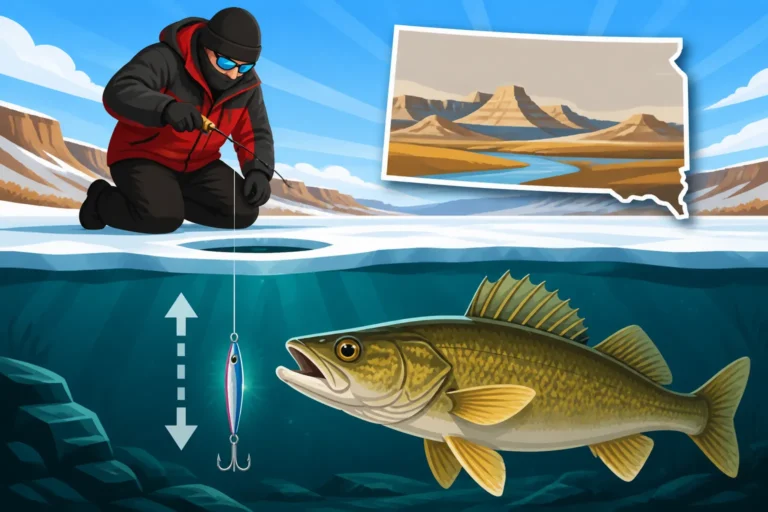
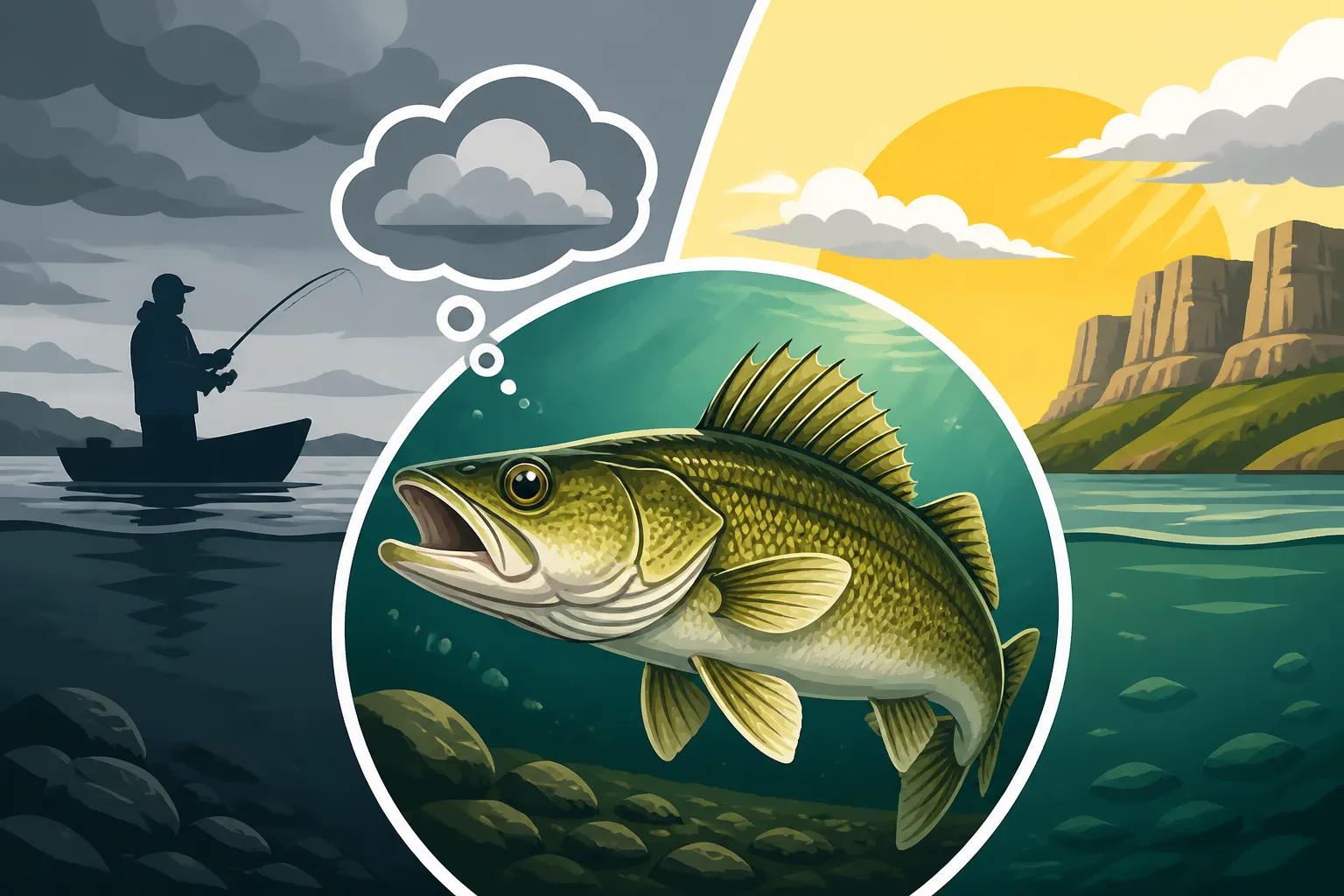
On clear, sunny days, especially during midday, intense sunlight can actually hurt a walleye's eyes. To cope, they'll typically retreat to deeper, darker water, hide in thick cover like submerged timber or dense weed beds, or hold tight to the bottom in shadowed areas. This often makes them less active and harder to catch. Conversely, when the skies are overcast, the diffused light is much more comfortable for them, allowing them to move freely and hunt more aggressively without the discomfort of harsh sunlight. This is a critical piece of the puzzle for understanding How to Fish for Walleye in South Dakota effectively.
Reduced Light, Increased Activity
Overcast conditions essentially extend the "golden hours" of fishing – dawn and dusk – throughout the entire day. These naturally low-light periods are when walleye are typically most active, venturing out of their daytime haunts to feed. When clouds blanket the sky, they mimic these prime feeding windows, signaling to walleye that it's safe and advantageous to move into shallower water or roam open areas in search of food.
Imagine a typically sunny summer day on Lake Oahe. Walleye might be holding in 30-40 feet of water during peak sun, but as soon as the clouds roll in, they might push up into 15-20 feet, or even shallower if there's good structure or baitfish present. This increased comfort level translates directly into increased activity, making them more likely to strike your bait. It’s all about creating an environment where the walleye feel dominant and secure enough to actively pursue prey.
Prey Behavior Under Cloudy Skies
It's not just the walleye that respond to light; their prey does too. Many baitfish, such as shiners, shad, and small perch, often use bright light as a defense mechanism, scattering or seeking cover when exposed. Under overcast skies, however, some baitfish species may become less wary and more dispersed, venturing into areas they would avoid on a sunny day. This makes them easier targets for the predatory walleye.
The walleye's superior low-light vision gives them a significant advantage in these conditions. While their prey might be slightly more exposed and less coordinated due to the diminished light, the walleye can navigate and ambush with greater precision. So, when you're fishing a cloud-covered Lake Sharpe, for example, the entire food chain can be set in motion, with walleye seizing the opportunity to fill their bellies. This dynamic plays a huge role in the overall South Dakota Walleye Fishing Guide.
More Than Just Clouds: Other Key Factors Influencing the Bite
While overcast skies are often a welcome sight for walleye anglers, it's crucial to remember that they aren't the only factor at play. A combination of environmental conditions dictates whether you'll have a banner day or a slow grind.
Water Temperature's Role
Walleye are cool-water fish, generally preferring temperatures between the mid-60s and low-70s Fahrenheit. While cloud cover is excellent, if the water itself is too warm or too cold for their comfort zone, even the perfect light conditions might not trigger an aggressive bite. Overcast days, particularly in late spring or early summer, can actually help stabilize water temperatures, preventing them from rising too quickly and extending the optimal feeding windows.
Conversely, on a sweltering August day in a shallow bay on Lake Francis Case, even if it's overcast, the water temperature might still be uncomfortably warm for walleye, pushing them deeper regardless of the light. Understanding What Water Temperature Walleye Prefer? is key to combining multiple factors for success. Always consider the season and the specific body of water you're fishing, as ideal temperatures often outweigh light conditions in terms of importance for sustained activity.
Wind, Waves, and Walleye Feeding
Many experienced South Dakota anglers will tell you that a good "walleye chop" is just as important as cloud cover, if not more so. Wind creates waves and surface chop, which do several things beneficial for walleye fishing:
- Breaks Up Light: The agitated surface further diffuses and scatters sunlight, making it even more comfortable for light-sensitive walleye to move shallower and feed.
- Creates Current: Wind can generate subtle currents, particularly on large reservoirs like Lake Oahe, which can concentrate baitfish against points, shorelines, or submerged structures.
- Reduces Visibility: The chop makes it harder for baitfish to spot approaching predators and provides cover for walleye to ambush.
A classic scenario is an overcast day with a steady breeze. This combination often leads to some of the most consistent walleye action. They'll position themselves on the windy side of structures, waiting for baitfish to be pushed within striking distance. Learning Does Wind Direction Affect Walleye Fishing? can provide a distinct advantage. So, don't shy away from a little wind – it can be your best friend on an overcast day.
Barometric Pressure Swings
Barometric pressure is another silent but powerful influence on fish behavior. Generally, a stable or slowly falling barometer (often associated with approaching weather fronts and, yes, overcast skies) signals good fishing. Fish, including walleye, often respond to these changes by becoming more active, sensing an impending change and feeding aggressively before it hits.
However, a rapidly rising barometer, which typically occurs after a cold front has passed, can shut down the bite, even if it's still overcast. This post-front phenomenon can make walleye lethargic and hesitant to feed, regardless of light conditions. It's why a cloudy day before a storm front moves in is often more productive than a cloudy day after a severe weather system has just blown through. Always pay attention to the forecast and the atmospheric pressure trends when planning your South Dakota Fishing Seasons Explained trips.
Adapting Your Approach for Cloudy Day Success
Knowing that overcast days are often favorable is one thing, but knowing how to capitalize on them is another entirely. Anglers who consistently catch walleye on these days are the ones who adjust their tactics accordingly.
Lure Selection for Low Visibility
On overcast days, with reduced light penetration, your lure choice becomes even more critical. Walleye will be relying heavily on their lateral line to detect vibrations and their exceptional low-light vision to spot your presentation.
- Brighter Colors: Don't be afraid to use brighter, more contrasting colors. Chartreuse, firetiger, orange, and even fluorescent pink can be highly effective, standing out better in dim light. Lures with UV properties can also be a game-changer, as they absorb and re-emit ambient light, making them more visible. If you're looking for a specific pattern, Best Lures for South Dakota Walleye often include these vibrant choices.
- Vibration and Rattle: Lures that produce strong vibrations or have internal rattles are excellent choices. Crankbaits with a wide wobble, lipless crankbaits, or jigs tipped with soft plastics that have an aggressive paddle tail will send out irresistible signals to hungry walleye. You can find a huge variety of these effective baits, from popular brands, on platforms like Amazon.
- Scent: Don't underestimate the power of scent in low visibility. Tipping your jigs with live bait (minnows, leeches, nightcrawlers) or using soft plastics infused with scent can give walleye an extra reason to strike, even if they can't see the lure perfectly.
Adjusting Depth and Presentation
One of the biggest mistakes anglers make on overcast days is sticking to their sunny-day depths. Remember, walleye are now more comfortable moving shallower.
- Work Shallower: Don't hesitate to fish shallower contours, submerged points, and weed lines that you might typically reserve for dawn or dusk. Walleye can often be found in 5-15 feet of water on a cloudy afternoon, whereas they'd be 20-30 feet deep under a bright sun. How to Read a Fish Finder for Walleye becomes even more important here, as you're looking for suspended fish or those relating to shallower structure.
- Slower Presentations: While walleye might be more active, they aren't necessarily reckless. A slower, more deliberate presentation can often be more effective, allowing the fish ample time to locate your bait and make a decision. This might mean slower trolling speeds for crankbaits, or a more subtle jigging cadence. Mastering How to Troll Crankbaits for Walleye or effective Jigging Techniques for Missouri River Walleye will pay dividends.
- Cover More Water: Overcast conditions can sometimes spread fish out. Trolling can be an excellent way to cover vast expanses of water on large reservoirs like Lake Oahe or Lake Francis Case, systematically searching for active schools. Keep an eye on your electronics and mark any productive areas.
The Importance of Slow and Steady
Patience truly is a virtue in walleye fishing, and even on a prime overcast day, it can be the difference between a few bites and a full cooler. While the conditions are favorable, walleye can still be finicky or simply take their time.
Often, walleye will follow a bait for a while before committing. A sudden pause in your retrieve, a subtle drop of the jig, or a slight change in direction when trolling can often be the trigger that convinces a hesitant fish to strike. Don't be afraid to experiment with your retrieve speed and cadence. Sometimes, a "dead stick" technique, where you let your bait sit almost motionless, can be incredibly effective, especially if you're using live bait. Ensure your Best Tackle for South Dakota Walleye Fishing includes options for both active and passive presentations. The goal is to present your offering in a way that is both visible and enticing, taking advantage of the walleye's confidence in the dim light.
When Overcast Isn't the Only Answer: Nuances and Other Prime Conditions
While overcast conditions are often excellent, it's not a hard-and-fast rule that guarantees success. There are nuances, and other times of day can be just as, if not more, productive.
The Post-Front Challenge
As mentioned earlier, the timing of the overcast conditions matters. A cloudy day that follows immediately after a strong cold front has pushed through can be tough, even with the reduced light. The rapidly rising barometric pressure and the general disturbance from the weather event often put walleye in a negative mood. They might be present, but they'll be tight-lipped and unwilling to chase anything.
In these post-front scenarios, even if it's cloudy, you'll need to employ ultra-finesse tactics: smaller baits, slower retrieves, and perhaps even scaling down your line. Focus on deep-water structure where fish might be recovering, or try vertical jigging directly over them. It’s a classic example of how a single factor, like cloud cover, doesn't tell the whole story.
Night Fishing on Overcast Evenings
If overcast days are good, imagine an overcast night. When the clouds completely block out any moonlight or starlight, the darkness is absolute, making walleye feel even more secure and emboldened to move into extreme shallows to feed. Many trophy walleye are caught after dark, and an overcast night amplifies this potential significantly.
During these dark hours, walleye will often move onto shallow flats, rock piles, or along shorelines in just a few feet of water, aggressively chasing baitfish. Night Fishing Techniques for Summer Walleye often involve throwing large stickbaits or shallow-running crankbaits that create a good profile and vibration. The walleye's superior vision in the dark means they are the undisputed kings of the night, and if it's overcast, it's an even better opportunity to target them. Many anglers prepare their night fishing gear, even ordering specialized glow-in-the-dark lures or headlamps from Amazon, long before their trip.
Early Morning and Late Evening Bites
Regardless of cloud cover, the periods just after sunrise and just before sunset will almost always be prime feeding times for walleye. These are naturally low-light conditions when walleye are most comfortable moving from their deep-water sanctuaries to shallower feeding grounds. An overcast day simply extends these "golden hours."
If the day starts bright and clear, you might still get a fantastic bite in the first hour or two of daylight. Similarly, as the sun dips below the horizon, walleye will often turn on, even if the midday was slow. Best Time of Day to Catch Walleye in Summer often points to these transitional periods. So, while overcast days are often phenomenal, don't overlook the power of dawn and dusk, which remain consistently excellent times to pursue South Dakota walleye.
Here's a quick reference to help you match your tactics to the conditions:
| Condition | Walleye Behavior (General) | Recommended Lures/Techniques | Depth (General) | Notes |
|---|---|---|---|---|
| Overcast (Pre-Front) | Highly active, confident, move shallower | Bright cranks, jigs w/rattle, spinner rigs | Shallow to Mid | Often the best bite, extended feeding windows. |
| Overcast (Post-Front) | Can be lethargic, despite low light | Slower presentations, natural colors | Mid to Deep | Barometric pressure dominates; tough bite. |
| Sunny & Calm | Deep, tight to cover, less active | Small jigs, finesse, deep trolling | Deep | Tough bite, often requires precision. |
| Sunny & Windy | Active on wind-blown structure, chase bait | Cranks, spinner rigs, bottom bouncers | Mid to Shallow | Wind breaks light, concentrates baitfish. |
| Night (Overcast) | Very active, move very shallow | Topwater, shallow cranks, slow jigs | Very Shallow | Excellent for trophy fish, minimal light. |
Disclaimer
This article is for general informational purposes only and does not constitute professional advice. Laws, prices and regulations vary by location and change over time. Consult a qualified professional for guidance on your specific situation.