Best Technique for Catching Walleye in Current
Fishing for walleye in areas with significant current can be incredibly rewarding, but let's be honest, it can also be downright frustrating if you don't know how to approach it. The relentless pull of the water can make it feel like your lures are never where they need to be, or like you're constantly fighting your boat instead of focusing on the fish. This comprehensive guide is designed to cut through that frustration, equipping you with the best techniques to confidently target and catch walleye in South Dakota's dynamic river and reservoir currents, ensuring your next outing is a success.
Understanding Walleye Behavior in Current
Before we even cast a line, it's crucial to understand why walleye hang out in current and, more importantly, where they choose to hide. These aren't just random acts of defiance; walleye are smart, opportunistic predators that use the current to their advantage.
Why Current Attracts Walleye and Where They Hide
Walleye are incredibly efficient hunters, and moving water creates a natural conveyor belt of food for them. The current constantly brings a fresh supply of minnows, insects, and crustaceans, making these areas prime feeding grounds. However, walleye are also energy conservationists. They're not going to fight the current constantly; instead, they seek out strategic locations that offer a break from the main flow.
These "energy-saving spots" are often called current breaks, and they can be anything that disrupts the relentless pull of the water. Think about large rocks, submerged logs, sudden changes in depth, prominent points of land, bridge pilings, or even the calm side of a submerged island. Walleye will position themselves in these calmer pockets, lying in wait, ready to dart out into the current to ambush a passing meal.
Imagine standing on the bank of the mighty Missouri River, watching the water flow past. If you spot a boil or a ripple around what looks like a hidden obstacle, chances are there's a pocket of calmer water right behind it. That calm zone is exactly where a walleye will be sitting, conserving energy while keeping an eye on the fast-food lane. Identifying these subtle nuances is the first step to success.
Reading the Water: Identifying Prime Walleye Lies
Learning to "read the water" is like being a detective on the river. You're looking for subtle clues that reveal what's happening beneath the surface, pinpointing those coveted walleye holding areas. Don't just look at the surface as a uniform sheet; it's a dynamic map of currents and eddies.
Visually, look for swirls, foam lines, or subtle changes in the texture of the water. These aren't just random patterns; they often indicate varying current speeds and the presence of underlying structure. A distinct seam where fast water meets slow water is almost always a highway for baitfish and a prime ambush point for hungry walleye. Pay close attention to current seams – they're like invisible lines in the water that often hold the key to productive fishing.
Beyond visual cues, your electronics are absolutely invaluable here. Use your sonar to identify underwater contours like drop-offs, humps, and submerged points. These depth changes create their own current breaks and eddies, which walleye will gravitate towards. Even on expansive reservoirs like Lake Oahe or Lake Sharpe, where the current might seem less obvious, subtle flows created by wind or dam releases can create these predictable holding areas. It’s not always about raging rapids; even a slight, consistent flow can position walleye perfectly for you to find them.
Essential Techniques for Current-Dwelling Walleye
Now that we understand where walleye like to hang out in current, let's dive into the most effective techniques for getting your bait right in front of them. It's all about presentation and controlling your offering in moving water.
Vertical Jigging: The Precision Approach
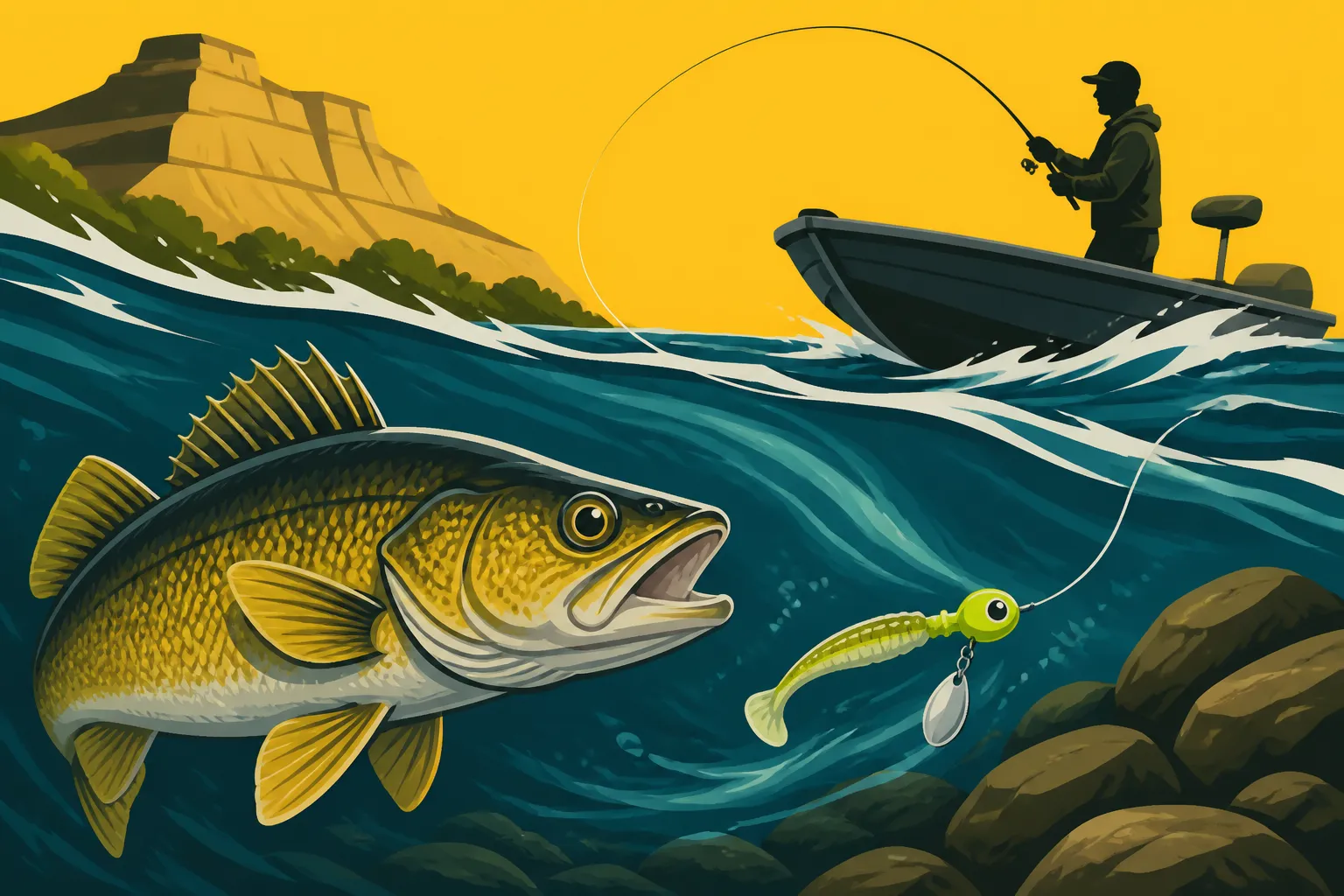
Vertical jigging is hands-down one of the most effective and exhilarating ways to target walleye holding tight to structure in current. The fundamental idea is to position your boat directly above the fish or structure, drop your jig straight down, and work it with short, controlled hops just off the bottom. This method is incredibly precise, allowing you to pick apart specific current breaks.
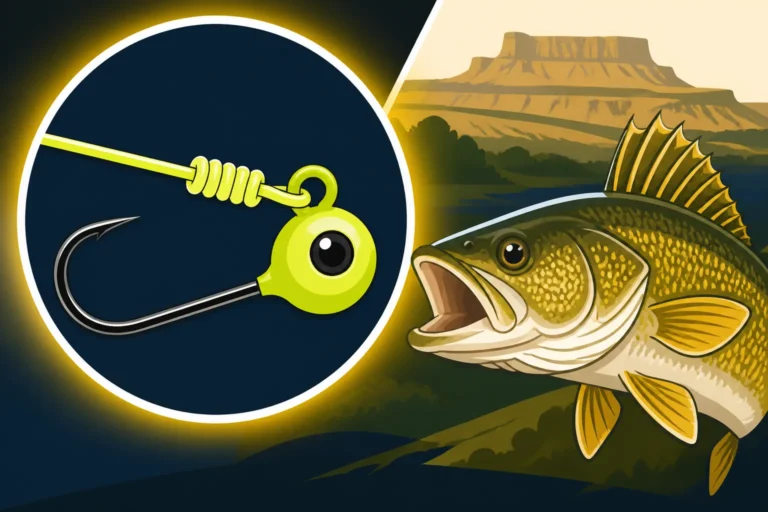
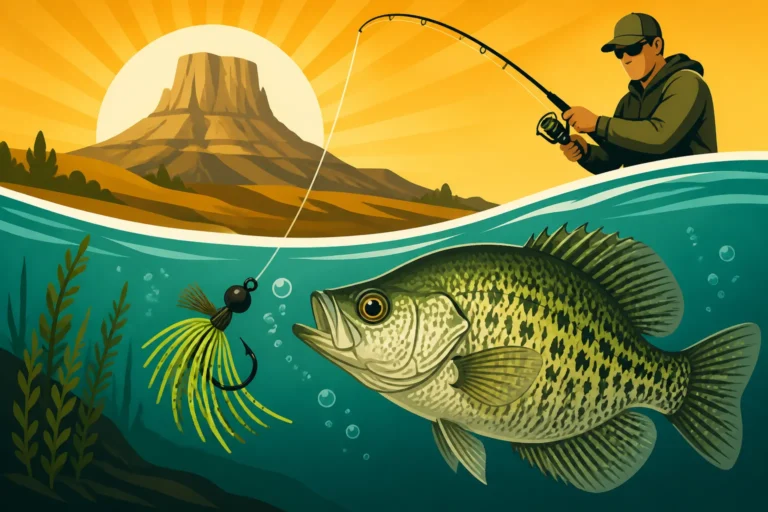
You'll quickly learn that fishing in current demands heavier jigs than you might typically use in still water. Depending on the strength of the current and the depth, you might need anything from a 1/2 ounce up to a full ounce or even more to maintain good bottom contact. This heavier weight is crucial because it ensures your jig drops quickly and stays where the fish are, rather than being swept away by the current. Tipping your jig with a live minnow, a piece of crawler, or a soft plastic grub often adds that irresistible appeal that triggers a strike. Many anglers rely on Jigging Techniques for Missouri River Walleye to refine their skills in these demanding waters.
Imagine you're fishing a deep hole on the Missouri River near Chamberlain, where you've marked walleye hunkered down behind a submerged log. With your trolling motor holding your boat precisely over the spot, you drop your heavy jig. A rhythmic lift-fall motion mimics a struggling baitfish, making it an irresistible target for a walleye waiting in the calm pocket. This precise presentation is often covered in detail in guides such as How to Jig for Walleye in Current, emphasizing how crucial boat control and subtle rod movements are for success. You can find a vast array of high-quality jigs, soft plastics, and jigging spoons designed for current fishing with a quick browse on Amazon.
Live Bait Rigs: Natural Presentation is Key
Sometimes, walleye in current aren't interested in an aggressive jigging presentation; they prefer a more natural, subtle offering that drifts right into their ambush zone. This is where live bait rigs truly shine, mimicking a helpless meal being carried by the current.
One of the most popular and effective live bait setups for current is a bottom bouncer combined with a crawler harness or a plain snell with a minnow or leech. The bottom bouncer acts like an anchor, keeping your bait just above the bottom, allowing it to tumble and drift naturally with the current while minimizing snags. The key is to select the right weight for your bottom bouncer – just enough to maintain periodic contact with the bottom without dragging excessively or lifting too high off the bottom.
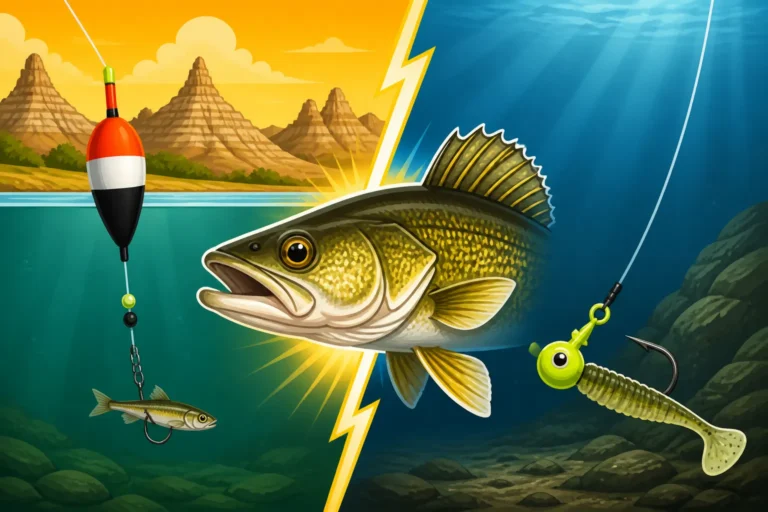
For suspended walleye in current, especially around bridge pilings or deep points, a well-balanced slip bobber rig can be incredibly deadly. You’ll want a heavier sinker than usual to keep your bobber from being swept away too quickly, but light enough to allow your minnow or leech to hover enticingly at a specific depth. Guides like How to Rig a Slip Bobber for Walleye and Best Way to Rig a Nightcrawler for Walleye offer fantastic advice on setting up these rigs for optimal performance in moving water. The goal is always to present your live bait in the most natural, appetizing way possible, letting the current do some of the work for you.
| Technique | Primary Depth | Best Current Strength | Presentation Style | Advantages | Disadvantages |
|---|---|---|---|---|---|
| Vertical Jigging | Deep to Mid-Depth | Strong to Moderate | Aggressive, precise | Excellent for pinpointing fish on structure | Requires precise boat control, can be tiring |
| Live Bait Rigs | Bottom to Mid-Depth | Moderate to Light | Natural, subtle | Often triggers finicky biters, covers more area | Slower presentation, more prone to snags |
| Crankbait Trolling | Mid-Depth to Shallow | Moderate to Light | Covering expansive areas | Efficiently locates active fish | Less precise than jigging, requires boat speed |
Trolling with Crankbaits: Covering Water
When walleye are dispersed over larger areas with moderate current, or when you're simply trying to cover a lot of water to locate active fish, trolling crankbaits becomes an incredibly effective technique. This method allows you to systematically search vast stretches of river channel or reservoir flats, presenting a tempting lure to a wide range of fish.
The real trick to successful crankbait trolling in current is understanding the dive curve of your chosen lure and meticulously controlling your boat speed. You'll often find yourself trolling slower when moving upstream against the current to maintain a consistent lure depth and action, and potentially faster when going downstream. Using line counter reels is almost a necessity here, as they allow you to precisely replicate productive presentations once you find the right combination of lure, depth, and speed.
Imagine working a long, productive flat or a distinct channel edge on Lake Sharpe near the Big Bend Dam. By carefully selecting crankbaits that run at the desired depth and adjusting your speed with your trolling motor, you can effectively trigger reaction strikes from walleye that are actively feeding. Many experienced anglers find success by studying techniques similar to those outlined in How to Troll Crankbaits for Walleye, which details the nuances of presenting these lures in various conditions. A quick search on Amazon will show you an endless array of crankbaits in different colors, sizes, and dive depths, perfect for experimenting to find what the walleye are biting on that day.
Gear Up for Success in South Dakota's Currents
Having the right gear isn't just about making fishing easier; it's about making it possible to fish effectively in current. Your rod, reel, line, and especially your boat electronics and control systems, all play a vital role in putting fish in the boat.
Rods, Reels, and Line: Matching Your Setup
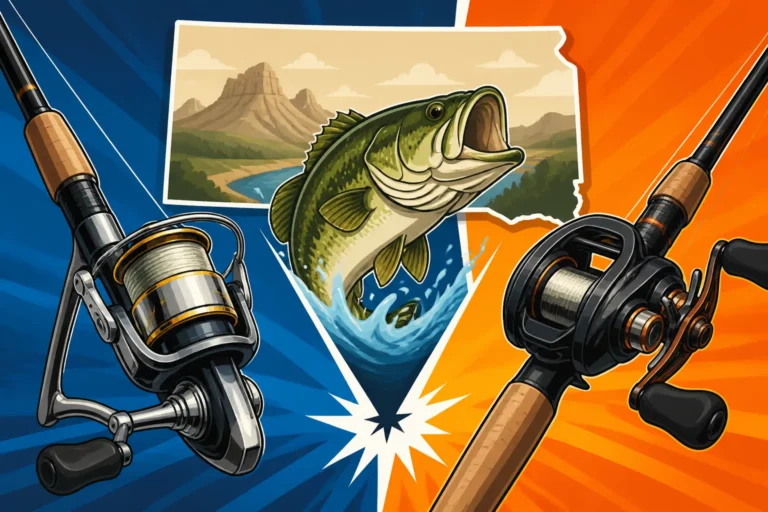
The right rod and reel combo can make all the difference when battling current-dwelling walleye. For vertical jigging, you'll want a sensitive medium-heavy spinning rod, typically between 6'6" and 7' in length, with a fast-action tip. This allows you to feel the most subtle "ticks" or pressure changes from a walleye inhaling your jig, even with the current trying to mask it. Pair this with a smooth, reliable spinning reel that has a good drag system and is capable of handling braided line.
For trolling with crankbaits, a longer, more moderate action rod (often 7'6" to 9' or more) is generally preferred. The softer action helps absorb the shock of a hard strike and acts as a shock absorber, keeping those treble hooks from pulling out of a fighting fish. Baitcasting reels with integrated line counters are virtually essential for trolling, allowing you to precisely control and replicate the amount of line you let out, which directly impacts your lure's depth. When choosing your setup, consider reading guides like Best Rod and Reel Setup for Walleye Trolling for specific recommendations.
Your choice of fishing line is critical when battling current. Braided line, typically in the 10-20 lb test range, offers superior sensitivity and minimal stretch. This means you feel everything your lure is doing and every subtle bite, even in strong current. However, because braid is more visible and lacks abrasion resistance, always add a fluorocarbon leader (8-12 lb test) for stealth and protection against sharp rocks or zebra mussels. The debate between different line types is well-explored in resources like Braided Line vs Monofilament for Walleye Fishing, helping you make the best choice for your situation.
Electronics and Boat Control: Your Best Allies
In current fishing, your boat's electronics and control systems aren't just luxuries; they're absolute necessities that turn frustration into finesse. Modern fish finders are game-changers, allowing you to see what's happening beneath the surface in incredible detail.
A high-quality fish finder equipped with Down Imaging and Side Imaging is invaluable. These technologies allow you to pinpoint exact structures like rock piles, submerged trees, or channel edges, and even see individual walleye holding tight to those current breaks. You can learn to interpret these images effectively with resources like How to Read a Fish Finder for Walleye, turning your screen into a real-time underwater map. Knowing precisely where the fish are hiding makes all the difference.
Equally important is precise boat control. A powerful bow-mount electric trolling motor with GPS capabilities, specifically a "spot-lock" or "anchor mode" feature, is a non-negotiable asset for current fishing. This technology allows you to hold your boat in a precise location, even against strong current or wind, freeing your hands to focus entirely on fishing. Imagine trying to present a jig vertically over a small rock pile in a fast current without this technology – it would be an endless battle with the tiller! Understanding Best Trolling Motor Thrust for a Fishing Boat will help you select the right motor to handle South Dakota's often-windy and current-rich waters. You can find and compare various models of these essential electronics and trolling motors on Amazon, ensuring you have the best tools for the job.
Tactical Approaches for Different Current Scenarios
South Dakota offers a diverse range of current scenarios, from the roaring tailwaters below a dam to the more subtle flows in large reservoir channels. Each demands a slightly different tactical approach to maximize your success.
Fishing Below Dams and River Mouths
Areas immediately below dams and at the mouths where tributaries dump into larger rivers are often current superhighways. These zones can be incredibly productive because the moving water concentrates both baitfish and the walleye that prey on them. However, the sheer volume and speed of the water also present significant challenges for anglers.
Your approach in these high-current areas needs to be robust. You'll likely need to use your heaviest jigs and sinkers to get your bait down to where the fish are holding without it being swept away immediately. Vertical presentations are often key, requiring precise boat positioning with your trolling motor or a well-placed anchor. Always prioritize safety in these areas, as currents can be powerful and unpredictable, and be aware of any restricted zones near the dam structures.
When you're fishing these spots, look for the distinct current seams and swirling eddies that form just beyond the immediate boil of the fastest water. Walleye will often sit right on the edge of these seams, expending minimal energy while waiting for an easy meal to be washed past them. Resources like Missouri River Tailwater Fishing Techniques offer invaluable specific advice for these high-current zones, including insights from guides on How to Fish a Current Seam Below a Dam, helping you understand the subtle nuances of these prime locations.
Navigating In-River Structures and Channels
The expansive Missouri River system, along with its connected reservoirs, is full of fantastic in-river structures that create ideal current breaks for walleye. These can include constructed wing dams, natural riprap banks, distinct channel edges, and subtle rock piles that might be completely submerged. Identifying these structures, often with the aid of your electronics, is paramount to finding fish.
When you're fishing a wing dam, for example, focus your efforts not just on the main body of the structure, but particularly on the upstream side where the current hits it, and especially on the downstream side where calmer eddies and pockets of slack water form. Walleye will consistently stage in these slacker water zones, darting into the main current to feed. It’s all about finding that subtle transition zone where a walleye can comfortably hold.
Success in these areas often comes down to precise boat positioning and presentation. Sometimes this means using your trolling motor to slowly drift with the current along a channel edge, presenting your lure or bait into the current breaks. Other times, it means anchoring effectively, as discussed in How to Anchor Fish a Tailwater for Walleye, to hold your boat steady while you meticulously pick apart a specific piece of structure. Patience and a willingness to experiment with different angles of approach will undoubtedly pay off as you learn the unique nuances of each prime fishing spot.
Disclaimer
This article is for general informational purposes only and does not constitute professional advice. Laws, prices and regulations vary by location and change over time. Consult a qualified professional for guidance on your specific situation.