Best Time of Day to Catch Walleye in Summer
There's nothing quite as frustrating as heading out to your favorite South Dakota walleye spot in the heat of summer, only to find the fish are nowhere to be seen, or worse, completely uninterested in anything you throw at them. You've got the boat, the gear, the bait, but those elusive walleye seem to have disappeared into the depths. This comprehensive guide is here to unravel the mystery of summer walleye behavior, helping you pinpoint the absolute best times of day to cast your line for these prized fish, even when the sun is blazing.
Unraveling the Summer Walleye Mystery: Why Time of Day Matters
Summer fishing for walleye in South Dakota can be a real head-scratcher. One day they're biting, the next they're gone, and it often feels like there's no rhyme or reason to it. But here's the truth: walleye are incredibly sensitive to environmental changes, especially light and temperature, which fluctuate significantly throughout a summer day. Understanding why they behave the way they do at different times is key to unlocking consistent success.
The Midday Slump: Why Walleye Go Deep and Dormant
When that South Dakota sun climbs high in the sky and beats down on the water, you'll notice a distinct shift in walleye behavior. They aren't just taking a siesta; they're actively avoiding the intense light and warmth. Walleye are creatures of low light, with large, sensitive eyes that are perfectly adapted for hunting in dimmer conditions. Bright sunlight can actually hurt their eyes, making them seek refuge in deeper, cooler, and darker waters.
This midday slump isn't just about comfort; it's about survival and energy conservation. As water temperatures rise, fish metabolism can increase, but intense heat also reduces oxygen levels in shallower waters, making active feeding less efficient. So, from roughly 10 AM to 4 PM on a bright summer day, walleye will often retreat to thermal refuges – deep pockets, cool springs, the shady side of structure, or thick weed beds – and become far less active. They'll hug the bottom, suspend in cooler thermoclines, or simply "power down" until conditions improve. Trying to catch them during these hours requires a very specific approach, often presenting baits directly to their noses, as they won't be actively chasing.
Light, Temperature, and Walleye Behavior: The Science Behind the Bite
The science behind walleye feeding patterns in summer boils down primarily to light penetration and water temperature.
- Light Sensitivity: As mentioned, walleye are crepuscular, meaning they are most active during twilight (dawn and dusk). Their rod-rich eyes give them superior vision in low light compared to many other fish species. This is a massive advantage when their prey, like yellow perch or various baitfish, might be less adapted to the fading light. When the sun is high, light penetrates deeper into the water column, making walleye uncomfortable in shallow areas where they might feed during other times of the day.
- Water Temperature: Walleye prefer cooler water, generally in the 60-70°F range. In South Dakota's larger reservoirs like Lake Oahe or Lake Sharpe, and even in smaller glacial lakes, the surface water can easily climb into the upper 70s or even low 80s during summer. This forces walleye to seek out deeper, cooler water. A good fish finder can help you identify the thermocline – the layer where water temperature changes rapidly – as this is often where walleye will suspend, ambushing baitfish that are also drawn to this comfortable zone. Learning how to Read a Fish Finder for Walleye is incredibly valuable here.
- Oxygen Levels: While often related to temperature, oxygen levels also play a role. Warmer water holds less dissolved oxygen. During hot spells, especially in shallower, stagnant areas, oxygen can deplete, driving walleye to areas with better circulation or deeper, cooler water where oxygen is more plentiful. This is particularly noticeable in certain bays or backwaters.
Understanding these factors helps us predict when and where walleye will be, transforming what seems like random luck into a more calculated and successful fishing strategy. It's about thinking like a walleye, or at least understanding their biological imperatives.
The Golden Hours: Prime Times for South Dakota Summer Walleye
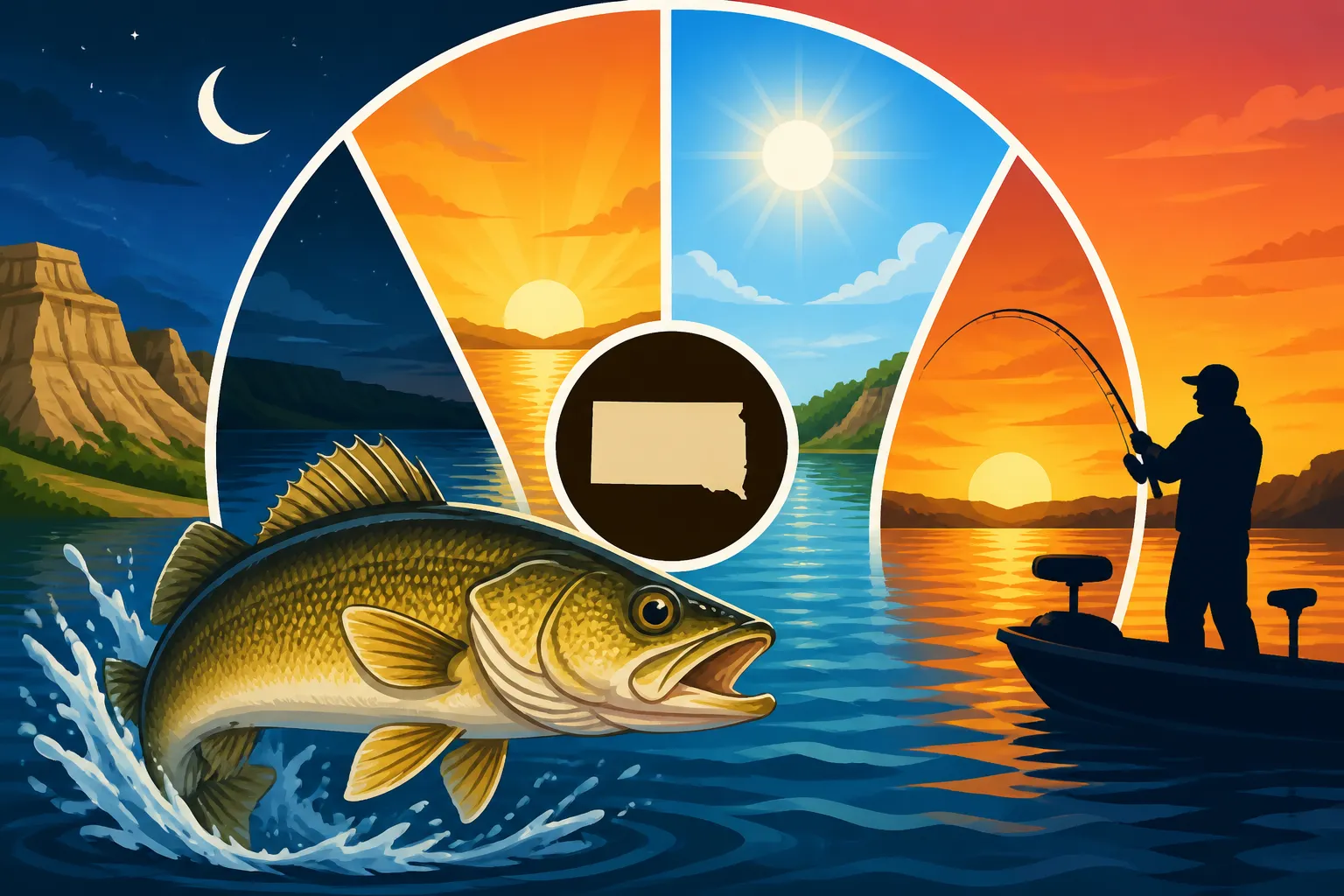
If you want to maximize your chances of catching walleye in South Dakota during summer, you need to align your fishing efforts with their natural activity peaks. Forget sleeping in or heading home early; the best bites often occur when most people are just starting their day or winding down.
Early Morning: Capitalizing on the First Light Bite
This is arguably the most reliable time for summer walleye fishing, especially as dawn breaks and for a few hours afterward. As the first hint of light appears in the eastern sky, walleye that have spent the night actively feeding in shallower waters or along structure begin to transition. The light levels are ideal for their eyes, and the water is at its coolest after the overnight hours.
During this window, walleye will often be found shallower than they will be later in the day, actively hunting. Look for them around points, weed edges, submerged humps, and even along riprap or rocky shorelines. This is a fantastic time for casting crankbaits, jigging with live bait, or even pulling spinner rigs slowly. The bite can be aggressive as they finish their nocturnal feeding cycle before retreating to deeper haunts. Don't be surprised if you catch a few fish right at the boat ramp if you're out there early enough on some of the popular spots like the Missouri River tailwaters. The "first light" period typically lasts until the sun is fully up and has been shining for a couple of hours, generally fading as the sun gets higher than the tree line or surrounding bluffs. For specific guidance, check out South Dakota Spring Walleye Fishing Techniques, many of which also apply to early summer mornings.
Late Evening into Night: The Twilight Transition
Just as the early morning offers a fantastic bite, the late evening, stretching into twilight and even deep into the night, provides another incredible opportunity for summer walleye. As the sun begins its descent, light levels diminish, and surface water temperatures start to drop. This signals to walleye that it's time to move from their deeper, daytime retreats back into shallower feeding zones.
The period from sunset to a couple of hours after dark can be incredibly productive. Walleye become bolder, moving onto flats, points, and even into shallow bays to chase baitfish. Trolling crankbaits that mimic forage species is highly effective, especially those with rattles or in dark, silhouetting colors. Jigging spoons or soft plastics near structure can also entice bites. For the adventurous angler, night fishing can be phenomenal. The darkness offers walleye maximum comfort and stealth, allowing them to cruise very shallow areas that would be unthinkable during midday. Many anglers report catching some of their largest summer walleye under the cover of darkness, especially on the big reservoirs. If you're wondering, is Night Fishing Legal on the Missouri River?, the answer is generally yes, but always check specific local regulations.
Overcast Days and Storm Fronts: Exceptions to the Rule
While early morning and late evening are your best bets, summer fishing isn't always clear skies and bright sun. Overcast days, especially those with light rain, can significantly extend the "golden hours" for walleye. The reduced light penetration makes walleye more comfortable in shallower water throughout the day. On such days, you might find active walleye almost any time between dawn and dusk, making it a truly exceptional fishing experience.
Similarly, approaching or receding storm fronts can trigger a strong bite. Before a storm, changes in barometric pressure can make walleye more aggressive, causing them to feed heavily. The low light conditions associated with storm clouds further encourage this activity. However, use caution and prioritize safety on the water during actual storms. After a storm, as the water settles and temperatures might drop slightly, walleye can again become very active. These conditions are often unpredictable but offer some of the best fishing windows outside of the traditional twilight periods. Just be sure to always keep an eye on the weather forecast and pack appropriate rain gear, which you can find a wide selection of on Amazon if you need to gear up quickly.
Tailoring Your Approach: Techniques for Summer Walleye Success
Knowing when to fish is only half the battle; you also need to know how to present your offerings effectively during the summer months. Walleye behavior shifts with the seasons, and your techniques need to adapt accordingly.
Deep Water Presentations: Trolling and Jigging Tactics
When walleye are holding in deeper water, as they often do during the bright midday hours or in the warmest parts of summer, you need tactics that can reach them effectively.
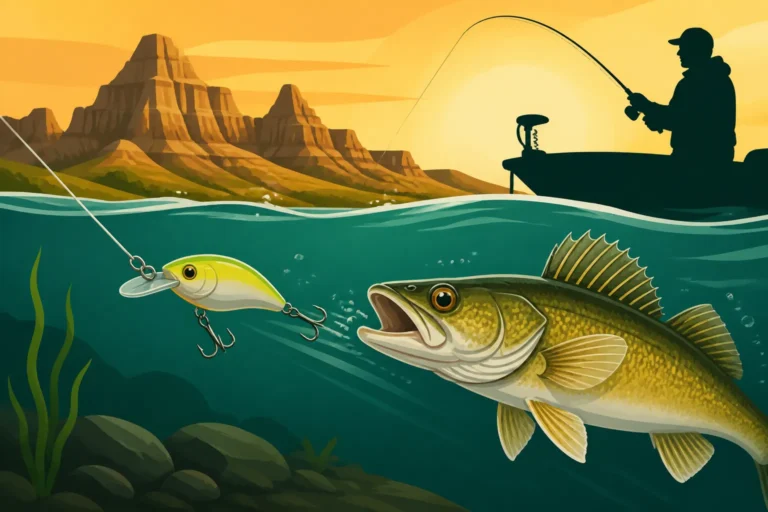
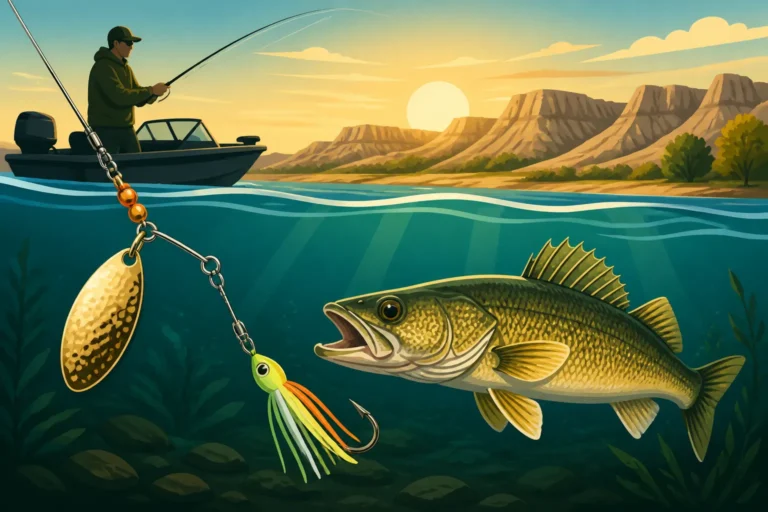
- Trolling with Crankbaits and Crawler Harnesses: This is a cornerstone of deep water summer walleye fishing, particularly on South Dakota's massive reservoirs like Lake Oahe and Lake Francis Case. By using planer boards and lead core line, or even downriggers, you can present baits at precise depths where walleye are suspending or hugging structure. Deep-diving crankbaits in natural baitfish patterns or bright, enticing colors work wonders. Crawler harnesses, often referred to as "spinners," tipped with live nightcrawlers or artificial worms, are incredibly effective when trolled slowly along breaks, humps, or flats. The flash and vibration can trigger strikes from otherwise lethargic fish. Mastering Trolling for Walleye on Lake Oahe can significantly increase your success.
- Vertical Jigging: When walleye are concentrated on specific humps, points, or underwater rock piles in deeper water, vertical jigging can be deadly. This involves positioning your boat directly over the fish (often identified with a good fish finder) and dropping jigs or spoons straight down. Snap jigging, dead sticking, or a slow lift-and-drop retrieve can all be effective. Tipping jigs with a minnow head or a small piece of nightcrawler can add scent and appeal. This technique is especially effective for groups of fish holding tight to structure and is a popular method for Jigging Techniques for Missouri River Walleye.
Shallow Water Ambushes: Targeting Low-Light Feeders
During the prime low-light periods (early morning, late evening, and overcast days), walleye will venture into shallower areas to feed. Your approach here will differ, focusing on covering water and targeting transition zones.
- Casting Crankbaits and Jerkbaits: When walleye are actively chasing bait in shallower depths (5-15 feet), casting various crankbaits, jerkbaits, or even swimbaits can be highly productive. Focus on areas where baitfish are likely to congregate, such as weed edges, rocky points, and shallow flats adjacent to deeper water. Experiment with different retrieve speeds and pauses to find what triggers a strike.
- Slip Bobber Rigs: For more precise presentations in shallower weed lines or brush piles, a slip bobber rig with a live minnow or leeches can be unbeatable. This allows you to present your bait suspended just above the cover where walleye might be lurking, without getting snagged. The natural movement of live bait is often irresistible to hungry walleye. You'll find a great selection of slip bobber rigs and other terminal tackle to stock up on from online retailers like Amazon.
Essential Gear for Summer Walleye Fishing
Having the right gear makes a huge difference, especially when you're trying to coax a bite from finicky summer walleye.
- Rods and Reels: For trolling, medium-heavy action rods with a fast tip and line counter reels are invaluable for precise depth control. For jigging, a sensitive medium-light to medium action spinning rod will help you detect subtle bites.
- Line: Braided line (10-20 lb test) is excellent for sensitivity and strength, often used with a fluorocarbon leader (8-12 lb test) for stealth in clear water. For trolling, specialized lead core line or monofilament might be preferred depending on the technique.
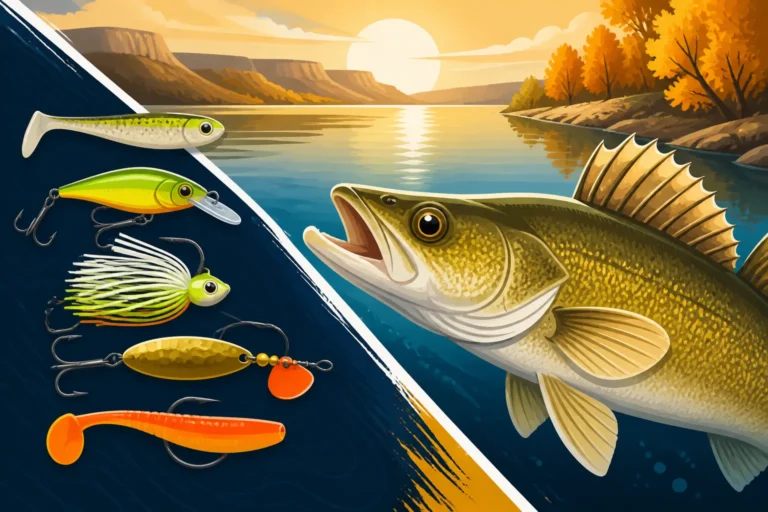
- Lures and Bait: A diverse tackle box is key. Include deep-diving crankbaits (e.g., Rapala, Berkley, Salmo), spinner rigs with different blade sizes and colors, jig heads in various weights (1/8 oz to 1/2 oz), and soft plastics like paddle tails or minnow imitators. Don't forget live bait: nightcrawlers, minnows, and leeches are often irresistible. For more specific recommendations, dive into our guide on Best Lures for South Dakota Walleye.
- Electronics: A quality fish finder with side imaging or down imaging is a non-negotiable for summer walleye. It helps you locate structure, identify thermoclines, and even spot individual fish or schools of bait.
Seasonal Adjustments and Locational Nuances
South Dakota is a big state with diverse water bodies, and what works on one lake might not work on another. Being able to adapt your strategy based on the specific body of water and the progression of summer is crucial.
Adapting to Lake Type: Reservoirs vs. Glacial Lakes
South Dakota's fishing landscape is generally divided into two main categories: the vast Missouri River reservoirs and the countless natural glacial lakes of the eastern part of the state. Each presents unique challenges and opportunities for summer walleye.
- Missouri River Reservoirs (e.g., Lake Oahe, Lake Sharpe, Lake Francis Case): These massive impoundments are characterized by deep water, strong currents (near dams), and vast expanses of open water with varying depths and submerged structure. Walleye here often relate to main river channel breaks, large humps, points, and old roadbeds. Deep water trolling with crankbaits and crawler harnesses is king here, especially on Lake Oahe Fishing Guide. During summer, walleye will often suspend over deep water or school up on structure far from shore. Don't be afraid to fish depths of 20-40 feet or more during the day. Access points like those detailed in Lake Oahe Fishing Near the Cheyenne River can be prime starting points.
- Glacial Lakes (e.g., Lake Kampeska, Lake Poinsett, Bitter Lake): These shallower, often weedier lakes in eastern South Dakota present a different scenario. While they still get warm, walleye might relate more to extensive weed beds, emergent vegetation, and shallower rock piles or gravel bars. Here, working the deep edges of weed lines, casting into pockets, or slowly trolling shallower running crankbaits or spinner rigs can be very effective in low light. During the midday heat, walleye might burrow into the thickest part of the weeds for shade and cooler water, making them tough to extract. For more insights, refer to the South Dakota Glacial Lakes Walleye Fishing guide.
Reading the Water: Interpreting Conditions for Better Bites
Beyond the time of day and lake type, always be attuned to the subtle cues the water gives you.
- Wind: Wind can be your friend! A good walleye chop (a moderate ripple or wave on the surface) breaks up light penetration, makes walleye feel more secure, and pushes baitfish, concentrating them. On windy days, fish the "wind-blown" side of points or reefs, as baitfish will be pushed there, and walleye will follow. Too much wind, however, can make boat control and fishing difficult.
- Water Clarity: Clear water typically means walleye will be deeper or more sensitive to light, requiring stealthier approaches and longer leaders. Stained or turbid water, on the other hand, diffuses light, often allowing walleye to be shallower and less wary, even during the day. In stained water, use lures with strong vibration or bright, contrasting colors.
- Baitfish Activity: Pay attention to what the baitfish are doing. If you see schools of shad or perch on your fish finder, or observe them breaking the surface, you can bet walleye aren't far behind. Matching the hatch – using lures that mimic the size and color of the local forage – is a timeless strategy for success. Observing these patterns might even give you clues about the Best Time of Day to Catch Walleye in Summer if you see baitfish active at certain hours.
By combining an understanding of walleye behavior, strategic timing, appropriate techniques, and keen observation of the water, you can significantly improve your chances of landing those coveted South Dakota walleye, even in the dog days of summer.
Summer Walleye Fishing Times and Techniques
| Time of Day | Typical Light Conditions | Walleye Behavior (General) | Recommended Depth Range | Recommended Techniques |
|---|---|---|---|---|
| Pre-Dawn to Sunrise | Very Low Light | Actively feeding, moving shallow | 5-15 feet | Casting crankbaits, jigging with live bait |
| Sunrise to 9 AM | Increasing Light | Finishing feeding, moving deeper/to cover | 10-25 feet | Trolling crankbaits/harnesses, casting jigs |
| 9 AM to 4 PM | Bright Sun / High Heat | Seeking deep, cool, dark refuges; less active | 20-40+ feet | Deep trolling, vertical jigging (precise) |
| 4 PM to Sunset | Decreasing Light | Becoming more active, transitioning shallower | 10-30 feet | Trolling, casting shallow crankbaits |
| Sunset to Night | Low Light / Darkness | Actively feeding, often moving very shallow | 5-20 feet | Trolling dark crankbaits, casting noisemakers |
| Overcast Day | Diffused Light | More active throughout the day, may stay shallower | 10-25 feet | Trolling, casting, jigging (less depth-reliant) |
Disclaimer
The information provided in this guide is for general informational purposes only. Fishing regulations, seasons, and fish limits in South Dakota can change frequently. Always consult the latest South Dakota Game, Fish and Parks (GFP) regulations handbook or their official website before heading out on the water. Local conditions, weather, and fish behavior can vary, and past success does not guarantee future results. Fish safely and responsibly.