Best Time of Day to Catch Walleye in Spring
For many South Dakota anglers, spring walleye fishing can feel like trying to solve a complex puzzle. One day they're biting aggressively, the next they've seemingly vanished, leaving you wondering if you're even fishing at the right time. Pinpointing the best time of day to catch these elusive fish in the spring often feels like a moving target, but understanding their seasonal patterns can significantly boost your success. This comprehensive guide will break down the daily rhythms of spring walleye, helping you hone in on those prime windows of opportunity.
The Unique Challenges of Spring Walleye Fishing
Spring in South Dakota is a season of profound transition for walleye, marking a significant shift from their winter dormancy to active feeding and spawning. This period presents a unique set of challenges and opportunities that influence their daily behavior more than at any other time of year.
Post-Ice Out Transitions
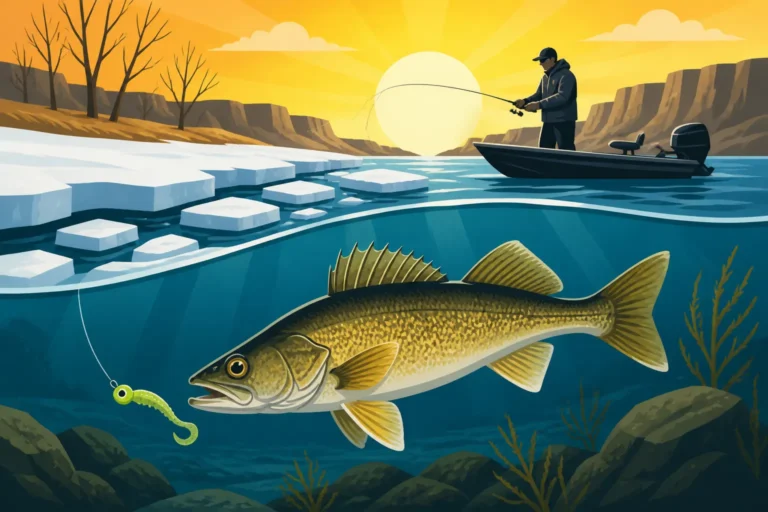
The moment the last vestiges of ice melt from our beloved lakes and reservoirs, like Lake Oahe or the Glacial Lakes region, the underwater world is thrown into a frenzy of change. Water temperatures begin to climb, albeit slowly, sending signals throughout the ecosystem. Walleye, which were relatively lethargic under the ice, start to wake up and move. However, this period can be chaotic. Runoff from melting snow and spring rains can cloud water, decrease visibility, and sometimes even push baitfish into new areas. Walleye, being ambush predators, rely on their keen eyesight, so murky conditions can make them less inclined to chase fast-moving baits during bright daylight hours. They're often still quite scattered as they adjust to the new open-water environment, making them harder to locate consistently. Understanding these initial movements is key, and often the fish are still in deeper basins or staging areas, gradually moving shallower.
Pre-Spawn and Spawning Behaviors
Perhaps the most significant factor dictating walleye behavior in spring is their annual spawning ritual. In South Dakota, walleye typically spawn when water temperatures reach a sustained range of 42-50 degrees Fahrenheit. Before this critical period, during the pre-spawn phase, walleye are often at their most aggressive. They're gorging themselves on baitfish, building up energy reserves for the strenuous act of spawning. This is a fantastic time for anglers, as their need to feed can make them active throughout much of the day.
However, once the actual spawn begins, their priorities shift dramatically. Male walleye move onto shallow, rocky spawning grounds – typically gravel points, rip-rap shorelines, or rocky reefs – often several days before the females. They'll actively defend these areas. Females arrive to lay their eggs, and then typically retreat to slightly deeper water to recover. During the peak of the spawn itself, walleye can be notoriously difficult to catch. Their focus isn't on feeding, but on reproduction. After the spawn, they enter a post-spawn recovery phase, which often sees them lethargic and less inclined to bite for a week or two as they regain strength. Knowing the approximate timing for when walleye spawn in South Dakota for your specific body of water is incredibly valuable, as it directly impacts when they'll be most active throughout the day.
Environmental Variables
South Dakota springs are famously unpredictable. One week you might have shirt-sleeve weather, the next a cold front sweeps in, bringing snow and dropping air temperatures dramatically. These environmental swings play a huge role in walleye activity. Cold fronts, in particular, can shut down the bite almost completely. Rapid drops in air or water temperature often push walleye deeper, making them less willing to move or feed. Conversely, stable weather patterns with gradually warming temperatures can spur increased activity. Wind direction and intensity also play a part; a consistent, moderate chop can be excellent for walleye, as it breaks up light penetration and concentrates baitfish. Too much wind, however, can make fishing difficult and scatter the fish. Factors like increased runoff from melting snow or spring rains can also create turbid water conditions, impacting feeding behaviors and making specific times of day more productive due to reduced light penetration.
Prime Time Windows for Spring Walleye
While every day on the water is different, there are definitely specific windows of time during the South Dakota spring when walleye are most consistently active. These "prime times" are dictated by light levels, water temperature stability, and the fish's natural predatory instincts.
The Magic of Early Morning
Without a doubt, the period from first light until an hour or two after sunrise is often the most productive time for spring walleye. There's a certain magic to those calm, crisp mornings on the water, and it's not just the beautiful scenery. Low light conditions are a walleye's best friend. Their eyes are highly adapted for low-light environments, giving them a distinct advantage over their prey, such as perch or shiners, during these hours. As the sun begins to creep over the horizon, bringing just enough light for them to hunt effectively but not enough to put them off, walleye often move shallower to feed aggressively.
This is when you'll find them cruising along weed lines, rocky points, or flats adjacent to deeper water. The water temperature is typically at its most stable or slowly warming after the night, which can also trigger a feeding response. Many successful anglers targeting South Dakota Spring Walleye Fishing Techniques will tell you that getting out on the water before dawn and working those shallow to mid-depth areas with crankbaits, jigs, or live bait rigs can yield incredible results. If you're on a lake known for its walleye, like Lake Kampeska, these early hours are often when the biggest fish are cruising for an easy meal.
The Evening Creep and Twilight Bite
Just as the sun rising offers a prime opportunity, so too does its descent. The late afternoon and into dusk, often lasting an hour or two after sunset, presents another fantastic feeding window for spring walleye. As the sun dips lower, light penetration diminishes, once again playing into the walleye's favor. They feel more secure moving into shallower water, particularly if they've spent the day lurking in deeper haunts.
The water, having absorbed sunlight throughout the day, might also be at its warmest and most stable point during this time, further encouraging activity. This is when you can see walleye pushing baitfish against shorelines or patrolling drop-offs. If you're fishing a location like the Missouri River tailwaters, the evening bite can be particularly strong as fish move up from deeper pools into current seams to feed. Many anglers find success using similar tactics to the morning bite – casting crankbaits, slowly retrieving jigs, or using slip bobbers with live minnows near structure. It's a peaceful and often highly productive time to be on the water, especially if you're targeting big walleye.
Overcast Days: A Daytime Bonus
While early mornings and late evenings are generally the most consistent prime times, spring in South Dakota can sometimes deliver extended periods of walleye activity, especially on overcast days. A heavy cloud cover, or even a light drizzle, acts like a giant diffuser, significantly reducing the amount of direct sunlight penetrating the water. This effectively creates low-light conditions that walleye prefer, even in the middle of the day.
On such days, walleye may remain in shallower feeding areas for much longer, or they might move into those areas earlier than they would on a bright, sunny day. This is particularly true in waters with good clarity. If you wake up to a gray, cloudy sky, don't write off your mid-day fishing plans. Instead, consider it an extended prime-time opportunity. You can often continue to fish the same types of structures and depths that produce during the morning or evening bite. This is also a great time to experiment with different presentations. You might find success with a jig and minnow combo in the morning, then switch to trolling crankbaits if the clouds persist, allowing you to cover more water and find active fish.
Adapting to Mid-Day and Off-Peak Conditions
Let's be real: not everyone can drop everything and hit the water at dawn or stay out until dark. Life happens! But even if your fishing schedule is limited to mid-day hours, or you find yourself in a lull between prime feeding times, don't despair. You can still catch walleye in the South Dakota spring; it just requires a shift in strategy.
Locating Deeper Structure During Mid-Day
When the sun is high and bright, walleye tend to retreat from shallow, exposed areas. They're not completely inactive, but they move to places where they feel more secure and comfortable. This usually means deeper structure. Think about humps, submerged points, the edges of deep channels, or even offshore reefs. These areas provide cover from the intense sunlight and often hold schools of baitfish that also seek deeper water.
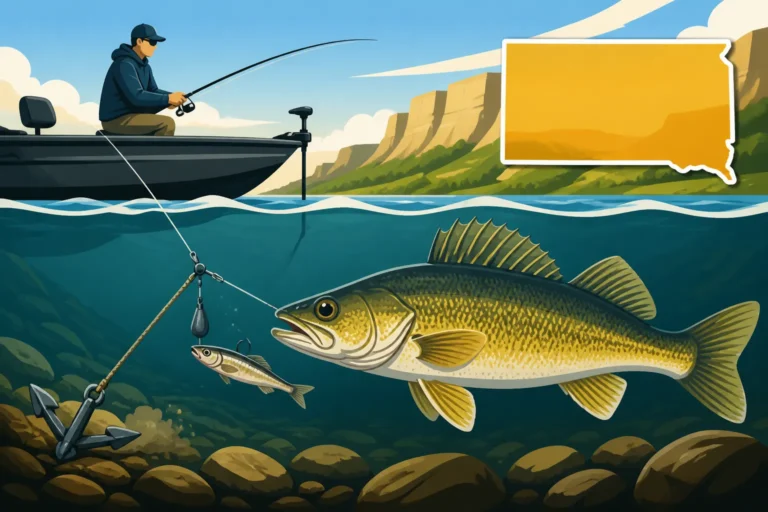
Your electronics become your best friend during these hours. Using a good fish finder to scan for schools of baitfish and prominent structure is essential. Once you locate these spots, you'll need to present your bait or lure vertically or slowly along the bottom. Techniques like vertical jigging with a spoon or a heavy jig-and-minnow, or slowly dragging a bottom bouncer rig, are often most effective. The fish might be more lethargic, so a slow, methodical approach is key. Patience is crucial, as you might need to drop your presentation directly into a fish's strike zone to elicit a bite.
Current Breaks and Warm Water Pockets
Another excellent strategy for mid-day walleye, especially on river systems like the Missouri River, is to target current breaks. Walleye are highly susceptible to current, and while they thrive in it, they also seek out areas where they can rest and ambush prey without expending too much energy. Look for eddies behind submerged rocks, points, bridge pilings, or even subtle changes in depth that create a slower current seam. These areas act as natural ambush points, and walleye will often stack up there, waiting for baitfish to be swept by.
Additionally, in early spring, identifying "warm water pockets" can be a game-changer. These are often shallow, dark-bottomed bays or north-facing banks that absorb sunlight more efficiently and warm up faster than the main body of water. Tributary inflows, especially from shallower streams, can also bring slightly warmer water. These warmer pockets attract baitfish, and consequently, walleye looking for an easy meal or just seeking more comfortable temperatures. Even a difference of a couple of degrees can make a huge impact. You might find active fish in just a few feet of water in these warmer zones while the rest of the lake is still chilly. These spots are also great for South Dakota Walleye Fishing Guide and can be explored with a light spinning rod setup.
Slow and Subtle Presentations
When the bite is tough, and walleye are in their mid-day funk, finesse is the name of the game. Aggressive retrieves or flashy baits might scare them off. Instead, focus on slow, subtle presentations that mimic injured or easy-to-catch prey. A classic jig and live minnow, presented with minimal action, can be deadly. Hook the minnow lightly through the lips or dorsal fin and let it swim naturally, occasionally giving it a gentle twitch.
Another excellent option is a "slow death" rig, which involves a specific worm harness designed to give a nightcrawler a mesmerizing corkscrew action at very slow speeds. Brands like Northland Fishing Tackle offer popular options for these. Using lighter line, a fluorocarbon leader for invisibility, and smaller baits can also make a significant difference. Sometimes, the key is simply keeping your bait in the strike zone for as long as possible with the least amount of alarming action. Don't be afraid to experiment with different jig weights and colors, as even subtle changes can trigger a bite when fish are hesitant.
Here’s a quick overview of how time of day generally impacts spring walleye fishing:
| Time of Day | Walleye Activity | Preferred Location | Key Considerations |
|---|---|---|---|
| Early Morning | High | Shallow points, flats, weed edges, rocky shores | Low light, stable water temps, active feeding |
| Mid-Morning | Moderate | Transition areas, deeper edges of prime spots | Still some feeding, but deeper movement begins |
| Mid-Day | Low | Deeper structure, current breaks, warm pockets | High sun, fish less active, subtle presentations needed |
| Late Afternoon | Moderate | Transition areas, approaching shallower points | Fish begin moving, increased activity as light fades |
| Late Evening | High | Shallow points, flats, weed edges, rocky shores | Low light, water temps stable/cooling, aggressive bite |
Key Factors Beyond the Clock
While time of day is a huge piece of the spring walleye puzzle, it's never the only factor. A truly successful angler understands that several other environmental elements are constantly at play, influencing whether those walleye decide to bite, regardless of what the clock says.
Water Temperature is King
If there's one single factor that dictates spring walleye behavior more than any other, it's water temperature. Walleye are cold-blooded, and their metabolism is directly tied to the temperature of their environment. In early spring, when the water is still in the low 40s (Fahrenheit), they'll be more lethargic and less willing to chase. As the water warms into the upper 40s and low 50s, their activity levels pick up significantly, leading into the spawn. After the spawn, they'll continue to feed more actively as temperatures climb into the 50s and 60s.
A sustained warm spell can turn the bite on fire, while a sudden cold snap can shut it down for days. This is why knowing Reading Water Temperature for Walleye is so crucial. Invest in a reliable temperature gauge and pay close attention to any changes. Target areas that are even a few degrees warmer, as these can be magnets for both baitfish and walleye. Shallow, dark-bottomed bays, protected coves, and areas with warm inflow from rivers or streams will heat up fastest and often hold the most active fish.
Weather Patterns and Fronts
Beyond temperature, overarching weather patterns significantly impact spring walleye activity. As mentioned earlier, cold fronts are notoriously difficult. The sudden drop in barometric pressure and temperature can make walleye extremely wary and push them into deeper, more stable environments where they simply "sulk." The key during these post-front conditions is to slow down your presentation, use smaller baits, and focus on vertical fishing in tight to structure.
Conversely, stable, warming weather, especially with a consistent light chop on the water, often equates to excellent fishing. A steady breeze can concentrate baitfish and break up the surface, making walleye feel more secure in shallower water. Before a front moves in (a pre-front bite), walleye can often go on a feeding frenzy as they sense the change coming. Learning to read the weather and understand its potential impact on fishing is a skill developed over many seasons, but it's invaluable for predicting when walleye might be most active. This might even affect how many walleye you're allowed to keep, so understanding South Dakota Walleye Limits is critical.
Understanding the Spawn Cycle
We've touched on it already, but the walleye spawn cycle warrants a deeper dive into its impact on daily timing. The exact week that When Walleye Spawn in South Dakota will depend on your specific body of water and the spring's progression, but it’s a critical event.
- Pre-Spawn (Early Spring): This is arguably the best time to catch actively feeding walleye, and their bite can be extended throughout much of the day, particularly on cloudy days. They are staging near spawning grounds but are focused on fattening up. Using aggressive tactics and covering water can be very effective during this period.
- Actual Spawn (Mid-Spring): As water temperatures hit the mid-40s, walleye move onto spawning reefs and shallow, rocky areas. During this brief window (usually 1-2 weeks), fishing can be very tough. The fish's focus is entirely on reproduction, not feeding. While you might stumble upon a few males, the bite will generally be slow.
- Post-Spawn (Late Spring): After spawning, female walleye often retreat to deeper water to recover, while males might linger on spawning grounds for a while. The immediate post-spawn period can be a bit of a lull, with fish being lethargic. However, as they recover, they'll begin to feed heavily again to replenish lost energy. This is when you'll find them active once more, often still using those low-light feeding windows but potentially in slightly deeper post-spawn recovery areas or feeding on abundant baitfish moving into the main lake.
Navigating these distinct phases is crucial for understanding not only when to fish during the day, but also where and how. For instance, during pre-spawn, you might find success with a variety of lures from crankbaits to jigs. In the post-spawn, a more subtle approach with live bait might be necessary as they recover. And remember, before you even cast a line, make sure you're up to date on your fishing requirements by reviewing the South Dakota Fishing License Guide. It’s always better to be prepared!
Disclaimer
Fishing conditions and regulations can change. Always consult the latest South Dakota Game, Fish and Parks regulations handbook before heading out on the water. This article is for informational purposes only and should not replace official guidance.