Best Bait for Ice Fishing Crappie
There's nothing quite like the unique challenge and reward of ice fishing, especially when you're targeting those notoriously finicky crappie through a small hole in the ice. It can be incredibly frustrating to sit there, shivering, watching your sonar light up with fish, but getting absolutely no bites. The truth is, choosing the right bait for ice fishing crappie in South Dakota isn't a one-size-fits-all solution; it's an art that combines understanding their winter habits with selecting the perfect offering. This guide is all about helping you unlock those crappie secrets, focusing on the baits and techniques that truly make a difference when the water turns to ice.
Understanding Crappie Behavior Under the Ice
When the frigid grip of winter settles over South Dakota's lakes and reservoirs, everything changes for crappie. They’re no longer zipping through weed beds with reckless abandon, chasing down every minnow that swims by. Instead, they become more lethargic, conserving energy, and often school up in predictable patterns. To pick the best bait, you first have to think like a cold-blooded crappie.
Why Crappie Go Deep (or Don't!)
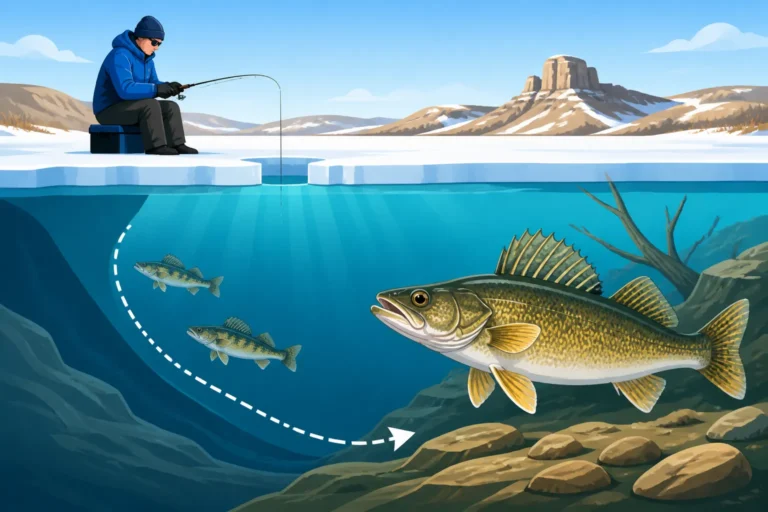
It's a common misconception that crappie always head to the deepest parts of a lake once ice forms. While they certainly can be found in deeper basin areas, especially on larger bodies of water like parts of Lake Oahe or Lake Sharpe, their preferred depth often depends on several factors. Oxygen levels can play a role, as can the location of their primary food sources. Sometimes, especially in early or late ice, you'll find them suspended over deeper water, or even holding tight to structure in shallower bays if there's good cover and forage. The key is that they're looking for stability—stable water temperatures, stable oxygen, and a stable food supply. This means they might be anywhere from 10 to 40 feet down, or even shallower if the conditions are right, often relating to submerged timber, brush piles, or subtle breaks in the lake bottom. Knowing this helps you determine where to drop your bait.
Winter Diet Changes
Just like us, crappie don't have the same robust appetite in the dead of winter as they do in the heat of summer. Their metabolism slows way down, meaning they're not expending as much energy and therefore don't need to eat as much. This translates to smaller, more subtle meals. They're primarily foraging on tiny crustaceans, insect larvae, and, of course, small minnows. This shift in diet is critical when you're choosing your bait. A giant spoon that worked wonders in July might be completely ignored when they're barely nibbling on a single grub. You'll often hear anglers talk about "matching the hatch," and while that term is usually reserved for fly fishing, the principle applies here: try to present something that closely mimics what they're naturally feeding on.
The Best Live Baits for Ice Fishing Crappie
When crappie are being particularly finicky, it's hard to beat the real thing. Live bait offers natural scent, subtle movement, and a texture that artificial baits can only try to imitate. For South Dakota ice anglers, having a few live bait options on hand is often the difference between a slow day and a successful outing.
The Ever-Reliable Minnow
Minnows are, without a doubt, a go-to live bait for crappie, especially when you're targeting larger slabs. Crappie are predators, and a struggling minnow is often too tempting to pass up, even in cold water. For ice fishing, smaller minnows are generally better. Think about sizes like rosies, fatheads, or small shiners, typically in the 1 to 2-inch range.
The key to fishing minnows effectively is how you hook them. You want them to stay lively and appealing, but also secure enough to withstand a crappie's bite.
- Through the Back: Hooking a minnow just behind the dorsal fin allows it to swim naturally and present a good profile. This is often done with a small plain hook, a jig, or a jigging spoon.
- Through the Lips: For a more vertical presentation, hooking them through both lips can keep them horizontally oriented and struggling subtly.
- Tail Hooking: Some anglers prefer to lightly hook them in the tail, which encourages a nose-down presentation and mimics a minnow trying to dive away.
Presenting your minnow on a small, light jig or under a sensitive bobber is usually the best approach. The minnow does most of the work, providing that natural enticing action. Just be sure to check your Crappie and Panfish Possession Limits before you head out, as live bait rules can sometimes vary.
Waxworms, Spikes, and Larvae
While minnows are great for attracting bigger crappie, sometimes the fish are in such a lethargic state that they prefer smaller, more accessible protein sources. This is where insect larvae like waxworms, spikes (maggots), and eurolarvae really shine. They are compact, full of protein, and emit a natural scent that can trigger bites when nothing else will.
- Waxworms: These plump, creamy white larvae are a staple for ice anglers targeting panfish. Their soft bodies are easy for crappie to inhale, and their subtle wiggling action is incredibly attractive. They can be fished solo on a tiny jig, or tipped onto a small spoon or plastic.
- Spikes (Maggots): Spikes are smaller and more active than waxworms. Their constant squirming can be a huge draw, especially when you're trying to entice a non-committal crappie. Many anglers will "cocktail" them, putting two or three on a small jig for a bigger profile and more action.
- Eurolarvae: Similar to spikes but often slightly larger and hardier, eurolarvae offer similar advantages with added durability.
These baits are often fished on incredibly small jigs, sometimes as light as 1/64th or 1/80th of an ounce, often referred to as "micro jigs." The key is to present them with minimal resistance, allowing their natural movement to do the attracting. You can find these baits at almost any bait shop in South Dakota, or order them in bulk from online retailers. When it comes to gear for these tiny baits, an ultra-light rod with a sensitive tip is crucial; check out tips in our Best Ice Fishing Rods and Reels guide for options.
Top Artificial Baits for Ice Fishing Crappie
Sometimes, live bait isn't practical, or the fish are aggressive enough to hit an artificial offering. Modern artificial baits have come a long way, offering incredible realism, scent, and action that can be deadly for ice-out crappie. Plus, they're always ready in your tackle box!
Micro Jigs and Plastic Tails
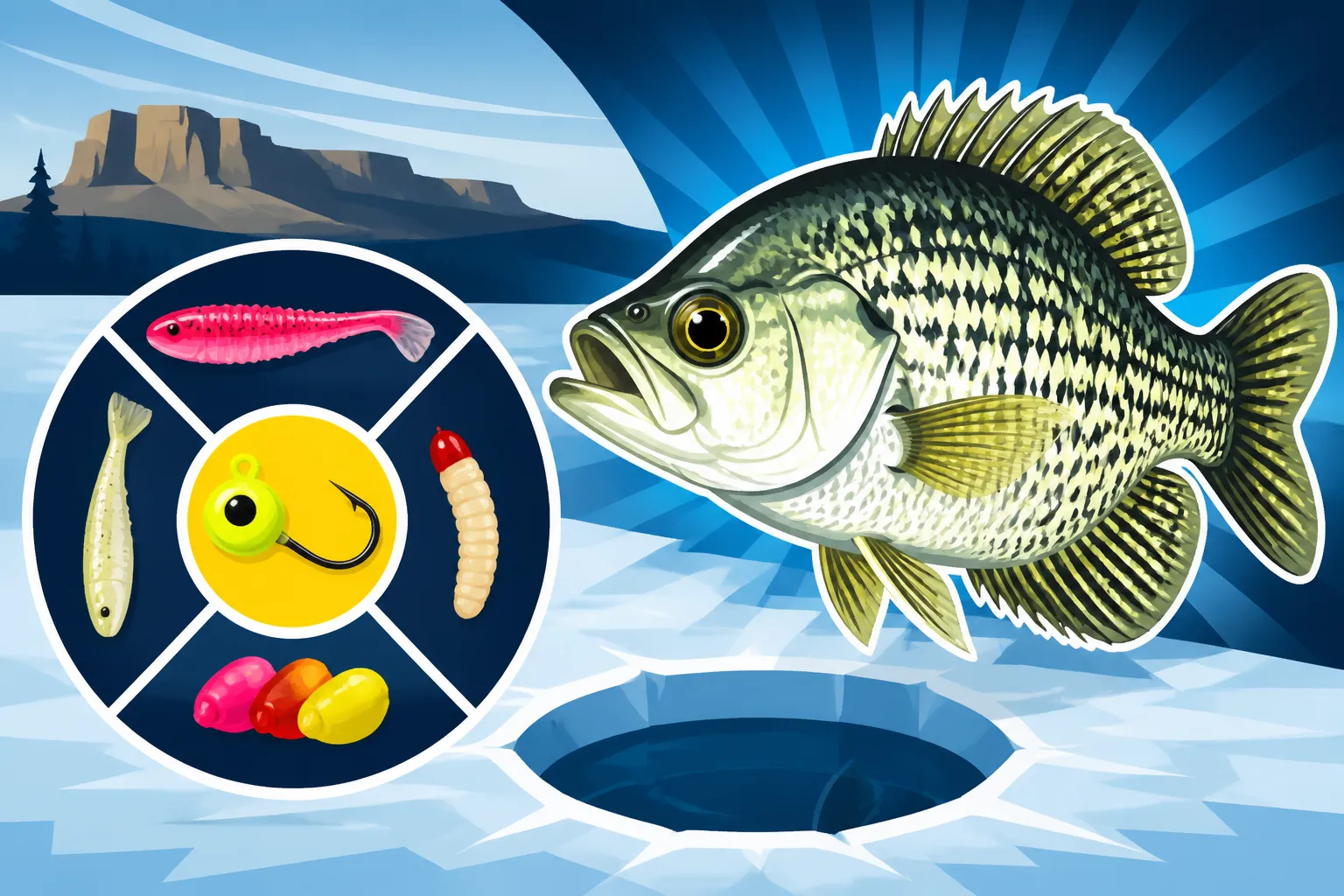
This category is probably the most versatile for ice fishing crappie. Micro jigs, typically from 1/32nd to 1/100th of an ounce, are designed to be fished slowly and subtly. When paired with tiny plastic tails, they mimic small insects, minnows, or even fish eggs.
- Jig Head Styles: Tear-drop jigs, ball jigs, and horizontal jigs are common. Tear-drop jigs often hang vertically, which is great for tipping with a single grub, while horizontal jigs present a broader profile and can have more erratic action.
- Plastic Tail Shapes: The variety is astounding!
- Paddle Tails: These have a small paddle at the end that vibrates with even the slightest movement, imitating a swimming minnow.
- Grub Tails: Curled tails that offer a continuous wriggling action, ideal for slow lifts and drops.
- Pin Tails/Straight Tails: These provide very subtle, often quivering action, perfect for extremely finicky crappie that are easily spooked by aggressive movements.
- Tube Jigs: Small, hollow tubes with tentacles that flare out, providing a good profile and tempting action.
Colors are crucial here (more on that later), but generally, natural colors like white, chartreuse, black, or grey mimic existing forage. Brighter colors can be effective in stained water or to trigger aggressive bites. When shopping online, a quick search on Amazon for "crappie ice fishing jigs" will reveal countless options, often in multi-packs, letting you experiment with different styles and colors without breaking the bank. For tips on other species, you might find our Best Bait for Ice Fishing Perch article helpful, as some of the same micro jigs work for both.
Spoon Jigs and Jigging Raps
For crappie that are a bit more active, or when you're trying to call them in from a wider area, spoon jigs and jigging raps (or similar minnow-profile baits) can be incredibly effective. These baits have more weight and a different action than micro jigs, allowing for faster drops and more aggressive jigging patterns.
- Spoon Jigs: These are typically small, slender metal spoons that flutter and flash on the drop, mimicking a dying baitfish. They often have a single hook on the bottom, or sometimes a treble hook. Many anglers tip them with a minnow head, a waxworm, or a spike for added scent and appeal. The flash and vibration can attract crappie from a distance, making them a great "search bait." Once you've located a school, you can often switch to a smaller, more subtle bait to seal the deal.
- Jigging Raps (or Lipless Crankbaits designed for vertical jigging): These baits are designed to swim in circles when jigged vertically, mimicking a wounded baitfish darting erratically. They come in various sizes, but for crappie, stick to the smallest ones (often 2-3 cm or 1-1.5 inches). The "darting" action can trigger reaction strikes from crappie that might ignore a slower presentation. These are particularly effective when the crappie are suspended off the bottom and actively feeding. Again, Amazon is a fantastic place to browse the different brands and styles available, letting you read reviews and compare features.
Choosing the Right Bait Size and Color
This is where many anglers get stumped. There are so many options! But by considering the conditions and the crappie's mood, you can narrow down your choices significantly.
Matching the Hatch (or Close to It!)
The most fundamental rule of bait selection is to try and imitate what the fish are already eating. In South Dakota's frozen waters, this typically means small offerings. If you've been catching crappie and notice tiny minnows or larvae in their stomachs, that's your cue.
- Tiny Baits for Tiny Appetites: When crappie are sluggish, go small. Jigs weighing 1/64 to 1/100 ounce with 1-inch plastics or single waxworms are often the ticket. They require minimal effort for the crappie to inhale.
- Slightly Larger for Aggressive Fish: If the fish are active and chasing, you can bump up to a 1/32 ounce jig with a 1.5-inch plastic, or a larger minnow on a small spoon. These larger profiles offer more visibility and vibration to grab their attention.
Remember, bigger isn't always better, especially through the ice. A crappie might strike at a larger bait out of aggression, but it might not commit to swallowing it if it's not truly hungry.
The Color Conundrum
Color can be surprisingly important, and it often comes down to water clarity and light conditions. There's no single "best" color for crappie, so having a variety in your tackle box is smart.
- Natural Colors (White, Silver, Grey, Black): These colors often work best in clear water and on bright, sunny days when crappie have good visibility. White or silver can imitate minnows, while black can mimic insects or leeches.
- Bright Colors (Chartreuse, Orange, Pink, Glow-in-the-Dark): These are fantastic for stained or murky water, low-light conditions (overcast days, dawn/dusk, or deep water), or even as a "reaction strike" trigger. The bright hues provide contrast and make the bait more visible. Glow-in-the-dark baits are practically mandatory for deeper water or night fishing. Many anglers swear by a glow jig tipped with a waxworm.
- Combinations: Don't forget combinations! A chartreuse jig head with a white plastic tail, or a black jig with a chartreuse tip, can often offer the best of both worlds—natural appeal with a splash of attention-grabbing color.
Experimentation is key. Start with a color that makes sense for the water conditions, and if you're not getting bites, switch it up. Sometimes a subtle change is all it takes.
Presentation is Key: Making Your Bait Irresistible
Even the best bait is useless if it's not presented correctly. Ice fishing for crappie is a game of finesse and patience. They aren't going to chase your bait down like a bass in summer.
Subtle Jigs and Gentle Twitches
When crappie are lethargic, aggressive jigging will often spook them rather than entice them. The most effective presentations are often the most subtle.
- Dead Sticking: Sometimes, the best action is no action at all. Drop your bait to the desired depth and let it sit perfectly still for extended periods. A crappie might just swim by and inhale it without a second thought. This is particularly effective with live minnows.
- Micro Jigs: With micro jigs and soft plastics, think tiny twitches. Lift your rod tip just an inch or two, let the bait fall naturally, and pause. Repeat. The goal is to make the bait quiver and dance ever so slightly, mimicking a struggling insect or a dying minnow. Too much movement, and they'll get suspicious.
- Vertical Jigs and Spoons: Even with these more active baits, less is often more. A gentle lift and a controlled fall can create enough flash and vibration to draw them in. Once they appear on your fish finder, reduce the aggression and switch to more subtle movements, or even dead-stick the bait. Remember to use a sensitive flasher unit for ice fishing, as detailed in our Best Fish Finders for Ice Fishing guide, to see how the fish react to your presentation in real-time.
Setting the Hook: The Light Crappie Bite
Crappie bites through the ice can be incredibly subtle. It's rarely a hard thud like a walleye; more often, it's a slight pause in the line, a faint tap, or simply a feeling of "weight" when you lift your rod. This is why sensitive gear is so important.
- Watch Your Line: Your line is often the best indicator. If it suddenly goes slack, twitches, or starts to move horizontally, set the hook!
- Feel the Weight: When you lift your rod to jig, pay attention to any unusual resistance. Crappie will often inhale the bait and just sit there, making your bait feel "heavy."
- Spring Bobbers: Many ice anglers use spring bobbers, which are tiny, highly sensitive indicators attached to the rod tip. They magnify even the slightest movement, making those light crappie bites much easier to detect.
A quick, gentle upward sweep of the rod tip is usually all it takes to set the hook on a crappie's paper-thin mouth. Be ready, because a slight hesitation can mean a missed fish!
Essential Gear for Presenting Crappie Baits
Having the right bait is only half the battle; the other half is presenting it effectively with the right tools. Your rod, reel, and line all play a crucial role in feeling those light bites and keeping crappie hooked. For a full rundown on general equipment, check out our Ice Fishing Gear Basics for Beginners article.
Ultra-Light Rods and Sensitive Tips
When targeting crappie through the ice, sensitivity is paramount.
- Rod Power: An ultra-light or light power rod is ideal. These rods bend significantly with minimal pressure, allowing them to load up even on a small crappie and absorb head shakes.
- Rod Action: A "fast" or "extra-fast" action means the rod bends primarily in the tip section, giving you incredible sensitivity to detect light bites and allowing for quick hook sets. Conversely, a "moderate" or "slow" action rod bends more throughout the blank, which can be useful for absorbing aggressive runs from larger fish, but might hinder bite detection for crappie.
- Rod Length: Shorter rods, typically 24-30 inches, are perfect for ice fishing as they give you precise control in a small fishing shelter or when kneeling over a hole. Look for specialized "panfish" or "crappie" ice rods. Many excellent options are available on Amazon from brands known for their ice fishing specific gear.
Thin Line for Finesse
Your fishing line is the direct connection to your bait, and for crappie, thinner is almost always better.
- Line Diameter: Use very light line, typically 2 to 4-pound test monofilament or fluorocarbon. The thinner diameter means less visibility in the water, less water resistance (allowing your small baits to sink naturally), and increased sensitivity.
- Monofilament: A classic choice, monofilament is affordable, has good knot strength, and offers some stretch, which can be forgiving on a crappie's soft mouth. However, its stretch also means slightly less sensitivity.
- Fluorocarbon: Fast becoming a favorite for ice anglers, fluorocarbon is nearly invisible underwater, extremely sensitive, and sinks quickly. It has less stretch than mono, which translates to better bite detection. For deeper water fishing on lakes like Lake Sharpe, fluorocarbon is often the way to go.
- Braided Line (with leader): Some anglers prefer the ultimate sensitivity and zero stretch of braided line. If you go this route, always tie on a 2-4 foot leader of clear fluorocarbon or monofilament to the end of your braid. Crappie are often line-shy, especially in clear South Dakota waters.
Crappie Ice Bait Comparison Table
To help you visualize your options, here's a quick comparison of popular crappie ice baits:
| Bait Type | Pros | Cons | Ideal Situations |
|---|---|---|---|
| Live Minnows | Natural scent & action, entices bigger crappie, very effective on slow days | Messy, requires aeration, can die easily, sometimes harder to find | Finicky crappie, targeting trophy fish, early/late ice conditions |
| Waxworms/Spikes | Excellent natural scent, irresistible to panfish, easy to store | Smaller profile (may not attract larger fish), can get chewed off easily | Very finicky crappie, clear water, low-pressure situations |
| Micro Jigs + Plastic | Versatile, wide range of colors/shapes, durable, always ready | No natural scent (unless pre-scented), requires good presentation skill | Active crappie, searching for fish, stained water |
| Spoon Jigs | Flash & vibration attract from distance, good for reaction bites | Can be too aggressive for very finicky fish, heavier | Active crappie, deeper water, attracting fish from a distance |
| Jigging Raps | Erratic darting action triggers strikes, covers water efficiently | Can be too aggressive, higher cost per bait, not always ideal for tiny fish | Aggressive crappie, suspended fish, searching for schools |
The beauty of ice fishing in South Dakota is the opportunity to explore different strategies and find what works for you on any given day. From the subtle dance of a single waxworm to the darting action of a jigging rap, the right bait, paired with careful presentation and the right gear, will undoubtedly put more crappie on the ice for you.
Disclaimer
This article is for general informational purposes only and does not constitute professional advice. Laws, prices and regulations vary by location and change over time. Consult a qualified professional for guidance on your specific situation.