Where the Missouri River Enters South Dakota
For many anglers, finding that perfect fishing spot is like discovering a hidden treasure, but sometimes just knowing where a major river begins its journey through a state can be surprisingly tricky. You might be planning a trip to the vast waters of the Missouri River in South Dakota, only to realize you're not entirely sure where the state line truly intersects this mighty waterway. This guide is here to clear up that confusion, providing you with all the details on where the Missouri River enters South Dakota and what that means for your fishing adventures.
Pinpointing the Missouri River's Entry into South Dakota
The Missouri River, often referred to as the "Big Muddy," is a monumental force that shapes the landscape and fishing opportunities across several states. For South Dakota, it's not just a river; it's the very backbone of much of its prime fishing territory. Understanding precisely where it first graces our state's borders is crucial for anyone looking to explore its northernmost reaches.
The Northern Border Crossing
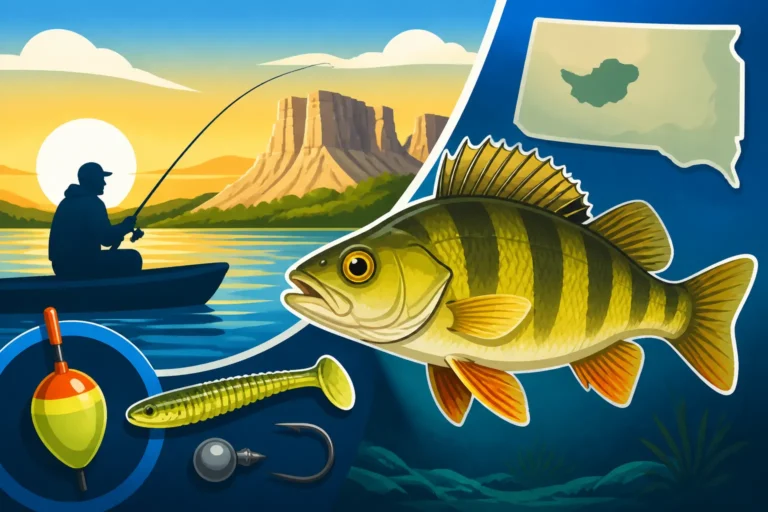
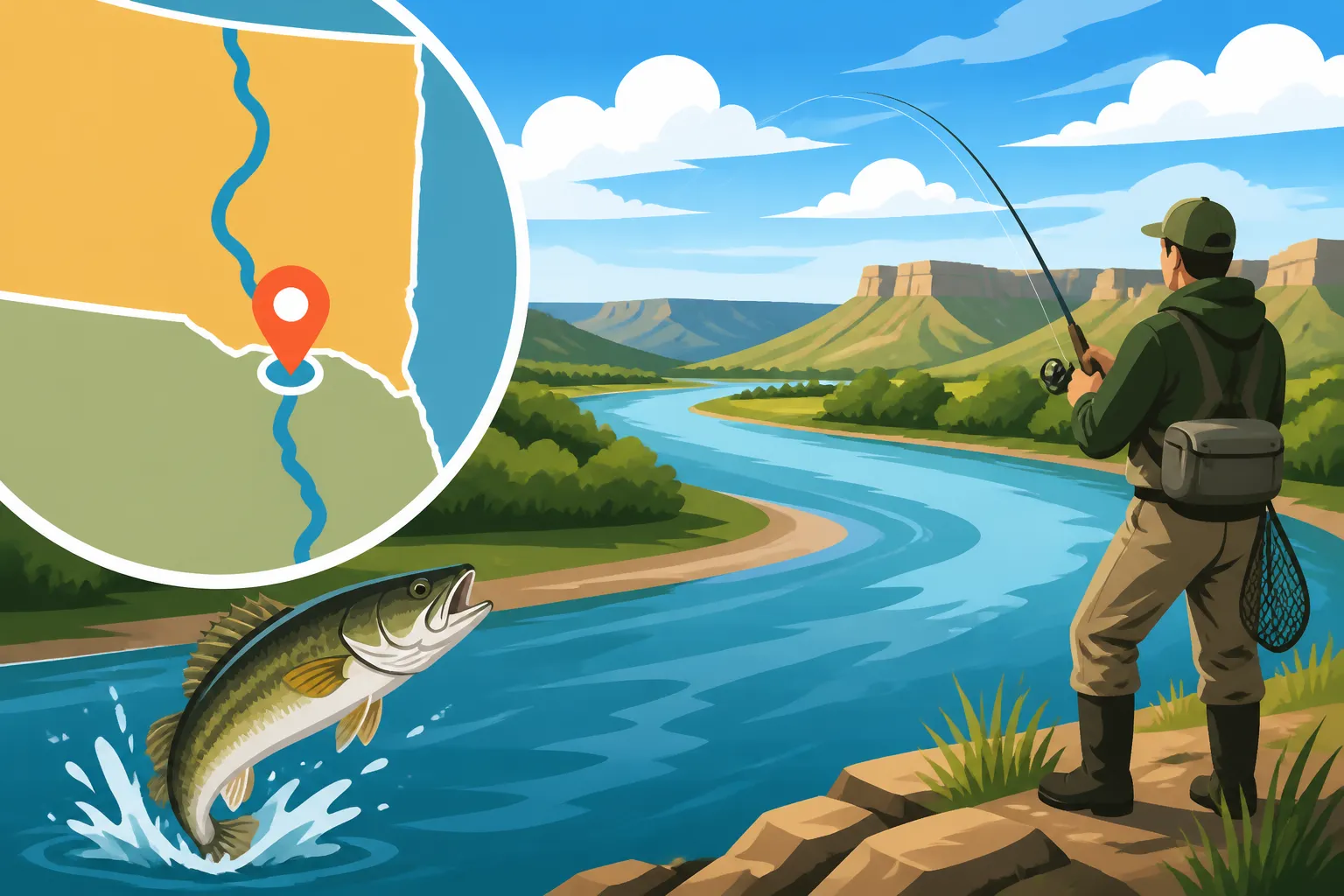
The Missouri River officially enters South Dakota from North Dakota at approximately the 45th parallel, specifically near the town of Pollock, South Dakota, and its North Dakota counterpart, the Standing Rock Indian Reservation boundary. Imagine a line drawn straight west from the North Dakota state line; that's roughly where the river makes its grand entrance. This area is characterized by vast open country, rolling prairies, and the beginning of the massive impoundments that define the Missouri River in South Dakota. When you're standing on the banks or launching a boat near Pollock, you're literally at the gateway to the South Dakota stretch of this incredible river.
This geographical entry point has significant implications for anglers. Firstly, it means that fishing here requires a valid South Dakota fishing license. If you're coming down from North Dakota, you need to be aware of the exact boundary to ensure you're compliant with regulations. Secondly, the river's character changes as it flows south, transitioning from a more natural, winding river channel in its initial stretches to the wide, expansive waters of Lake Oahe, the first of the four mainstem Missouri River reservoirs in South Dakota. The waters immediately downstream from the state line, around Pollock and then down to Mobridge, are still technically considered part of Lake Oahe, though they retain some riverine qualities, especially in higher flow years. This confluence of river and reservoir characteristics creates unique habitats that attract a wide variety of fish, making this northern entry point a fantastic area to explore.
Historical and Ecological Significance
The Missouri River's entry into South Dakota is not just a point on a map; it's a place steeped in history and ecological importance. Historically, this region was vital to Native American tribes, serving as a primary transportation route and a source of sustenance. The river's flow dictates the rhythm of life along its banks, influencing everything from tribal fishing practices to early European exploration. Lewis and Clark navigated these very waters, documenting the rich biodiversity they encountered.
Ecologically, the upper Missouri River corridor acts as a vital artery for wildlife. As the river flows into South Dakota, it brings with it the lifeblood of the prairie ecosystem. The transition from free-flowing river to reservoir influences water temperatures, current patterns, and the availability of forage. This particular stretch is critical for the spawning and rearing of various fish species. For example, the influx of nutrients and the diverse bottom structure here provide excellent habitat for baitfish, which in turn support robust populations of predatory species like walleye and northern pike. Understanding this ecological dance helps anglers appreciate the delicate balance of the river and choose their fishing locations and techniques more wisely. The health of these waters at the entry point is indicative of the overall health of the entire Missouri River system within the state, making conservation efforts here paramount.
The Upper Missouri River in South Dakota: A Fishing Hotspot
Once the Missouri River crosses into South Dakota, it immediately presents itself as a prime fishing destination. The waters here, specifically the upper reaches of Lake Oahe, offer some of the most exciting and productive fishing experiences in the state. This expansive reservoir begins its impressive journey right here, setting the stage for incredible angling opportunities.
Key Fish Species to Target in the Northern Stretch
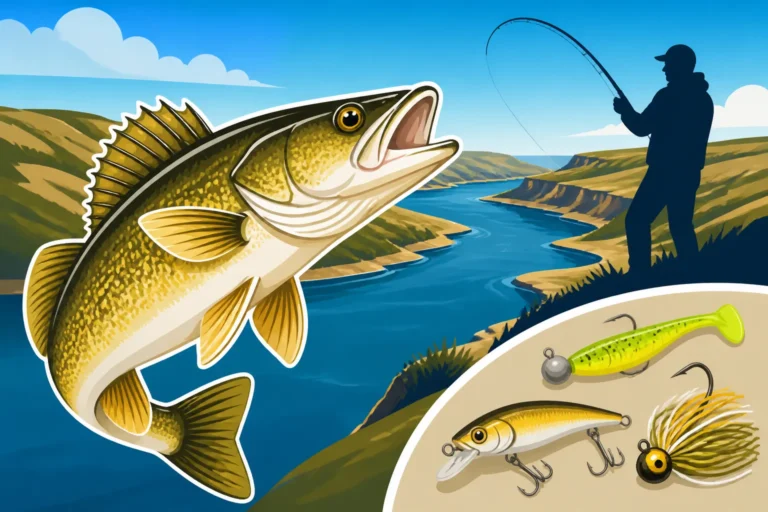
This northern section of the Missouri River, particularly around the towns of Pollock and Mobridge, is an absolute magnet for several sought-after species. Walleye are undoubtedly the stars of the show. These cunning predators thrive in the clear to slightly stained waters and diverse bottom structures of Lake Oahe. Anglers can expect to find them relating to main river channel breaks, submerged points, and vast flats where baitfish congregate. The spring and fall offer exceptional walleye fishing here, with fish moving into shallower feeding grounds, while summer sees them move deeper, often requiring trolling techniques.
Beyond walleye, the northern Missouri River is also renowned for its Northern Pike. These aggressive fish lurk in areas with submerged vegetation or standing timber, particularly in some of the shallower bays and backwaters that branch off the main channel. Early spring and late fall are prime times to target these toothy critters, often with large spoons or spinnerbaits. Catfish, particularly channel catfish, are also abundant throughout this stretch. They prefer muddier bottoms and can be found in deeper holes or near current breaks. Night fishing with stink bait or cut bait can be incredibly productive for channel catfish here. Occasionally, anglers might also encounter Smallmouth Bass, especially around rocky structures or riprap near bridges and causeways, although their populations are more prominent further downstream in the reservoirs. If you're looking for an unforgettable fishing trip, whether for walleye or pike, the upper Missouri is a top choice, and finding an experienced guide through services like FishingBooker can significantly enhance your chances of success.
Access Points and Recreation Areas
Accessing these rich fishing grounds is relatively straightforward, with several well-maintained public access points and recreation areas conveniently located near the river's entry. In the immediate vicinity of the state line, the town of Pollock offers boat ramps and local amenities, making it a convenient staging point for northern excursions. Just a short drive south, Mobridge serves as a major hub for Lake Oahe fishing. Mobridge features multiple full-service marinas, public boat ramps, bait shops, and lodging, making it an excellent base camp for multi-day trips. The Indian Creek Recreation Area, just south of Mobridge, is another popular spot, offering camping, boat ramps, and fantastic access to prime walleye waters.
For those unfamiliar with the vastness of Lake Oahe, these access points are invaluable. They provide not just a place to launch your boat, but also information on local conditions, bait availability, and sometimes even guide services. Exploring these waters on your own can be an adventure, but for those seeking local expertise, booking a guided trip through platforms like FishingBooker ensures you hit the best spots and learn the nuances of fishing this unique section of the Missouri River. Remember, while these spots offer great access, always check the current water levels and conditions before heading out, as they can fluctuate significantly depending on dam operations and seasonal rainfall.
Navigating Regulations and Cross-Border Considerations
Fishing the Missouri River in South Dakota, especially near its entry point, requires a solid understanding of the local regulations. It's not just about knowing where the fish are; it's also about understanding the rules of the game to ensure a legal and enjoyable experience. The boundary waters aspect can sometimes add a layer of complexity that new anglers might not anticipate.
South Dakota Fishing License Requirements
The golden rule for fishing in South Dakota is simple: if you're 16 years of age or older, you need a valid South Dakota fishing license. This applies whether you're a resident or a non-resident, and it's strictly enforced, even in the remote reaches of the upper Missouri. There are various license options available, from annual licenses for those who plan to visit frequently, to shorter-term licenses like the South Dakota One-Day Fishing License or South Dakota Three-Day Fishing License for those on a quick trip. Non-residents, in particular, should pay close attention to the specific requirements detailed in our South Dakota Nonresident Fishing License Rules guide.
You can easily purchase a license online through the South Dakota Game, Fish and Parks (GFP) website, at GFP offices, or from many bait shops and sporting goods stores across the state. In addition to a general fishing license, certain areas or species might have special stamp requirements, although this is less common for general Missouri River fishing compared to, say, trout fishing in the Black Hills. Always carry your license with you while fishing, as game wardens frequently patrol these waters to ensure compliance. A quick check of the current South Dakota Fishing Regulations Explained before your trip can save you a lot of hassle and ensure you're aware of any recent changes to limits or seasons.
Reciprocity and Boundary Waters
The question of reciprocity agreements with North Dakota is a common one, given the river forms a shared border. For the upper Missouri River, near where it enters South Dakota, there is generally no direct reciprocity agreement that allows a North Dakota license to be used in South Dakota waters, or vice-versa, on the mainstem river. This means that if you are fishing on the South Dakota side of the river, or within South Dakota's designated waters, you must possess a South Dakota fishing license. If you drift across the invisible state line into North Dakota waters, you would technically need a North Dakota license.
This can sometimes lead to confusion, especially for anglers who are unfamiliar with the exact boundaries or who are fishing from a boat that might inadvertently cross between states. The general advice is to ensure you have the appropriate license for the state where you intend to fish predominantly. If you plan to explore both sides, it's safest to acquire both a South Dakota and a North Dakota fishing license to avoid any potential issues. This might seem like a bit of a bureaucratic hurdle, but it's a necessary step to protect the fisheries and ensure proper management by both states. Understanding these nuances is part of being a responsible angler, and it helps preserve the fantastic fishing opportunities found along the entire Missouri River corridor.
Fishing Techniques for the Upper Missouri River
Fishing the vast and dynamic waters of the upper Missouri River, particularly where it starts its South Dakota journey, requires a blend of adaptable techniques. The sheer size of Lake Oahe's upper reaches, combined with the lingering influence of river currents, means that a one-size-fits-all approach just won't cut it. Anglers who find consistent success here are those who understand the seasonal movements of fish and can adjust their tactics accordingly.
Effective Strategies for Walleye and Pike
When it comes to walleye in the upper Missouri River, versatility is key. In the early spring, as water temperatures rise, walleye often move into shallower areas, especially mud flats and points, to feed after the spawn. At this time, casting jigs tipped with a minnow or soft plastic is incredibly effective. Drifting with live bait rigs, such as a Slow Death Rig Technique for Walleye with a nightcrawler, can also be deadly when fish are scattered. As summer progresses, walleye tend to move deeper, following the baitfish into the main river channel and over submerged humps and breaks. This is when trolling crankbaits becomes a dominant technique. Matching the crankbait's dive curve to the depth where fish are holding is crucial, and utilizing electronics to find structure and baitfish schools is paramount. You'll want to experiment with various colors and sizes, but natural baitfish patterns often excel. Fall brings another surge of shallow-water activity as walleye aggressively feed before winter, making jigging and casting crankbaits effective once again. For a deeper dive into targeting these fish, our How to Fish for Walleye in South Dakota guide offers even more insights.
Northern Pike, on the other hand, often prefer areas with some form of cover. In the upper Missouri, this can mean areas with submerged trees, weed beds in shallower bays, or even significant rock piles. Early spring is fantastic for targeting pike when they are shallow and aggressive. Large spinnerbaits, spoons, and swimbaits cast into these areas can provoke powerful strikes. As the water warms, pike may retreat to cooler, deeper pockets but will still venture into shallower feeding zones during low-light conditions. Trolling large crankbaits or even live bait (where legal) can be effective for covering water and finding active pike. Remember, pike have sharp teeth, so using a steel leader or heavy fluorocarbon is highly recommended to prevent bite-offs. If you're specifically after these aggressive predators, our South Dakota Northern Pike Fishing Guide offers more specialized tactics.
Essential Gear and Tackle
Having the right gear makes all the difference when tackling the upper Missouri River. For walleye, a medium-light to medium power spinning rod, around 6'6" to 7' feet long, paired with a reliable spinning reel spooled with 8-10 lb test braided line and a fluorocarbon leader, is a versatile setup. This combination allows for sensitive jigging, effective casting, and enough backbone for trolling lighter crankbaits. For heavier trolling applications, a medium to medium-heavy action casting rod, around 7' to 8'6" feet, with a baitcasting reel and 10-15 lb monofilament or braided line, will handle larger crankbaits and deeper depths. A good quality fish finder is non-negotiable on these expansive waters; units with side imaging and down imaging can help you locate subtle structure and schools of baitfish, which are crucial for finding active walleye.
For northern pike, a medium-heavy to heavy power casting or spinning rod, 7 to 8 feet long, coupled with a robust reel and 20-30 lb braided line, is ideal. Don't forget those steel or heavy fluorocarbon leaders, typically 30-50 lb test, to prevent your line from being severed by their razor-sharp teeth. Lures such as 1/2 to 1 oz spinnerbaits, 3/4 to 1.5 oz spoons (like Daredevils or Five of Diamonds), and various soft plastic swimbaits from 4-8 inches are essential. A sturdy net with a rubberized mesh is also highly recommended for safely landing both walleye and pike, minimizing harm to the fish and making hook removal easier. Always consult a comprehensive South Dakota Fishing Gear Checklist before your trip to ensure you haven't forgotten anything vital.
Upper Missouri River Near Entry Fishing Hotspots & Species
| Location/Area (Near SD Entry) | Primary Target Species | Common Techniques | Notes & Access |
|---|---|---|---|
| Pollock Area (State Line) | Walleye, Northern Pike, Catfish | Jigging, Live Bait Rigs, Trolling (shallow) | Boat ramps, limited amenities. Riverine qualities. |
| Mobridge Area | Walleye, Northern Pike, Catfish, Smallmouth Bass | Trolling, Jigging, Live Bait Rigs, Casting | Major hub with full services (marinas, bait, lodging). Indian Creek Recreation Area nearby. |
| Cheyenne River Arm (upper) | Walleye, Northern Pike, Catfish | Trolling, Jigging | Large arm of Lake Oahe, less current, good for pike. |
| Main Channel Breaks (upper Oahe) | Walleye, Catfish | Trolling, Jigging, Bottom Rigs | Deep water access points, follow contour lines. |
Disclaimer
Please note that fishing regulations, conditions, and fish populations can change. Always consult the most current South Dakota Game, Fish and Parks (GFP) regulations handbook or their official website before heading out on any fishing trip. This guide is for informational purposes only and does not substitute for official regulations.