Missouri River Catfish Fishing Below Gavins Point Dam
Trying to pin down the best spots and strategies for catching big catfish on the Missouri River, especially below Gavins Point Dam, can feel like a real puzzle. The mighty current, ever-changing water levels, and the sheer vastness of the river can be intimidating for even seasoned anglers. This comprehensive guide will peel back the layers of this dynamic fishery, offering practical advice, specific locations, and proven techniques to help you consistently hook into some fantastic whiskered giants in this incredible stretch of South Dakota water.
Understanding the Unique Environment Below Gavins Point Dam
The Missouri River below Gavins Point Dam is not your average tranquil fishing spot. It's a powerhouse of moving water, carved by the dam's releases and shaped by centuries of natural flow. This environment dictates everything from where the catfish hold to what baits and techniques will be most effective. Ignoring these unique characteristics means you're likely to spend more time untangling snags than fighting fish.
Dam Dynamics and Water Flow
The Gavins Point Dam, a critical component of the Missouri River system, creates a tailwater fishery renowned for its productivity. The dam's primary purpose is flood control, navigation, and power generation, which means the water releases can vary significantly. These fluctuations in current speed and water depth are crucial for catfish anglers. When the dam is releasing a lot of water, the current can be incredibly strong, pushing fish into slack water areas, behind current breaks, or into deeper holes. During periods of lower flow, catfish might spread out more, moving onto flats or into shallower sections. Understanding the dam's release schedule, often available through the U.S. Army Corps of Engineers website, can give you a significant advantage, allowing you to anticipate fish movements and adjust your tactics accordingly. High water typically means the best fishing will be closer to the banks or in scour holes directly below the dam, while lower flows might open up more mid-river opportunities.
Habitat Features and Structure
The bottom of the Missouri River below Gavins Point is a rich tapestry of different structures, all of which can hold catfish. You'll find everything from riprap along the banks, old snags and fallen trees, deep scour holes carved by the current, to sandbars and rocky points. Channel catfish, the most common species here, absolutely love structure that offers protection from the current and ambush points for passing food. Flathead catfish, the true river monsters, are even more structure-oriented, often preferring deep log jams and rocky crevices. Knowing how to "read" the water and identify these key features—whether it's a visible eddy line, a submerged log you spot on your sonar, or simply a change in current speed—is paramount. Tributary mouths, like those from smaller creeks flowing into the Missouri, also create excellent fishing opportunities, depositing baitfish and nutrients that attract catfish. For more general insights into the regulations of this vital waterway, check out our guide on South Dakota Fishing Regulations Explained.
Prime Catfish Hotspots and Access Points
While the entire stretch of river below Gavins Point can hold catfish, some areas are consistently more productive due to their unique combination of current, depth, and structure. Knowing where to start your search saves valuable time and increases your chances of success.
Gavins Point Tailwaters
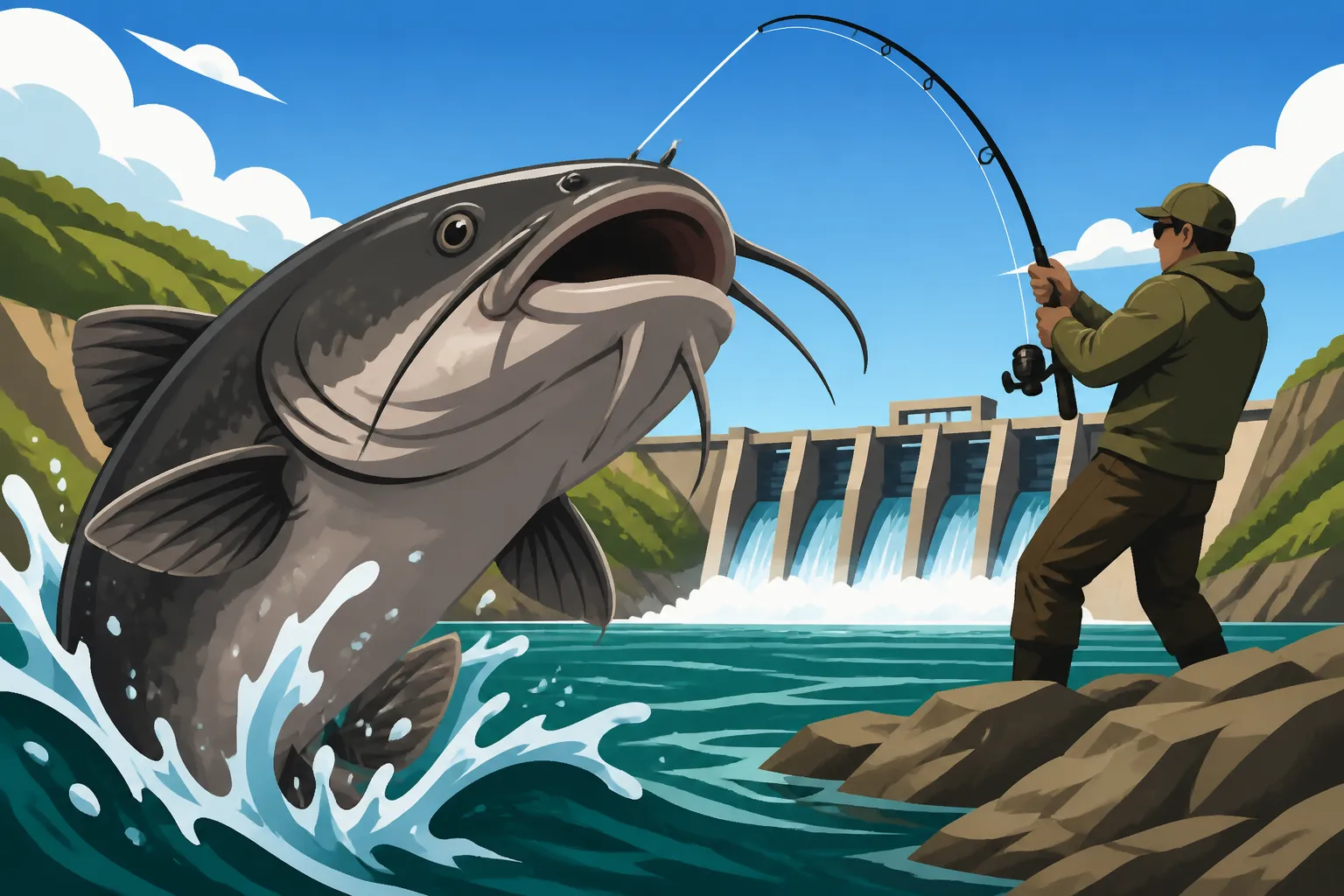
The immediate tailwater section directly below Gavins Point Dam is an absolute catfish magnet. The turbulent, oxygen-rich water combined with the abundance of disoriented baitfish coming through the dam makes it an irresistible feeding ground. This area is particularly famous for large channel catfish, though flatheads are also present. The powerful current here demands heavy tackle and strong anchor setups if fishing from a boat. Shore anglers can often find success by casting into calmer seams or targeting eddies that form along the banks. Public access is generally good, with several designated fishing areas and boat ramps in the vicinity of Yankton, South Dakota. However, be mindful of restricted zones near the dam structure itself. Safety is paramount, especially with the strong currents. If you're planning a trip and need a local expert, many guides listed on platforms like FishingBooker specialize in this exact stretch of the Missouri River and can offer invaluable insights.
Downriver Channels and Eddy Pockets
As you move further downstream from the dam, the river widens, and the current dynamics change. The main river channel will still hold fish, especially in deeper holes and along sharp bends. However, savvy anglers often target the numerous eddy pockets and current seams that form along the banks, around islands, or behind large submerged structures. These calmer areas offer a respite from the main current and allow catfish to conserve energy while waiting for food to drift by. Look for areas where the main current washes into a slower pool; this is often where baitfish gather, attracting hungry catfish. Exploring the river by boat gives you the flexibility to reach these more remote and less pressured spots. Understanding the various Missouri River Fishing Techniques can greatly enhance your success in these diverse environments.
Shore Access and Boat Ramps
For those without a boat, fear not! The area around Gavins Point Dam offers several excellent shore fishing opportunities. The Lewis and Clark Recreation Area near Yankton provides ample bank access, including fishing piers and jetties that extend into the river. These spots allow anglers to cast into deeper water or target current breaks. The tailrace areas below the dam also have accessible banks, but again, always observe signage for restricted areas and prioritize safety. For boaters, several well-maintained public boat ramps are available, including those within the Lewis and Clark Recreation Area, offering easy access to both the tailwaters and the wider river downstream. Before heading out, make sure you're up to speed on the South Dakota Boat Safety Requirements to ensure a smooth and legal outing. These spots can get busy, especially on weekends, so an early start can often make a big difference in securing a good fishing location.
Effective Techniques and Baits for Gavins Point Catfish
Catching catfish consistently below Gavins Point requires a combination of the right bait, appropriate rigging, and a strategic approach to fishing the current. It’s not just about tossing a line in; it's about understanding what triggers a bite in this dynamic environment.
Bait Selection and Rigging
When it comes to catfish in the Missouri River, fresh, smelly bait is almost always king. For channel catfish, traditional stink baits, cut bait (like shad, gizzard shad, or even pieces of carp), chicken livers, and nightcrawlers are highly effective. You can often buy fresh shad from local bait shops in Yankton or catch your own with a cast net in calmer areas. For flathead catfish, live bait is almost essential. Small live sunfish, bluegill, or bullheads are preferred. The livelier the bait, the better, as flatheads are predatory and prefer to ambush live prey. When choosing your bait, think about scent and presentation. A bleeding chunk of cut bait releases a strong scent trail that catfish follow.
Proper rigging is crucial to keep your bait in the strike zone without it being swept away by the current. A slip sinker rig, also known as a Carolina rig, is a go-to. This involves a heavy lead sinker (often 2-6 ounces, depending on current strength) threaded onto your main line, followed by a swivel, and then a 12-24 inch leader with a strong circle hook. The slip sinker allows the current to move the bait naturally while still keeping it on the bottom, and the fish can pick up the bait without feeling the weight of the sinker. Another effective setup, especially in strong current, is a three-way swivel rig, which allows you to attach your sinker on a dropper line and your bait on another, minimizing snags. For specific recommendations, our detailed guide on Best Bait for South Dakota Catfish offers even more insights.
Rod, Reel, and Line Setup
Given the potentially strong currents and the size of catfish found here, robust gear is a must. You'll want medium-heavy to heavy action rods, typically 7 to 9 feet long, capable of handling heavy weights and powerful fish. Ugly Stik rods are popular choices for their durability. Pair these with baitcasting reels that have a strong drag system and high line capacity, such as those from brands like Penn or Abu Garcia. A good quality reel will make reeling in a 20-pound channel cat against the current much less of a struggle.
For main lines, 30-50 lb test monofilament or braided line is recommended. Braided line offers superior sensitivity and strength for its diameter, which can be advantageous in feeling subtle bites in current. However, its lack of stretch can sometimes lead to pulling hooks, and it's less abrasion resistant against rocks than mono. Many anglers opt for a braided main line with a 40-80 lb fluorocarbon or monofilament leader for abrasion resistance and some stretch. Hook sizes generally range from 5/0 to 9/0 circle hooks, depending on the bait size and target species. Circle hooks are fantastic for catfish as they typically hook the fish in the corner of the mouth, reducing gut hooking and making release easier.
Fishing Strategies for Current
Successfully fishing in the Missouri River's current requires patience and strategic thinking. When boat fishing, position your boat upstream of your desired fishing area and use a heavy anchor or multiple anchors to hold your position firmly. This allows you to present your bait naturally as it drifts downstream into key holding areas. Fan casting, where you cast to different angles upstream and allow your bait to drift, helps you cover more water and locate fish. Once you get a bite, try to replicate that cast.
For shore fishing, identify current breaks like eddies, log jams, or submerged rocks. Cast your bait slightly upstream of these areas and let the current carry it down into the calm water where catfish are likely to be resting and feeding. In strong currents, it's often more effective to fish closer to the bank where the current slows down, or target the "seams" where fast and slow water meet. Don't be afraid to experiment with different weights and casting distances until you find the sweet spot where your bait settles correctly on the bottom without immediately getting swept away. Remember, catfishing is often a waiting game, so be prepared to let your baits soak for extended periods. If you're looking for more general South Dakota fishing advice, our South Dakota Fishing License Guide is a great resource.
Seasonal Considerations and Best Times to Fish
The catfish bite below Gavins Point Dam isn't static; it changes with the seasons. Understanding these patterns can significantly increase your catch rates and help you plan your trips for optimal success.
Spring and Early Summer Bounty
Spring, particularly from late April through June, is a prime time for channel catfish below Gavins Point. As water temperatures rise, catfish become more active and begin their pre-spawn feeding frenzy. They're often found in slightly shallower areas, moving out of their wintering holes and onto flats or along channel edges where food sources become more abundant. Cut bait, chicken livers, and stink baits are incredibly effective during this period. The warmer water also means a stronger bite from aggressive fish. This is also a fantastic time to target larger flatheads as they too become more active before their spawn. As the season progresses into early summer, the fishing remains strong, with catfish often congregating in current breaks or deeper scour holes as the dam releases might increase. This period offers some of the best opportunities for quantity and quality. Before you head out, be sure you understand the current Catfish Limits and Size Rules for South Dakota.
| Season | Best Time of Day | Preferred Baits | Typical Location | Notes |
|---|---|---|---|---|
| Spring | Mid-morning/Late Afternoon | Cut Bait, Chicken Liver, Worms | Shallow Flats, Current Seams, Tributary Mouths | Pre-spawn feeding frenzy, strong bite. |
| Early Summer | Evening/Night | Cut Bait, Stink Bait, Live Sunfish | Deeper Holes, Current Breaks, Riprap | Consistent action, flatheads become more active. |
| Mid-Summer | Night | Live Bait (Flatheads), Strong Scent (Channels) | Deep Channels, Log Jams, Bridge Pilings | Night fishing is key, fish seek cooler, deeper water. |
| Fall | Afternoon/Evening | Cut Bait, Worms | Channel Edges, Drop-offs | Fish fattening up for winter, good numbers. |
Mid-Summer Night Bites
While you can certainly catch catfish during the day in mid-summer (July and August), the bite often slows down as water temperatures peak. This is when the serious catfish anglers switch their focus to night fishing. Catfish, especially the larger ones, are primarily nocturnal feeders. They move into shallower feeding grounds under the cover of darkness, making them more accessible. Fishing from dusk until dawn can be incredibly rewarding, offering cooler temperatures for anglers and more active fish. Live bait for flatheads (like a lively bluegill or bullhead) and strong-smelling cut baits for channel cats are the top choices. Focus on areas with good cover like submerged timber or rocky outcrops near deeper water, or along river bends where food gets concentrated. For those looking to optimize their trips, many professional guides on FishingBooker offer specialized night catfishing charters during this time.
Fall Migration and Preparation
As summer fades into fall (September and October), the dropping water temperatures signal a shift in catfish behavior. Fish will begin to feed heavily, preparing for the lean winter months. This can lead to another fantastic period of fishing, often characterized by active fish that are bulking up. Catfish might start to concentrate in deeper holes and channels, especially as the days get shorter and the water cools. They'll still respond well to cut bait and worms. The fall season can be less crowded than the peak summer months, offering a more peaceful angling experience with the added bonus of catching some well-fed catfish. This is also a good time to consider longer stays, and knowing about South Dakota Annual Fishing License options can save you money. As the water gets colder, the bite will eventually slow, and catfish will move into their deep wintering holes, becoming less active until spring. For those interested in year-round opportunities, our guide on South Dakota Fishing Seasons Explained can provide a broader context.
Disclaimer
The information provided in this guide is for general informational purposes only. Fishing regulations, conditions, and fish behavior can change rapidly. Always consult the most current South Dakota Game, Fish and Parks regulations handbook or website before fishing. Ensure you have the proper licenses and stamps, and always prioritize safety on the water.