Hipple Lake Crappie Fishing Report
There's nothing quite like the thrill of finding a hot crappie bite, especially when you're after those elusive "slab" panfish. However, knowing where and when to target these delectable fish can feel like a secret handshake only known by seasoned locals. If you've been wondering about the crappie action on Hipple Lake near Pierre, South Dakota, you've come to the right place. This comprehensive guide will peel back the layers on Hipple Lake, offering an in-depth look at what to expect, how to approach its waters, and the best strategies to put more crappie in your livewell.
Understanding Hipple Lake's Crappie Fishery
Hipple Lake, often considered an extension of Lake Sharpe but with its own unique characteristics, presents a fantastic opportunity for crappie anglers in central South Dakota. Its location, slightly north of Pierre, makes it easily accessible, yet it often holds its own distinct crappie population that can behave differently from those in the main channels of the Missouri River reservoirs.
Lake Characteristics and Crappie Habitat
Hipple Lake itself isn't a massive body of water, but what it lacks in sheer size, it makes up for in diverse and productive crappie habitat. The lake is essentially a large backwater area, connected to Lake Sharpe through channels, which means it experiences some water flow and nutrient exchange but remains somewhat sheltered from the heavier currents of the main stem Missouri River. This sheltered nature allows for the development of vital crappie cover that might be scoured away in more turbulent waters.
You'll find a mix of submerged vegetation, particularly during the warmer months, which provides excellent ambush points for crappie. Weed beds, especially coontail and submerged pondweed, are magnets for baitfish and insect larvae, which in turn draw in hungry crappie. Beyond the soft structure, Hipple Lake also boasts harder features like riprap along causeways and shorelines, as well as submerged timber and brush piles that have accumulated over time. These harder structures provide shade, current breaks, and protection, making them prime locations for crappie to hold, especially during periods of bright sunshine or after cold fronts. Anglers exploring Hipple Lake will want to pay close attention to depth contours, especially any subtle drop-offs or humps, as these transitions can concentrate schools of crappie.
Crappie Species and Size Expectations
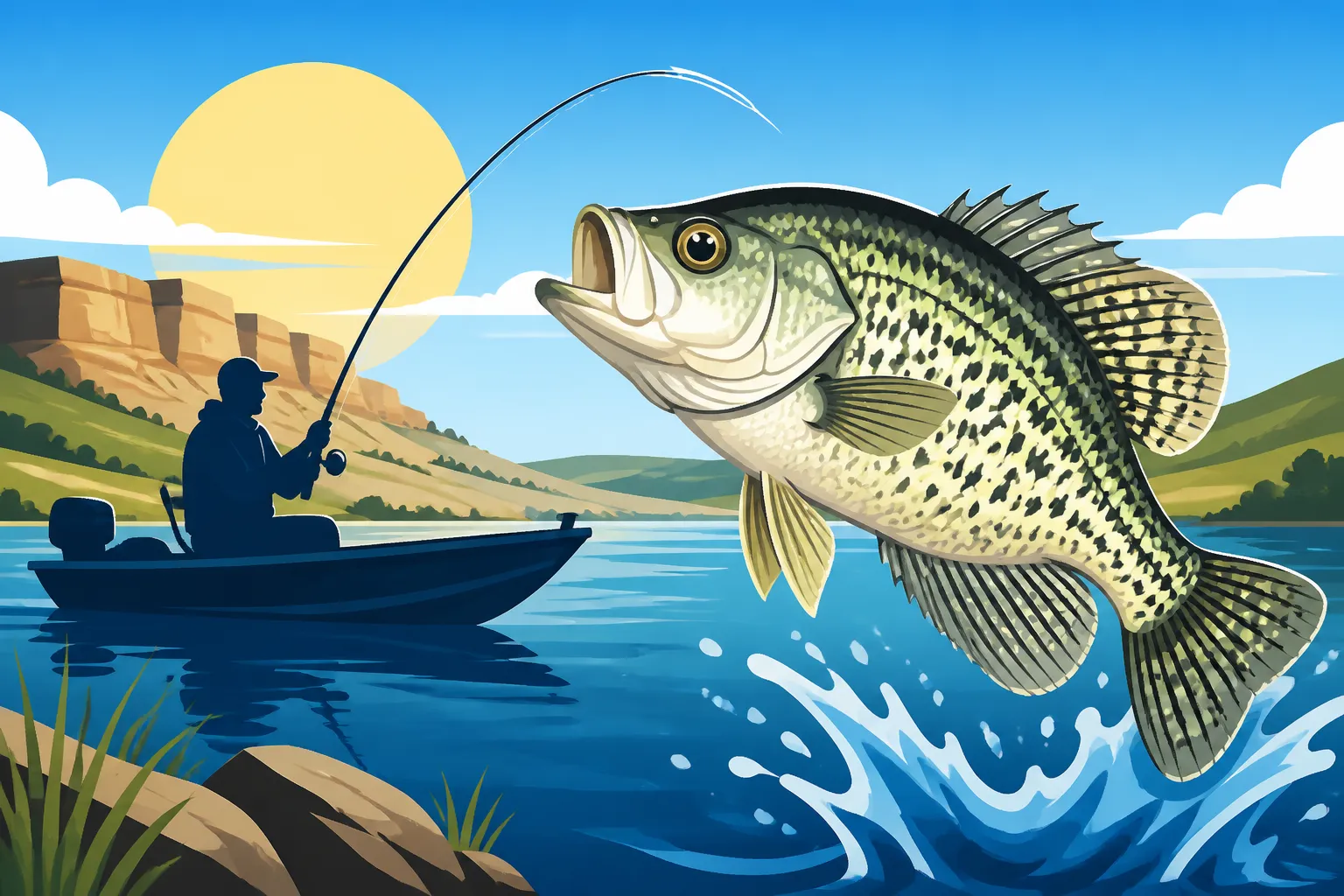
When you're fishing Hipple Lake for crappie, you're primarily going to encounter white crappie, though black crappie can also be present, especially in areas with more vegetation and clearer water. White crappie are generally more tolerant of turbid waters and tend to school in larger numbers, which can lead to some fantastic catches when you find them. Their elongated bodies and vertical bars are distinct, while black crappie are typically deeper-bodied with an irregular speckling pattern.
The crappie in Hipple Lake can range from smaller "keepers" that are perfect for a fish fry, all the way up to impressive "slabs" that will make your reel scream. While not every fish will be a trophy, the potential for catching crappie over 12 inches is certainly there, and anglers frequently report catches of fish in the 10 to 14-inch range. The overall health of the fishery can fluctuate year to year depending on spawn success and forage availability, but the South Dakota Game, Fish and Parks (GFP) works hard to maintain a robust population. For the most current information on average sizes and catch rates, consulting recent local fishing forums or bait shops is always a good idea.
Forage Base and Its Impact
Like all successful fisheries, Hipple Lake's crappie population thrives on a healthy and abundant forage base. Crappie are primarily piscivorous, meaning they feed on other fish, but they also consume a significant amount of invertebrates, especially when they are smaller. In Hipple Lake, their diet largely consists of small minnows like shad, shiners, and juvenile panfish. These baitfish often congregate around the very same weed beds, brush piles, and drop-offs that crappie prefer, creating a natural food chain within the lake.
The availability of this forage directly influences crappie behavior and location. If baitfish are schooling in open water, crappie will often suspend beneath them. If the bait is tight to structure, that's where the crappie will be. Anglers who take the time to locate these baitfish schools, often with the help of modern fish finders, will significantly increase their chances of success. Understanding the crappie's diet also informs lure selection; presentations that mimic the local baitfish, whether it's a small jig-and-minnow combination or a tiny soft plastic swimbait, are almost always effective.
Seasonal Crappie Fishing Strategies on Hipple Lake
Crappie behavior changes dramatically throughout the year in response to water temperature, spawning cycles, and forage movements. To consistently catch fish on Hipple Lake, it's crucial to adapt your strategies to the season.
Spring Crappie Tactics Pre-Spawn and Spawn
Spring is arguably one of the most exciting times to target crappie on Hipple Lake. As the ice melts and water temperatures begin to climb, crappie, like many other species, move from their deeper wintering holes into shallower water in preparation for spawning. This pre-spawn period is characterized by aggressive feeding as they pack on energy for the upcoming reproduction. Look for them in bays, coves, and along warmer, north-facing shorelines where the sun's rays can penetrate and warm the water more quickly.
Once water temperatures reach the upper 50s to low 60s Fahrenheit, crappie will begin to spawn. They seek out protected, shallow areas, often around submerged brush, docks, or deadfall, where males will guard nests. During this time, targeting these shallow areas with small jigs tipped with minnows or soft plastics, fished under a slip bobber, can be incredibly effective. A great technique for this period is to slowly retrieve a small jig-and-minnow combo just above any visible cover. This can provoke a territorial strike from a guarding male crappie or entice a hungry female. Remember to check the regulations outlined in the South Dakota Fishing Regulations Explained for specific dates and limits.
Summer Crappie Tactics Post-Spawn and Deep Water
As spring transitions into the heat of summer, crappie behavior shifts again. After the spawn, many crappie will disperse from the shallows, often retreating to deeper, cooler waters, particularly during the brightest parts of the day. They'll seek out submerged structure such as old creek channels, humps, sharp drop-offs, and dense weed lines that extend into deeper water. Finding these fish can be a bit more challenging as they become less concentrated, but when you locate a school, the action can still be fast and furious.
One effective summer strategy on Hipple Lake is to target crappie that are suspended over deeper water, often relating to schools of baitfish. Trolling small crankbaits or spider rigging with multiple rods, each presenting a live minnow or a small jig at a different depth, can help you locate these roaming schools. Another popular technique, especially during low light conditions or at night, is to use lights to attract baitfish, which in turn draws in crappie. For more on this, you might find our guide on Night Fishing Techniques for Summer Walleye helpful, as similar principles apply to crappie. You can also target them around docks and bridge pilings with vertical jigging techniques. Remember, deeper water is often key when the sun is high and bright.
Fall Crappie Tactics Feeding Frenzy
Fall brings another fantastic crappie bite to Hipple Lake as water temperatures begin to cool, signaling the fish to begin their pre-winter feeding frenzy. Crappie become highly active, aggressively feeding to build up fat reserves for the lean winter months. They will often school up in larger groups and move to prominent structures that still hold baitfish.
During the fall, look for crappie to concentrate around points, channel edges, and deeper submerged timber or brush piles. They might be a bit deeper than their spring haunts but often shallower than their deep summer retreats, making them a bit easier to locate. Trolling with jigs, minnow imitators, or small crankbaits can cover a lot of water and help you find these actively feeding schools. Once you locate them, vertical jigging with a small jig tipped with a minnow or a piece of plastic often triggers continuous bites. It's not uncommon to fill your Crappie and Panfish Possession Limits during a good fall crappie run on Hipple Lake.
Winter Crappie Tactics Ice Fishing
When winter settles over South Dakota, Hipple Lake often becomes a prime destination for ice anglers targeting crappie. Once safe ice forms, typically from late December through February, crappie can be found schooling in predictable patterns. They usually inhabit deeper basin areas, often suspending over or near the bottom, relating to subtle contours, humps, or any remaining submerged structure.
For ice fishing crappie, stealth and patience are key. Use sensitive ultralight rods paired with small reels and light line. Popular baits include small tungsten jigs tipped with wax worms, spikes, or tiny plastic imitators. A flasher or an underwater camera can be invaluable for locating schools of crappie and observing their reactions to your lure presentation. Drill several holes in a grid pattern over potential crappie holding areas to quickly locate active fish. Don't be afraid to move if you're not getting bites; crappie are often nomadic under the ice. Our comprehensive South Dakota Ice Fishing Guide or specific tactics like Best Ice Fishing Techniques for Lake Oahe can provide further insights that are easily adaptable to Hipple Lake's ice fishing scene.
Essential Gear and Techniques for Hipple Lake Crappie
Having the right tools and knowing how to use them can make all the difference between a frustrating day and a successful crappie outing on Hipple Lake.
Rods, Reels, and Line Choices
For crappie fishing, a lightweight, sensitive setup is paramount. You'll want to feel those subtle "taps" that often indicate a crappie bite. An ultralight or light action spinning rod, typically 5 to 7 feet long, with a fast tip, is ideal. This rod length provides good casting distance and excellent feel without being overly cumbersome. Pair this with a small spinning reel (500 to 1000 series) that has a smooth drag system. Brands like Shimano or Daiwa offer reliable ultralight options that balance well with these rods.
When it comes to line, 4 to 6-pound test monofilament or fluorocarbon is generally the go-to. Monofilament offers a bit of stretch, which can be forgiving on light bites, and is often preferred for slip bobber setups. Fluorocarbon, being nearly invisible underwater and having less stretch, provides increased sensitivity and is excellent for direct jigging applications. Some anglers opt for thin braided line (6-10 pound test) for its superior sensitivity and no-stretch properties, often adding a 2-4 foot fluorocarbon leader for stealth. The choice often comes down to personal preference and the specific technique you're employing.
Baits and Lures That Produce
Crappie are not usually picky eaters, but certain baits and lures consistently outperform others on Hipple Lake. Live bait, especially small minnows, are a perennial favorite and incredibly effective. A hooked minnow under a small bobber or on a jig head is hard for a crappie to resist. Wax worms and spikes (maggots) are also excellent for tipping jigs, especially when the bite is tough or during ice fishing.
When it comes to artificial lures, small jigs are king. These typically range from 1/32 to 1/8 ounce, though sometimes heavier jigs are needed for deeper water or windy conditions. Popular jig styles include:
- Tube Jigs: These soft plastic tubes, usually 1 to 2 inches long, have a hollow body that allows water to flow through, giving them a lifelike action. White, chartreuse, pink, and black are common colors.
- Grub Tails: Small, curly-tailed grubs on a jig head provide a constant swimming action on the retrieve.
- Hair Jigs: Made with natural hair, these jigs offer a subtle, pulsating action that can be irresistible to crappie. For some insights, our guide on How to Fish a Hair Jig for Crappie has some great tips.
- Paddle Tail Swimbaits: Tiny paddle-tail plastics, often 1.5 to 2 inches, rigged on a jig head can mimic small baitfish very effectively.
Experiment with different colors and sizes until you find what the crappie are keying in on that particular day. Sometimes a subtle change in color can make a huge difference.
Electronics and Boat Access
Modern fishing electronics can dramatically improve your crappie fishing success on Hipple Lake, especially when trying to locate schools in deeper water or identify subtle structure. A good fish finder with down imaging and/or side imaging capabilities can help you mark baitfish schools, locate brush piles, and identify those crucial depth transitions that attract crappie. Units from brands like Humminbird or Garmin offer excellent clarity and features for anglers of all skill levels. Having a portable unit can also be very handy for ice fishing, as detailed in our guide on Best Fish Finders for South Dakota Lakes.
Accessing Hipple Lake with a boat is straightforward, with several public boat ramps available in the Pierre area. Hipple Lake itself has good access points, and being so close to the state capital means amenities are readily available. These ramps can accommodate everything from small jon boats to larger multi-species boats, making it easy to launch and explore the lake's various crappie hotspots. For more information on general access, check out our piece on Lake Sharpe Fishing at Hipple Lake. For those without a boat, numerous shore fishing opportunities exist, particularly in the spring around public access points and along the riprap causeways.
Navigating Regulations and Best Practices
Fishing in South Dakota comes with responsibilities, and understanding the regulations is crucial for a legal and enjoyable experience on Hipple Lake. Beyond the rules, adopting best practices ensures the health of the fishery for future generations.
Key South Dakota Crappie Regulations
Before you even cast a line, ensure you have a valid South Dakota fishing license. You can find comprehensive details in our South Dakota Fishing License Guide. Once licensed, it's vital to be aware of the specific regulations for crappie, which are subject to change. South Dakota Game, Fish and Parks (GFP) sets daily and possession limits for crappie, and these can sometimes vary by water body. For Hipple Lake, you'll generally follow the statewide regulations, but always double-check the current South Dakota Fishing Handbook or the GFP website.
Typically, the daily limit for crappie is fairly generous, allowing anglers to keep a good number of fish for consumption. However, there are also possession limits, which dictate the maximum number of fish you can have in your possession at any given time, including those at home. Understanding these limits, as covered in our Crappie and Panfish Possession Limits article, is critical to avoid violations. Always measure your fish carefully if there are size restrictions, and know the difference between white and black crappie, as limits can sometimes differ.
Conservation and Responsible Angling
Responsible angling goes beyond simply following the rules; it's about actively contributing to the health and sustainability of the fishery. When you're crappie fishing on Hipple Lake, practice catch and release for fish you don't intend to keep, especially larger "slab" crappie that are valuable spawners. Minimize handling time, use wet hands when touching fish, and consider using barbless hooks to reduce harm.
It's also essential to prevent the spread of aquatic invasive species. Always clean, drain, and dry your boat, trailer, and fishing gear before moving between different water bodies. This helps protect Hipple Lake and other South Dakota waters from threats like zebra mussels and Eurasian watermilfoil. Dispose of all trash properly, pack out what you pack in, and respect private property lines. These small actions collectively make a big difference in preserving the natural beauty and fishing quality of Hipple Lake.
Utilizing Local Resources
For the most up-to-date information on Hipple Lake crappie fishing, local resources are your best friends. The South Dakota Game, Fish and Parks website is an invaluable tool, offering the latest regulations, stocking reports, and sometimes even recent fishing reports. You can usually download the annual South Dakota GFP Fishing Handbook Guide from their site.
Beyond official sources, local bait shops in Pierre are goldmines of information. They often have the most current scoop on what's biting, what baits are working, and where the fish are being caught. Don't be shy about striking up a conversation with the folks behind the counter or fellow anglers at the boat ramp; most are happy to share insights. For a deeper dive into the local scene or if you're looking to maximize your time, consider hiring a local guide. Platforms like FishingBooker can help you connect with experienced fishing guides who specialize in Hipple Lake and the surrounding Missouri River reservoirs. These professionals offer not only their expertise but also the convenience of gear and boat access, making for a truly memorable and productive trip.
Planning Your Hipple Lake Crappie Adventure
A little planning goes a long way in ensuring your Hipple Lake crappie fishing trip is enjoyable and successful. From knowing the best times to visit to considering a guided experience, these tips will help you get organized.
Best Times to Visit
While crappie can be caught year-round on Hipple Lake, certain seasons definitely stand out. Spring (April-May) is often considered peak season, especially during the pre-spawn and spawn, when crappie move shallow and are highly active. Fall (September-October) is another fantastic period, as cooling water temperatures ignite an aggressive feeding bite, and fish often school up in predictable patterns.
Summer can be good, particularly early mornings, late evenings, or during night fishing excursions when crappie move shallower to feed. Ice fishing in winter (December-February) can also be incredibly productive for those willing to brave the cold, offering unique opportunities to target large schools. Monitoring local weather patterns and water temperatures will always give you an edge, as crappie are highly sensitive to these changes.
Lodging and Amenities Near Pierre
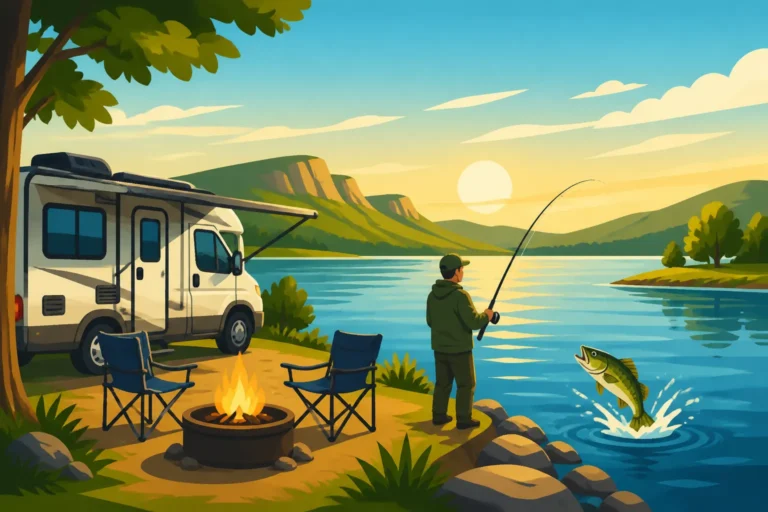
Hipple Lake's proximity to Pierre, the capital city of South Dakota, means that anglers have access to a full range of amenities. You'll find numerous lodging options, from comfortable hotels and motels to quaint bed and breakfasts, and even RV parks and campgrounds if you prefer to rough it a bit. Brands like Ramkota Hotel or ClubHouse Hotel & Suites in Pierre are popular choices for their convenience and amenities.
Beyond accommodation, Pierre offers a variety of dining options, bait and tackle shops (crucial for local intel and last-minute supplies), grocery stores, and other services. This makes Hipple Lake an ideal destination for both day trips and extended fishing vacations, as everything you need is within a short drive. The convenience of having a city nearby means you can focus more on fishing and less on logistics.
Hiring a Local Guide
Especially if you're new to Hipple Lake or South Dakota fishing in general, or if you simply want to maximize your time on the water, hiring a local fishing guide can be an excellent investment. A professional guide brings years of experience, intimate knowledge of the lake's ever-changing conditions, and the ability to put you directly on the fish. They know the current crappie patterns, the most productive techniques, and often have specialized gear that can give you an advantage.
Moreover, a guided trip can be a fantastic learning experience, allowing you to pick up tips and tricks that would take years to acquire on your own. It's also a great way to explore the lake safely and efficiently, without the hassle of bringing your own boat or navigating unfamiliar waters. Platforms like FishingBooker make it incredibly easy to find and book reputable crappie guides in the Pierre area. They provide details on guide services, rates, and customer reviews, helping you choose the perfect expert for your Hipple Lake crappie adventure. Whether you're a seasoned angler or a complete beginner, a guide can turn a good fishing trip into an unforgettable one.
Disclaimer
Please note that fishing regulations, conditions, and fish populations can change. Always consult the latest South Dakota Game, Fish and Parks regulations before heading out on the water. This guide is for informational purposes only and does not replace official state guidelines.