Do Paddleboards Need to Be Registered in South Dakota?
Many folks are flocking to South Dakota's beautiful lakes and rivers with paddleboards, eager to enjoy the tranquility and exercise. But a common question often surfaces, casting a shadow of uncertainty over an otherwise perfect day on the water: do these increasingly popular boards actually need to be registered in South Dakota? It's a valid concern, as navigating watercraft regulations can feel like paddling upstream without a clear current. This guide will cut through the confusion and clarify the registration requirements for paddleboards, ensuring you're compliant and ready to hit the water stress-free.
Understanding South Dakota's Watercraft Registration Laws
It's easy to assume that if it floats and you propel it yourself, it's exempt from all the official paperwork. After all, a paddleboard feels so simple, so natural, almost like an extension of yourself on the water. But the reality is that states, including our beloved South Dakota, have specific definitions for what constitutes a "vessel" and what requires registration. These rules are in place not to make your life harder, but for safety, identification, and to help fund the management and maintenance of our incredible waterways.
What Constitutes a "Vessel" or "Watercraft"?
In South Dakota, the definition of a "vessel" or "watercraft" is quite broad, designed to encompass almost anything that floats and is used for transportation on the water. This can be where the confusion starts for paddleboarders. You might picture a big fishing boat or a pontoon when you hear "watercraft," not a sleek board you stand on. However, legal definitions often cast a wider net than our personal perceptions. Generally, a vessel is anything used or capable of being used as a means of transportation on water, and this includes boats, canoes, kayaks, and, yes, even certain types of paddleboards. The key distinction often comes down to how it's propelled and what kind of motor, if any, is attached.
The South Dakota Game, Fish and Parks (GFP) Department is the authority on these regulations, and their guidelines are what every angler and recreational boater needs to follow. Their aim is to ensure all water users are accounted for, especially when it comes to safety and enforcement. Knowing their definitions is the first step in understanding whether your paddleboard falls under the registration umbrella. It’s not just about what you call it, but how the state classifies it. The regulations for South Dakota Boat and Water Access Rules highlight the various requirements across different types of watercraft.
Exemptions to Registration
While the broad definition of a vessel might seem to sweep everything into the registration requirement, there are indeed some crucial exemptions. This is where many paddleboarders find their answer. Typically, many non-motorized vessels fall into an exempted category. Think of your basic canoe, rowboat, or even a simple kayak – these often don't require registration unless they meet certain criteria, like being of a certain length or having a motor attached.
The spirit of these exemptions is usually to free smaller, human-powered craft from the administrative burden, recognizing their minimal impact compared to larger, faster, or motorized vessels. However, these exemptions are not universal for every type of watercraft or in every situation. For instance, sometimes certain lengths might trigger a requirement even for non-motorized vessels, though this is less common for typical paddleboards. It's really about drilling down into the specifics that South Dakota outlines for non-motorized boats to see if your paddleboard fits the bill. You can find detailed information on these topics in resources like the South Dakota Non-Motorized Boat Registration Rules.
The Paddleboard Dilemma: Motorized vs. Non-Motorized
The core of whether your paddleboard needs to be registered in South Dakota boils down to one critical factor: does it have a motor? This is the primary dividing line that will determine your obligations as a paddleboard owner. The rise of electric motors and other propulsion assistance devices for traditionally human-powered craft has definitely muddied the waters for many folks trying to stay compliant.
Non-Motorized Paddleboards and Registration
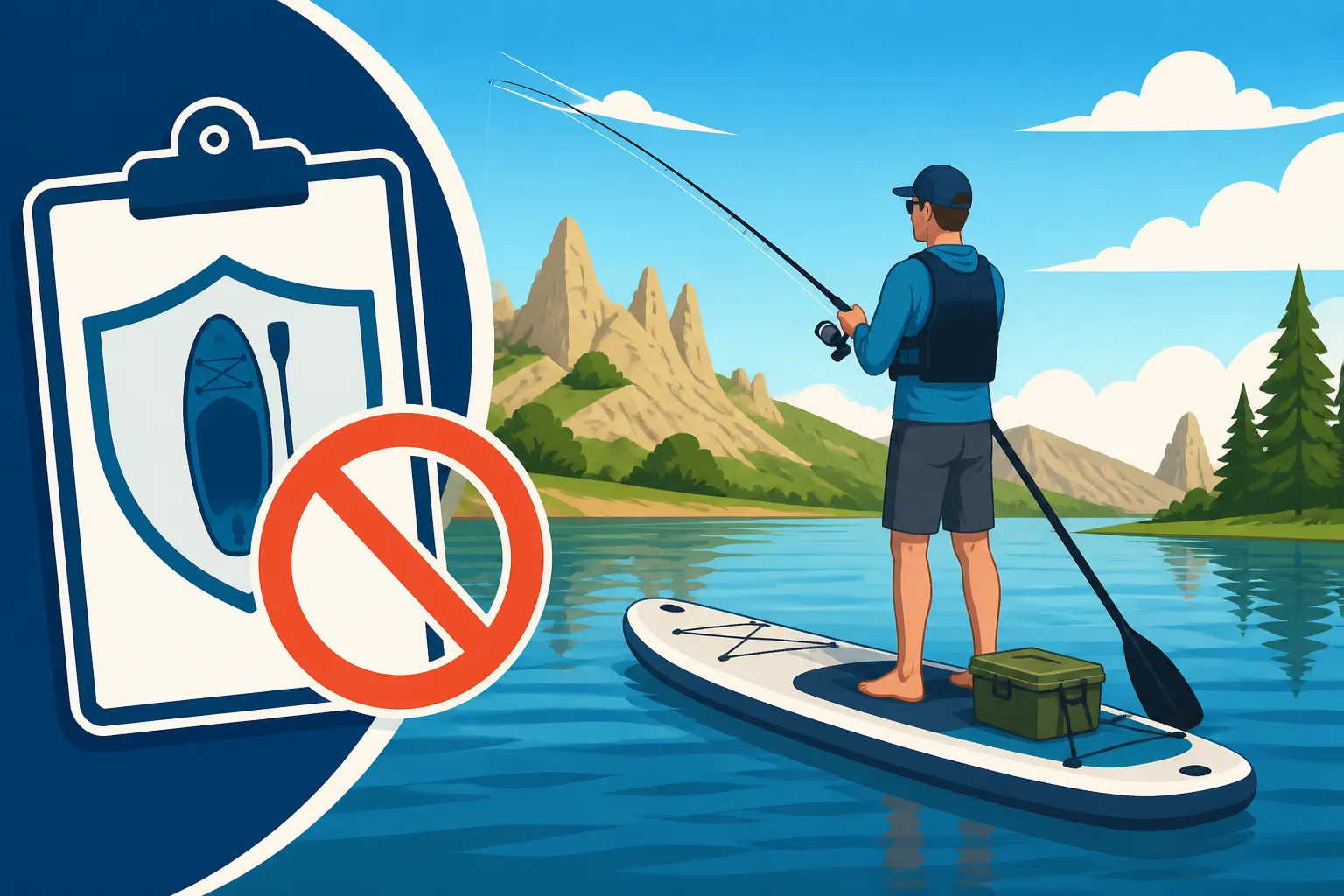
For the vast majority of paddleboards out on the water in South Dakota, the good news is that if your board is solely propelled by you – through paddling, standing, or kneeling – it generally does not need to be registered with the state. This includes most standard stand-up paddleboards (SUPs) that you'd typically buy at a local sporting goods store like Bass Pro Shops or even online at Amazon. They are considered non-motorized, human-powered vessels, much like a traditional canoe or a basic kayak.
This exemption is a huge relief for many who just want to enjoy the simplicity of paddling across the calm waters of Lake Poinsett or exploring the slower stretches of the Big Sioux River. It means less paperwork, fewer fees, and more time enjoying the fresh air. However, while registration might not be required, that doesn't mean no rules apply. You're still obligated to follow all other boating safety regulations, which we'll dive into shortly. Just because it's non-motorized doesn't make it exempt from common-sense safety practices or state-mandated gear requirements.
When a Motor Changes Everything
Here's where the "paddleboard dilemma" truly comes into play. If you decide to attach any kind of motor to your paddleboard, whether it's an electric trolling motor, a small gas outboard, or even a jet propulsion system, then your paddleboard immediately transforms, in the eyes of South Dakota law, into a motorized vessel. And once it's motorized, it absolutely does need to be registered. This is a non-negotiable requirement.
It doesn't matter how small the motor is, or if you only use it "sometimes." The mere capability of being propelled by a motor means it falls under the full purview of motorized watercraft registration rules. This applies whether you purchase a paddleboard with a built-in motor or you add one on as an aftermarket accessory. So, if you're eyeing those cool electric motors that can give you an extra boost on Lake Oahe, be prepared for the registration process. This is similar to how a motorized kayak would be treated; you can read more about it in Do You Need to Register a Kayak in South Dakota?. It's a clear line in the sand, and crossing it without the proper registration can lead to fines and a ruined day on the water.
Practical Implications for Paddleboarders
Understanding the letter of the law is one thing, but knowing what it means for your actual time on the water is another. For those of us who love the outdoors, it's about being prepared and responsible, not just avoiding trouble. The implications of these registration rules, or lack thereof for most paddleboards, extend into safety and how you can best enjoy South Dakota's aquatic playgrounds.
Why the Rules Matter for Your Day on the Water
Even if your paddleboard doesn't need to be registered, understanding the general principles of watercraft registration helps you appreciate the system. The fees collected from registered vessels contribute to vital services: maintaining boat ramps, managing invasive species, and funding enforcement that keeps everyone safer. So, while you might not directly pay a registration fee for your non-motorized SUP, you're still benefiting from the larger regulatory framework.
More importantly, knowing the rules prevents awkward encounters with Game, Fish and Parks officers. Imagine being out on a beautiful reservoir, enjoying the peace, only to be stopped and questioned about a motor you've legally added but failed to register. It's a hassle nobody wants. Being informed means you can confidently enjoy your time, knowing you've done your part. For more comprehensive information, the South Dakota Fishing License Guide is a great resource that often touches upon general water use regulations, even if not directly about paddleboards. Being fully informed about all regulations, not just registration, is key to a truly stress-free outing.
Where to Find Official Information and Register
If you find yourself in the camp where your paddleboard does need to be registered (because you've added a motor, for instance), the process is straightforward. The South Dakota Game, Fish and Parks (GFP) website is your go-to resource. They have all the forms, fees, and instructions you'll need. You can often complete the process online, or find information on where to register in person at GFP offices or certain county treasurer offices.
It's crucial to get your information directly from official sources rather than relying solely on anecdotal evidence from fellow paddlers. Rules can change, and interpretations vary. Always check the official GFP site or contact them directly for the most current and accurate information. For a deeper dive into the broader boat registration process, consider looking up South Dakota Boat Registration Guide. They even have phone numbers and email contacts if you have specific questions, which is often the best route for clarity. Just a quick call to South Dakota GFP Contact Information for License Questions can save you a lot of headache down the line.
Beyond Registration: Essential Safety for Paddleboards
Regardless of whether your paddleboard requires registration, safety on the water is paramount. South Dakota's waterways, while stunning, can be unpredictable, and being prepared is not just a good idea – it's often legally required and can genuinely save lives. Many people assume that because a paddleboard is small, the safety rules are minimal. This is a dangerous misconception.
Mandatory Safety Gear You Can't Forget
Even if your paddleboard is non-motorized and doesn't need registration, you are still required to have certain safety equipment on board. The most critical piece of gear is a U.S. Coast Guard-approved Personal Flotation Device (PFD), or life jacket, for each person on the paddleboard. While you don't always have to wear it while paddling on a non-motorized SUP, it must be readily accessible. However, honestly, wearing it is always the safest bet, especially if you're not a strong swimmer or if conditions are choppy. You can find excellent options for comfort and safety at retailers like Bass Pro Shops or on Amazon.
Additionally, if you're out on the water between sunset and sunrise, you'll need a white light, like a flashlight or headlamp, that you can display to prevent collisions. Whistles or other sound-producing devices are also highly recommended, especially in busy areas. These requirements are standard for most small vessels, and they are there to protect you. South Dakota Life Jacket Requirements and South Dakota Boat Safety Equipment Requirements are excellent resources for ensuring you have all your bases covered. Don't skimp on safety; your life and the lives of others could depend on it.
| Safety Gear Item | Required for Non-Motorized SUPs (Generally) | Required if Motorized (Generally) | Purpose |
|---|---|---|---|
| USCG-Approved PFD (Life Jacket) | Yes (readily accessible) | Yes (readily accessible) | Drowning prevention |
| Whistle or Sound Device | Recommended (often required in busy areas) | Yes (audible for 1/2 mile) | Signaling, collision avoidance |
| White Light (Night/Low Visibility) | Yes (portable, can be displayed) | Yes (fixed navigation lights) | Visibility to other boats |
| Registration & Decals | No | Yes | Identification, enforcement |
| Fire Extinguisher | No | Yes (if applicable to motor type) | Fire safety (for motorized vessels) |
Note: Always consult the latest South Dakota GFP regulations for specific requirements, as rules can vary by vessel type and conditions.
Navigating Busy Waters and Personal Responsibility
South Dakota's lakes and rivers can get busy, especially during peak summer weekends. As a paddleboarder, you are part of the broader boating community and share the responsibility of safe navigation. This means being aware of other vessels, understanding basic "rules of the road" on the water, and knowing that you generally need to yield to larger, less maneuverable craft. It also means keeping a safe distance from swimming areas, docks, and other boats. When considering gear like the Best Kayaks for South Dakota Reservoir Fishing, think about how their safety considerations might also apply to paddleboards.
Beyond legal requirements, personal responsibility means checking weather conditions before you go out, especially wind forecasts, which can turn a calm paddle into a strenuous battle against the elements. Tell someone your float plan – where you're going and when you expect to return. And always be mindful of water levels and currents, particularly on rivers like the Missouri. Whether you buy your gear from Bass Pro Shops or Amazon, the most important gear you bring is common sense and a respect for the water. The beautiful waters of South Dakota are there to be enjoyed responsibly, ensuring everyone has a great, safe experience. For specific PFD guidance, check out Best PFD for Kayak Fishing, which offers advice relevant to paddleboarders as well.
Disclaimer
This article is for general informational purposes only and does not constitute professional advice. Laws, prices and regulations vary by location and change over time. Consult a qualified professional for guidance on your specific situation.