How to Fish a Drop-Off for Smallmouth Bass
Have you ever stared out at a vast South Dakota lake or reservoir, knowing smallmouth bass are down there, but feeling utterly lost on where to even begin? It’s a common frustration, especially when the water seems featureless. Often, the key to unlocking those bronze backs lies beneath the surface, specifically around drop-offs. This comprehensive guide will walk you through everything you need to know to effectively target smallmouth bass on these crucial underwater structures, transforming your fishing success.
Understanding Smallmouth Bass and Drop-Offs in South Dakota
Smallmouth bass are incredibly popular game fish in South Dakota, known for their aggressive strikes and powerful fights. While they can be found in a variety of habitats, drop-offs are often overlooked but highly productive areas. Learning to recognize and fish these transitions can dramatically increase your catch rate.
Why Smallmouth Bass Love Drop-Offs
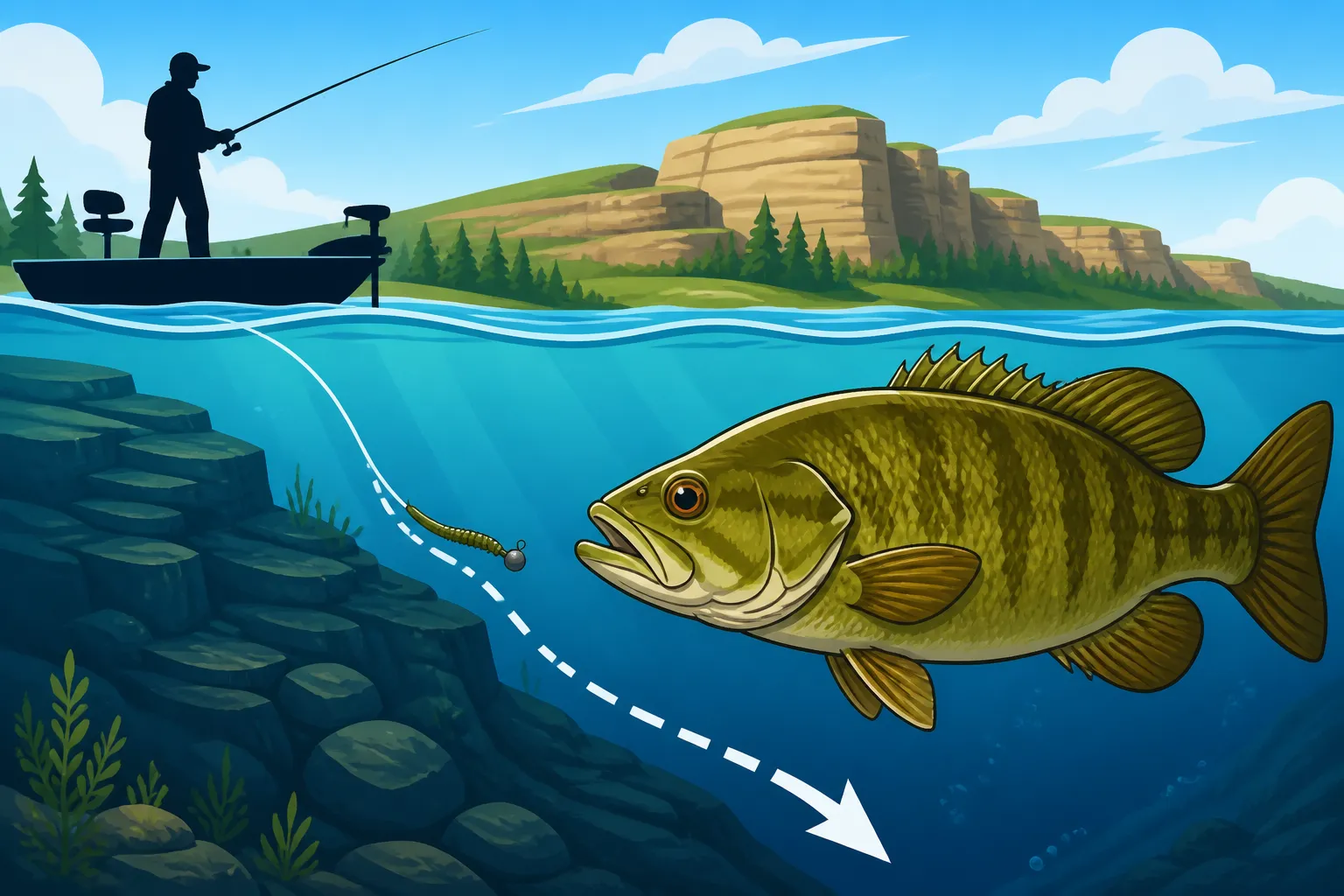
Drop-offs, simply put, are areas where the lake bottom changes depth abruptly. This could be a gradual slope dropping from a shallow flat into deeper water, a sharp ledge, or even a sheer rock face. For smallmouth bass, these areas are absolute magnets. Think of it from a bass's perspective: a drop-off provides easy access to different depths, which means access to varying water temperatures, oxygen levels, and, most importantly, food sources. They can quickly move from the warmer, shallower water where baitfish and insects might be abundant, to cooler, deeper water for comfort or safety from predators. It's a prime ambush point where they can dart out from the depths to snatch an unsuspecting baitfish swimming along the shallower shelf. These zones also offer crucial protection from strong sunlight, making them comfortable hangouts during bright, sunny days, and excellent staging areas during different seasons.
Identifying Productive Drop-Offs
Finding the right drop-off is half the battle, and it requires a combination of research and on-the-water detective work. Start with good topographical maps, either paper ones or digital versions on your fish finder. Look for areas where contour lines are close together, indicating a steep change in depth. Points that extend out into the lake, channel edges, and submerged humps often feature significant drop-offs. Once on the water, your electronics become your best friend. A quality fish finder, like those found on Amazon, will allow you to see these depth changes in real-time. Pay attention to both the depth contours and any "hard" returns that indicate rock, gravel, or even submerged timber along the break. Sometimes, you can spot visual cues from the shore, like a sudden darkening of the water color, which often signals deeper water. Think about access points, too. A promising drop-off near a boat ramp or a public access area can be a goldmine. For those exploring new areas, consulting a South Dakota GFP Fishing Handbook Guide can provide valuable insights into specific lake characteristics and known structures.
Seasonal Movements on Drop-Offs
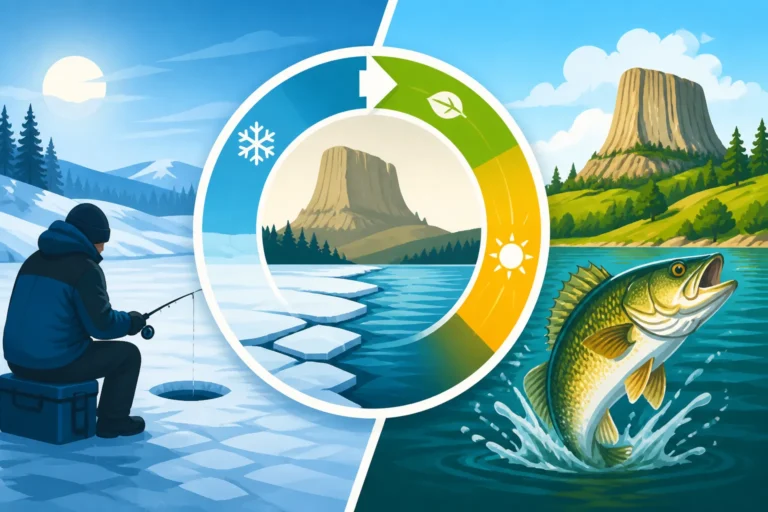
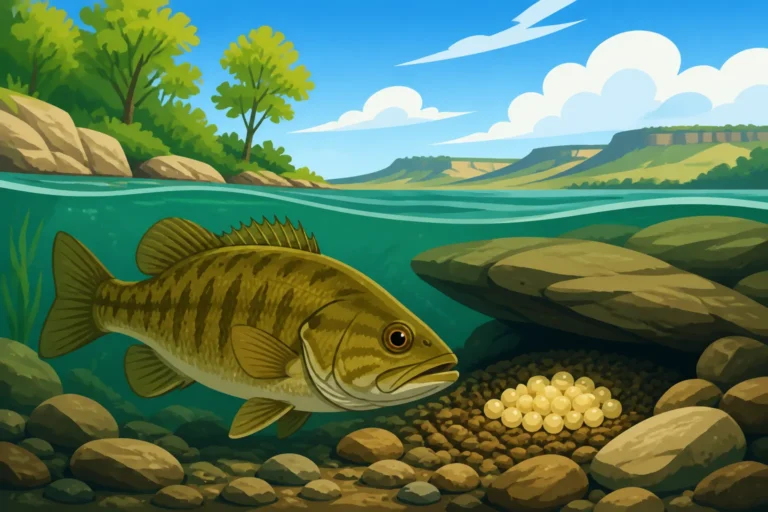
Smallmouth bass utilize drop-offs differently throughout the year, making seasonal understanding crucial. In early spring, as ice retreats and water temperatures begin to rise, smallmouth will often stage on the deeper ends of drop-offs adjacent to spawning flats. They'll use these areas to move up and down the water column, thermoregulating and waiting for optimal spawning conditions. Once spawning is complete, typically when water temperatures reach the mid-60s, smallmouth enter a post-spawn phase. During this time, they often retreat to slightly deeper drop-offs to recover, still feeding aggressively. In summer, when shallow waters can become quite warm, smallmouth will seek refuge in the cooler, deeper sections of drop-offs during the day, moving shallower to feed during low-light hours. During the fall, as water temperatures drop, smallmouth become highly active, feeding heavily in preparation for winter. They will often concentrate on deep drop-offs, especially those near main lake points or channel bends, gorging on baitfish. Understanding these patterns, combined with knowledge of What Water Temperature Triggers Smallmouth Bass Spawning, helps predict where they'll be on the break.
Essential Gear and Tackle for Drop-Off Fishing
Fishing drop-offs effectively demands specific gear that allows for precise lure presentation and the ability to feel subtle bites. The right setup can make all the difference when you're targeting smallmouth hiding along these submerged ledges.
Rod, Reel, and Line Selection
For drop-off fishing, sensitivity is paramount. You need to feel every tick, tap, and subtle change in bottom composition.
A medium-light to medium power spinning rod, typically 6'6" to 7'2" in length, is an excellent choice for lighter presentations like drop shots or finesse jigs. The fast to extra-fast action on these rods provides the sensitivity needed to detect those light bites and the backbone to drive the hook home. For heavier jigs, Carolina rigs, or larger crankbaits, a medium-heavy power casting rod, around 7 feet long, offers the necessary power and control. Many anglers find high-quality baitcasting reels, like those highlighted in our guide on Best Baitcasting Reels for Smallmouth Bass, to be ideal for these heavier applications, providing superior casting accuracy and power.
When it comes to line, braided line is a fantastic option for your main line due to its extreme sensitivity and lack of stretch. A 10-20 lb test braided line works well, but always tie on a fluorocarbon leader (6-10 lb test) for stealth and abrasion resistance. Fluorocarbon is nearly invisible underwater and holds up well against rocky or abrasive bottom structures that are common on drop-offs. If you prefer mono, a good quality 8-12 lb test fluorocarbon or co-polymer line can work, but you'll sacrifice some sensitivity.
Lure and Bait Choices
The beauty of drop-off fishing for smallmouth is the versatility of lures that can be effective.
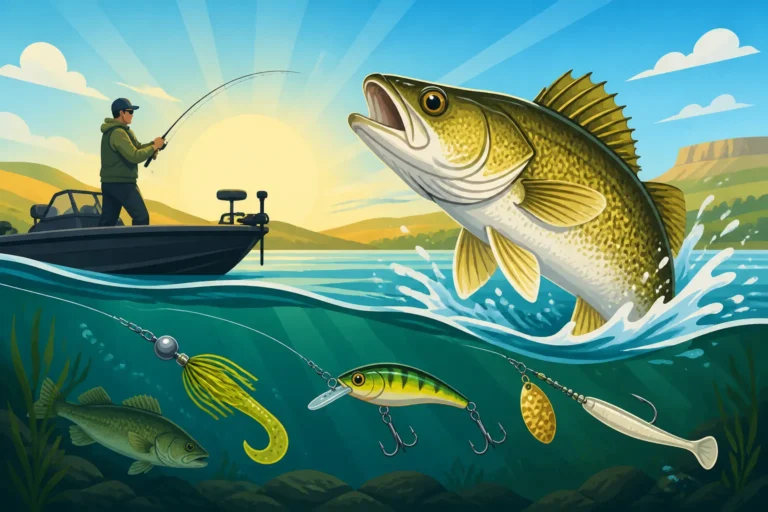
- Jigs: A classic for a reason. Football jigs (1/4 to 3/4 oz) with craw-style trailers are deadly. The football head helps them stand up and crawl over rocks without snagging excessively. Finesse jigs, like Ned rigs, are also incredibly effective for pressured fish or when the bite is tough. You can find a wide variety of jig types and colors on sites like Amazon, allowing you to experiment with what works best for your specific conditions.
- Soft Plastics on Carolina or Drop Shot Rigs: These are finesse powerhouses. A Carolina rig, where a weight slides on the main line above a swivel and a leader, allows your bait to float enticingly above the bottom. Creature baits, lizards, or straight-tail worms are excellent choices. The drop shot rig, with its weight below the hook, keeps your bait suspended at a specific depth, which is fantastic for targeting fish suspended just off the bottom of a ledge.
- Crankbaits and Swimbaits: When smallmouth are aggressive, especially during spring and fall, deep-diving crankbaits that can reach the depth of the drop-off are incredibly effective. Look for ones that "dig" into the bottom and deflect off structure, triggering reaction strikes. Swimbaits, either paddle-tail or boot-tail, rigged on a jig head or weighted hook, are also superb for mimicking baitfish that smallmouth frequently ambush along these breaks.
- Live Bait: Don't underestimate the power of live bait, especially when the bite is finicky. Minnows, shiners, or even nightcrawlers can be presented effectively on a simple slip bobber rig or a Carolina rig, allowing them to drift naturally along the edge of the drop-off.
Electronics and Navigational Tools
In today's world, fishing productive drop-offs without good electronics is like trying to navigate a maze blindfolded. Your fish finder is your window into the underwater world.
A high-quality unit with GPS, side imaging, and down imaging capabilities is invaluable. Side imaging allows you to scan wide swaths of the bottom, identifying changes in depth, rock piles, or submerged timber that extend away from your boat. Down imaging provides a detailed, photographic-like view directly beneath your boat, helping you pinpoint individual fish or schools relating to the drop-off. For a deeper dive into maximizing these tools, check out our guide on How to Read a Fish Finder for Walleye (many principles apply to bass).
Integrated GPS is also crucial. It allows you to mark waypoints on productive sections of the drop-off, track your boat's path, and return to hotspots with precision. This is particularly important on large reservoirs like Lake Francis Case or Lake Sharpe where a drop-off might stretch for hundreds of yards. You can easily find some of the Best Fish Finders for South Dakota Lakes by exploring online retailers.
Effective Techniques for Fishing Drop-Offs
Fishing a drop-off isn't just about finding it; it's about presenting your bait in a way that triggers a strike from the smallmouth bass holding there. Different techniques excel in different situations, and a versatile angler will have several in their arsenal.
Vertical Jigging Strategies
Vertical jigging is often the most precise method for targeting smallmouth on drop-offs, especially when they are concentrated in specific areas or when you've pinpointed them with your electronics. This technique involves positioning your boat directly over the drop-off or a specific piece of structure and dropping your lure straight down.
When you're vertical jigging, the goal is to keep your lure as close to the bottom as possible, mimicking a wounded baitfish or a crawfish. Use jigs ranging from 1/4 to 3/4 ounce, depending on depth and current. Football jigs or stand-up jigs work exceptionally well as they maintain a natural, upright presentation when resting on the bottom. The key is to lift the rod tip just enough to make the jig hop a few inches off the bottom, then let it fall back down on a semi-slack line. Most strikes will occur on the fall, so pay close attention to your line; any sudden twitch or slackening could indicate a bite. For a thorough exploration of what gear to have ready, our South Dakota Fishing Gear Checklist can be a great resource. You might find some useful tips on Jigging Techniques for Missouri River Walleye that can be adapted for smallmouth.
Carolina Rig and Drop Shot Presentations
When smallmouth are less aggressive or when fishing clear water, finesse techniques like the Carolina rig and drop shot often outperform power fishing methods. These rigs allow for a more subtle, natural presentation.
The Carolina rig is excellent for covering ground along a drop-off, especially on a more gradual slope. The sliding weight (often a bullet or egg sinker) drags along the bottom, creating a disturbance that attracts attention, while your bait trails behind, suspended off the bottom by a leader. Use soft plastic creature baits, lizards, or straight-tail worms in natural colors. The retrieve is typically a slow drag, with pauses that allow the bait to settle. The key is to maintain bottom contact with your weight, feeling for any changes in substrate or subtle bites. This rig is particularly effective when smallmouth are spread out on a flat leading to a drop or along the base of the break.
The drop shot rig is king for pinpoint accuracy and tempting finicky fish. It shines when smallmouth are suspended at a specific depth along a sheer drop-off or holding tight to a piece of cover like a submerged tree. With the weight below the hook, your bait stays at the precise level you want, even when the boat drifts or the rig rests on the bottom. Small, slender worms, minnow-imitating baits, or even small tubes are ideal for a drop shot. Cast it out, let it sink, then gently shake the rod tip to impart action to the bait. The beauty of the drop shot is that you can keep the bait in the strike zone for extended periods, enticing even the most hesitant bass.
Crankbait and Swimbait Tactics
When smallmouth are actively feeding and you want to cover water quickly, crankbaits and swimbaits are your best friends. These lures excel at eliciting reaction strikes.
Deep-diving crankbaits are perfect for those drop-offs that transition from 5-10 feet down to 15-20 feet. Choose a crankbait that can reach or slightly exceed the depth of the top of the drop-off. The goal is to make the lip of the crankbait "dig" into the bottom and deflect off rocks, wood, or other structures along the break. This erratic action often triggers an aggressive strike. Cast your crankbait parallel to the drop-off or at an angle that allows it to run down the slope. Vary your retrieve speed and incorporate pauses. For insights on appropriate lures, refer to our guide on Best Lures for South Dakota Walleye – many of the principles of selecting depth-appropriate lures apply to smallmouth too.
Swimbaits, whether soft plastic paddle-tails rigged on jig heads or hard-bodied versions, are excellent for mimicking baitfish that school up along drop-offs. These are particularly effective in clear water or when smallmouth are chasing schools of shad or other forage. Cast the swimbait out and retrieve it with a steady retrieve, perhaps with an occasional twitch or pause. Experiment with different sizes and colors to match the local forage. These lures can be fished at various depths, making them adaptable for targeting suspended fish or those closer to the bottom along the break.
Reading the Water and Adjusting Your Approach
Catching smallmouth bass on drop-offs isn't just about casting a lure; it's about interpreting the underwater environment and continuously adapting your strategy based on what the fish are telling you.
Interpreting Structure and Cover
A drop-off isn't a monolithic wall; it's often a complex environment with various elements that attract smallmouth. Smallmouth bass will relate to specific features on or around the drop-off. For example, a rocky point extending into deeper water, which then drops off sharply, is a prime location. The rocks provide cover and attract crawfish, a favorite smallmouth meal. Look for transitions within the drop-off itself – perhaps a section where a gravel bottom meets a rocky ledge, or where a few submerged stumps or a brush pile offer additional ambush points. These subtle changes can concentrate fish. Don't overlook the base of the drop-off either; sometimes the biggest smallmouth will hold right where the deep water begins to level out, waiting for prey to come down from above. Our guide on Smallmouth Bass Fishing Techniques for Rocky Shorelines offers more insights into how to approach these specific types of structures.
Wind, Current, and Water Temperature Considerations
Environmental factors play a huge role in how smallmouth position themselves on drop-offs.
Wind can be your friend. A steady breeze blowing into a drop-off can stack baitfish against it, and consequently, the smallmouth will follow. Cast into the wind, letting your boat drift along the edge of the drop-off, allowing for a natural presentation. However, too much wind can make boat control and feeling bites extremely difficult.
Current, especially on the Missouri River reservoirs like Lake Sharpe or Lake Francis Case, is a major factor. Smallmouth will often position themselves on the "down-current" side of a point or structure on a drop-off, conserving energy while waiting for food to be swept to them. Understanding how water flows around underwater structures is crucial.
Water temperature dictates fish metabolism and activity levels. In colder water, smallmouth will be more lethargic and prefer slower presentations. As temperatures rise, they become more active, and faster retrieves with reaction baits can be deadly. Always keep an eye on your fish finder's temperature gauge; even a slight change can signify a productive zone. Knowing about Reading Water Temperature for Walleye can also inform your bass strategy.
Here's a quick comparison of popular drop-off lures:
| Lure Type | Best Use Case | Presentation Style | Pros | Cons |
|---|---|---|---|---|
| Football Jig | Rocky bottoms, steeper drops | Slow drag, hop, or cast and retrieve | Excellent bottom feel, stands up on bottom, weedless options | Can get snagged on very rough bottom, slower retrieve rate |
| Carolina Rig | Gradual slopes, covering wider areas, pressured fish | Slow drag with pauses | Bait floats naturally, attracts attention with weight disturbance | Slower to retrieve, can be bulky, requires longer leader |
| Drop Shot Rig | Pinpoint targeting, suspended fish, finicky bite | Vertical, subtle shakes, can hold bait in strike zone | Highly sensitive, excellent for vertical fishing, very subtle | Slower to cover water, best in calm conditions, small bait usually |
| Deep-Diving Crank | Aggressive fish, covering water, reaction strikes | Cast parallel to break, retrieve with deflections | Covers water quickly, triggers aggressive bites, good vibration | Can get snagged easily, less sensitive to subtle bites |
| Swimbait | Mimicking baitfish, clear water, active fish | Steady retrieve, cast and retrieve | Realistic profile, versatile, can be fished at various depths | Less effective when fish are lethargic, can be expensive |
When to Move On
One of the hardest lessons in fishing is knowing when to leave a seemingly good spot. Don't be afraid to move if you're not getting bites. Smallmouth bass are notorious for moving, even within a specific drop-off area. If you've tried different depths, angles, and lure presentations without success, it might be time to find another drop-off. Pay attention to fish activity on your electronics – if you're seeing fish but they're not biting, try changing up your bait, color, or retrieve. If you're seeing nothing, it's definitely time to relocate. Remember, the best fishing spots near Pierre, or any other South Dakota location, will vary daily based on conditions and fish movement. Sometimes, the fish are simply somewhere else, and spending too much time in one unproductive spot means missing opportunities elsewhere.
This article is for general informational purposes only and does not constitute professional advice. Laws, prices and regulations vary by location and change over time. Consult a qualified professional for guidance on your specific situation.