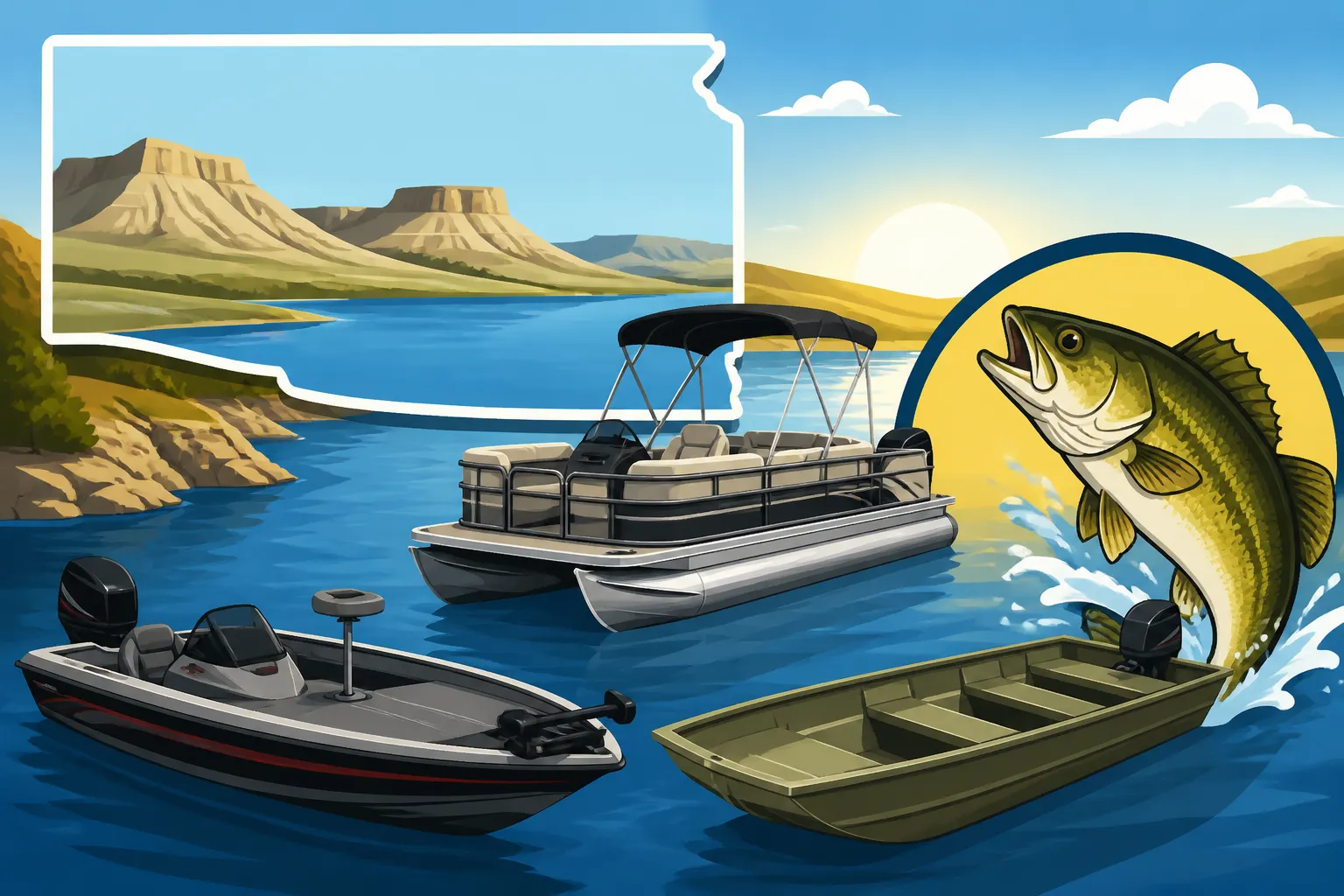
Best Boats for South Dakota Reservoir Fishing
The expansive waters of South Dakota's reservoirs offer some of the best fishing experiences in the country, but their sheer size, variable conditions, and diverse fisheries can make choosing the right boat feel overwhelming. Many anglers, especially those new to the region or upgrading their vessel, struggle with selecting a boat that can handle everything from the broad, windy expanses of Lake Oahe to the current-driven sections of Lake Sharpe. This comprehensive guide will walk you through the essential characteristics, popular boat types, critical features, and practical considerations to help you find the best boat for your South Dakota reservoir fishing adventures.
Understanding South Dakota's Unique Reservoir Environments
Before you even start looking at boat specs, it’s crucial to understand the environments you’ll be fishing. South Dakota's reservoirs are not all created equal, and what works perfectly on a small, sheltered lake might be totally inadequate for a vast, open body of water. Each has its own personality, influencing the type of vessel that will serve you best.
The Mighty Missouri River System: Oahe, Sharpe, Francis Case, and Lewis and Clark
The reservoirs on the Missouri River system — Lake Oahe, Lake Sharpe, Lake Francis Case, and Lewis and Clark Lake — are truly immense. These are not your average fishing holes; they are massive impoundments, often stretching for dozens, even hundreds of miles. They are characterized by deep, open water, strong currents in certain areas (especially below dams), and perhaps most notably, significant wind exposure. A calm morning can quickly turn into an afternoon of whitecaps, making a stable, capable boat an absolute necessity.
Fishing these giants often means covering a lot of water to find roaming schools of walleye or chasing after impressive Chinook salmon. This demands a boat that can handle rough water safely and comfortably, maintain speed efficiently, and provide a stable platform for fishing, even when the wind kicks up. Think about days spent battling waves just to get to your favorite walleye spot or needing to quickly move across miles of open water when the bite shifts. These aren't conditions for underpowered or undersized boats. You'll want to review our South Dakota Missouri River Fishing Guide for a deeper dive into these waters.
Western and Glacial Lakes: Different Challenges, Different Needs
Beyond the Missouri River, South Dakota boasts other significant reservoirs and a scattering of glacial lakes, each presenting its own set of challenges and opportunities. Western reservoirs like Belle Fourche Reservoir and Angostura Reservoir, while generally smaller than the Missouri River giants, can still be quite large and are notoriously windy. They often feature shallower average depths but can also experience sudden chop that demands a boat with decent rough-water capabilities. Anglers here might target walleye, crappie, or even some impressive catfish.
Then you have the glacial lakes in eastern South Dakota, like Lake Kampeska or Lake Poinsett. These lakes tend to be shallower, often with more complex bottom structures like weed beds and submerged humps. While they might not experience the same monstrous waves as a high-wind day on Lake Oahe, they still get plenty of chop. Here, a boat's ability to navigate shallower areas and precisely position itself over structure becomes more important. The fishing here is often about panfish, northern pike, and of course, walleye. Understanding these distinct water bodies is the first step in narrowing down your boat choice.
Key Boat Characteristics for Navigating South Dakota Waters
Once you’ve got a handle on the kind of water you’ll be fishing, you can start to think about the specific features that make a boat suitable. It's not just about getting from point A to point B; it's about doing so safely, comfortably, and effectively for fishing.
Stability and Size: Battling Wind and Waves
When you're out on a South Dakota reservoir, especially on a breezy day, stability isn't just a comfort factor – it's a safety imperative. A boat that feels like a toy in choppy conditions will quickly dampen your enthusiasm, not to mention put you at risk. The sheer fetch on lakes like Oahe and Sharpe allows wind to build significant waves, and even a modest breeze can create an uncomfortable chop.
A longer boat generally handles rough water better, cutting through waves rather than bouncing over them. For the Missouri River reservoirs, boats in the 18-to-22-foot range are very common and often recommended. This length provides the necessary mass and waterline to maintain stability, allowing you to stay on plane and travel more smoothly through chop. Wider beams also contribute to stability, reducing the rocking motion when you're drifting or on anchor. You might think a smaller boat is more nimble, but when you're 10 miles from the nearest ramp and a squall rolls in, you'll be thankful for every extra foot of length and inch of beam. Choosing the Best Boat Size for Fishing Lake Oahe is a common consideration for anglers.
Hull Design: The Crucial Foundation for Performance
The hull design is arguably the most critical aspect of a boat's performance, particularly in the varied conditions of South Dakota's reservoirs. Different hull types offer distinct advantages and disadvantages.
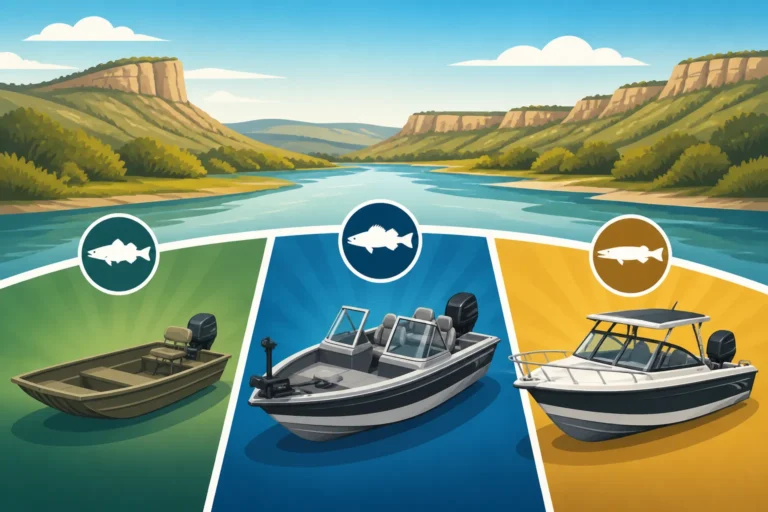
- Deep-V Hulls: These hulls are characterized by a sharp V-shape running from bow to stern, with a steep deadrise (the angle of the hull at the transom). They are designed to cut through waves smoothly, providing an exceptionally soft ride in rough water. This is why you see so many deep-V boats on the Great Lakes and other large, open bodies of water. For anglers tackling the bigger Missouri River reservoirs, a deep-V hull is often the preferred choice because it minimizes pounding and keeps spray out of the boat, even in challenging conditions. The trade-off can be slightly less stability at rest compared to flatter hulls, and they require more power to get on plane due to the greater wetted surface.
- Modified-V Hulls: These hulls combine elements of a deep-V at the bow, transitioning to a shallower V or even a flatter section towards the stern. This design offers a good compromise: a decent ride in chop, but improved stability at rest and better fuel efficiency due to less drag at higher speeds. They also tend to get on plane more quickly. Many popular multi-species boats utilize a modified-V design, making them versatile for everything from trolling open water to casting along shorelines. They are excellent all-around choices for many South Dakota anglers who fish a variety of waters.
- Flat-Bottom or Jon Boat Hulls: While not ideal for large, open reservoirs, these hulls have their place, particularly in smaller, shallower glacial lakes or calm river backwaters. They offer incredible stability at rest and require very little draft, allowing access to extremely shallow areas. However, their ride in anything more than a ripple is notoriously rough and wet. They are fantastic for specific applications, but for general reservoir fishing in South Dakota, they are usually reserved for secondary boats or very niche scenarios.
Power and Propulsion: Engines, Trolling Motors, and Batteries
Having adequate power is non-negotiable on South Dakota's large reservoirs. You need a reliable main outboard engine that can get you to distant fishing spots quickly and safely, especially if conditions change rapidly. For an 18-20 foot boat, a 150-250 horsepower outboard is common. It’s not just about top speed; it’s about having enough power to maintain plane in rough water and get home if a storm blows in. Fuel efficiency is also a big consideration, given the distances you might cover.
Equally important for serious anglers is a robust electric trolling motor. These are indispensable for precise boat positioning, whether you're slowly working a breakline, holding over a submerged point, or slipping along a shoreline. A bow-mounted, GPS-enabled trolling motor (like those offered by Minn Kota or MotorGuide) has become standard equipment. These motors allow you to "anchor" electronically, hold a specific course, or follow contour lines automatically, freeing you up to focus on fishing. Considering the strong currents on the Missouri River system, you’ll want a high-thrust model, often in the 80-112 lb thrust range, paired with a long shaft (60-72 inches) to ensure the prop stays in the water in choppy conditions. You'll want to check out our guide on Best Trolling Motors for Walleye Fishing for more specific recommendations.
Powering these electronics, especially the trolling motor, requires a dedicated battery bank. You’ll typically need two or three deep-cycle batteries for a 24V or 36V trolling motor system, plus a starting battery for your main engine. Reliable charging systems, either onboard or portable, are also critical to ensure you have power for a full day on the water.
Top Boat Types Preferred by South Dakota Anglers
When you look across the ramps at a busy South Dakota reservoir like Lake Francis Case or Lake Sharpe, you'll see a few boat types dominating the scene. These aren't random choices; they've earned their popularity by consistently performing well in these challenging conditions.
Deep-V Aluminum Boats: The Walleye Workhorses
If there's one boat type that epitomizes South Dakota reservoir fishing, it's the deep-V aluminum boat, often affectionately called a "walleye boat." Brands like Lund, Alumacraft, Crestliner, and Ranger (which also makes fiberglass boats) are fixtures here. These boats are purpose-built for big water and big fish, striking an excellent balance between rugged durability, impressive rough-water performance, and practical fishing features.
- Rugged Construction: Aluminum hulls are tough. They can take a bump against a dock or a hidden rock without suffering catastrophic damage, a significant advantage when navigating unknown waters or launching at rustic ramps. They are also generally lighter than fiberglass, making them easier to tow and launch.
- Rough Water Capability: The deep-V hull design on these boats allows them to slice through chop, providing a drier and more comfortable ride than many other boat types. This is essential for safety and comfort on those days when the wind really howls across the Missouri River system.
- Fishing Layout: Deep-V aluminum boats are designed with anglers in mind. They typically feature spacious casting decks, ample rod storage (often lockable), multiple livewells and baitwells, and well-placed pedestal seats that provide comfort during long days of trolling or jigging. The open interior design often allows for easy movement and multiple fishing stations. This makes them ideal for pursuing South Dakota Walleye Fishing Guide tactics.
- Versatility: While often called "walleye boats," their versatility makes them excellent for targeting other species too, from northern pike to smallmouth bass. Many anglers also appreciate the ability to easily convert them for family outings, with comfortable seating options.
Fiberglass Multi-Species and Bass Boats: Performance and Comfort
While aluminum deep-Vs are incredibly popular, fiberglass boats also have a strong presence, particularly multi-species models and, for some, traditional bass boats.
- Fiberglass Multi-Species Boats: These boats, offered by brands like Ranger, Skeeter, and Warrior, often feature a deeper V-hull and heavier construction than their aluminum counterparts, resulting in an even smoother, quieter ride in truly brutal conditions. Their weight can help them track better in heavy chop. They often come equipped with high-end electronics integration, comfortable seating, and premium finishes. While generally more expensive and heavier to tow, they offer a luxurious and highly capable fishing platform for those who prioritize ultimate ride quality and top-tier features. They are fantastic for anglers who spend countless hours on the biggest, roughest waters like Lake Oahe.
- Fiberglass Bass Boats: While known for their speed and huge casting decks, traditional fiberglass bass boats are a bit more specialized. Their low profile and flatter hull design (compared to deep-Vs) make them incredibly fast and stable for casting on calm waters, but less comfortable and potentially less safe in the serious chop of a large South Dakota reservoir. Anglers who primarily target smallmouth bass on smaller, less exposed lakes or during very calm conditions might consider them, but for general reservoir fishing, especially when rough water is a factor, a deep-V or multi-species fiberglass boat is usually a more prudent choice. They are, however, champions for specific Smallmouth Bass Daily Limits techniques where speed and casting space are paramount.
Utility and Jon Boats: Simplicity for Specific Needs
For anglers with specific needs or those on a tighter budget, utility boats and jon boats can fill a niche, though they are rarely the primary vessel for widespread reservoir fishing.
- Jon Boats: These are flat-bottomed aluminum boats, known for their simplicity, shallow draft, and affordability. They are excellent for accessing very shallow backwaters, small rivers, or calm, protected coves on larger reservoirs where other boats can't go. They are often used for duck hunting or light fishing. However, their flat bottom makes for a jarring and wet ride in any kind of chop, and they offer minimal protection from the elements. While you might use a jon boat for certain specific tasks, it’s not recommended as your sole boat for navigating the open waters of the larger South Dakota reservoirs.
- Utility Boats: These are a step up from a basic jon boat, often with a slightly modified V-bow for a slightly better ride, but still generally simple, open aluminum boats. They are highly versatile for many purposes beyond fishing, such as hauling gear or hunting. Like jon boats, they excel in calmer, shallower waters and are an economical choice for those who need a no-frills, durable workhorse boat. They can be found at places like Bass Pro Shops and are a good entry point for many anglers. They are great for fishing smaller, calmer waters or for someone needing an auxiliary boat for very specific, protected spots.
Essential Onboard Features and Electronics
Beyond the basic boat type, the features and electronics you equip your vessel with can dramatically enhance your fishing success and overall experience on South Dakota's reservoirs. These aren't just luxuries; they've become necessities for modern angling.
Advanced Fish Finders and Navigation Systems
In the vastness of South Dakota's reservoirs, finding fish isn't always about seeing them; it's about understanding the underwater landscape they inhabit. Modern fish finders are incredibly sophisticated tools that do far more than just show you depths.
- Sonar (2D, Down Imaging, Side Imaging): A high-quality fish finder with 2D sonar is standard, but Down Imaging (which provides a picture-like view directly below the boat) and especially Side Imaging (which scans out to the sides, revealing structure and fish far from your boat) are game-changers. On a large reservoir, Side Imaging allows you to quickly cover vast areas, identify promising rock piles, humps, or submerged timber, and spot fish holding on or near that structure, all without driving directly over them and potentially spooking them. Brands like Humminbird (with MEGA Side Imaging) and Lowrance (with ActiveTarget) offer top-tier units. We have a detailed guide on Best Fish Finders for South Dakota Lakes that can help you choose.
- GPS and Mapping: Integrated GPS with detailed lake maps is absolutely crucial for navigation, marking waypoints (where you caught fish, good structure, safe routes), and following contour lines. These reservoirs are huge, and a reliable GPS will prevent you from getting lost, especially in fog or at night. Many units come pre-loaded with high-definition mapping like LakeMaster or Navionics, which display depth contours, navigation aids, and points of interest.
- Networking: Modern boat electronics are often networked, meaning your trolling motor can communicate with your fish finder, allowing you to control boat movement from your console or even from a remote on your fishing rod. This seamless integration saves time and makes you a much more efficient angler.
Livewells, Storage, and Deck Layout for Angling Efficiency
A well-designed interior layout can make a huge difference in your fishing comfort and efficiency.
- Livewells: For walleye and bass anglers who practice catch-and-release or want to keep their legal limit of fish fresh, a properly aerated and temperature-controlled livewell is essential. Look for large capacity, rounded corners (to prevent fish from bruising themselves), and a good aeration system that keeps water fresh. Dual livewells are a plus, especially if you plan to keep different species or manage your catch carefully.
- Rod Storage: Whether it's in-floor rod lockers, side-wall rod tubes, or rocket launchers, having secure, protected storage for multiple rods is important. You'll likely bring several rod-and-reel combos rigged for different techniques (trolling, jigging, casting), and keeping them organized and safe from damage is key.
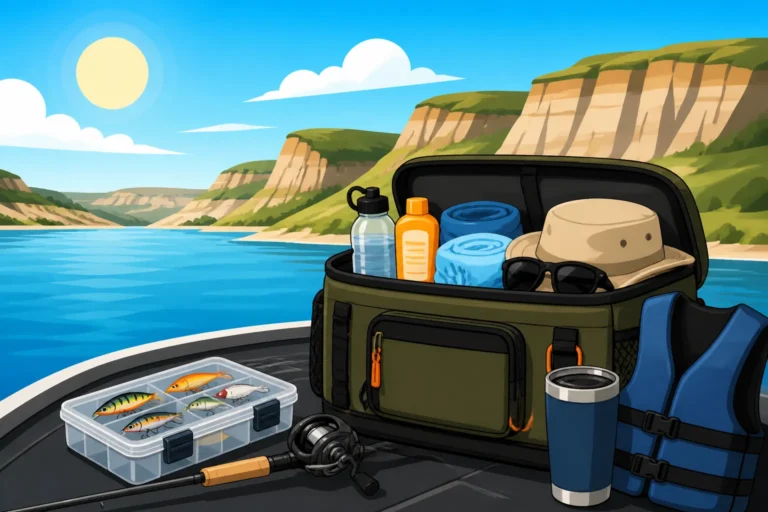
- General Storage: Beyond rods, you'll need space for tackle boxes, safety gear, rain gear, extra clothing, and food and drinks. Dry storage compartments are a huge plus, especially on a boat that might take on spray.
- Deck Space: Sufficient, unobstructed deck space, both front and rear, is vital for comfortable casting and moving around the boat. Many multi-species boats offer convertible stern seating that folds down to create a larger casting platform when fishing.
Comfort, Safety, and Creature Comforts
While fishing is the priority, comfort and safety should never be overlooked, especially on long days on big water.
- Seating: High-quality, comfortable seating for both running and fishing is important. Pedestal seats that swivel and adjust allow you to stay comfortable while jigging or casting. Jump seats in the stern that convert to a casting deck add versatility.
- Bimini Top/Canopy: The South Dakota sun can be intense in summer, and a Bimini top provides much-needed shade, making long days on the water far more bearable. Some boats offer full enclosure options for protection against rain or cold.
- Safety Gear: Don't forget the required safety equipment! This includes life jackets (PFDs) for everyone on board, a fire extinguisher, distress signals, a whistle or horn, and navigation lights. Always check the current South Dakota Boat Safety Requirements before heading out. Having a marine radio (VHF) can also be a lifesaver for communicating in remote areas without cell service.
- Coolers: An integrated or easily accessible cooler is great for keeping drinks and snacks cold, or even for icing down a limit of fish if your livewell is full.
Transporting Your Vessel: Trailers and Towing
Owning a boat isn't just about the boat itself; it's also about getting it to and from the water. For most South Dakota reservoir anglers, this means a reliable trailer and a capable tow vehicle. Neglecting these aspects can turn an exciting fishing trip into a frustrating ordeal.
Choosing the Right Trailer for South Dakota Roads and Ramps
Your boat trailer is more than just a piece of metal with wheels; it's a critical component of your overall boating system. South Dakota's roads can be rough, and many boat ramps, especially on smaller lakes or less developed areas, might be gravel, steep, or have uneven surfaces.
- Bunk vs. Roller Trailers: Bunk trailers support the boat on carpeted wooden bunks that conform to the hull's shape. They distribute weight evenly and are generally preferred for fiberglass boats to prevent hull distortion. Roller trailers use a series of rollers to support the hull, making launching and retrieving easier, especially on shallow or steep ramps, but they concentrate pressure points which can be an issue for some hulls. For the rougher use often encountered in South Dakota, a well-fitted bunk trailer is generally robust and reliable.
- Axle Configuration: For heavier boats (typically over 3,000 lbs boat, motor, and gear), a tandem-axle trailer is highly recommended. It provides better weight distribution, more stability on the highway, and an added layer of safety in case of a tire blowout. A single-axle trailer might suffice for lighter boats, but the stability difference on windy highways can be significant.
- Brakes: Most trailers designed for boats over a certain weight (often around 1,500 lbs gross weight, but check local regulations) are legally required to have brakes. Hydraulic surge brakes or electric brakes are common. Ensure your trailer has proper working brakes for safe stopping, especially when towing through hills or in traffic.
- Maintenance: Trailers require regular maintenance – checking tire pressure, wheel bearings, lights, and brakes. Carrying a spare tire, a jack, and a lug wrench is non-negotiable, as you're likely to be far from a service station if you have a flat. Investing in a good quality, galvanized or aluminum trailer will provide better corrosion resistance, especially if your boat sees a lot of use and immersion.
Understanding Towing Capacity and Vehicle Requirements
Don't underestimate the importance of your tow vehicle. It's not just about pulling the boat; it's about doing it safely and efficiently.
- Towing Capacity: Always check your vehicle's towing capacity, which is typically listed in your owner's manual. This figure is the maximum weight your vehicle can safely tow. You need to know the total weight of your boat, motor, trailer, fuel, and all your gear (tackle, coolers, anchors, etc.). Do not exceed this capacity. Exceeding it can lead to safety issues (poor braking, instability, overheating), premature wear on your vehicle, and potentially void your insurance or warranty.
- Hitch Rating: Ensure your hitch is rated for the weight you're towing. A Class III or Class IV hitch is usually required for most fishing boats on South Dakota reservoirs.
- Transmission Cooler: If your tow vehicle doesn't have a factory-installed transmission cooler, consider adding one, especially if you plan to tow frequently or over long distances in hot weather. Towing puts a lot of stress on your transmission.
- Proper Hookup: Always ensure your trailer is properly hitched, safety chains are crossed, and all trailer lights are functioning before you hit the road. Breakaway cables are also important for trailers with electric brakes. A bit of preparation at home prevents a lot of headaches at the ramp. Familiarize yourself with tips on How to Register a Boat in South Dakota and the associated costs like South Dakota Boat Registration Cost by Boat Length so you're ready to hit the water legally.
The Financial Side: Investing in Your South Dakota Fishing Boat
A fishing boat, especially one capable of handling South Dakota's larger reservoirs, is a significant investment. Beyond the initial purchase price, there are ongoing costs that can quickly add up. A realistic understanding of these expenses will help you budget effectively and avoid surprises down the road.
Initial Purchase: New Versus Pre-Owned Considerations
Deciding between a new or pre-owned boat is often the first financial hurdle, and there are valid arguments for both.
- New Boats: Buying new offers the latest technology, full warranties, and the ability to customize features to your exact specifications. You get the peace of mind knowing everything is fresh and covered. However, new boats depreciate quickly, and the upfront cost is considerably higher. You might pay a premium for that factory-fresh smell and the ability to choose every detail. For example, a new deep-V multi-species boat from a top brand like Ranger or Lund, fully rigged with a powerful outboard, trolling motor, and electronics, can easily be a very substantial investment.
- Pre-Owned Boats: The used boat market can offer excellent value. You can often get a larger, more fully equipped boat for the same price as a smaller, less feature-rich new model. Depreciation has already hit, so you're not paying that initial premium. However, buying used requires careful inspection, ideally by a qualified marine mechanic, to ensure there are no hidden issues with the hull, motor, or electronics. You might also inherit older technology or have to deal with expired warranties. Websites like Craigslist or specialty dealers are good places to start looking. Websites like Amazon also offer a variety of boat accessories that can spruce up a used boat.
Regardless of whether you buy new or used, factor in the cost of a good trailer (if not included), any essential electronics upgrades you might need, and initial safety gear.
Ongoing Costs: Registration, Maintenance, Fuel, and Insurance
Boat ownership is not a one-time expense; it comes with a steady stream of ongoing costs.
- Registration and Licensing: You'll need to register your boat with the state, and this fee varies based on boat length and potentially other factors. Additionally, you'll need to renew your registration periodically. Don't forget any required habitat stamps or fishing licenses for yourself and your crew. You can find detailed information in our South Dakota Fishing License Guide.
- Maintenance: Regular maintenance is crucial for protecting your investment and ensuring reliability. This includes annual engine service (oil changes, spark plugs, fuel filters), lower unit fluid changes, prop maintenance, and checking all electrical systems. DIY enthusiasts can save money, but some tasks are best left to professionals. Neglecting maintenance can lead to costly breakdowns and shorten the life of your motor.
- Fuel: On South Dakota's large reservoirs, you'll cover significant distances, and fuel consumption, especially with larger outboards, can be substantial. Factor in the cost of gas for both your boat and your tow vehicle.
- Insurance: While not always legally required for all boat types, boat insurance is highly recommended. It protects your investment against theft, damage (from accidents, storms, or sinking), and provides liability coverage in case of an accident. The cost will vary based on the boat's value, your boating experience, and where you store it.
- Storage: If you don't have space to store your boat at home, you'll need to consider off-season storage costs at a marina or storage facility. This is particularly relevant for How to Winterize a Boat in South Dakota annually.
- Miscellaneous: Don't forget tackle, bait, ice, launch fees at some ramps, and unexpected repairs. Keeping a small contingency fund for these "little things" is always a good idea.
Maintaining Your Investment: Care and Winterization
To ensure your South Dakota fishing boat provides years of reliable service and retains its value, consistent care and proper seasonal maintenance are paramount. Overlooking these steps can lead to costly repairs and lost time on the water.
Routine Cleaning and Engine Checks for Peak Performance
After every outing, a little effort goes a long way in prolonging your boat's life and keeping it looking great.
- Washing the Hull and Deck: Freshwater lakes still have grime, algae, and sometimes even invasive species that can cling to your hull. Give your boat a good rinse after each use, paying attention to the waterline and any areas that collect dirt. A soft brush and marine soap can remove stubborn stains. This also helps prevent the spread of aquatic invasive species, a serious concern in South Dakota waters.
- Interior Wipe Down: Wipe down seats, consoles, and all interior surfaces. This prevents mildew, keeps upholstery in good condition, and removes fish scales or bait residue that can attract pests.
- Engine Flush: If you fish in silty or sandy areas, flushing your outboard's cooling system with fresh water is a good practice to remove any debris and prevent corrosion. Most modern outboards have a flush port for easy hookup.
- Propeller Inspection: Regularly check your propeller for dings, bends, or other damage. Even minor damage can significantly impact performance and fuel efficiency, and major damage can lead to costly repairs if left unaddressed.
- Fluid Levels and Belts: Periodically check your engine's oil level, power trim fluid, and steering fluid. Inspect belts for cracks or wear. These simple checks can alert you to potential issues before they become major problems.
- Battery Maintenance: Ensure battery terminals are clean and free of corrosion. If you have conventional lead-acid batteries, check electrolyte levels and top off with distilled water as needed. A battery tender can help keep batteries charged during periods of non-use.
Preparing for Winter: Protecting Your Boat from the Elements
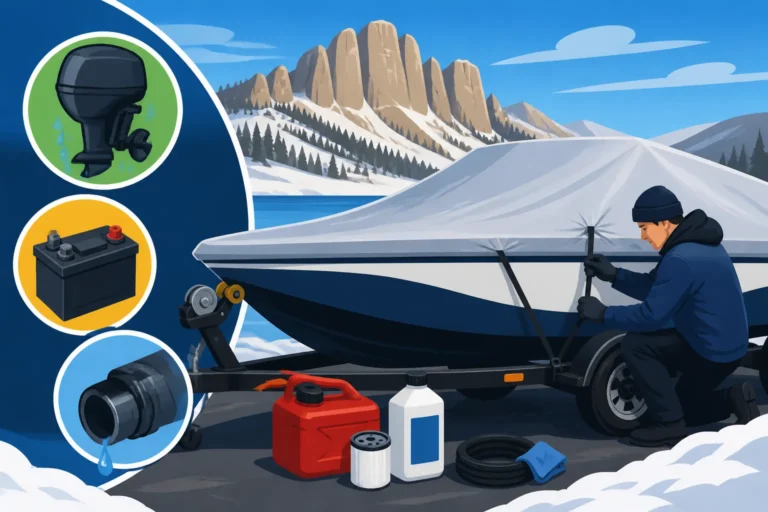
South Dakota winters are harsh, and improper winterization is one of the quickest ways to damage your boat and motor. This process protects all systems from freezing temperatures and prolonged storage. You can find comprehensive details in our How to Winterize a Boat in South Dakota guide, but here are the key areas:
- Fuel System Treatment: Stabilize your fuel system to prevent fuel degradation, gumming, and corrosion. Run the engine with stabilized fuel to ensure it circulates throughout the system.
- Engine Fogging: Fogging the engine's cylinders with a special oil prevents rust and corrosion on internal components during storage.
- Cooling System Drainage: Ensure all water is drained from the engine's cooling system to prevent freezing and cracking. In some cases, flushing with antifreeze might be recommended.
- Oil and Filter Change: Change engine oil and filter before storage to remove corrosive acids and contaminants.
- Lower Unit Gear Lube: Check and change the lower unit gear lube. If you see milky fluid, it indicates water intrusion, suggesting a seal issue that needs repair.
- Battery Removal and Storage: Remove all batteries, clean them, and store them in a cool, dry place where they can be kept on a trickle charger to maintain their charge throughout the winter.
- Clean and Cover: Thoroughly clean the entire boat, removing all gear, bait, and food. Apply a good boat wax to protect the gel coat or paint. Finally, cover your boat with a high-quality, breathable cover to protect it from snow, ice, and UV rays while allowing moisture to escape. Proper boat storage can extend its life significantly.
| Feature / Boat Type | Deep-V Aluminum | Fiberglass Multi-Species | Jon Boat / Utility |
|---|---|---|---|
| Rough Water Ride | Excellent (cuts waves) | Superior (heavy, quiet) | Poor (bounces, wet) |
| Stability at Rest | Good | Very Good | Excellent |
| Durability | Very Good (rugged) | Excellent (strong hull) | Good (simple, tough) |
| Maintenance | Moderate | Moderate to High | Low |
| Shallow Water Access | Moderate | Moderate | Excellent |
| Towing Weight | Moderate | Heavy | Light |
| Cost (Initial) | Moderate to High | High to Very High | Low to Moderate |
| Ideal Use in SD | Large reservoirs, walleye, salmon, multi-species | Large, rough reservoirs, walleye, bass, tournaments | Small lakes, calm rivers, backwaters, specific needs |
Choosing the best boat for South Dakota reservoir fishing is a decision that impacts not just your success on the water, but your enjoyment and safety. By considering the unique demands of these vast, often challenging waters, and carefully evaluating boat characteristics, types, features, and ongoing costs, you can make an informed choice. A well-chosen and well-maintained boat will become your trusted companion, opening up countless opportunities to explore the incredible angling adventures that South Dakota has to offer. Just remember to grab your South Dakota Fishing Gear Checklist before you head out!
Disclaimer
This article is for general informational purposes only and does not constitute professional advice. Laws, prices and regulations vary by location and change over time. Consult a qualified professional for guidance on your specific situation.