Best Headlamp for Early Morning Launches
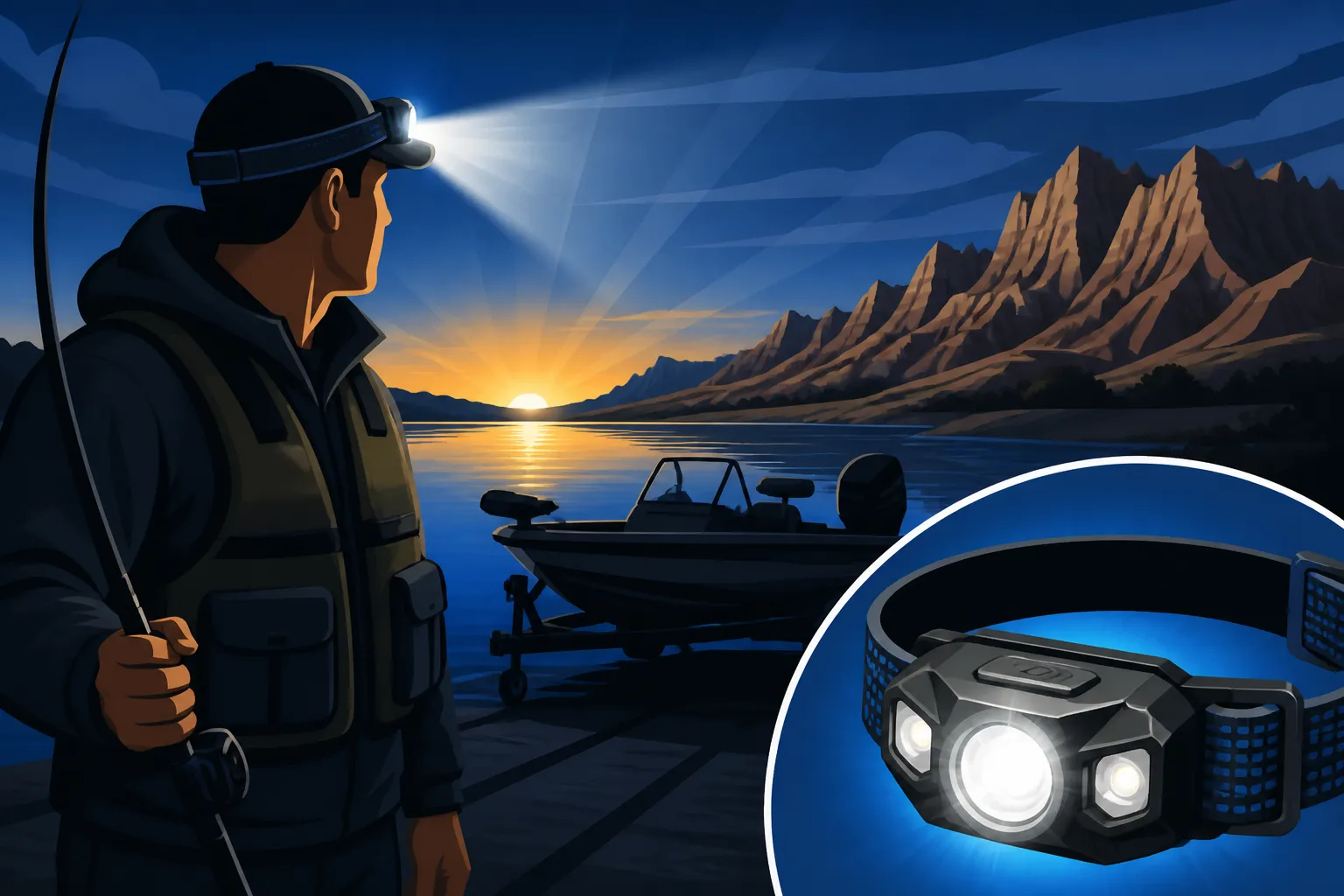
There's nothing quite like the thrill of hitting the water before the sun even thinks about peeking over the horizon, especially in South Dakota where those early morning bites can be absolutely legendary. But let's be honest, fumbling around in the predawn darkness, trying to rig up your rod or back the boat down a ramp, can quickly turn that peaceful anticipation into a clumsy, frustrating mess. This guide is all about shedding light on that common problem by helping you choose the best headlamp to make your early morning fishing launches smooth, safe, and genuinely enjoyable.
Why a Headlamp is Essential for Early Morning Fishing in South Dakota
Picture this: you've set your alarm for 4 AM to be on the water by first light, hoping to catch that trophy walleye on Lake Oahe or a feisty smallmouth on Lake Sharpe. You crawl out of the truck, the air is crisp, and the stars are still blazing, but it's dark. Really dark. Suddenly, that tackle box seems like a bottomless pit, tying a knot feels like brain surgery, and navigating the sometimes-slick boat ramp feels like a high-wire act. This isn't just about convenience; it's about safety, efficiency, and starting your fishing trip on the right foot.
Navigating the Dark and Uneven Terrain
South Dakota's fishing access points and boat ramps, while generally well-maintained, aren't always perfectly lit, especially in those prime, more remote locations. Think about trying to find your footing on a dew-covered grass bank near Lake Francis Case, or carefully walking down a rocky path to a Black Hills stream like Rapid Creek. A headlamp ensures you can clearly see every step, avoiding potential trips, slips, or even a twisted ankle that could cut your fishing day short. It’s not just about seeing the path directly in front of you; a wide beam can help you scan for obstacles or even wildlife lurking nearby.
We've all been there, reaching for a thermos or a specific lure, only to knock everything else over in the boat because we couldn't see. A good headlamp frees up both your hands to carry gear, untangle lines, or secure your boat without struggling to hold a flashlight in your teeth. This hands-free illumination is absolutely critical when you're dealing with sharp hooks, slippery fish, or trying to manage multiple pieces of equipment.
The Critical Need for Hands-Free Operation
Imagine trying to thread tiny fishing line through the eye of a hook, especially if your fingers are a bit numb from the chill of a South Dakota Fall Walleye Fishing Techniques morning. Or maybe you're trying to adjust the settings on your fish finder, which often have small buttons that are impossible to locate by touch alone. A headlamp provides a direct, focused beam exactly where you need it, leaving both your hands free to perform intricate tasks. This capability becomes even more important when you’re attempting to launch a boat solo. You might be guiding the trailer, attaching ropes, or even starting the motor, all tasks that demand both hands. Trying to juggle a flashlight or use your phone for light is simply not practical or safe.
Preserving Night Vision and Not Spooking Fish
One of the often-overlooked benefits of a good headlamp, especially those with a red light mode, is the ability to preserve your natural night vision. When you use a bright white light, your eyes have to constantly readjust to the darkness once the light is off. A red light, on the other hand, allows you to see what you're doing in low light conditions without completely obliterating your night vision. This means when you turn off your headlamp, your eyes are still adapted to the ambient light, allowing you to see the faint outline of the shore, the ripples on the water, or even the subtle glow of the eastern sky as dawn approaches. Furthermore, many anglers believe that red light is less likely to spook fish, particularly wary species like walleye, especially if you're fishing close to shore or in shallower waters during the twilight hours.
Key Features to Look for in a Fishing Headlamp
Choosing a headlamp isn't just about picking the brightest one. For fishing, especially those early morning South Dakota excursions, you need a blend of features that prioritize durability, functionality, and comfort.
Brightness Levels Lumens and Beam Types
When we talk about brightness, we're talking about lumens. A higher lumen count generally means a brighter light. For most fishing tasks, you don't need a lighthouse on your head, but having a decent range is crucial.
- Low Lumens (30-100): Perfect for tying knots, rummaging through a tackle box, or reading a map without blinding yourself or your fishing buddies. It's gentle on the eyes and often has a long battery life.
- Medium Lumens (100-300): This is your sweet spot for general tasks like walking to the boat, loading gear, or cleaning fish after the catch. It offers enough light to see clearly without being overpowering.
- High Lumens (300+): Useful for scanning distances, like looking for a buoy marker on Lake Oahe Fishing Guide or spotting a distant shoreline feature. While powerful, using this setting constantly will drain your battery quickly.
Beyond just brightness, consider the beam type. Many good headlamps offer both a spot beam (a focused, narrow light for distance) and a flood beam (a wider, diffused light for close-up work and peripheral vision). The ability to switch between these modes is incredibly valuable, letting you adapt to different situations from one moment to the next.
Battery Life and Power Source
This is a big one. You don't want your light to die halfway through rigging your lines.
- Alkaline Batteries (AAA or AA): Widely available and easy to replace, which is a huge plus if you're on a multi-day trip or far from a charging port. However, they don't perform as well in extreme cold, which is a consideration for South Dakota Ice Fishing Guide or very early spring mornings. Always carry spares!
- Rechargeable Batteries (Li-ion): These often come built-in or as proprietary packs. They offer consistent performance and can be charged via USB, which is convenient if you have a power bank in your vehicle. The downside is that once they're dead, you need to recharge them, which might not be an option on the spot. Look for models with good battery indicators. Brands like Black Diamond or Petzl offer excellent rechargeable options that you can often find at outdoor retailers like Bass Pro Shops or through online vendors on Amazon.
Consider the advertised "run time." This is usually given for the lowest setting. Always check the run time for the medium setting, as that's likely where you'll use it most often.
Water Resistance and Durability
Fishing means water. Period. Your headlamp needs to withstand splashes, rain, and possibly even a brief dunk. Look for an IPX rating.
- IPX4: Splash resistant. It can handle light rain or splashes from the boat, but don't drop it in the lake.
- IPX7: Submersible up to 1 meter for 30 minutes. This is ideal for fishing, giving you peace of mind if it accidentally goes overboard for a short time.
- IPX8: Submersible beyond 1 meter. This is generally overkill for fishing but offers maximum protection.
Beyond water resistance, consider overall construction. Is it made of sturdy plastic or aluminum? Can it handle a bump or a drop on a hard surface? If you're going to be out in challenging conditions, a robust build is just as important as the waterproof rating.
Red Light Mode for Night Vision
As mentioned, a dedicated red light mode is a game-changer for anglers. It allows you to see enough to perform tasks like tying a blood knot or baiting a hook without dilating your pupils. This means your eyes stay adjusted to the dark, making it easier to see the subtle movements of your bobber or navigate back to shore without having to constantly turn your bright white light on and off. It's also less jarring for your fishing partners. Many serious anglers won't buy a headlamp without this feature because it directly impacts their ability to stay stealthy and maintain their night vision, which is crucial for maximizing fishing time around dawn or dusk.
Comfort and Fit
You'll be wearing this on your head, potentially for hours. Comfort is key!
- Adjustable Strap: Make sure it's easily adjustable to fit snugly but comfortably over your hat or bare head. A wider strap can distribute pressure better.
- Lightweight Design: A heavy headlamp can become a nuisance, causing neck strain or constantly slipping down. Look for something that feels almost unnoticeable.
- Tilting Head: Being able to angle the beam up or down without having to crane your neck is super convenient. This allows you to focus the light exactly where you need it, whether you're looking at your feet or scanning the water ahead.
Think about how it feels when you try it on. Does it bounce when you walk? Does it pinch? Does it feel secure enough to withstand the motion of casting or retrieving? A comfortable headlamp is one you won't even notice you're wearing until you need its light.
Types of Headlamps and Their Best Uses for Anglers
Not all headlamps are created equal, and understanding the different types can help you pinpoint the best one for your specific fishing style in South Dakota. Whether you're a minimalist bank angler or a big-boat enthusiast, there's a headlamp out there for you.
Basic General-Purpose Headlamps
These are your entry-level, no-frills headlamps, often found at an accessible price point. They usually offer a single white light with a few brightness settings and are powered by AAA batteries.
- Pros: Affordable, lightweight, simple to operate, easy to find replacement batteries. Great for occasional use or as a backup.
- Cons: Often lack advanced features like red light, robust waterproofing, or high lumen output. Battery life might be moderate, and construction can feel less durable.
- Best Use for Anglers: Perfect for the casual angler who only needs a little light for short periods, like tying a few knots at the truck before fishing a local pond, or just needing to see the path to and from their South Dakota State Park Fishing Ponds spot. They serve as a solid, dependable option if your needs aren't overly demanding. You can often find decent basic models at various outdoor stores and even major retailers.
Feature-Rich Angler-Specific Headlamps
This category is where serious fishing gear manufacturers shine. These headlamps are designed with the angler in mind, incorporating many of the "key features" we just discussed. They often boast higher lumen counts, multiple beam patterns (spot, flood), red light modes, excellent water resistance, and robust construction.
- Pros: Tailored for fishing conditions, superior durability and water resistance, longer battery life, specialized features like green light (which some believe enhances night vision or attracts baitfish). Many offer rechargeable options.
- Cons: Higher price point, can be slightly heavier or bulkier than basic models.
- Best Use for Anglers: Ideal for dedicated anglers who frequently fish before dawn or after dusk, participate in South Dakota Fishing Tournament Permit Rules, or fish in challenging weather conditions. If you're out on the Missouri River targeting catfish or spending a full day on Lake Oahe, these headlamps will prove their worth. Brands like Coast, Foxelli, and even some specialty outdoor lighting companies like Zebralight often have models that fit this bill. You'll find a great selection of these specialized options at Bass Pro Shops, or you can browse a wide array of choices on Amazon to compare features and reviews.
Headlamps with Advanced Technology
At the top end, you'll find headlamps that incorporate cutting-edge technology such as reactive lighting, which automatically adjusts brightness based on ambient light, or even motion-sensing activation. Some even integrate with apps for custom programming.
- Pros: Ultimate convenience and battery efficiency (reactive lighting uses only the light needed), extremely high durability, often very compact for their power.
- Cons: Most expensive, can have a steeper learning curve for advanced features.
- Best Use for Anglers: For the tech-savvy angler who wants the absolute best performance and is willing to invest. These are fantastic for extreme conditions, guiding trips where reliability is paramount, or for those who appreciate the convenience of smart features that optimize light output and battery life. While perhaps not essential for every angler, they certainly offer a premium experience.
Here’s a quick overview of features to consider when looking at different headlamp options:
| Feature Category | Basic General-Purpose | Feature-Rich Angler-Specific | Advanced Technology |
|---|---|---|---|
| Brightness (Lumens) | 30-150 (fixed) | 100-500+ (multi-mode, adjustable) | 300-1000+ (auto-adjusting, turbo) |
| Beam Types | Often fixed spot/flood | Spot, Flood, often Red Light | Reactive, Spot, Flood, Red, Green |
| Battery Type | AAA/AA Alkaline (replaceable) | Rechargeable (Li-ion) or Alkaline | Rechargeable (Li-ion, intelligent) |
| Run Time | Moderate (depends on setting) | Good to Excellent (efficient modes) | Excellent (optimized by tech) |
| Water Resistance | IPX4 (splash) | IPX7-IPX8 (submersible) | IPX7-IPX8 (submersible, robust) |
| Red Light Mode | Rarely | Standard feature | Standard, often programmable |
| Durability | Good for light use | Very good, impact resistant | Excellent, premium materials |
| Comfort/Fit | Basic strap, moderate adjustability | Ergonomic strap, balanced design | Highly adjustable, low profile |
| Price Range | Entry-level | Mid-range to High-end | Premium |
Tips for Using and Maintaining Your Headlamp
Having the best headlamp in the world won't do you much good if it's dead, corroded, or you don't know how to use its features. A little care and attention go a long way in ensuring your headlamp is always ready for those Best Time of Day to Catch Walleye in Summer or early spring launches.
Maximizing Battery Life During Your Trip
Battery life is crucial, especially when you're away from charging points.
- Use the Lowest Necessary Brightness: Don't blast 500 lumens when 50 will do for tying a knot. Most headlamps have multiple brightness settings; utilize them.
- Employ Red Light Mode: For tasks where full white light isn't strictly necessary, use the red light. It consumes significantly less power and preserves your night vision.
- Carry Spare Batteries (or a Power Bank): If your headlamp uses disposable batteries, always have a fresh set with you. If it’s rechargeable, a fully charged power bank is your best friend. This is especially true for longer trips where access to power might be limited.
- Avoid Extreme Temperatures: Cold weather can drastically reduce battery performance. When not in use, keep your headlamp in an inside pocket or a warmer part of your gear bag, especially during winter months when you might be How Cold It Gets Ice Fishing in South Dakota.
- Turn it Off When Not Needed: It sounds obvious, but many anglers leave their headlamp on their hat while fishing, slowly draining the battery. If you're not actively using the light, switch it off.
Proper Cleaning and Storage
Your headlamp is an investment, treat it like one!
- Wipe Down After Each Use: Especially if it's been exposed to saltwater (not common in South Dakota, but good practice!) or muddy water, wipe it clean with a damp cloth. Make sure there's no dirt or grime around the lens or buttons.
- Inspect for Corrosion: If you use disposable batteries, remove them if you're storing the headlamp for an extended period. Battery acid leaks can quickly ruin contacts. For rechargeable models, check the charging port for any debris.
- Store in a Dry Place: Moisture is the enemy of electronics. Store your headlamp in a dry, room-temperature environment, away from direct sunlight. A small protective case can prevent scratches and accidental activation. This is part of a good winter routine for all your electronic gadgets.
- Check the Strap: Over time, the elastic strap can lose its stretch or get dirty. Wash it gently if needed, or consider replacing it if it no longer holds securely.
Knowing When It's Time for an Upgrade
Like all gear, headlamps don't last forever.
- Dimming Performance: If your headlamp isn't as bright as it used to be, even with fresh batteries, the LED might be failing, or the circuitry could be degrading.
- Flickering or Intermittent Light: This often indicates a loose connection, battery terminal corrosion, or internal wiring issues. While sometimes fixable, it can be a sign of a failing unit.
- Broken Features: If the red light stops working, or a button jams, it might be time for a replacement.
- Outdated Technology: Headlamp technology advances rapidly. Newer models offer significantly better battery life, brighter output for less power, and more useful features (like reactive lighting) than older versions. If your trusty headlamp is a decade old, you'll be amazed at the improvements in modern options available at retailers like Bass Pro Shops or on Amazon. Upgrading can genuinely enhance your early morning fishing experience and your safety on the water.
Remember, a reliable headlamp is just as important as your fishing rod or your South Dakota Fishing Gear Checklist. Taking the time to choose the right one and care for it properly will ensure countless more memorable early morning launches on South Dakota's beautiful waters.
Disclaimer
This article is for general informational purposes only and does not constitute professional advice. Laws, prices and regulations vary by location and change over time. Consult a qualified professional for guidance on your specific situation.