Are Invasive Carp Found in South Dakota Waters?
Anglers across South Dakota often worry about how non-native species are impacting our beloved fisheries, and one of the biggest concerns on everyone's mind is the presence of invasive carp. It’s a frustrating situation to think about, knowing these species can disrupt the delicate balance of our lakes and rivers. This comprehensive guide will dive into whether invasive carp are truly found in South Dakota waters, what types we're talking about, why they pose a threat, and most importantly, what you and I can do to protect our state's incredible fishing heritage.
Understanding Invasive Carp and Their Presence in South Dakota
The phrase "invasive carp" can conjure up images of a single, monstrous fish, but it actually refers to several distinct species that aren't native to North America. These fish have found their way into our waterways, often with detrimental effects. Unfortunately, yes, some types of invasive carp have been documented in South Dakota, primarily within the lower reaches of the Missouri River system and its interconnected tributaries. Their presence is a serious issue that demands our attention and understanding.
Identifying Different Types of Invasive Carp
It's crucial for every angler to be able to distinguish between different carp species because not all carp are created equal, and some native "carp-like" fish are often mistaken for the problematic invaders. The main culprits we worry about in South Dakota are Bighead Carp, Silver Carp, Grass Carp, and, less commonly, Black Carp.
Bighead Carp are characterized by their enormous heads, which are noticeably larger than their bodies, and their eyes sit low on their head, below the axis of their mouth. They have a distinctive, sharp keel (a fleshy ridge) extending from their anal fin to their pectoral fins. Silver Carp are similar in appearance to Bighead Carp but tend to be smaller, and their defining characteristic is their tendency to leap dramatically out of the water when startled by boat noise, which can be both startling and dangerous for boaters. Grass Carp are torpedo-shaped, with a more terminal (front-facing) mouth, and they are voracious eaters of aquatic vegetation. Black Carp are less widespread but are notable for their diet of snails and mussels, posing a direct threat to native mollusk populations and thus the ecosystem that relies on them.
When you're out on the water, you might also encounter Common Carp, which, while non-native, have been present in North American waters for over a century and are not typically classified as "invasive" in the same vein as the others due to their established presence. Native species like quillback and river carpsucker also exist and can sometimes be confused with invasive carp due to their general body shape. The key is to look for those distinctive features – the large, low-set eyes of the bighead, the jumping behavior of the silver carp, or the specific mouth and scale patterns. If you're ever in doubt, it’s always best to take a photo.
The Missouri River System and Carp Pathways
The mighty Missouri River is truly the lifeblood of South Dakota's fishing scene, offering incredible opportunities from Lake Oahe down to Lewis and Clark Lake. However, this vast interconnected system also serves as a highway for invasive species, including carp. The lower stretches of the Missouri River, particularly around the southeastern part of the state near Yankton and Vermillion, are the most susceptible to upstream migration of these fish.
Invasive carp primarily migrate upstream from downstream populations in states like Nebraska and Iowa. During periods of high water or significant flooding events, these fish can bypass natural barriers or even swim over low-lying areas, expanding their range into new tributaries and lakes. Another major pathway, one we often don't think about, is human-assisted transfer. This can happen unintentionally when anglers use juvenile invasive carp as bait and then release unused bait into a different water body, or when boats and trailers are moved between different lakes without proper cleaning. Even small juvenile carp can be hard to identify, so someone might accidentally release an invasive species from a bait bucket. Preventing this kind of accidental spread is just as important as managing their natural migration. Understanding South Dakota Boat and Water Access Rules is critical here, as it helps prevent the spread of all aquatic invasive species.
Why Invasive Carp Are a Problem for South Dakota's Fisheries
It’s easy to dismiss a fish as "just another fish," but invasive carp pose a very real and significant threat to the ecological balance and recreational value of South Dakota’s waters. These aren't just minor nuisances; they actively disrupt the food web and habitat of our native and sport fish.
Ecological Impacts on Native Fish Populations
The biggest concern with invasive carp, particularly Bighead and Silver Carp, is their feeding habits. These fish are highly efficient filter feeders, consuming vast quantities of plankton – the microscopic plants and animals that form the base of the aquatic food chain. Our beloved walleye, for instance, rely heavily on zooplankton as juveniles. Crappie also depend on a healthy plankton population. When invasive carp are present in large numbers, they outcompete these native species for this vital food source, essentially stealing lunch from our sport fish. This can lead to slower growth rates, reduced reproduction, and ultimately, a decline in native fish populations. For more on this, you can check out our South Dakota Walleye Fishing Guide and South Dakota Crappie Fishing Guide.
Beyond direct competition for food, some carp species, like Grass Carp, can decimate aquatic vegetation. While this might sound good if you're battling dense weeds, native aquatic plants are critical habitat for many fish species, providing shelter, spawning grounds, and food for insects that fish eat. Removing these plants can expose young fish to predators and destroy spawning sites. Furthermore, Bighead and Silver Carp, through their active feeding and schooling, can stir up bottom sediments, increasing water turbidity (cloudiness). Imagine your favorite clear-water spot suddenly turning murky, impacting species that rely on sight to hunt, like smallmouth bass, and reducing sunlight penetration, further hurting aquatic plant growth.
Economic and Recreational Repercussions
The ecological damage caused by invasive carp inevitably trickles down to affect the economic and recreational aspects of fishing in South Dakota. When populations of desirable sport fish decline due to carp competition, it directly impacts the angler experience. Fewer walleye, crappie, or other target species mean less enjoyable fishing trips and, for many, less incentive to visit certain lakes or rivers. This, in turn, can lead to a decrease in tourism dollars spent on bait, tackle, lodging, and guided trips, hitting local businesses hard.
The sheer abundance of Silver Carp can also create safety hazards. Their tendency to leap out of the water when startled by boat motors can result in collisions with boaters, causing injuries to people and damage to boats. This kind of unpredictable behavior can deter families and casual anglers, making recreational boating and fishing less appealing and potentially unsafe. For fishing guides who rely on positive experiences to sustain their business, the presence of these nuisance fish can be a serious blow. Those pursuing a South Dakota Fishing Guide License Requirements might face a tougher market if the quality of fishing declines due to invasive species.
What Anglers Can Do About Invasive Carp
It’s easy to feel helpless when facing an issue as large as invasive species, but every angler truly has a vital role to play. Your actions, big or small, can make a significant difference in preventing the further spread and mitigating the impact of invasive carp in South Dakota.
Proper Identification and Reporting
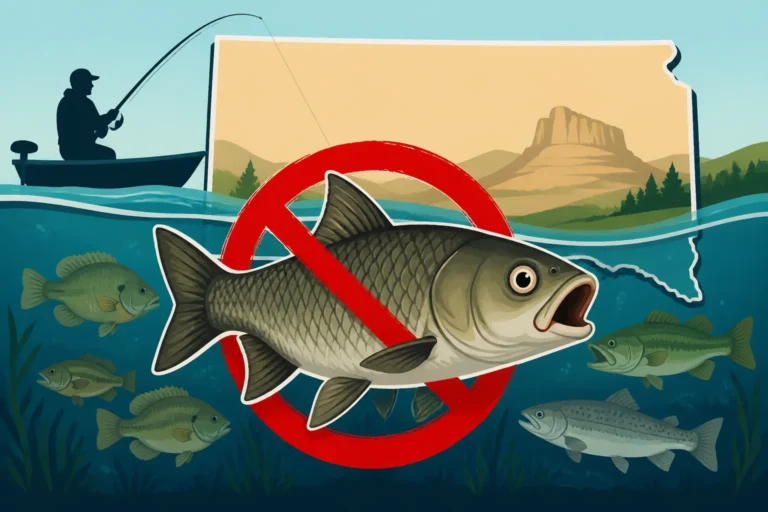
The first line of defense is accurate identification. Before you decide what to do with a fish you've caught, make sure you know what it is. If you suspect you've caught an invasive carp, do not release it back into the water. Instead, take clear photos of the fish, noting any distinguishing features like eye placement, scale size, and mouth shape. If you're unsure, consulting resources like the South Dakota GFP Fishing Handbook Guide or online identification guides can be immensely helpful.
Once identified, it's crucial to report your sighting to the South Dakota Game, Fish and Parks (GFP). They track these reports to understand the spread and concentration of invasive populations, which is essential for developing effective management strategies. Don't just toss it back if you suspect it's invasive; your report provides invaluable data. If you accidentally catch what you strongly believe to be an invasive carp, the guidance is generally to harvest it rather than releasing it.
Preventing Further Spread Clean, Drain, Dry
One of the most effective ways we can combat the spread of invasive species, including carp, is by diligently practicing the "Clean, Drain, Dry" protocol every single time you leave a water body. This isn't just a suggestion; it’s a critical habit for responsible angling.
- Clean: Inspect your boat, trailer, waders, and all fishing gear. Remove any visible mud, aquatic plants, or animals before leaving the access site. Even a rogue weed fragment on a fishing net purchased from Amazon can carry hitchhikers. Pay close attention to anchor ropes, fishing lines, and fishing nets, as these can easily pick up small organisms or plant fragments.
- Drain: Drain all water from your boat, including the bilge, livewells, bait buckets, and motor, before you leave the boat ramp. This ensures no water containing microscopic larvae or eggs is transported to a new location.
- Dry: Allow your boat and gear to thoroughly dry for at least 5-7 days before using it in a different water body. If drying isn't an option, consider washing with hot, high-pressure water.
Beyond your boat, be mindful of your bait. Never transport live fish from one water body to another, even if you think they are native species. Dispose of unused bait in the trash, not back into the water or on the ground near the water's edge. Adhering to South Dakota Boat Safety Requirements and these cleaning practices protects our aquatic environments for everyone.
Legalities and Guidelines for Handling Invasive Carp
South Dakota Game, Fish and Parks has specific regulations regarding invasive species, and it's essential to be aware of them. For most invasive carp species, if you catch one, the directive is generally "do not release." This means you should keep the fish, and if you don't plan to consume it, dispose of it properly in the trash. Never return a confirmed invasive carp to the water, as this only contributes to the problem.
Some anglers participate in specific activities, like bowfishing, which can be an effective method for removing large numbers of carp, including invasive species, from certain waters. If you're interested in alternative methods, always consult the current South Dakota Fishing Regulations Explained for rules on species, seasons, and legal methods. What if you accidentally catch one while How to Fish for Walleye in South Dakota using traditional methods? Don't panic! Simply identify it as best you can, take photos if needed, and make the responsible decision not to release it. Your careful handling of each catch is a key part of the larger conservation effort.
South Dakota's Efforts to Combat Invasive Carp
Our state isn't just sitting by; the South Dakota Game, Fish and Parks (GFP) is actively engaged in monitoring and managing invasive carp populations. It's a complex, long-term challenge, but dedicated professionals are working hard to protect our natural resources.
Monitoring and Management Strategies
The GFP employs various strategies to track and, where possible, control invasive carp. This includes regular fish population surveys, using methods like electrofishing and netting, to determine where these carp are present and in what numbers. This data helps biologists understand their spread and impact. They also participate in regional efforts, collaborating with other states along the Missouri River to create a unified front against these invaders. This collaborative approach recognizes that rivers don't respect state lines, and a solution in one state often requires coordination with neighbors.
While complete eradication of established populations in large river systems is incredibly challenging, GFP investigates and implements various management options. These might include exploring commercial fishing incentives to encourage the harvest of carp, or researching potential barrier systems (like acoustic or electric barriers) that could deter upstream migration in specific choke points. Ongoing research into carp behavior and population dynamics is also vital to inform effective strategies.
The Role of Public Awareness and Education
Beyond scientific monitoring and direct management, a huge part of the fight against invasive carp lies in public awareness and education. Every single angler, boater, and recreational water user can be an extra set of eyes and ears on the water, reporting sightings and adhering to prevention protocols.
The GFP regularly provides information and educational materials through their website, social media, and local offices, helping people understand the threats and how to respond. Workshops and community outreach programs reinforce the importance of "Clean, Drain, Dry" and proper identification. It's a shared responsibility, and the more informed we all are, the more effectively we can protect our waters. Even if you're fishing under South Dakota Fishing License Exemptions, you still have a responsibility to know and follow these guidelines. By working together and staying vigilant, we can collectively minimize the negative impacts of invasive carp on South Dakota's aquatic ecosystems and ensure healthy fishing for generations to come.
| Characteristic | Native Common Carp (Non-Invasive) | Bighead Carp (Invasive) | Silver Carp (Invasive) | Grass Carp (Invasive) |
|---|---|---|---|---|
| Mouth Position | Protrusible, downturned | Large, downturned | Sharply upturned | Terminal (front-facing) |
| Barbels (Whiskers) | Yes, two pairs around mouth | No | No | No |
| Eye Location | Normal, side of head | Low on head, below mouth axis | Low on head, below mouth axis | Normal, side of head |
| Belly Keel | Absent, rounded belly | Sharp, extends to anal fin | Sharp, extends to gill plate | Absent, rounded belly |
| Jumping Behavior | Rarely jumps | Rarely jumps | Frequently jumps when startled | Rarely jumps |
| Primary Diet | Omnivorous, bottom feeder | Zooplankton | Phytoplankton & Zooplankton | Aquatic vegetation |
| Scales | Large, distinct | Very small, fine, silvery | Very small, fine, silvery | Large, distinct |
| Typical Color | Olive green to golden brown | Silvery with dark mottling | Silvery | Silvery to dark olive |
Disclaimer
This article is for general informational purposes only and does not constitute professional advice. Laws, prices and regulations vary by location and change over time. Consult a qualified professional for guidance on your specific situation.