Are There Paddlefish in South Dakota?
It's a question many anglers, especially those new to the region or intrigued by unique fish, often ponder: are there paddlefish in South Dakota? And if so, what's it like to encounter one? For anyone who's heard whispers of these ancient, dinosaur-like fish, the idea of hooking into one can be both thrilling and a little intimidating. This guide will dive deep into the world of paddlefish in South Dakota, covering where they live, how they're managed, and what it truly takes to chase these fascinating giants.
The Enigmatic Paddlefish of South Dakota's Waters
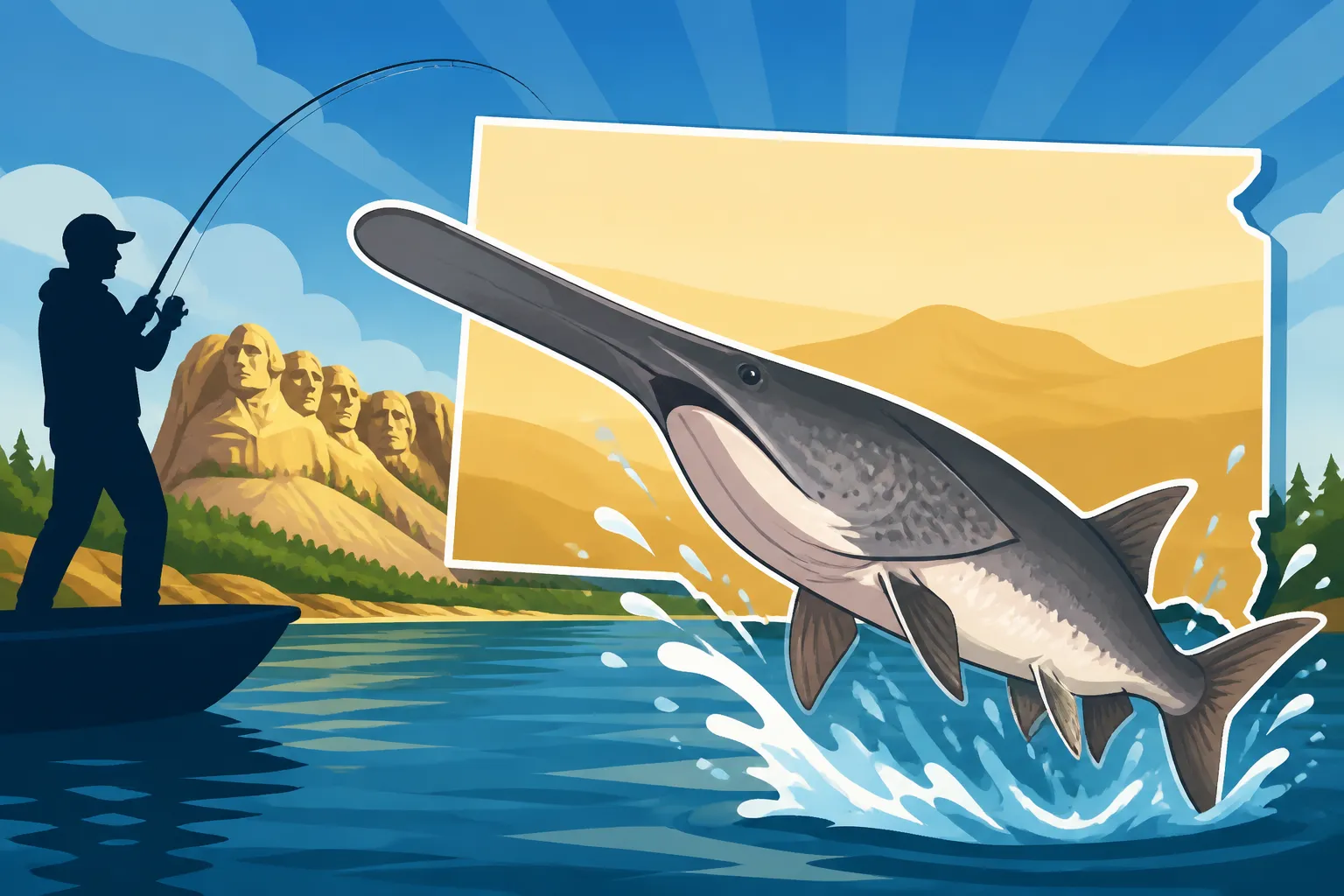
When you think of fishing in South Dakota, walleye, bass, and pike often come to mind first. But lurking in the depths of our larger rivers and reservoirs is a truly unique species – the American Paddlefish. These ancient fish, often called "spoonbill cats" by older generations, are unlike anything else swimming in our waters. They're a relic of a bygone era, with a distinct, paddle-shaped snout and a smooth, scaleless body.
Where Do Paddlefish Live in South Dakota?
Paddlefish are primarily found in the mighty Missouri River system, which carves its way through the heart of South Dakota. This means the large mainstem reservoirs—Lake Oahe, Lake Sharpe, Lake Francis Case, and Lewis and Clark Lake—are prime habitats for these impressive creatures. They thrive in large, slow-moving rivers and reservoirs with turbid (cloudy) waters, where they can filter-feed on zooplankton.
Imagine the vastness of Lake Oahe, stretching for over 200 miles through the state. It's a massive body of water, offering ample space for these giants to roam. Similarly, Lake Sharpe Fishing Guide and Lake Francis Case Fishing Guide detail other key areas of the Missouri River where paddlefish populations reside. They’re often found in the open water sections of these reservoirs, following concentrations of the tiny organisms that make up their diet. While they might migrate up tributaries for spawning, their primary residence is the main river channel and its sprawling impoundments. If you're exploring the South Dakota Missouri River Fishing Guide, you're very much in paddlefish territory, even if you're not specifically targeting them.
What Makes Paddlefish So Unique?
Paddlefish are truly one-of-a-kind. Their most striking feature is, of course, their long, flattened, paddle-like snout, which can be up to one-third of their total body length. This "paddle" is covered with electroreceptors, which they use to detect the weak electrical fields emitted by the zooplankton they feed on, much like a metal detector scans for buried treasure. Unlike most fish we encounter, paddlefish are filter feeders; they swim with their mouths open, straining tiny plankton from the water.
They lack scales, giving their skin a smooth, shark-like texture. They're also incredibly long-lived, often reaching ages of 20 to 30 years, and can grow to truly enormous sizes, sometimes exceeding 7 feet in length and weighing well over 100 pounds! This makes them one of the largest freshwater fish in North America. Their prehistoric appearance, with a cartilaginous skeleton much like sharks and rays, reminds us that they've been swimming these waters for millions of years, largely unchanged.
The Spawning Journey: A Seasonal Spectacle
Like many migratory fish, paddlefish undertake significant journeys to spawn. In South Dakota, this typically involves migrations upstream from the large reservoirs into suitable riverine environments. They seek out gravel bars and submerged sand flats in flowing water where they can deposit their eggs. The timing of this can vary based on water temperature and flow, but it generally occurs in late spring or early summer.
This spawning migration is a critical period for the species, and it's also when they become most vulnerable to human interaction. The South Dakota Game, Fish and Parks (GFP) closely monitors these movements to ensure the health and sustainability of the population. While you might not witness the actual spawning event firsthand, understanding this lifecycle helps appreciate the intricate balance required to manage such a unique fishery. The presence of suitable spawning habitat is a key factor in the overall health of the paddlefish population in the Missouri River system.
Fishing for Paddlefish in South Dakota: A Specialized Pursuit
Let's be clear upfront: fishing for paddlefish in South Dakota isn't like casting a line for walleye or dropping a jig for crappie. It's a highly specialized and regulated activity that requires specific gear, knowledge, and, often, a little bit of luck with a lottery system. If you're dreaming of a casual afternoon trying to catch a paddlefish, you'll need to adjust your expectations.
Is It Even Legal to Fish for Paddlefish?
Yes, it is legal to fish for paddlefish in South Dakota, but with very strict rules. This isn't an open fishery where anyone with a South Dakota Fishing License Guide can just head out and try their luck. Because of their unique biology, slow growth rate, and vulnerability, paddlefish are managed as a trophy species with a limited harvest. You won't be using traditional bait or lures because, as filter feeders, they don't bite in the conventional sense.
Instead, paddlefish are primarily caught by a method called "snagging" (sometimes called "hooking"). This technique involves using heavy gear to essentially "snag" the fish in its body as it swims by. Given the nature of this method and the conservation concerns, the state employs a lottery system for special tags that allow for the harvest of a paddlefish. Without one of these coveted tags, you absolutely cannot legally harvest a paddlefish, even if you accidentally snag one. This strict control is why understanding the South Dakota Fishing Regulations Explained is so crucial before even thinking about targeting these fish.
The Snagging Method: Why It's Different
Snagging for paddlefish is an intense experience. Since these fish don't feed on bait presented on a hook, anglers must resort to snagging. This typically involves casting a very heavy lead weight (often 8-12 ounces or more) with large, barbless treble hooks attached, then reeling it in with powerful sweeps to hopefully "snag" a passing paddlefish. It requires immense physical effort and specialized tackle.
You're not waiting for a bite; you're actively trying to hook the fish as it swims through the water column. This often happens in areas where paddlefish are known to congregate, particularly during their spawning migrations. It’s a completely different mindset than traditional angling. The sheer power of a large paddlefish once snagged can be incredible, testing both angler and gear to their limits. It's truly a battle of strength and endurance.
Catch and Release vs. Harvest
South Dakota's paddlefish season is strictly regulated, often with designated areas and specific dates for snagging. If you are lucky enough to draw one of the limited tags, you are permitted to harvest one paddlefish during the season. However, if you're fishing in a paddlefish area without a tag and accidentally snag one (which can happen, especially if fishing for other species with heavy gear), you must immediately release it unharmed.
The emphasis on responsible catch and release is paramount. Because paddlefish are so valuable and slow-growing, minimizing stress and injury during release is critical for their survival. Anglers must be prepared to handle these large fish carefully, even if they don't intend to keep them. Using barbless hooks, as often required, helps facilitate a quick and clean release. The South Dakota Fish Limits and Size Restrictions typically don't apply to paddlefish in the same way as other species, as the tag itself is the primary limitation on harvest.
Understanding the Regulations and Conservation Efforts
The unique status of paddlefish in South Dakota means that their fishery is managed with extreme care. The goal is to allow for some recreational opportunity while ensuring the long-term health and sustainability of this remarkable species. It's a delicate balance, and the regulations reflect that.
The South Dakota Paddlefish Tag Lottery
To ensure a sustainable harvest, South Dakota implements a lottery system for paddlefish tags. This means you can't simply walk into a retailer and buy a paddlefish tag like you would a standard fishing license. Instead, interested anglers must apply during a specific window, and a limited number of tags are drawn. These tags are highly sought after, reflecting the unique opportunity they present.
The number of tags available varies each year, based on biological assessments of the paddlefish population. If you're serious about snagging a paddlefish, keeping an eye on the South Dakota GFP website for application deadlines is crucial. It's a bit like applying for a big game hunting tag; it's a dedicated process. The limited access through the lottery system helps prevent overfishing and ensures that the paddlefish population remains robust for future generations of anglers.
Important Dates and Designated Areas
The paddlefish snagging season in South Dakota is not open year-round, nor is it open across all waters. Specific dates are designated, usually in the spring or early summer, corresponding to when paddlefish are congregating for their spawning migrations. Furthermore, snagging is only permitted in certain designated areas, typically stretches of the Missouri River or its reservoirs where paddlefish are known to be present in higher numbers and where the activity can be safely managed.
For example, areas like the tailwaters below Gavins Point Dam or certain sections of the Missouri River arm of Lake Francis Case might be designated. It's absolutely critical to consult the most current South Dakota GFP fishing handbook or website for the precise dates, open areas, and any special restrictions before planning a trip. Showing up on the wrong date or in the wrong spot can lead to fines and legal trouble. Always double-check the South Dakota GFP Fishing Handbook Guide for the latest information.
Why the Strict Rules? Conservation is Key
The strict regulations surrounding paddlefish fishing are rooted in conservation. Paddlefish have several biological characteristics that make them particularly vulnerable to overfishing:
- Slow Growth and Late Maturity: They grow slowly and take many years to reach sexual maturity. A female paddlefish might not spawn until she's 10-15 years old. This means it takes a long time for populations to recover if too many adults are harvested.
- Unique Feeding Habits: Their filter-feeding nature makes them impervious to traditional hook-and-line methods, necessitating snagging, which can be less selective and potentially harmful if not done correctly.
- Habitat Dependence: They rely on specific riverine habitats for successful spawning, which can be impacted by damming, altered flow regimes, and habitat degradation.
Because of these factors, responsible management is vital. The South Dakota GFP actively monitors paddlefish populations through tagging programs, surveys, and genetic studies. These efforts help biologists understand population trends, migration patterns, and overall health, allowing them to adjust regulations as needed. When you obtain a tag, you're often required to report your catch, providing invaluable data for these conservation efforts. It's a testament to the state's commitment to preserving this magnificent, ancient species.
Gear and Preparation for a Paddlefish Expedition
Alright, so you've learned about the paddlefish, the regulations, and you're thinking, "This sounds like an incredible challenge!" If you're serious about pursuing paddlefish, even just for the experience of an authorized snagging trip, your typical walleye rod and reel won't cut it. This is heavy-duty fishing, requiring specialized equipment and a mindset for big fish.
Heavy-Duty Rods and Reels are a Must
When you're dealing with a fish that can exceed 100 pounds and possesses incredible power, "heavy-duty" is an understatement. You'll need a rod and reel setup designed for big game. Think about what saltwater anglers use for tuna or what muskie hunters use for their giants.
- Rods: Look for long, heavy-action rods, often 8 to 10 feet in length, rated for extremely heavy line. Fiberglass or composite rods known for their durability and backbone are often preferred. You're not looking for sensitivity; you're looking for brute strength. You might find suitable options by searching for "heavy saltwater surf rods" or "catfish punching rods" on Amazon.
- Reels: A large, durable baitcasting reel or a robust spinning reel with a strong drag system and high line capacity is essential. Your reel needs to handle the shock of snagging a massive fish and have the stopping power to bring it in against strong currents. Don't skimp here; a cheap reel will quickly fail under the stress of a big paddlefish. A good quality, high-capacity reel is an investment.
Line, Hooks, and Rigging
Your line and terminal tackle need to match the power of the fish and the demands of the snagging technique.
- Line: Forget your 10-pound mono. You'll need heavy braided line, typically 80 to 100-pound test, or even heavier. Braid offers superior strength, low stretch for solid hooksets, and abrasion resistance. A strong, shock-absorbing leader of heavy monofilament or fluorocarbon might also be used to connect to your hooks and sinker.
- Hooks: Large, heavy-gauge treble hooks are the standard. They are often required to be barbless in designated paddlefish areas to facilitate easier release if the fish is not being harvested. Common sizes are 8/0 to 12/0. You'll typically rig two or three of these hooks on heavy leaders above a substantial weight.
- Weights: Expect to use heavy pyramid or no-roll sinkers, often 8 to 12 ounces, or even more depending on the current. These weights are crucial for casting distance and keeping your hooks near the bottom where paddlefish often cruise.
A common setup might involve a heavy sinker on the bottom, with two or three large treble hooks spaced above it on heavy leader material. You might find a kit designed for specific salmon or catfish snagging that could be adapted, but always double-check local regulations for hook size and barbless requirements.
Essential Safety and Handling Gear
Landing and handling a large, powerful fish like a paddlefish isn't just about the rod and reel; it's about safety for both you and the fish.
- Sturdy Gloves: Heavy-duty gloves are non-negotiable. Paddlefish can be incredibly slippery, and those large treble hooks can be dangerous. Protect your hands. You can find a good selection of robust fishing gloves on Amazon, many designed for handling toothy or large fish.
- Large Net or Gaff: A truly massive landing net designed for muskie or large saltwater fish is a huge asset. If gaffs are allowed and you intend to harvest, a sturdy gaff is necessary to control and boat such a large fish. Always check regulations regarding gaff use.
- Pliers/Bolt Cutters: Heavy-duty pliers or bolt cutters are essential for quickly removing hooks, especially if you're catch-and-release fishing.
- Measuring Tape/Scale: If you have a tag and plan to harvest, be prepared to measure your fish for length and potentially weigh it.
Paddlefish are powerful and can thrash violently. Approach them with caution and respect. Having a fishing partner or two can make the landing and handling process much safer and more efficient. Remember, the goal is not just to catch the fish, but to do so safely and responsibly.
| Feature / Species | Walleye | Northern Pike | Crappie | American Paddlefish |
|---|---|---|---|---|
| Typical Fishing Method | Jigging, Trolling, Live Bait | Casting Lures, Trolling | Jigging, Minnows, Worms | Snagging (highly specialized) |
| Dietary Habit | Predator (fish, insects) | Apex Predator (fish, waterfowl) | Predator (insects, small fish) | Filter Feeder (zooplankton) |
| Body Covering | Scaled | Scaled | Scaled | Scaleless (smooth skin) |
| Mouth Type | Terminal, Toothed | Large, Toothed | Small, Upward-facing | Large, Wide, Sub-terminal |
| Average Adult Size | 15-25 inches | 25-40 inches | 8-12 inches | 4-7 feet (snout to tail) |
| Average Adult Weight | 2-8 lbs | 5-20 lbs | 0.5-1.5 lbs | 40-100+ lbs |
| Conservation Status | Common | Common | Common | Vulnerable, Highly Regulated |
| South Dakota Presence | Abundant | Abundant | Abundant | Missouri River System (limited) |
Yes, paddlefish are very much a part of South Dakota's aquatic landscape, particularly in the vast Missouri River system. However, they're not your everyday catch. Their ancient lineage, unique biology, and the specialized, highly regulated nature of their fishery make them one of the most intriguing and challenging species for anglers. If you're drawn to the idea of encountering a true freshwater giant and are willing to navigate the lottery system and master the specific techniques, pursuing a paddlefish in South Dakota promises an unforgettable fishing adventure. Just remember to always prioritize conservation and adhere to all the specific rules and regulations.
Disclaimer
This article is for general informational purposes only and does not constitute professional advice. Laws, prices and regulations vary by location and change over time. Consult a qualified professional for guidance on your specific situation.