Lake Sharpe Fishing Below Big Bend Dam
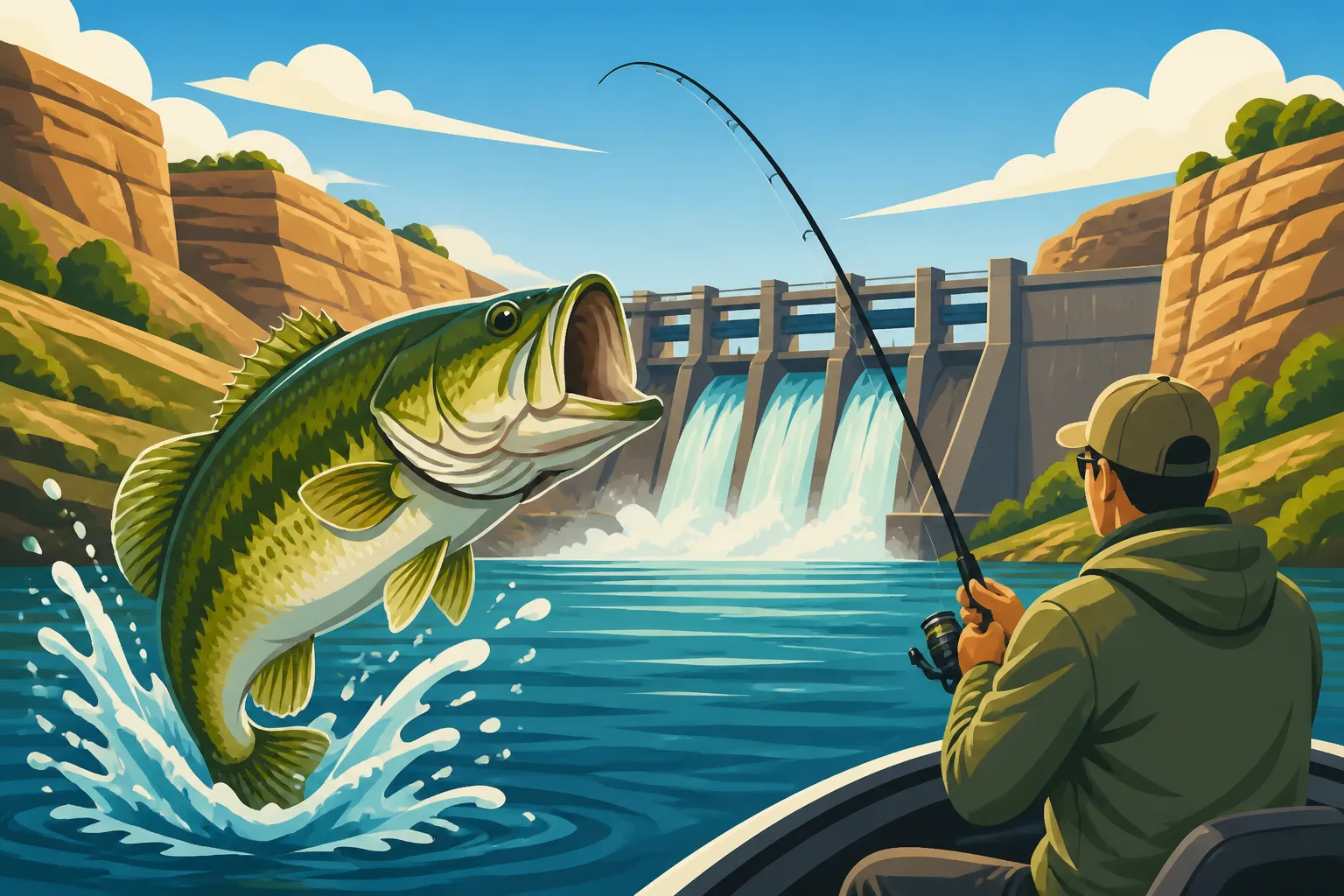
Fishing below a dam can be one of the most exciting, yet sometimes frustrating, experiences for an angler. The sheer power of the water released from Big Bend Dam into Lake Sharpe creates a dynamic environment that, while challenging, also concentrates baitfish and predatory species like nowhere else. If you've ever felt overwhelmed by the fast currents or unsure where to cast your line, this comprehensive guide is here to demystify fishing this incredible tailwater section, helping you unlock its full potential for a memorable South Dakota fishing adventure.
Understanding the Unique Environment Below Big Bend Dam
The area immediately downstream from the Big Bend Dam on Lake Sharpe isn't just another stretch of river; it's a unique ecosystem heavily influenced by the dam's operation. The controlled release of water dictates current speed, water temperature, and oxygen levels, all of which are critical factors that impact fish behavior and location. Anglers who take the time to understand these dynamics will consistently find more success than those who simply cast randomly.
The Influence of Current on Fish Behavior
The most prominent feature below Big Bend Dam is the powerful current. This isn't just a nuisance; it's a magnet for fish. The moving water carries nutrients and baitfish, creating a natural feeding lane for larger predators. Walleye, smallmouth bass, and even catfish will position themselves out of the main current, often in seams or eddies, conserving energy while waiting for an easy meal to drift by. Think of it like a buffet line where the food comes to them.
For anglers, this means adjusting your approach. You can't just throw out a lightweight lure and expect it to stay in the strike zone. Heavier jigs, bottom-bouncing rigs, or stout crankbaits designed to dive deep and resist the current are often necessary. Understanding where the strong currents meet slower water is key. These "current seams" are prime real estate, as are any obstructions that break the flow, creating calm pockets. Learning to read the water – spotting boils, eddies, and subtle changes in the surface – will tell you where fish are likely holding, out of the direct push but ready to ambush passing prey.
Submerged Structure and Habitat
Beyond the current, the underwater landscape below Big Bend Dam is rich with structure. Decades of water flow have scoured the bottom, revealing rocky outcroppings, gravel beds, and sometimes even remnants of old trees or debris. This structure provides essential cover for baitfish, but more importantly, it offers ambush points and current breaks for larger game fish.
Walleye, known for their preference for hard bottom and structure, will often hug the bottom near these features. Smallmouth bass, true rock hounds, will be found lurking around boulders, riprap, and rocky ledges, especially in areas with good current. Identifying these hotspots often requires a good fish finder or simply a keen eye for shoreline indicators that suggest similar underwater topography. Areas where the riprap from the dam meets a natural shoreline, or where a point extends into the river, can be particularly productive. Even subtle changes in depth, such as a sharp drop-off or an underwater hump, can concentrate fish, making them prime targets for vertical jigging or slow-trolling presentations.
Target Species and Prime Fishing Times
The tailwater section of Lake Sharpe below Big Bend Dam is a celebrated fishery, especially known for its impressive walleye population. However, it's also a fantastic spot for smallmouth bass and various panfish and catfish. Knowing what species to target and when to target them will significantly increase your chances of success.
Walleye Wisdom: Seasonal Patterns
Walleye are undoubtedly the star of the show below Big Bend Dam. They are present year-round, but their behavior changes significantly with the seasons.
- Spring (Post-Spawn): After spawning upstream or in shallower areas, walleye often migrate downstream to feed aggressively. This period, typically from late April through May, can be incredible. They'll be hungry, actively chasing baitfish in the current seams and along the edges of deeper channels. Jigging with minnows or plastics is highly effective, as is trolling crankbaits that mimic the local baitfish.
- Summer: As water temperatures rise, walleye often move to deeper, cooler water. They'll still be in the tailwater, but you might need to target them around deeper structure or in the main river channel. Early mornings and evenings often offer the best bite, as walleye are light-sensitive and become more active under low light conditions or when the dam is releasing less water. Night fishing for summer walleye can also be incredibly productive.
- Fall: This is another peak season, often rivaling spring. As temperatures cool, walleye begin to feed heavily in preparation for winter. They can be found shallower than in summer, but still relating to current breaks and structure. Trolling crankbaits, drifting live bait rigs, or casting jigs are all excellent choices. The fish are often schooled up, so when you find one, there are likely more.
- Winter (Ice-Out/Open Water): Even in winter, if the tailwater remains open and ice-free, walleye can be caught. They'll be slow and lethargic, requiring a subtle approach, often with vertical jigging spoons or small minnows fished slowly near the bottom.
To learn more about how to catch walleye in South Dakota, check out our in-depth guide on How to Fish for Walleye in South Dakota.
Smallmouth Bass Strategies
While walleye steal much of the spotlight, the smallmouth bass fishing below Big Bend Dam is absolutely stellar. These feisty fighters thrive in the rocky, current-rich environment. They are typically found shallower than walleye, hugging the riprap, rock piles, and any current-breaking structure.
- Spring: Smallmouth become very active in spring as water temperatures rise, congregating around rocky points and shorelines. Casting crankbaits, tube jigs, or soft plastics that mimic crawfish or baitfish can elicit aggressive strikes. Look for them in areas with moderate current.
- Summer: During summer, smallmouth will still be found on rocky banks and points, but they might seek slightly deeper water during the brightest parts of the day. Early morning and late evening topwater action can be explosive. If you're looking for Lake Sharpe Smallmouth Bass Near Big Bend Dam, focus on rocky areas with current.
- Fall: Like walleye, smallmouth will feed heavily in the fall, making this an excellent time to target them. They'll be very active, chasing baitfish and often schooling up. Jigs, crankbaits, and spinnerbaits are all effective.
Other Species to Expect: Catfish, Crappie, and More
Beyond the walleye and smallmouth, the waters below Big Bend Dam hold a healthy population of other species that can provide exciting action.
- Catfish: Channel catfish are abundant and grow to impressive sizes here. They prefer slower currents and deeper holes, often found just out of the main flow. Cut bait, stink baits, or live bait fished on the bottom are highly effective, especially during warmer months and into the night. If you're curious about targeting these bottom dwellers, our South Dakota Catfish Fishing Guide offers great tips.
- Crappie and Panfish: While not as prevalent as in some other parts of Lake Sharpe, crappie and other panfish (like white bass) can be found in slack water areas, often near submerged brush or slower eddies. Small jigs, minnows, or tiny crankbaits are the best offerings. White bass are particularly fun in the summer, often schooling up and chasing bait on the surface.
Effective Techniques and Gear for Tailwater Success
Fishing below a dam demands specific techniques and robust gear to stand up to the currents and consistently land fish. This isn't the place for ultra-light tackle, unless you're targeting panfish in the very slackest of water.
Go-To Lures and Baits
Choosing the right presentation is paramount in these dynamic waters.
- Jigs: Jigs, paired with soft plastics (like Berkley Gulp! or Z-Man ElaZtech baits) or live bait (minnows, nightcrawlers), are absolute staples. For the strong current, you'll often need heavier jigs, ranging from 1/4 ounce up to 1 ounce or more, depending on the current speed and depth. Vertical jigging directly below the boat or casting upstream and letting the jig drift naturally back through a current seam are highly effective. For more specific advice on this technique, check out our guide on Jigging Techniques for Missouri River Walleye.
- Crankbaits: Diving crankbaits are excellent for covering water and targeting fish actively feeding. Choose models that dive to the desired depth and have a tight wobble that can cut through the current. Trolling crankbaits, especially in deeper channels or along structure edges, is a popular and productive method for walleye. Colors that mimic shad, perch, or crawfish are often winners.
- Live Bait Rigs: Drifting live bait, especially large minnows or nightcrawlers on a bottom-bouncing rig or a three-way swivel setup, is incredibly effective for walleye and catfish. The key is to use enough weight to keep your bait near the bottom without constantly snagging. Let the current do the work, carrying your bait naturally into strike zones.
- Soft Plastics: Beyond jig trailers, plastic grubs, swimbaits, and creature baits can be deadly for smallmouth bass. Rigged on a jig head or even a weighted hook, these can be cast and retrieved or slowly worked along the bottom.
Rod, Reel, and Line Setup
Your tackle needs to be up to the task of fighting strong fish in strong currents.
- Rods: Medium-heavy to heavy power spinning or baitcasting rods, typically 6'6" to 7'6" in length, are ideal. The longer rods provide better casting distance and leverage for fighting fish. A sensitive tip is crucial for detecting subtle bites in current, while a strong backbone helps pull fish away from snags.
- Reels: For spinning setups, a 2500-4000 series reel with a smooth drag is recommended. For baitcasting, a reel with a good gear ratio for quick line retrieval and a strong drag system will serve you well.
- Line: Braided line, in the 10-20 lb test range, is highly favored due to its no-stretch sensitivity and incredible strength-to-diameter ratio. This allows you to feel even the lightest taps and set the hook effectively, even in deep water or strong current. Always use a fluorocarbon leader (8-15 lb test) for abrasion resistance and invisibility, as walleye and smallmouth can be line-shy in clearer water.
Boat Versus Shore Tactics
Both boat and shore anglers can find success below Big Bend Dam, though each requires a different approach.
- Boat Fishing: Having a boat provides the ultimate flexibility, allowing you to move with the fish, explore different current seams, and precisely work submerged structure. Anchoring precisely above a drop-off or a rock pile, or using a robust trolling motor with GPS capabilities, allows for controlled drifts and presentations. Remember to always prioritize South Dakota Boat Safety Requirements, especially with the strong currents near the dam. If you're considering a guided trip to maximize your chances, platforms like FishingBooker can help you find experienced local captains who specialize in this area.
- Shore Fishing: Accessible shorelines, especially along the riprap, can offer excellent opportunities, particularly for smallmouth bass and walleye that move closer to shore to feed. Look for areas where the current breaks or where deeper water is accessible from the bank. Heavier casting spoons, large crankbaits, or bottom rigs with bait can be cast from shore. Just be mindful of uneven footing and the powerful currents. Some of the best shore fishing occurs when dam releases are lower.
Navigating Access and Regulations
Before heading out, it’s crucial to understand how to access the fishing spots and what regulations apply to this specific area. Fishing the Missouri River tailwaters comes with its own set of rules and access points.
Best Boat Ramps and Shoreline Access Points
Accessing the waters below Big Bend Dam is relatively straightforward, but knowing the best spots can save you time and frustration.
- Fort Hale Bridge Area: Just downstream from the dam, this area offers good boat access and some shoreline fishing opportunities, especially for those targeting walleye and smallmouth bass in the immediate tailwaters. The currents here are often the strongest.
- West Bend Recreation Area: A bit further downstream, the West Bend Recreation Area provides excellent boat ramps and camping facilities. While not directly below the dam, it offers access to the productive mid-section of Lake Sharpe, still influenced by the dam's releases but with slightly less intense current. Our guide on Lake Sharpe Fishing at West Bend Recreation Area has more details on this popular spot. You'll find good structure and various species here.
- Lower Lake Sharpe Access: Further downstream, other public access points and recreation areas offer good opportunities as the river widens and the current lessens. These spots can be great for crappie, catfish, and walleye that have moved away from the most turbulent waters.
Always be sure to check local signage at boat ramps for specific rules or closures. And if you're looking for a hassle-free fishing experience, booking a trip with a local guide through services like FishingBooker can ensure you're dropped off at the most productive and safe access points.
Specific Regulations and Safety Considerations
South Dakota fishing regulations are in place to ensure a sustainable fishery for everyone. While general statewide rules apply, specific bodies of water, especially productive tailwaters like this, can have special regulations.
- South Dakota Fishing License Guide: First and foremost, you need a valid South Dakota fishing license. Whether you're a resident or a nonresident, or just need a South Dakota Annual Fishing License, make sure your license is current.
- Species-Specific Limits: Always check the most current South Dakota Fishing Regulations Explained document or the South Dakota GFP Fishing Handbook Guide for specific daily and possession limits for walleye, smallmouth bass, catfish, and other species. These can vary by water body and sometimes even by season. For instance, there might be specific walleye limits that apply to Lake Sharpe.
- Number of Lines: Generally, anglers are allowed to use up to two lines in South Dakota waters. Ensure you are compliant.
- Bait Restrictions: While live bait is generally permitted, always double-check if there are any specific restrictions on certain types of bait in certain areas, particularly when it comes to transporting live bait from different water bodies to prevent the spread of aquatic invasive species.
- Boating Safety: The currents below Big Bend Dam can be powerful and unpredictable. Always wear a life jacket, especially when operating a boat in strong currents. Be aware of submerged hazards and other boaters. Never get too close to the dam structure itself; there are often restricted zones for safety reasons. Having a basic understanding of Missouri River Tailwater Fishing Techniques and their associated safety precautions is highly advisable.
Here's a quick overview of some key details for fishing below Big Bend Dam:
| Species | Prime Seasons | Recommended Baits/Lures | Typical Locations | Notes |
|---|---|---|---|---|
| Walleye | Spring, Fall, Summer | Jigs (plastics/minnows), Crankbaits, Live Bait | Current seams, Drop-offs, Deep channels | Best in low light; adjust jig weight for current. |
| Smallmouth Bass | Spring, Summer, Fall | Tube jigs, Crankbaits, Soft Plastics, Topwater | Riprap, Rocky points, Boulder fields | Aggressive fighters; target structure with current. |
| Channel Catfish | Summer, Late Spring | Cut Bait, Stink Bait, Live Worms | Deep holes, Slower eddies, Bottom structure | Excellent night bite; robust tackle needed. |
| Crappie | Spring | Small jigs, Minnows, Tiny crankbaits | Slack water, Submerged brush, Eddy lines | Less common but present in calmer areas. |
| White Bass | Summer | Small spoons, Spinners, Jigging plastics | Schooling in open water, Chasing baitfish | Highly active; look for surface boils. |
Remember, fishing below Big Bend Dam is an exhilarating experience that combines powerful currents with an abundance of fish. By understanding the environment, targeting the right species with effective techniques, and adhering to regulations, you're set for an unforgettable day on Lake Sharpe. Tight lines!
Disclaimer
The information provided in this guide is for general informational purposes only and is subject to change. Fishing regulations, conditions, and fish populations can vary. Always consult the latest South Dakota Game, Fish and Parks regulations before fishing and prioritize personal safety on the water.