South Dakota Fly Fishing Guide
For many anglers, the thought of fly fishing immediately conjures images of pristine mountain streams in places like Montana or Colorado. While those destinations certainly have their allure, overlooking South Dakota's diverse and incredibly rewarding fly fishing opportunities would be a genuine mistake. Many aspiring fly anglers in the region feel intimidated, unsure where to start or if their passion for the long rod even has a place here, but this comprehensive guide is here to assure you that not only does it have a place, but South Dakota offers some truly exceptional experiences for the fly fisherman eager to explore.
The Unique Appeal of South Dakota Fly Fishing
South Dakota isn't just about big lakes and walleye; it's a hidden gem for fly anglers who appreciate variety and a touch of solitude. The state offers a surprising range of environments, from the crystalline mountain streams of the Black Hills to the vast Missouri River tailwaters and even the warm-water havens of the prairie lakes. This diversity is what truly sets South Dakota apart, offering challenges and rewards for every skill level and preference.
Beyond the Black Hills: Unexpected Opportunities
It's a common misconception that if you're going to fly fish in South Dakota, you're only heading to the Black Hills for trout. And while the trout fishing there is absolutely stellar, it’s far from the only game in town. Imagine the thrill of casting poppers to aggressive smallmouth bass on a sprawling prairie lake, or targeting northern pike with a large streamer in a quiet backwater slough. These warmwater opportunities, often overlooked by those fixated on trout, provide incredible action and a chance to expand your fly fishing repertoire. Many of these waters see far less pressure than their trout counterparts, offering a more peaceful and exploratory experience. You might be surprised at the size and fight of a carp hooked on the fly, too – they're often called "golden bones" for a reason!
Why South Dakota Stands Out for Anglers
Compared to some of the more famous fly fishing destinations, South Dakota offers a unique blend of accessibility and relative solitude. You won't always find yourself elbow-to-elbow with other anglers, particularly if you venture beyond the most popular trout streams during peak season. The state's commitment to managing its fisheries, coupled with its vast and varied landscapes, means that an adventurous fly angler can discover truly wild and rewarding experiences. Plus, the sheer beauty of the changing landscapes – from pine-clad mountains to rolling prairies and broad rivers – adds an unparalleled aesthetic to every cast. It's a place where you can truly connect with nature and your fishing passion, often without the crowds.
Understanding South Dakota's Diverse Fly Fishing Waters
South Dakota's hydrography is much more complex and interesting than many realize, providing a rich tapestry of environments for the fly angler. Each type of water demands a slightly different approach, a unique set of flies, and a keen understanding of the resident fish species.
Black Hills Trout Streams: The Crown Jewel
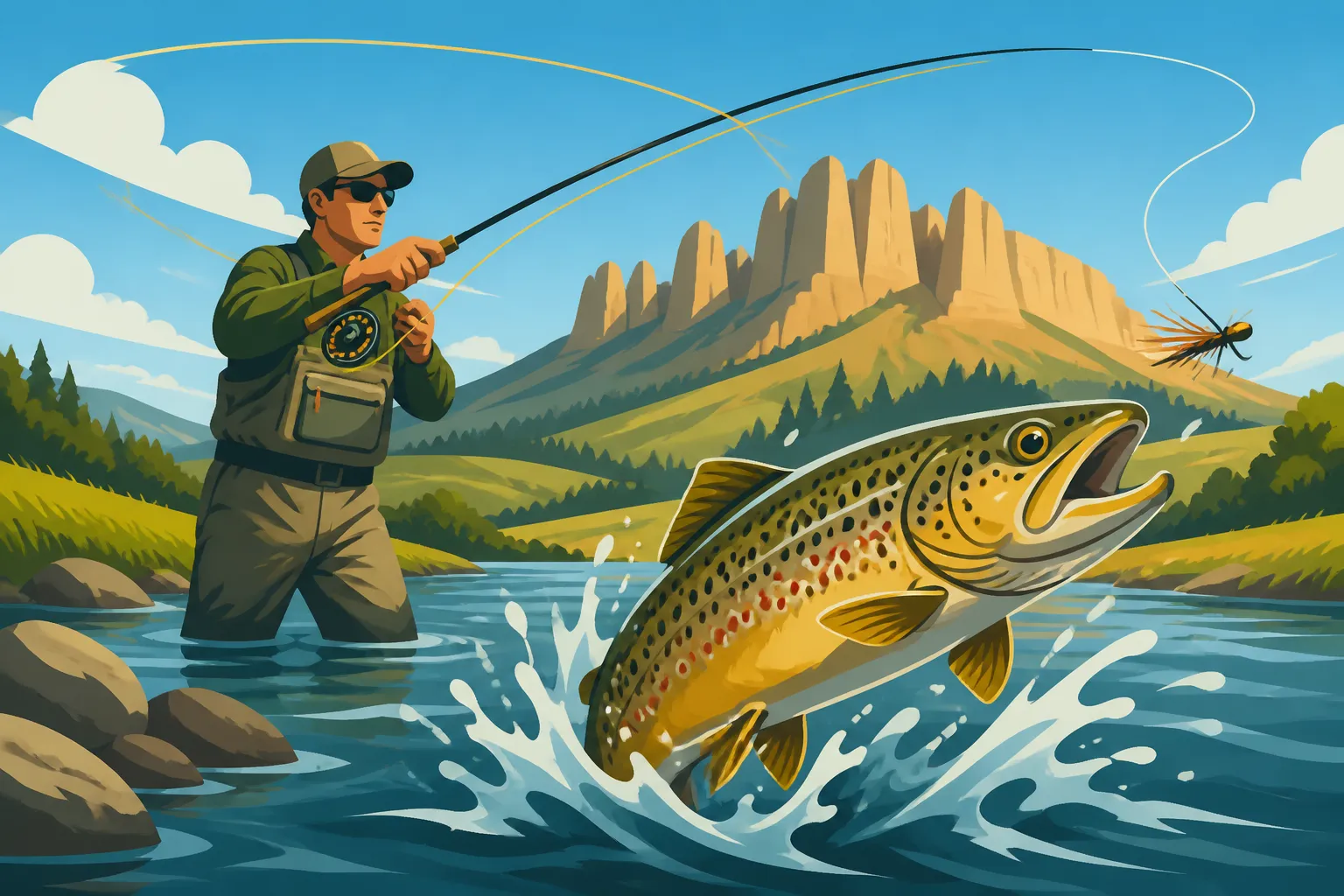
The Black Hills are, without a doubt, the undisputed highlight for cold-water fly fishing in South Dakota. Here, you’ll find a network of crystal-clear streams teeming with trout. Rapid Creek, particularly its sections near Rapid City and the celebrated catch-and-release waters below Pactola Dam, is legendary for its healthy populations of rainbow, brown, and brook trout. Spearfish Creek, winding through the stunning Spearfish Canyon, is another favorite, offering technical challenges and incredible scenery. Other notable streams include Castle Creek, Box Elder Creek, and Spring Creek. These streams are primarily freestones, though some are influenced by dam releases, creating tailwater conditions in certain stretches. They are characterized by cold, oxygen-rich water, gravelly bottoms, and plenty of classic trout holding water like riffles, runs, and deep pools. Understanding the specific hatches in these environments is key to success, making them a fantastic challenge for dedicated fly anglers. If you're planning a trip, be sure to check out our comprehensive Black Hills Trout Stream Fishing Guide.
Missouri River Tailwaters and Smaller Tributaries
The mighty Missouri River, especially its stretches below the large dams like Oahe and Big Bend, creates unique and incredibly productive tailwater fisheries. The consistent cold water released from the depths of these reservoirs can support trout, often surprising anglers who don't expect to find them outside the Black Hills. While not as numerous as in the mountains, these tailwater trout can grow quite large and offer exciting opportunities. Beyond trout, these river sections and their smaller tributaries are phenomenal for warmwater species on the fly. Aggressive smallmouth bass thrive among the rocky structures and current seams, and northern pike can be found lurking in slower backwaters. The current can be strong, requiring different casting and presentation techniques than those used on smaller streams, but the rewards are well worth the effort. Mastering Missouri River Tailwater Fishing Techniques can significantly boost your success here.
Glacial Lakes and Prairie Ponds: Warmwater Fly Fishing
Eastern South Dakota's landscape is dotted with numerous glacial lakes and prairie ponds, offering a completely different, but equally exciting, fly fishing experience. These waters are primarily home to warmwater species, providing fantastic opportunities for targeting panfish (bluegill, crappie, perch), largemouth bass, and even carp. Lakes like Kampeska, Poinsett, and Bitter Lake are prime examples of these productive environments. Here, fly fishing often involves casting poppers and topwater flies near weed lines, lily pads, and submerged structure, or stripping streamers in deeper water. The action can be incredibly fast-paced, especially for panfish, making it an excellent option for beginners or for anglers looking for consistent bites. Even carp, often underestimated, provide a thrilling fight on a fly rod, requiring stealth and accurate casts in shallow flats.
Essential Gear for South Dakota Fly Fishing
Having the right gear makes all the difference, whether you're stalking wary trout in a mountain stream or casting big flies for pike in a prairie lake. While specific needs will vary, a solid foundation of reliable equipment is crucial.
Rods, Reels, and Lines for Different Waters
For the delicate presentations required on Black Hills trout streams, a 3 to 5-weight fly rod, typically 7'6" to 9' in length, is your workhorse. A 3-weight is perfect for small streams and tiny dries, while a 5-weight offers more versatility for nymphing and handling slightly larger fish. Pair these with a matching reel that has a smooth, reliable disc drag system, mainly for balancing the rod but also ready for a surprise strong run. A weight-forward floating line is standard for most trout fishing.
When you transition to targeting species like smallmouth bass, northern pike, or carp in the Missouri River or the glacial lakes, you'll want to step up your tackle significantly. A 6 to 8-weight rod, usually 9 feet long, provides the backbone needed to cast larger, wind-resistant flies and handle the fight of these stronger fish. For these heavier setups, a good quality reel with a robust drag is essential, as these fish can really pull line. Your lines should be versatile; a weight-forward floating line is still great for poppers, but a sink-tip or intermediate sinking line will be invaluable for getting streamers down to where bass and pike lurk in deeper water or strong currents. You can find a fantastic selection of rods, reels, and lines for all types of fishing on Amazon, often with reviews that can help guide your choice.
Fly Selection: Matching the Hatch and Beyond
The flies you carry will directly impact your success. For the Black Hills trout streams, a well-stocked box will include:
- Dry Flies: Adams, Elk Hair Caddis, Parachute Adams, BWO imitations, Tricos, terrestrial patterns like hoppers, ants, and beetles (especially in summer).
- Nymphs: Pheasant Tail, Hare's Ear, Prince Nymph, Zebra Midge, San Juan Worm, scud patterns. Vary sizes from #14 down to #22.
- Streamers: Woolly Buggers (olive, black), Sculpzillas for larger brown trout.
For warmwater species like smallmouth bass, largemouth bass, and pike:
- Topwater: Poppers (chartreuse, white, black), Gurglers, deer hair bugs.
- Subsurface: Clouser Minnows (chartreuse/white, olive/white), Half-and-Half Streamers, Woolly Buggers (larger sizes), Game Changer style flies for pike.
- Panfish/Carp: Smaller poppers, foam spiders, small Woolly Buggers, bread fly imitations for carp.
It’s always a good idea to check with local fly shops when you arrive; they can give you up-to-the-minute information on what's hatching and what the fish are biting on.
Waders, Boots, and Essential Accessories
Staying comfortable and safe on the water means having the right apparel and tools.
- Waders: Chest waders are highly recommended for traversing Black Hills streams and even for wading shallow lake edges. Choose breathable waders for summer and early fall, and consider neoprene for colder spring or late fall fishing.
- Wading Boots: Paired with your waders, good wading boots offer crucial ankle support and traction. Felt soles generally provide superior grip on slick stream rocks, but rubber soles are more versatile for hiking and often required in certain areas to prevent the spread of aquatic invasive species. Always check local regulations.
- Net: A small, rubber-meshed landing net is invaluable for safely landing and releasing trout, minimizing harm to the fish.
- Nippers & Forceps: These small tools are absolutely essential for cutting leader/tippet and safely removing hooks.
- Floatant: Keeps your dry flies riding high on the water.
- Tippet & Leader: Carry a range of tippet sizes (from 6X for delicate trout presentations up to 0X-20lb for bass/pike) and appropriate leaders.
- Fly Boxes: Durable, waterproof fly boxes keep your precious flies organized and protected.
- Polarized Sunglasses: Not just for eye protection, polarized lenses cut glare, allowing you to spot fish and submerged structure.
- Sun Protection: Sunscreen, a wide-brimmed hat, and sun-protective clothing are a must for long days on the water.
Having a well-organized fishing vest or pack is also crucial for keeping everything accessible. For a complete overview of what else you might need, our South Dakota Fishing Gear Checklist provides excellent guidance.
Key Techniques for South Dakota Fly Fishing Success
Fly fishing is an art form that blends casting prowess with an understanding of fish behavior and entomology. Different waters and target species in South Dakota will demand various techniques.
Nymphing and Dry Fly Presentation for Trout
For trout in the clear, cold streams of the Black Hills, mastering both nymphing and dry fly presentation is paramount.
- Nymphing: This technique involves drifting subsurface fly patterns (nymphs) that imitate aquatic insect larvae or pupae. High-stick nymphing is effective in faster runs, using the rod tip to maintain a direct connection to your flies and minimize drag. Indicator nymphing utilizes a strike indicator (a small bobber) to detect subtle takes and suspend your flies at a specific depth. The key to successful nymphing is achieving a drag-free drift, allowing your flies to move naturally with the current, mimicking real insects. Reading the water to identify prime holding lies – seams where currents meet, deep pockets, and the tail-outs of pools – is critical.
- Dry Fly Presentation: When trout are actively feeding on adult insects on the surface, dry fly fishing is incredibly exciting. Accuracy and a delicate presentation are key. You want your fly to land softly and float naturally without any drag, which causes the fly to skate unnaturally across the surface. This often means making upstream casts or mending your line to achieve the perfect drift. Learning to cast effectively in tight quarters, often under overhanging branches, is a skill that will pay dividends in these streams. For a deeper dive, check out our Nymph Fishing Techniques for Trout Streams.
Streamer Fishing and Stripping for Aggressive Species
When targeting larger, more aggressive fish like brown trout, smallmouth bass, or northern pike, streamer fishing comes into its own. Streamers imitate baitfish, leeches, or other larger prey.
- Swinging Streamers: This technique involves casting a streamer across and slightly downstream, allowing the current to swing the fly in an arc. The retrieve can vary from slow, subtle strips to aggressive pulls, mimicking a wounded baitfish.
- Stripping Retrieves: For bass and pike, more active stripping retrieves are often effective. Cast your streamer to likely holding areas – rocky banks, weed lines, submerged logs – and use varied retrieves to entice a strike. Experiment with short, quick strips followed by pauses, or longer, more continuous pulls. This active method can trigger aggressive predatory strikes that are incredibly thrilling on a fly rod.
Casting Fundamentals for Diverse Environments
Regardless of the species or water type, strong casting fundamentals are the bedrock of successful fly fishing.
- Overhead Cast: The most basic and widely used cast, involving a smooth backcast and forward cast to propel the line and fly. Practice smooth acceleration and stopping points to achieve tight loops.
- Roll Cast: Essential for situations where there's no room for a backcast (e.g., brushy Black Hills streams or tight riverbanks). It uses the water's surface tension to load the rod and propel the line forward.
- Double Haul: An advanced technique that significantly increases line speed and distance, invaluable when casting large, wind-resistant flies for bass or pike on open lakes and rivers.
- Mending: The art of repositioning your fly line on the water to extend a drag-free drift, crucial in varying currents.
Practice is key. The more you cast, the more intuitive it becomes, allowing you to adapt to the varied conditions found throughout South Dakota's fishing landscapes.
Top Fish Species to Target with a Fly Rod
South Dakota offers a fantastic array of fish species that readily take a fly. Each provides a unique challenge and a memorable experience.
Black Hills Trout: Rainbow, Brown, and Brook
The Black Hills are a cold-water angler's paradise, home to all three primary trout species:
- Rainbow Trout: Known for their spirited fights and acrobatic jumps, rainbows are often found in faster riffles and runs. They are aggressive eaters and will readily take a variety of nymphs, dry flies, and small streamers.
- Brown Trout: Often more elusive and wary, brown trout are prized for their size and beautiful coloration. They tend to prefer slower, deeper pools, undercut banks, and complex cover. Brown trout are particularly fond of larger nymphs and streamers, especially as they grow larger. They can be very active during terrestrial season (hoppers!) and in low light conditions.
- Brook Trout: The smallest of the three, brook trout are native to the eastern U.S. but thrive in the pristine, cold headwaters of the Black Hills. They are often found in smaller, brushier streams and are eager biters, making them a joy to catch on small dry flies or nymphs.
Understanding the specific habits and preferred lies for each species will greatly increase your success. For a detailed look at these magnificent fish, consult our South Dakota Trout Fishing Guide.
Missouri River Smallmouth Bass and Northern Pike
Moving to the wider rivers and reservoirs, smallmouth bass and northern pike offer explosive action on the fly.
- Smallmouth Bass: Known as "bronze backs," smallmouth bass are arguably one of the most fun fish to catch on a fly rod. They are incredibly strong fighters, often jumping clear of the water, and thrive in the rocky structures and current of the Missouri River system. They are highly aggressive and will smash topwater poppers or inhale streamers with gusto. Target them around riprap, submerged rock piles, and current breaks.
- Northern Pike: The "water wolf" is an apex predator in many South Dakota waters. While traditionally pursued with heavy gear, pike on a fly rod offer an incredible adrenaline rush. They lurk in weed beds, submerged timber, and ambush points, waiting to strike at a passing baitfish imitation. You'll need stout rods, heavy leaders, and large, flashy streamers to tempt these toothy critters, but the strikes are unforgettable.
Our specialized guides, South Dakota Smallmouth Bass Fishing Guide and South Dakota Northern Pike Fishing Guide, offer in-depth strategies for these exciting species.
Panfish, Largemouth Bass, and Carp on the Fly
Don't underestimate the joy and challenge of targeting other species with a fly rod:
- Panfish: Bluegill, crappie, and yellow perch are abundant in many of South Dakota's lakes and ponds. They are eager biters and fantastic for beginners to hone their casting and presentation skills. Small poppers, foam spiders, and tiny nymphs or wet flies are incredibly effective. The sheer number of bites you can get makes for a fun-filled day.
- Largemouth Bass: While smallmouth are river dwellers, largemouth prefer the calmer, weedier waters of lakes and ponds. They are ambush predators, often found hiding in thick cover. Topwater frogs, poppers, and large streamers cast into lily pads or dense weeds can provoke explosive strikes.
- Carp: Often dismissed, carp are incredible fighters on a fly rod. They are extremely spooky, requiring stealthy approaches and accurate casts with delicate presentations. Targeting them on shallow flats with small nymphs or even "bread flies" is a challenging but immensely rewarding experience, often likened to bonefishing in freshwater.
| Species Category | Preferred Water Type | Recommended Rod Weight | Key Fly Types | Notes |
|---|---|---|---|---|
| Black Hills Trout | Cold, clear mountain streams, tailwaters | 3-5 wt | Dry flies, nymphs, small streamers | Delicate presentations, matching hatches, stealth |
| Smallmouth Bass | Rocky rivers, reservoir main lake points | 6-8 wt | Poppers, Clousers, Woolly Buggers | Aggressive strikes, strong fights, target structure |
| Northern Pike | Weedy bays, shallow flats, backwaters | 8-10 wt | Large streamers, deer hair bugs, poppers | Heavy leader needed, explosive strikes, sharp teeth |
| Panfish | Lakes, ponds, slow-moving rivers | 3-5 wt (or even lighter) | Small poppers, foam spiders, tiny nymphs | Great for beginners, high numbers, constant action |
| Largemouth Bass | Weedy lakes, ponds, docks, fallen timber | 7-9 wt | Topwater frogs, large streamers, poppers | Target heavy cover, explosive topwater action |
| Carp | Shallow flats, calm bays, slow rivers | 6-8 wt | Nymphs (San Juan, squirmy worm), bread flies | Challenging, spooky fish, incredible fighters |
Seasonal Strategies for South Dakota Fly Fishing
Just like with any fishing, the changing seasons in South Dakota dictate tactics and target species for the fly angler. Adapting your approach to the time of year is crucial for consistent success.
Spring: Runoff, Hatches, and Aggressive Bites
Spring in South Dakota is a season of transition and renewal. As snow melts, stream levels rise, and water can become murky due to runoff. This can make fly fishing challenging on smaller Black Hills streams initially, but it also brings a surge of nutrients and awakens dormant insect life.
- Trout: In the Black Hills, focus on larger nymphs and streamers during higher flows, as trout might be less selective. Later in spring, as flows stabilize, you’ll start to see early-season hatches like Blue Winged Olives (BWOs) and Caddis. Target slower seams and eddies where trout can escape the main current.
- Warmwater: Spring is prime time for pre-spawn aggression. Smallmouth and largemouth bass become very active, feeding heavily to prepare for spawning. Strip streamers or twitch poppers near emerging weed lines and rocky points. Panfish also become very active, congregating in shallower, sun-warmed areas.
Summer: Terrestrials, Morning/Evening Success, and Deep Water
Summer brings warmer temperatures and lower, clearer water to many areas, especially the Black Hills streams.
- Trout: Terrestrial insects become a major food source. Casting large foam hoppers, ants, or beetle patterns along grassy banks can lead to explosive dry fly takes. During midday, when temperatures are highest, trout often seek refuge in deeper pools or shaded areas, making nymphing more effective. Early mornings and late evenings are often the most productive times for dry fly action.
- Warmwater: Topwater action for bass can be phenomenal during the low light hours of dawn and dusk. During the heat of the day, smallmouth and largemouth bass will often retreat to deeper water or dense cover. Consider fishing deeper with weighted streamers or large nymphs. Panfish remain active, often found around docks, submerged structure, or weed edges. Even if the Black Hills streams are running a bit warm, you can still find good fishing in the tailwaters or higher elevation streams. For insights into warmwater fishing during this period, consider resources like Best Time of Day to Fish Lake Oahe in Summer.
Fall: Trophy Trout, Salmon, and Pre-Winter Feeding Frenzies
Many South Dakota fly anglers consider fall the very best season. The crowds thin, the leaves turn, and fish go on a pre-winter feeding binge.
- Trout: Fall is synonymous with trophy brown trout fishing in the Black Hills. Large browns become incredibly aggressive as they prepare for their spawn, readily hitting streamers and larger nymphs. Rainbows and brookies also feed heavily. This is a fantastic time for both dry fly fishing (terrestrials and late-season hatches) and subsurface tactics.
- Salmon: While primarily a trolling fishery, late fall also brings the Chinook salmon run on Lake Oahe and its tributaries, particularly around Whitlock Bay. Though not a traditional fly fishery, opportunistic fly anglers might find success casting large, brightly colored streamers in areas where salmon congregate or near tributary mouths as they attempt to spawn. The main method for South Dakota Chinook Salmon Fishing Guide is gear, but creative fly presentations can sometimes tempt them.
- Warmwater: Bass and pike remain highly active, gorging themselves before winter sets in. Streamer fishing can be particularly productive as they aggressively chase baitfish. Panfish fishing is still excellent, especially on sunny afternoons. Our guide on Fall Fishing in South Dakota offers more details on this fantastic season.
Winter: Tailwater Gems and Ice Fishing Alternatives
When ice locks up most of South Dakota’s waters, fly fishing might seem impossible, but there are still opportunities.
- Tailwater Trout: The constant flow of water from below dams on the Missouri River system means these tailwaters rarely freeze over completely, offering year-round access to trout. While the fishing can be slower, nymphing deep with small patterns (midges, tiny sowbugs) can produce quality fish on mild winter days.
- Ice Fly Fishing: For the truly adventurous, "ice fly fishing" involves using tiny flies or ice jigs under the ice for panfish and perch. This can be done with a very short fly rod or even a jigging rod. It's a unique experience that allows you to keep the fly rod in hand year-round. This is definitely a niche pursuit, but can be incredibly fun. For more on the frozen season, check out our South Dakota Ice Fishing Guide.
Planning Your South Dakota Fly Fishing Adventure
A successful fly fishing trip, no matter the season or target species, requires careful planning, especially when it comes to understanding local rules and finding good access.
Licensing, Regulations, and Local Knowledge
Before you even make your first cast, you need to ensure you're legally prepared. All anglers 16 years of age and older need a valid fishing license. This includes a general fishing license, and often, a Habitat Stamp as well, depending on your residency and license type. It's crucial to understand the nuances of the South Dakota Fishing License Guide and the specific South Dakota Fishing Regulations Explained. These regulations cover everything from possession limits and size restrictions to bait restrictions and special rules on certain waters (e.g., artificial lure only sections, or catch-and-release areas in the Black Hills like below Pactola Dam).
Beyond the official rules, tapping into local knowledge is invaluable. Visiting local fly shops, such as Dakota Angler & Outfitter in Rapid City for the Black Hills region, can provide you with up-to-the-minute information on hatches, water conditions, and effective fly patterns. They can also recommend guide services if you're looking for an expert to show you the ropes or take you to less-pressured spots. Always check the South Dakota Game, Fish and Parks (GFP) website for current advisories or regulation changes.
Accommodations and Access Points
South Dakota offers a range of accommodations to suit any angler's preference. In the Black Hills, you’ll find numerous campgrounds, cabins, lodges, and hotels in towns like Rapid City, Spearfish, and Custer. Many of the Black Hills streams flow through National Forest lands, providing ample public access, often marked with designated fishing easements or walk-in access points. For areas like the Missouri River or glacial lakes, state parks, private campgrounds, and resorts offer great bases of operation. Remember that some sections of river or lake shores may be privately owned, so always respect private property and access the water through designated public easements or boat ramps. Resources like Black Hills Catch-and-Release Trout Streams often highlight specific access points that are perfect for fly anglers.
Conservation and Etiquette on South Dakota Waters
As fly anglers, we are often among the most passionate advocates for clean water and healthy fish populations. Practicing good conservation and etiquette ensures these incredible resources remain vibrant for future generations.
Catch and Release Best Practices
Many fly anglers in South Dakota practice catch and release, especially for trout and larger game fish. If you choose to release your catch, doing so properly is vital for the fish's survival.
- Minimize Handling: Keep the fish in the water as much as possible. Avoid dragging it onto rocks or dry ground.
- Wet Hands: Always wet your hands before touching a fish to protect its delicate protective slime layer.
- Barbless Hooks: Crimp down the barbs on your hooks or use barbless hooks. This makes hook removal quicker and causes less damage to the fish's mouth.
- Quick Release: Use forceps or a hemostat to quickly remove the hook. If the hook is deeply swallowed, cut the line as close to the hook as possible.
- Revive the Fish: Hold the fish gently in the current, facing upstream, until it regains its strength and can swim away under its own power. Do not "pump" it back and forth, as this can force water over its gills in the wrong direction.
Leave No Trace and Respecting Private Land
The beauty of South Dakota's fishing environments is part of the experience, and it's our responsibility to keep it that way.
- Pack It In, Pack It Out: Whatever you bring with you, take it back out. This includes all trash, discarded fishing line, and even organic waste like apple cores.
- Stay on Designated Paths: Avoid trampling vegetation along stream banks, which can lead to erosion and harm fish habitat.
- Respect Private Property: Always be aware of property lines. If a stream or lake borders private land, ensure you have permission to access it, or stick strictly to public easements. Don't trespass or block access points.
- Wade Responsibly: Avoid disturbing spawning beds (redds) which are visible depressions in the stream bed. Minimize disturbance to the stream bottom, which can dislodge aquatic insects.
- Clean Your Gear: To prevent the spread of aquatic invasive species, always clean, drain, and dry your waders, boots, and boats before moving between different bodies of water.
By adhering to these principles, we can all contribute to preserving South Dakota's fantastic fly fishing opportunities for years to come.
Disclaimer
Please remember that fishing regulations in South Dakota, including license requirements, limits, and specific rules for certain waters, are subject to change. Always consult the most current South Dakota Game, Fish and Parks (GFP) regulations handbook or website before planning your trip to ensure compliance. This guide is for informational purposes only and should not be considered a substitute for official regulations.