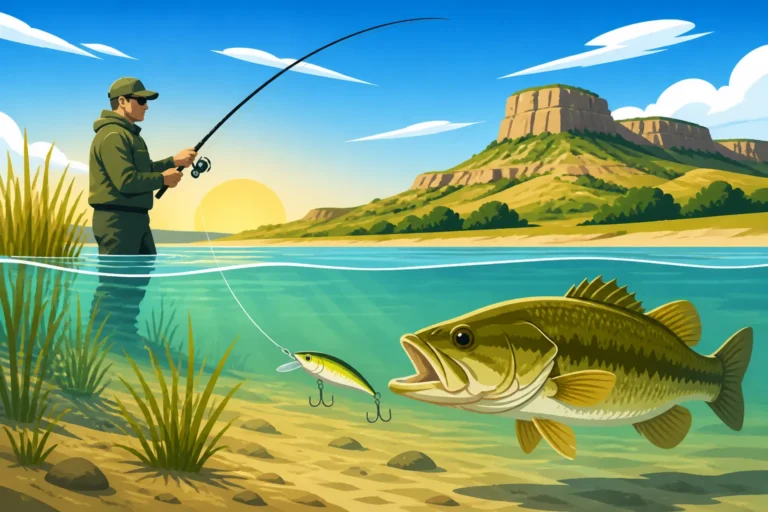
Is Fishing Better Before or After a Cold Front?
It’s a scenario every angler in South Dakota knows all too well: you’ve got a fishing trip planned, the excitement is bubbling, and then you see the forecast – a strong cold front is moving in. Suddenly, you're left wondering if your meticulously planned outing is doomed, or if there's a secret window of opportunity. This guide will dive deep into the science and real-world experiences behind fishing success before and after a cold front, giving you the insights needed to adapt and still bring home a great catch from South Dakota's diverse waters.
Understanding Cold Fronts and Their Impact
Cold fronts are more than just a drop in temperature; they represent a significant atmospheric shift that sends ripples through the natural world, especially underwater. Understanding this change is crucial for any angler aiming for consistent success.
What Exactly is a Cold Front?
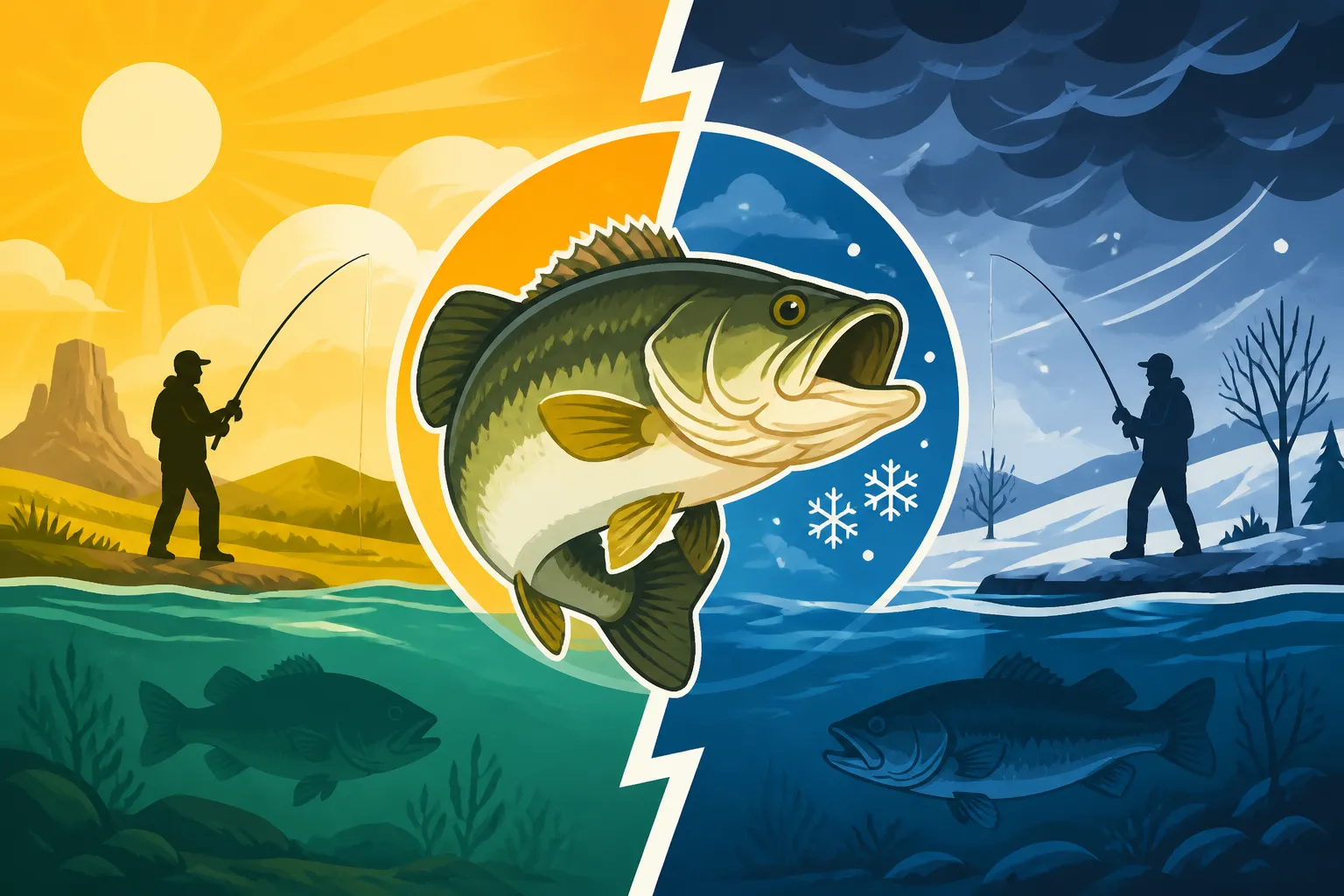
In simple terms, a cold front occurs when a mass of colder air moves in and displaces a warmer air mass. What this means for fishing isn't just the chill in the air, but the barometric pressure. Before a cold front arrives, the atmospheric pressure typically drops. This falling pressure is often associated with stormy weather, clouds, and wind. As the front passes, the pressure usually rises sharply and then stabilizes at a higher point, bringing clearer skies and cooler temperatures. This rapid change in pressure is the primary factor affecting fish behavior.
Fish, especially those with swim bladders like walleye, crappie, and many other popular South Dakota species, are highly sensitive to these pressure changes. Their swim blbladders are gas-filled organs that help them maintain buoyancy at different depths. A sudden drop or rise in pressure requires them to adjust, which can make them uncomfortable, confused, or even stimulate them.
Immediate Effects on Fish Behavior
The immediate effects on fish behavior are often dramatic. Just before a cold front, as the barometric pressure begins to fall, many fish species experience a feeding frenzy. Think of it like a biological alarm clock telling them to "eat now, because things are about to get tough." Their metabolism might kick into high gear, and they become more active, chasing baitfish with gusto. This pre-front period is often heralded by strong winds and an unsettled feeling in the air.
However, once the front passes and the high pressure settles in, the opposite often occurs. Fish tend to become lethargic, less willing to chase, and might move to deeper, more stable water or denser cover. Their metabolism slows down, and they become far more selective about when and what they eat. It's not that they stop eating entirely, but their windows of activity become much shorter and their preferences much pickier.
Short-Term vs. Long-Term Changes
It’s important to distinguish between the short-term and longer-term impacts. The immediate hours before and during the passage of a cold front are often characterized by that burst of activity. This is the prime window many experienced anglers target. Then comes the immediate aftermath, typically the first 24-48 hours after the front has fully passed, when fishing can be notoriously tough. This is the period of high, stable pressure, clear skies, and often a significant drop in air and water temperatures.
Beyond those first couple of days, fish can start to normalize their behavior, but they might adapt to the new conditions. They might establish new feeding patterns or hold in different areas, often deeper, more protected spots. This long-term adjustment means that while the fishing might not return to pre-front levels for a while, it can improve steadily if you're willing to re-pattern the fish. You can learn more about how fish adapt by exploring the South Dakota Fish Species Diet by Season.
Fishing Before a Cold Front: The Golden Hour
Many seasoned anglers eagerly anticipate the approach of a cold front, not with dread, but with a keen sense of opportunity. This pre-front period can offer some of the most exciting and productive fishing experiences in South Dakota.
Why Fish Get Active Pre-Front
The scientific consensus, and anecdotal evidence from countless fishing trips, points to a clear reason: falling barometric pressure. As the pressure drops, fish feel it in their swim bladders. This often makes them uncomfortable in deeper water and signals an impending change in conditions. They instinctively know that a period of less favorable feeding conditions is on its way, so they engage in a "last supper" before the storm hits. This triggers an aggressive feeding response. They're more willing to strike at a wider variety of baits and often come higher in the water column. You'll often notice a significant increase in wind, cloud cover, and even a little drizzle—classic signs of a front approaching.
For species like walleye, especially on big waters like Lake Oahe or Lake Sharpe, this can translate into a furious bite. They'll actively cruise flats, points, and even shallower areas, looking to gorge themselves. Smallmouth bass in places like Lake Francis Case will also become more aggressive, attacking lures with a vengeance near rocky structures.
Best Strategies for Pre-Front Fishing
Given the fish's heightened activity, aggressive tactics are key. Don't be shy; cover water, use faster presentations, and don't be afraid to throw bigger baits than usual.
- Aggressive Presentations: Think crankbaits, spinnerbaits, and even larger swimbaits. Trolling crankbaits at faster speeds can be incredibly effective for walleye. For smallmouth bass, burning a lipless crankbait or quickly retrieving a spinnerbait can trigger reaction strikes. If you're targeting northern pike, they'll often chase down larger spoons or inline spinners with surprising ferocity. You can dive deeper into these techniques with our South Dakota Trolling Techniques for Walleye guide.
- Covering Water: Fish are on the move, so you should be too. Don't sit in one spot for too long. Fan cast areas thoroughly, or if you're in a boat, troll different contours and depths until you find active fish. Think about covering entire bays, long points, or large weed flats.
- Utilize the Wind: While strong winds can be challenging, they can also be your friend. Waves break up light penetration and disorient baitfish, creating ideal ambush conditions for predatory species. Position your boat to drift with the wind, allowing you to cover ground efficiently while presenting your bait naturally.
Prime Target Species and Locations
This pre-front window is excellent for targeting almost any predatory species in South Dakota.
- Walleye: On the Missouri River reservoirs like Lake Oahe and Lake Sharpe, walleye will often move shallower, especially onto main lake points, humps, and flats adjacent to deeper water. They'll hit aggressive presentations like Rapala or Berkley crankbaits in shad or perch patterns. Understanding How to Fish for Walleye in South Dakota is crucial here.
- Smallmouth Bass: Look for them on rocky shorelines, riprap banks, and submerged humps on lakes like Lake Francis Case. They'll be smashing jigs, crankbaits, and topwater lures (if the surface isn't too choppy). A quick search on Amazon for "smallmouth bass crankbaits" will show you a huge variety of effective options.
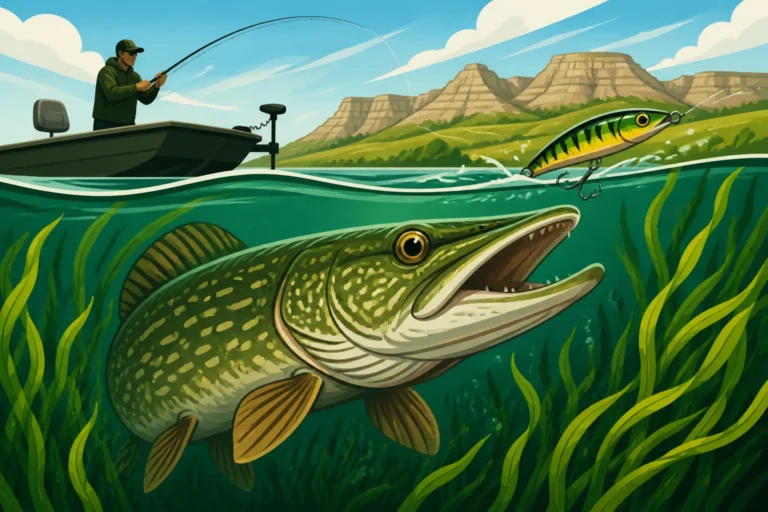
- Northern Pike: Target weed lines, submerged timber, and the edges of expansive flats in glacial lakes like Lake Poinsett or Bitter Lake. Large spoons, spinnerbaits, and even live bait under a bobber can be dynamite as they aggressively feed. Our South Dakota Northern Pike Fishing Guide offers more specific advice.
- Chinook Salmon: On Lake Oahe, a pre-front drop in pressure can sometimes make salmon more active in the upper water column. Trolling with spoons or flies can be effective. Check out the South Dakota Chinook Salmon Fishing Guide for detailed tactics.
Fishing After a Cold Front: The Post-Front Challenge
Once the cold front has passed, the fishing can shift dramatically. That high, stable pressure, coupled with clear skies and often cooler temperatures, can make fish notoriously difficult to catch. It’s a test of patience and adaptability.
Why Fish Become Difficult Post-Front
The primary culprit post-front is the sudden rise and stabilization of barometric pressure. This can be uncomfortable for fish, causing their swim bladders to compress, potentially forcing them deeper to equalize. Their metabolism slows down significantly, making them less inclined to expend energy chasing food. The clear, bright skies that often follow a cold front also mean increased light penetration into the water, making fish feel more exposed and vulnerable to predators. As a result, they tend to move to deeper water, denser cover, or shaded areas where they feel safer and more comfortable. They become incredibly wary and finicky, often just "nosing" a bait rather than fully committing.
It's a frustrating experience for many anglers, but it doesn't mean fishing is impossible. It simply means you need to rethink your approach entirely.
Adapting Your Tactics for Post-Front Success
Forget the aggressive tactics you used before the front. Now, it's all about finesse, slow presentations, and precision.
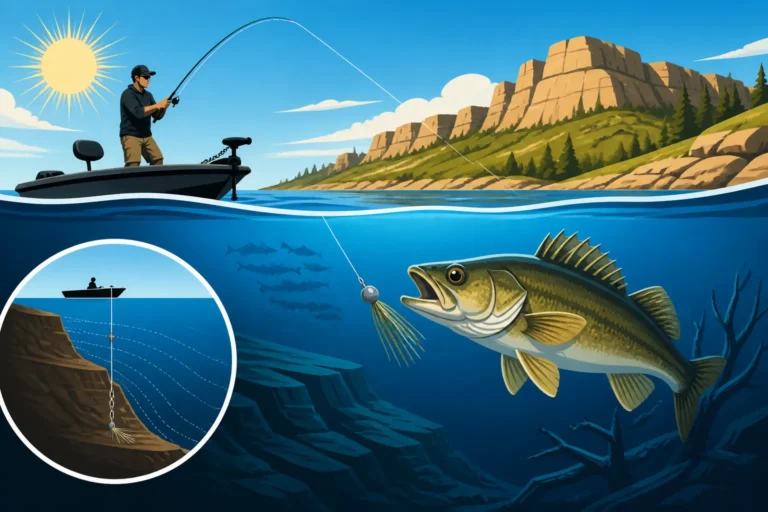
- Slow Down, Seriously Slow Down: This is probably the most critical adjustment. Your retrieve speed should be agonizingly slow. Let jigs sit on the bottom for extended periods. Work crankbaits with long pauses. For walleye, a simple jig and minnow or a subtle crawler harness retrieved at a snail's pace can be far more effective than fast trolling.
- Smaller Baits and Natural Colors: Fish are less inclined to chase big, flashy meals. Downsize your lures. Think tiny jigs, small plastics, or natural bait like minnows, worms, or leeches. Colors that mimic natural forage, such as greens, browns, and muted grays, often outperform bright, aggressive colors.
- Target Deeper Water and Cover: Fish will often retreat to deeper breaks, channel edges, submerged timber, or dense weed beds where they feel secure. Focus your efforts on these areas. Use your electronics to identify subtle depth changes or structure. Sometimes, fish will even hide in the shade cast by docks, bridges, or steep banks. For Black Hills trout, they might tuck into deep pools or undercut banks. Understanding Reading Water Temperature for Walleye can also help locate fish in deeper, more stable thermal zones.
- Precision Casting: When fish are lethargic and tucked into cover, your presentation needs to be spot-on. If you're casting to a specific log or rock pile, your lure needs to land right in the strike zone without spooking the fish.
- Vertical Jigging: For walleye and crappie holding tight to structure in deeper water, vertical jigging directly over their heads can entice a bite when nothing else will. Use a small spoon or a jig-and-plastic combo. You can find many great options for this technique by searching "walleye ice fishing jigs" on Amazon, even for open water.
Species That Still Bite and Where to Find Them
While walleye and bass can be tough, some species are a little more forgiving, or at least more predictable, after a cold front.
- Perch and Crappie: These panfish often school up tightly in deeper water or around submerged brush piles. A tiny jig tipped with a wax worm or a small minnow fished vertically can be highly effective. Look for them on your fish finder and drop your bait directly into the school. Our South Dakota Crappie Fishing Guide goes into more detail.
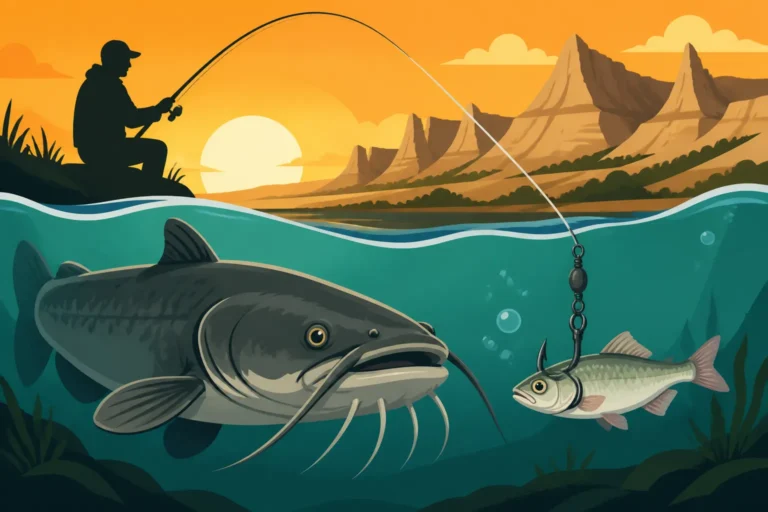
- Catfish: Channel and flathead catfish are generally less affected by barometric pressure changes than other species. They might still be active, especially in the evening or at night. Focus on deeper holes, river bends, and areas with current in rivers like the Missouri or James. Cut bait or stink baits fished on the bottom are reliable choices.
- Black Hills Trout: Trout in the Black Hills streams, while still impacted, can often be caught by fly fishermen using nymphing techniques in deeper runs and pools, or spin fishermen using small inline spinners or PowerBait near the bottom. They often hold tight to cover, so a careful approach is key. Our South Dakota Trout Fishing Guide has specialized tips for these unique waters.
Practical Tips for South Dakota Anglers
Knowing that fishing changes with a cold front is one thing, but knowing how to apply that knowledge on the water in South Dakota is what makes the difference.
Monitoring Weather and Barometric Pressure
Staying informed is your first line of defense. Don't just check the temperature; pay attention to barometric pressure trends.
- Weather Apps and Forecasts: Reliable weather apps often include barometric pressure readings and trends. Look for apps that provide hourly forecasts. Many dedicated fishing apps like FishWeather or Fishbrain integrate this data directly.
- Home Barometer: Having a simple home barometer can help you learn to "feel" the changes in pressure even before you hit the water. Observing the trends over several days can give you a better idea of when a front is truly approaching or has passed.
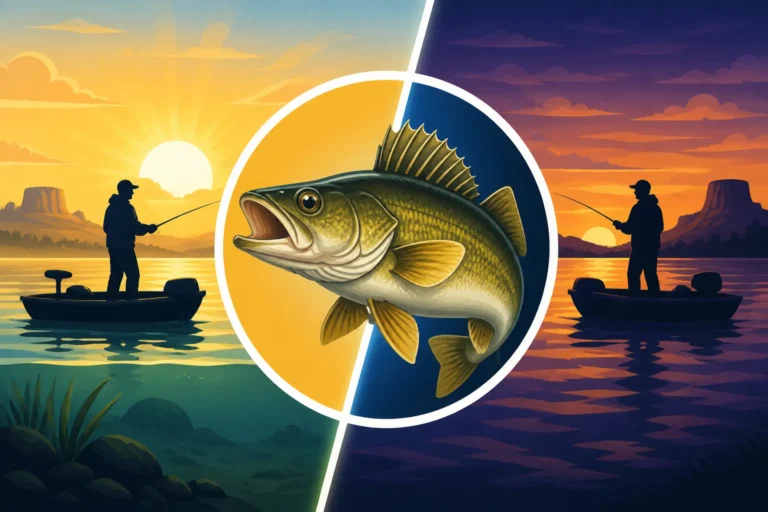
- Understand the "Window": The best fishing will typically be in the 12-24 hours leading up to a significant pressure drop, especially if it’s accompanied by cloud cover and wind. If you see the pressure beginning to fall rapidly, drop everything and go!
Gear and Bait Adjustments
The right gear makes a huge difference in converting those subtle post-front bites into fish in the boat.
- Lighter Line: When fish are finicky, they become line-shy. Switching to a lighter fluorocarbon leader (6-8 lb test for walleye, 4-6 lb for panfish) can make your bait presentation more natural and less visible.
- Sensitive Rods: You'll need to feel the lightest tap. A medium-light to medium power spinning rod with a fast or extra-fast action tip is ideal for detecting those subtle post-front bites. A good quality graphite rod from brands like St. Croix or Fenwick can be found on Amazon.
- Bait Selection: Always have a variety of bait types. For the pre-front frenzy, larger crankbaits, spinnerbaits, and swimbaits. For post-front, small jigs, finesse worms, live minnows, leeches, or nightcrawlers (depending on regulations and target species) are crucial. Don't forget the power of soft plastics; a tiny Berkley Gulp! Minnow on a light jig head can often tempt a reluctant walleye or crappie.
- Electronic Assistance: A good fish finder is invaluable. It helps you locate those deeper contours, submerged structure, and even tightly schooled fish when they're not actively cruising. Our guide on How to Read a Fish Finder for Walleye can teach you how to make the most of your electronics.
Patience and Persistence
Ultimately, fishing before or after a cold front requires patience and persistence.
- Don't Give Up: It's easy to get discouraged after a cold front. The bites will be fewer and far between, but they will happen. Keep adjusting, keep experimenting, and keep a positive attitude.
- Learn from Every Trip: Every cold front is a learning opportunity. Pay attention to what worked, what didn't, and the conditions you faced. Keep a fishing log to track these details. Over time, you'll develop a keen sense for how fish react in your favorite South Dakota waters under different post-front scenarios. Understanding South Dakota Fishing Seasons Explained and the Best Time of Year to Fish in South Dakota will compound your knowledge.
Here’s a quick comparison of strategies:
| Factor | Before Cold Front | After Cold Front |
|---|---|---|
| Barometric Pressure | Falling | Rising & Stable High |
| Fish Activity | High, aggressive feeding frenzy | Low, lethargic, finicky |
| Location | Shallower flats, points, active cruising | Deeper channels, dense cover, bottom-hugging |
| Presentation | Fast, aggressive retrieves, covering water | Slow, subtle, precise, vertical jigging |
| Lure Size | Larger crankbaits, spinnerbaits, swimbaits | Smaller jigs, finesse plastics, live bait |
| Lure Color | Bright, flashy, aggressive patterns | Natural, muted, subtle |
| Line Test | Standard | Lighter fluorocarbon leaders |
| Best Target Species | Walleye, Northern Pike, Smallmouth Bass, Salmon | Panfish (Perch, Crappie), Catfish, Black Hills Trout |
Fishing in South Dakota, whether it’s chasing walleye on the sprawling Missouri River reservoirs or fly fishing for trout in the peaceful Black Hills, is always an adventure. By understanding the profound impact of cold fronts on fish behavior, you're not just hoping for luck; you're applying knowledge and strategy to stack the odds in your favor. So, the next time you see that cold front rolling in, you'll know exactly whether to rush out before the storm or patiently adapt to the calm that follows. And remember, always make sure you have your South Dakota Fishing License Guide sorted before heading out!
Disclaimer
The information provided in this guide is for general informational purposes only and is not intended as legal, financial, or professional advice. Fishing regulations and conditions in South Dakota can change frequently. Always consult the official South Dakota Game, Fish and Parks (GFP) website or their most current regulations handbook for the most accurate and up-to-date rules, limits, and safety guidelines before engaging in any fishing activities. Adherence to all local, state, and federal laws is the responsibility of the individual angler.