Does a Full Moon Affect Fishing?
Every angler has stood on the shore or in their boat, staring up at a big, beautiful full moon, and wondered: "Is this going to be an amazing night, or will the fish be totally shut down?" It's a question steeped in folklore and personal experience, and it can be incredibly frustrating when one trip under a bright moon is fantastic, and the next is a bust. This comprehensive guide will dive deep into the age-old debate of how the full moon might impact your South Dakota fishing success, separating fact from common angler lore and offering practical tips to help you adapt.
The Enduring Mystery of the Full Moon and Fishing
For generations, fishermen and women have shared stories and theories about the moon's influence on the bite. From old timers claiming fish feed non-stop to those who swear the full moon makes everything harder, the opinions are as varied as the lures in your tackle box. This isn't just a quaint superstition; many anglers genuinely adjust their entire approach based on the lunar calendar, especially when planning a trip to prime spots like Lake Oahe or the glacial lakes in eastern South Dakota.
Angler Folklore and Common Beliefs
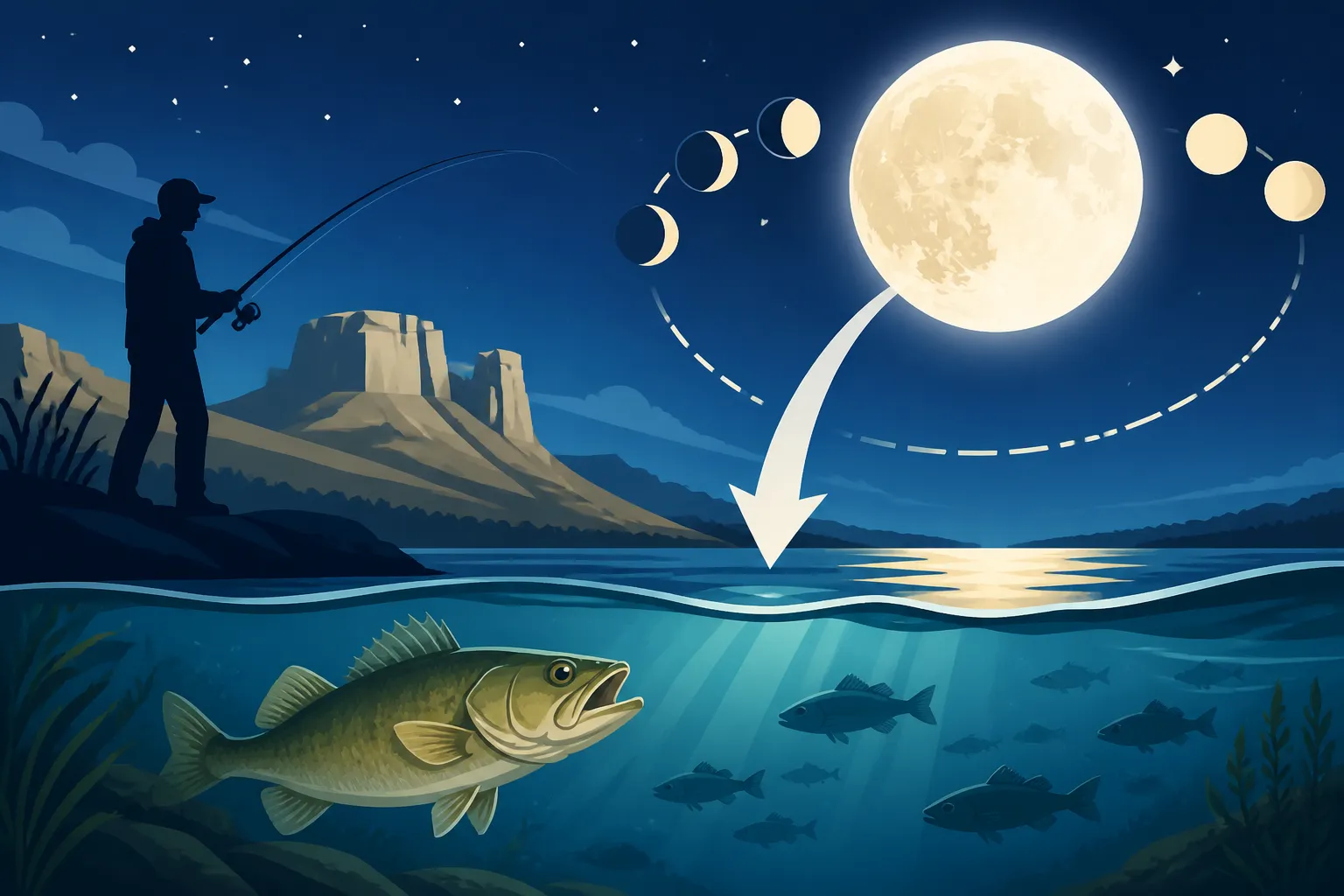
The most pervasive belief is that the full moon triggers an intense feeding frenzy. The theory often goes that the increased light penetration at night allows predatory fish, particularly species like walleye, to hunt more effectively after dark, leading to a period of heightened activity. Some believe this nocturnal feasting means fish are less active during the day leading up to or immediately following the full moon, as they've already gorged themselves. Conversely, other stories suggest the extra light spooks fish, making them more wary and difficult to catch, driving them to deeper, darker waters.
Many South Dakota anglers, myself included, have certainly had nights under a brilliant full moon where the walleye were practically jumping into the boat. Those experiences cement the belief that the moon is a major factor. You might hear folks talking about the "moon bite" or lamenting a "full moon slump." It’s these strong anecdotal experiences that keep the debate alive and make planning a fishing trip around lunar phases such a common practice. Whether you're tracking the best time of year to fish in South Dakota or trying to dial in your tactics, the moon is often a silent partner in the conversation.
How Lunar Phases Theoretically Impact Fish Behavior
Beyond just the full moon, some theories suggest that all major lunar phases—new moon, first quarter, and last quarter—have distinct effects. The gravitational pull of the moon creates tides, and while South Dakota is a landlocked state, some suggest these subtle gravitational shifts can still influence fish, even in large reservoirs like Lake Sharpe or Lake Francis Case. For example, some believe that the stronger gravitational pull during new and full moons (spring tides) can affect water currents, baitfish movements, and ultimately, predator activity.
The perceived impact isn't just about feeding. Some anglers believe lunar phases can affect spawning cycles, migration patterns, and even how aggressively a fish strikes. It’s a complex tapestry of environmental factors, and the moon is often seen as a significant thread in that pattern. Understanding the various South Dakota Fishing Seasons Explained often includes conversations about lunar influence, especially when targeting specific species known for their nocturnal habits.
Understanding the Science Behind Lunar Influence
While folklore is rich with stories, what does science have to say about the moon's impact on fish behavior? The truth is, it's not as clear-cut as some might wish, and researchers often point to a combination of factors rather than a single lunar cause. However, there are compelling biological and physical reasons why the moon could play a role, even if it's not always the dominant factor.
Light Levels and Nocturnal Feeding
The most direct and widely accepted impact of a full moon is the increased ambient light at night. For many predatory fish, including the highly sought-after walleye, low light conditions are prime hunting times. The full moon, essentially acting as a giant natural spotlight, extends these low-light periods, allowing fish to feed more efficiently throughout the night. This can lead to a few scenarios:
- Extended Feeding Windows: Fish like walleye, known for their large, light-sensitive eyes, might hunt more effectively and for longer durations under the cover of moonlight. If they're feeding heavily all night, their daytime activity might decrease, leading to slower fishing during the day. This phenomenon is often discussed in guides covering Night Fishing Techniques for Summer Walleye.
- Shifting Patterns: Instead of a traditional dawn and dusk bite, a full moon might shift peak feeding times further into the night or even cause multiple, shorter feeding windows as light conditions fluctuate with moonrise and moonset. This means anglers need to be more adaptable in their timing.
- Baitfish Movement: Increased moonlight can also affect baitfish, causing them to scatter, seek deeper cover, or move into different water columns. Predatory fish will follow their food source, so understanding baitfish behavior is key. You might notice bait schools moving higher in the water column at night under a full moon, making them easier targets for predators.
Gravitational Pull and Tidal Effects
Even in landlocked South Dakota, the moon's gravitational pull exerts influence. While we don't experience the dramatic ocean tides, the gravitational forces still cause subtle shifts in water levels and currents in large bodies of water like the Missouri River reservoirs (Lake Oahe, Lake Sharpe, Lake Francis Case, Lewis and Clark Lake). These micro-tides, though often imperceptible to the human eye, could theoretically influence fish by:
- Stimulating Activity: Very subtle changes in current or water movement might stimulate fish metabolism or feeding instincts. These minor shifts can affect the behavior of plankton, insects, and baitfish, which in turn influences larger predatory fish.
- Concentrating Bait: Even slight currents can concentrate baitfish in certain areas, making them easier targets for predators. When you're trying to figure out How to Read a Fish Finder for Walleye on Lake Oahe, sometimes those subtle current lines, though not directly moon-caused, are enhanced or influenced by lunar gravity.
- Pressure Changes: Some theories suggest that lunar phases, through their gravitational influence, might also lead to slight barometric pressure changes that fish, being highly sensitive to pressure, can detect. While this is less scientifically validated than light or subtle current changes, it's a common theory among experienced anglers.
It's important to remember that these lunar influences are rarely the only factor. Weather patterns, water temperature, barometric pressure, available forage, and fishing pressure all play significant roles. The moon might be a subtle influencer, tipping the scales in one direction or another, rather than being the sole determinant of success.
Practical Strategies for Fishing During a Full Moon in South Dakota
So, with all this information, how should you approach fishing in South Dakota when the full moon is shining bright? The key is often adaptation and being prepared to adjust your tactics. Don't let the moon phase be an excuse; instead, use it as another piece of the puzzle to improve your chances.
Timing Your Trip: Day vs. Night
One of the biggest questions is whether to fish during the day or at night around a full moon.
- Night Fishing: If you're targeting nocturnal feeders like walleye, a full moon can be your friend, offering excellent visibility for both you and the fish. The extended period of usable light can lead to phenomenal bites. Focus on prime low-light hours: sunset, moonrise, moonset, and sunrise. The middle of a bright moonlit night might see a lull if fish have already fed, but those transition periods can be golden. Make sure you have good headlamps or boat lighting – you can find some great options on Amazon for all types of fishing setups. Consider going after the nocturnal feeders with specific How to Catch Walleye at Night in Summer techniques, focusing on shallow feeding flats or structure adjacent to deep water.
- Day Fishing: If fish have been feeding all night under the bright moon, they might be less aggressive during the day. This doesn't mean the fishing is impossible, but you might need to adjust. Fish might retreat to deeper water, denser cover, or areas with less light penetration. Look for them holding tighter to structure, deeper breaks, or in shaded areas. A slow, methodical approach might be more effective than aggressive presentations. This could be a time when you need to really hone in on your South Dakota Walleye Fishing Guide and choose your spots carefully.
Lure and Bait Selection Adjustments
The increased light from a full moon, whether day or night, can influence what lures and baits work best.
- Night Fishing Under a Full Moon: With better visibility for the fish, darker, more silhouetted lures can be effective. Think black, blue, or purple jigs, crankbaits, or swimbaits. Glow-in-the-dark or UV-enhanced lures can also be killers, providing an enticing target in the dim moonlight. Some anglers swear by subtle vibration or scent during these times. Live bait, like minnows or nightcrawlers, remains a consistent choice, especially presented on a slip bobber rig. You can often find a wide variety of these specialized lures and baits on Amazon.
- Day Fishing Around a Full Moon: If fish are less active, a more natural presentation might be key. Smaller, more subtle lures in natural colors (perch, shiner, crawfish patterns) could entice a bite from finicky fish. Scented baits or plastics can also be beneficial, as fish might rely more on smell and taste if they're not actively hunting by sight. Deeper-diving crankbaits or jigging spoons might be necessary to reach fish holding in deeper water. Check out our guide on the Best Lures for South Dakota Walleye for specific recommendations.
Location Strategies and Depth
Where you choose to fish can be crucial during a full moon.
- Shallow vs. Deep: At night under a full moon, many species will move into shallower feeding flats, points, and humps. During the day, they might retreat to the security of deeper breaks, channel edges, or heavy cover. Think about the thermalcline in summer and how fish use it for comfort.
- Structure: Focus on areas with good cover or structure that offers both feeding opportunities and quick retreats. Rock piles, submerged timber, weed lines (especially for northern pike), and current seams can all be productive. For crappie anglers, finding brush piles or submerged trees can be key, as detailed in our South Dakota Crappie Fishing Guide.
- Current: On the Missouri River, current breaks and eddies are always important, but they might be even more so during periods where fish activity is shifting. The subtle lunar "tides" could slightly enhance or alter these currents, concentrating bait and predators.
- Ice Fishing: During the winter, the full moon can still have an impact. Ice anglers often report strong night bites for walleye and perch under the moon. The extra light penetrates the ice, potentially aiding nocturnal predators. For more tips, refer to the South Dakota Ice Fishing Guide.
Other Factors to Consider
Remember, the moon is just one variable. Always consider other crucial environmental factors:
- Weather: A cold front, strong winds, or a sudden change in barometric pressure will almost certainly have a greater impact on fishing than the moon phase.
- Water Temperature: This is paramount for fish activity. Understanding Reading Water Temperature for Walleye and other species is often more critical than moon phase.
- Forage: The abundance and behavior of baitfish are primary drivers of predator activity. If there’s a massive shad or smelt spawn, fish will be focused on that, regardless of the moon.
- Fishing Pressure: Heavily pressured areas might see fish become more wary, especially under bright moonlit conditions, making them harder to catch.
Full Moon Fishing: Beliefs vs. Realities
Let's summarize some of the common beliefs and contrast them with what we often observe and what science suggests.
| Belief/Observation | Scientific/Observed Reality (South Dakota Context) | Practical Implication for Anglers |
|---|---|---|
| "Full moon means non-stop feeding!" | Increased nocturnal light can extend low-light feeding windows for light-sensitive predators like walleye, leading to active night bites. However, this can reduce daytime activity as fish "fill up" overnight. | Plan for strong night bites, especially around moonrise/moonset. During the day, fish deeper or in lower light. Bring a good headlamp (check Amazon for options) and be ready for after-dark action. |
| "Full moon spooks fish, makes them wary." | In some clear, shallow waters, direct moonlight could make fish more visible to predators (or anglers), potentially making them more cautious. Fish might seek deeper, darker areas during the brightest periods. | If fishing shallow, clear water, use more subtle presentations or target areas with shadows/cover. Consider moving to deeper water during peak moonlight if the bite slows. |
| "Lunar tides affect the bite." | While South Dakota is landlocked, the moon's gravity causes subtle, imperceptible water movements in large reservoirs. These micro-tides can influence baitfish and predator positioning, albeit indirectly. | Pay attention to subtle current breaks, especially on the Missouri River reservoirs. Fish the "edges" where even tiny currents might concentrate bait. |
| "Fish bite best during moonrise/moonset." | These transition periods (like dawn/dusk) offer optimal low-light conditions when light penetration changes dramatically, often triggering feeding instincts in many species. | Prioritize fishing during these periods, whether it's day or night. The changing light levels are often more important than the moon's position itself. |
| "Full moon makes fishing impossible during the day." | Not impossible, but often tougher. Fish might be less aggressive after an active night of feeding. They tend to hold tighter to cover or deeper structure. | Adjust tactics: slow down your retrieve, use smaller or more natural baits, target deeper contours, or shaded areas. A patient approach often pays off. |
| "Specific lures work better under full moon." | Lures that provide strong silhouettes (dark colors) or incorporate glow/UV features can be very effective at night. During the day, natural colors might be preferred if fish are finicky. | Stock a variety of colors and types. Experiment with both dark, contrasting lures and glow baits for night, and natural patterns for day. You can find specialized glow and UV lures readily available on Amazon. |
Ultimately, the impact of a full moon on your South Dakota fishing trip is likely a blend of subtle environmental influences and angler perception. While it might not be the single "on/off" switch many believe, ignoring its potential effects would be short-sighted. The best strategy is always to be prepared, adaptable, and willing to experiment.
Final Thoughts on the Full Moon and Your Fishing Trip
The full moon, with its ethereal glow and ancient mystique, certainly adds an interesting layer to the world of fishing. For anglers in South Dakota, whether you're chasing the mighty walleye on Lake Oahe, searching for trophy smallmouth bass on Lake Francis Case, or fly fishing for trout in the Black Hills, understanding potential lunar influences is another tool in your arsenal.
Remember, fishing is as much an art as it is a science, and personal experience often shapes our beliefs more than scientific papers. Don't let a full moon deter you from hitting the water, but rather use it as a reminder to stay flexible, pay attention to the details, and perhaps, lean into those Night Fishing Techniques for Summer Walleye you’ve been meaning to try. Good fishing isn't about avoiding conditions; it's about mastering them.
Disclaimer
Please note that fishing regulations, seasons, and licensing requirements can change. Always consult the latest South Dakota Game, Fish and Parks (GFP) regulations handbook or their official website before heading out on your fishing trip. This guide is for informational purposes only and does not constitute legal advice.