Fish Species Found in Lake Oahe
Lake Oahe is an enormous body of water, stretching for miles through the heart of South Dakota, and for many anglers, the sheer scale can be intimidating. You might find yourself wondering, what fish species truly call this vast reservoir home, and which ones are worth targeting? This guide will dive deep into the diverse aquatic life of Lake Oahe, helping you understand what finned friends you're likely to encounter and where to find them.
The Kings of Lake Oahe: Walleye and Chinook Salmon
When you talk about fishing on Lake Oahe, two species almost immediately come to mind for most anglers: Walleye and Chinook Salmon. These aren't just fish; they're legends, drawing enthusiasts from all over the country. Their presence defines much of the angling experience on this magnificent reservoir.
Walleye: South Dakota's Prized Catch
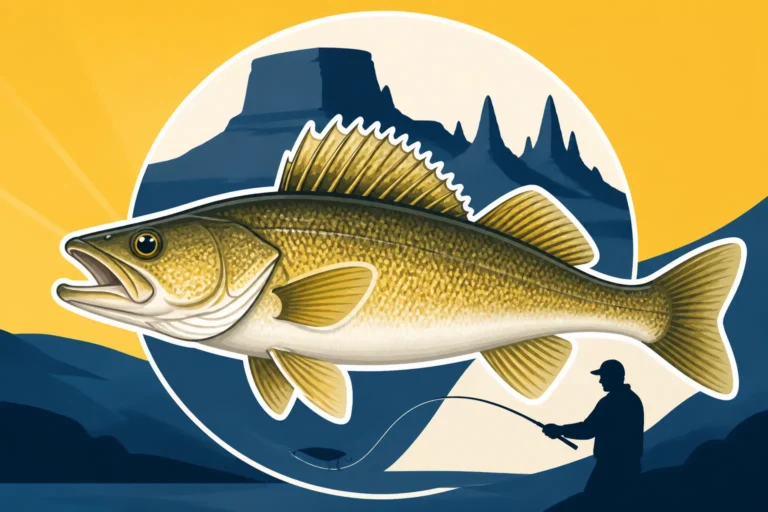
The Walleye is, without a doubt, the undisputed king of Lake Oahe. These golden-sided predators are what many anglers dream about, and Oahe consistently delivers. They thrive in the lake's vast, nutrient-rich waters, growing to impressive sizes thanks to an abundant forage base. You'll find walleye spread throughout the reservoir, from the upper reaches near Bismarck, North Dakota, all the way down to the dam near Pierre, South Dakota. Their habitat preferences can shift with the seasons, from shallow flats in spring to deeper structures in summer and fall.
Springtime sees walleye moving into shallower spawning areas, often congregating around points, bays, and feeder creeks. As the water warms, they'll transition to deeper main lake points, submerged humps, and the edges of the old river channel. Many experienced Oahe anglers spend countless hours meticulously mapping these structures. How to Fish for Walleye in South Dakota goes into much more detail about the techniques to employ. Whether you're trolling crankbaits across expansive flats or vertical jigging subtle breaks, understanding the walleye's seasonal movements is key to consistent success. The challenge and reward of reeling in a hefty Oahe walleye are what keep anglers coming back year after year.
Chinook Salmon: A Coldwater Anomaly
While walleye might be the main attraction, the Chinook Salmon offers a truly unique coldwater fishery in Lake Oahe, especially in the deeper, cooler waters of the lower lake. It’s somewhat unusual to find these Pacific Ocean giants thriving in a landlocked reservoir, but through dedicated stocking programs, Lake Oahe has cultivated a fantastic salmon population. These powerful fish are renowned for their incredible fights and delicious table fare. They largely feed on pelagic baitfish like rainbow smelt and cisco, which are plentiful in Oahe's depths, providing them with the necessary energy to grow large and robust.
Salmon fishing on Oahe is typically a deep-water affair, often requiring specialized gear like downriggers to present baits at precise depths where the salmon are feeding. Areas like Whitlock Bay are particularly famous, especially during the fall spawning run when these magnificent fish move into shallower waters, providing shore anglers a rare opportunity. The pursuit of Chinook Salmon adds an exciting dimension to Oahe's diverse fishing opportunities, offering a completely different angling experience from chasing walleye. If you're looking for a serious battle and some incredible fresh fish, the Chinook Salmon on Oahe should be high on your list. Learn more about targeting these fish in South Dakota Chinook Salmon Fishing Guide.
Other Prominent Game Fish Species in Lake Oahe
Beyond the star attractions, Lake Oahe is a bustling ecosystem supporting a variety of other popular game fish. These species offer fantastic opportunities for different fishing styles and can provide thrilling action when the walleye or salmon bite is slow, or when you're just looking for a change of pace.
Northern Pike: The Apex Predator
Northern Pike are another top predator in Lake Oahe, particularly prevalent in the lake's many bays, shallower arms, and areas with submerged vegetation. These toothy critters are aggressive, opportunistic feeders, and they grow to impressive sizes in Oahe's rich environment. You'll often find them lurking in weed lines or around submerged timber, ready to ambush unsuspecting baitfish or your lure. Catching a large pike provides an exhilarating fight, often involving explosive runs and aerial displays.
Anglers targeting pike often use large spoons, spinnerbaits, or even substantial live bait like large minnows or suckers. Early season and late fall are often prime times for big pike, as they become more active in cooler waters. While they might not get the same press as walleye, northern pike are a fantastic sport fish and an integral part of Lake Oahe's ecosystem. Just remember to bring a heavy leader to prevent bite-offs from their razor-sharp teeth! South Dakota Northern Pike Fishing Guide offers excellent tips for pursuing these fierce fish.
Smallmouth Bass: The Hard-Fighting Bronzeback
For those who love a feisty fight, Lake Oahe also holds a healthy population of Smallmouth Bass. These "bronzebacks" prefer rocky structures, riprap, points, and transition areas where the bottom changes from soft to hard. The sheer amount of shoreline and submerged rock piles throughout Oahe provides ideal habitat for smallmouth to thrive. They are known for their strong pulls, acrobatic jumps, and relentless fighting spirit, making them a favorite among many bass anglers.
Smallmouth bass on Oahe readily strike a variety of artificial lures, including tube jigs, crankbaits, spinnerbaits, and soft plastics. They can often be found in clusters, so if you catch one, there are likely more nearby. They're a fantastic target during the warmer months when they're actively feeding in shallower, rocky areas. Exploring the diverse shoreline of Lake Oahe with a small boat or even from the bank can yield excellent smallmouth action. If you want to learn more about where and how to catch these fish, check out South Dakota Smallmouth Bass Fishing Guide.
Catfish: Bottom-Dwelling Giants
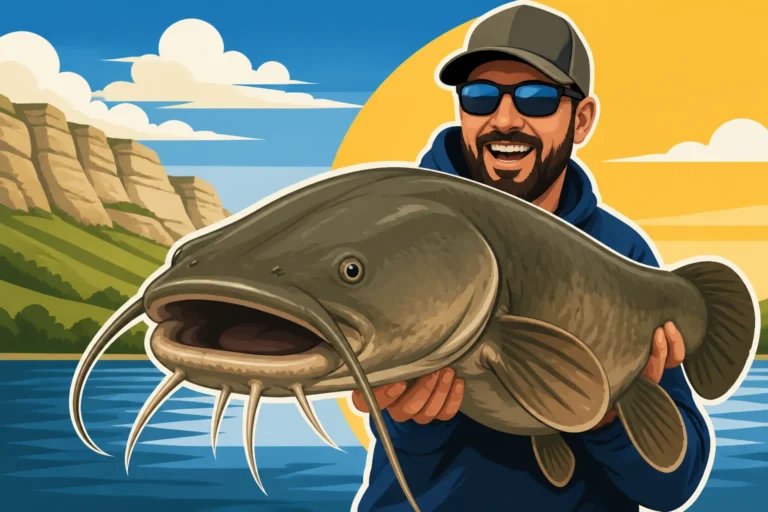
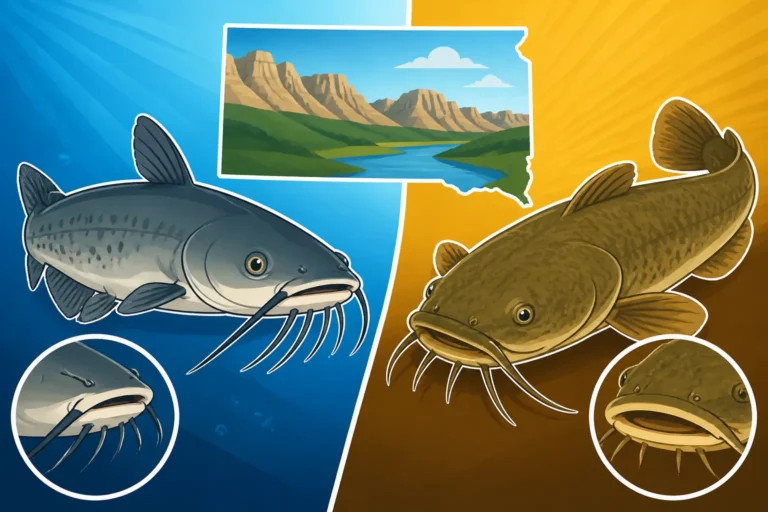
Lake Oahe also supports a strong population of Channel Catfish, and in some areas, you might even encounter Flathead Catfish. These powerful bottom-dwellers offer a different kind of angling challenge, often requiring patience but rewarding it with substantial fish. Catfish are typically found in deeper holes, along the old river channel, or near areas with softer bottoms and current. They are scavengers and predators, with an incredibly keen sense of smell, making bait choice crucial.
Stink baits, cut bait, worms, and even prepared dough baits are all effective for catfish. Night fishing can be particularly productive for these nocturnal feeders, especially during the warm summer months. While many anglers overlook them in favor of walleye or salmon, the sheer power of a large Oahe catfish can be a real thrill. They also make for excellent table fare, especially the smaller and mid-sized channel cats. Don't forget to grab some heavy-duty circle hooks and a reliable rod and reel setup from an online store like Amazon before you head out, as these fish can put a serious bend in your gear. For comprehensive strategies, refer to South Dakota Catfish Fishing Guide.
Panfish and Forage: The Unsung Heroes of Lake Oahe
While the big game fish often steal the spotlight, the health of Lake Oahe's ecosystem relies heavily on its panfish populations and the crucial forage species that support the entire food chain. Understanding these components gives you a more complete picture of what makes Oahe such a productive fishery.
Crappie, Perch, and Bluegill: Family-Friendly Fun
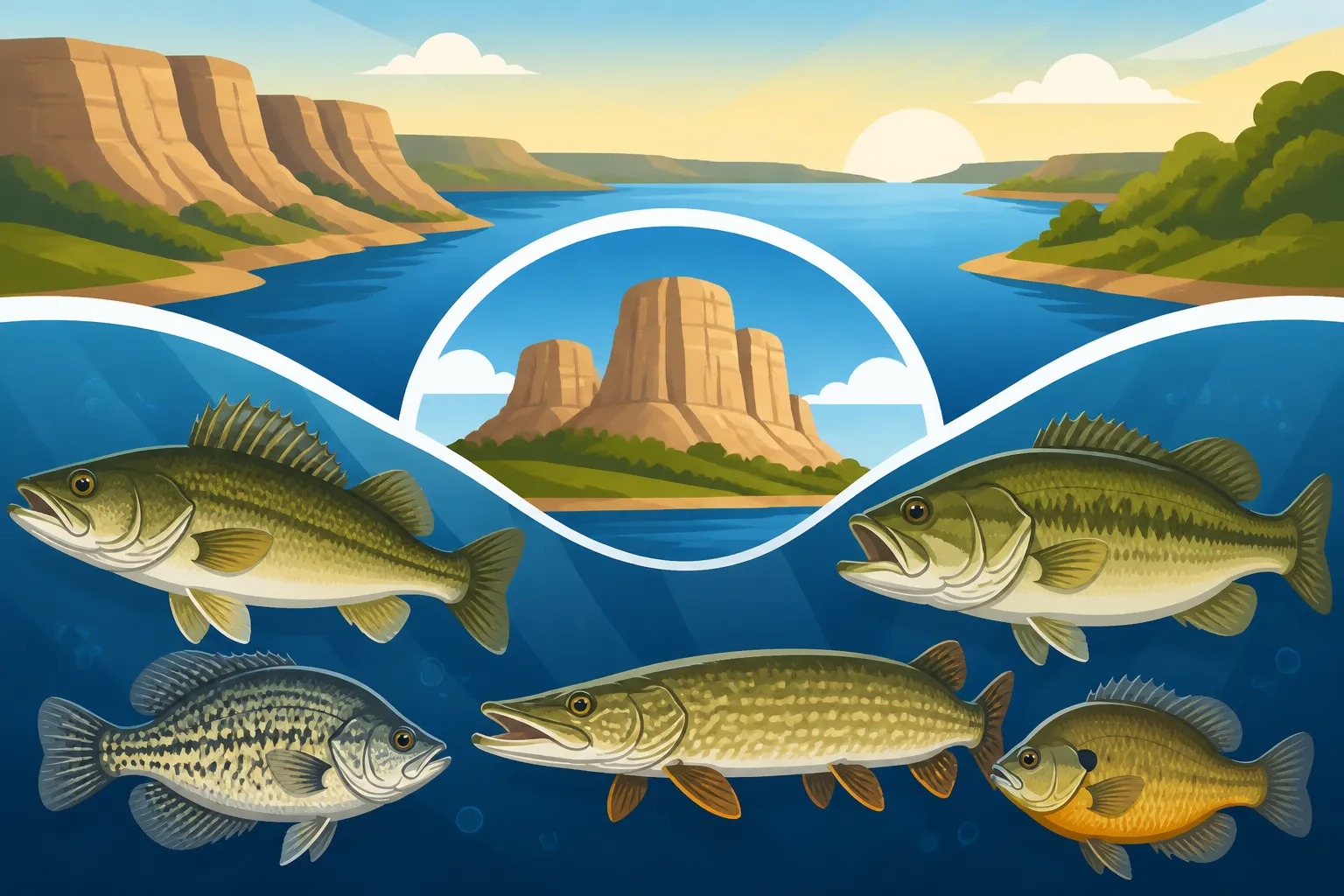
Lake Oahe offers excellent opportunities for catching a variety of panfish, including Black Crappie, White Crappie, Yellow Perch, and Bluegill. These species are fantastic for beginners, kids, or anyone looking for consistent action and a delicious meal. Panfish tend to school, so when you find one, you've often found many. They thrive in various habitats, from shallow, weedy bays to submerged timber and brush piles. Crappie often suspend over deeper water or near structure, while perch and bluegill might hug the bottom or relate to weed edges.
These smaller species are incredibly fun to catch on light tackle. Small jigs, live minnows, worms, or even tiny spoons are all effective. Ice fishing for perch and crappie is also a hugely popular winter activity on Oahe, providing sustained action during the colder months. Many anglers use compact electronic fish finders, often purchased through retailers like Amazon, to locate these schools under the ice. These fish contribute significantly to the lake's overall biomass and are a vital food source for larger predators, but they also offer a rewarding experience for anglers of all skill levels. Dive deeper into panfish tactics with South Dakota Crappie Fishing Guide and South Dakota Perch Fishing Guide.
The Critical Role of Forage Fish
The abundance and diversity of game fish in Lake Oahe are directly tied to its robust forage base. Without a healthy population of baitfish, the walleye wouldn't grow to trophy sizes, and the salmon wouldn't have the energy to complete their life cycle. The primary forage species in Oahe include Rainbow Smelt, Cisco (also known as Lake Herring), and various species of shiners. Rainbow smelt, in particular, are a coldwater species that thrive in Oahe's depths and are absolutely critical for the Chinook Salmon and larger walleye.
These baitfish populations fluctuate from year to year, influenced by water levels, temperatures, and spawning success. These fluctuations can, in turn, affect the growth rates and overall health of the predator species. When forage is abundant, game fish grow faster and are often in better condition. When forage is scarce, the fishing can become more challenging, and fish might be leaner. Understanding the forage base helps anglers predict fish movements and feeding patterns. For instance, knowing that salmon follow schools of smelt can help you pinpoint where to present your lures. Forage Fish South Dakota Walleye Rely On further explains this vital connection.
Other Inhabitants and Conservation Efforts
Beyond the popular sport fish, Lake Oahe is home to a host of other species, including Freshwater Drum (Sheepshead), White Bass, and even occasional Sauger (a close relative of the walleye). While not typically targeted by most anglers, these species add to the biological diversity of the reservoir. White Bass, for instance, can provide incredible, fast-paced action when they surface-feed on schools of baitfish, creating frenzies that are hard to resist.
Conservation efforts by the South Dakota Game, Fish and Parks (GFP) are crucial in maintaining the health and productivity of Lake Oahe's fisheries. This includes regular fish stocking, monitoring fish populations, and implementing regulations designed to ensure sustainable fishing for future generations. Anglers play a vital role in these efforts by adhering to South Dakota Fishing Regulations Explained and practicing responsible catch-and-release, especially for larger breeding fish. Learning about the lake's specific slot limits, possession limits, and other rules, often found in the South Dakota GFP Fishing Handbook Guide, is paramount.
To help you get a quick overview of some of Lake Oahe's key residents, here's a table summarizing common characteristics:
| Fish Species | Primary Habitat on Oahe | Average Size (Common Catch) | Key Characteristics | Best Season to Target |
|---|---|---|---|---|
| Walleye | Main lake points, humps, old river channel, bays | 15-22 inches | Golden sides, clear eyes, excellent table fare | Spring, Summer, Fall |
| Chinook Salmon | Deep, cold waters of the lower lake (pelagic) | 3-10 lbs | Chrome body, black spots, strong fighting fish | Summer, Fall |
| Northern Pike | Weedy bays, shallow arms, submerged timber | 24-36 inches | Long, slender, sharp teeth, aggressive strikes | Spring, Fall, Early Ice |
| Smallmouth Bass | Rocky shorelines, riprap, submerged rock piles, points | 12-18 inches | Bronzeback, vertical bars, powerful fighter | Summer, Early Fall |
| Channel Catfish | Deeper holes, soft bottom, current areas | 1-10 lbs | Forked tail, dark grey/olive, great smellers | Summer, Late Spring |
| Yellow Perch | Weedy flats, shallow bays, structure | 6-10 inches | Vertical stripes, schooling fish, pan-sized | Fall, Winter (Ice), Spring |
| Black/White Crappie | Submerged brush, timber, open water (suspended) | 8-12 inches | Silver/dark bodies, schooling, delicious | Spring, Fall, Winter (Ice) |
Understanding the diverse fish species found in Lake Oahe not only enhances your fishing experience but also fosters a deeper appreciation for this incredible natural resource. Whether you're chasing the thrill of a trophy walleye, the power of a salmon, or the steady action of panfish, Oahe truly has something for everyone.
Disclaimer
This article is for general informational purposes only and does not constitute professional advice. Laws, prices and regulations vary by location and change over time. Consult a qualified professional for guidance on your specific situation.