South Dakota Catfish Fishing Guide
It can feel overwhelming trying to figure out where to even start when you're looking to target catfish in South Dakota. Many anglers get frustrated trying to pinpoint the best spots or the right techniques, especially with so many different water bodies and conditions across the state. This comprehensive guide is here to cut through the confusion, offering you everything you need to know about pursuing South Dakota's fantastic catfish, from identifying the different species to mastering the perfect presentation.
Understanding South Dakota's Catfish Species
South Dakota is home to a few different species of catfish, and knowing the characteristics of each can really help you refine your fishing strategy. While they all share that distinctive whiskered look, there are some key differences in their habitats, diets, and how big they typically get. Targeting the right species with the right approach is half the battle won, and it often means the difference between a slow day and a banner day on the water.
Channel Catfish: The Widespread Favorite
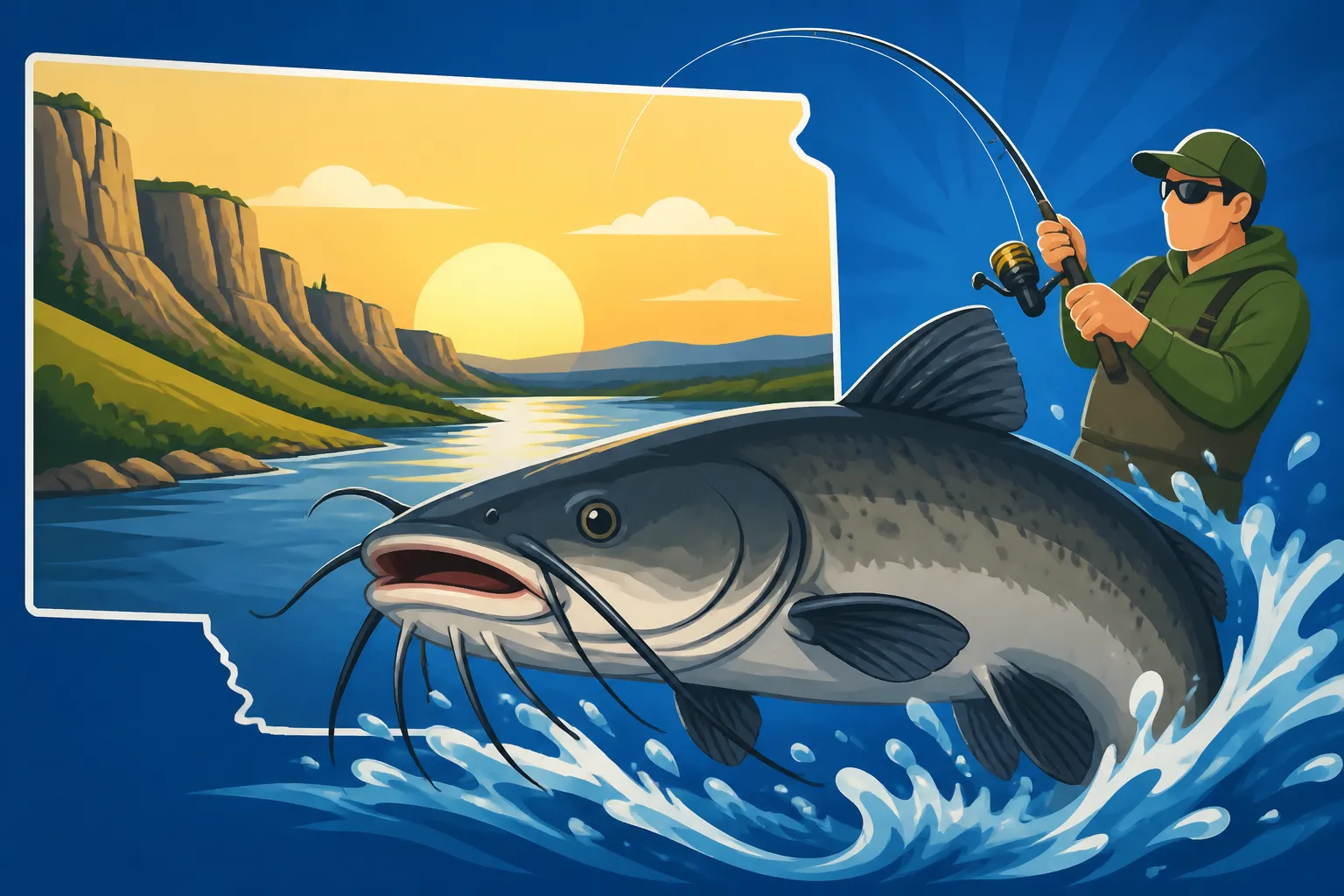
The Channel Catfish is, without a doubt, the most common and widely distributed catfish species in South Dakota. These adaptable fish thrive in a variety of environments, from the slow-moving rivers and major reservoirs to many of the smaller lakes and ponds across the state. They're easily recognized by their deeply forked tail, smooth, scaleless skin, and typically olive-green to gray bodies often covered with small, dark spots, especially when they're young.
Channel cats are incredibly popular with anglers because they're feisty fighters on the line and delicious on the dinner plate. They're also quite forgiving, making them an excellent target for beginners and seasoned anglers alike. You'll find them almost everywhere, ready to munch on a wide variety of baits. For a deeper dive into these fascinating fish, you might want to check out Channel Catfish vs Flathead Catfish to understand their differences.
They typically average anywhere from a pound or two up to 10-15 pounds in South Dakota, with much larger specimens possible. A true trophy channel cat can push well over 20 pounds, offering a serious battle. Understanding their prevalence means you'll spend less time searching and more time fishing. Their widespread presence makes them a reliable target for almost any fishing trip.
Flathead Catfish: The River Monsters
Flathead Catfish are a different beast altogether, preferring larger, slow-moving rivers and impoundments with plenty of submerged structure like logjams, rock piles, and deep holes. Unlike the Channel Catfish, Flatheads have a distinctively flattened head (hence the name), a square or slightly rounded tail, and a mottled, brownish-yellow body. Their eyes are also notably smaller, and their lower jaw protrudes beyond the upper jaw.
These are the true leviathans of the catfish world in South Dakota, known for their immense size and powerful fights. While less common than channel cats, encountering a flathead is an unforgettable experience, as they can grow to truly enormous proportions, often exceeding 50 pounds. Targeting them requires a different approach, as they are primarily piscivorous, meaning they prefer live bait.
Flatheads are less about scent trails and more about ambush. They'll hide in thick cover, waiting for an unsuspecting fish to swim by before striking with incredible force. Anglers specifically pursuing flatheads usually arm themselves with heavy-duty gear and focus their efforts on the deeper, snaggier sections of the Missouri River and its larger tributaries. You can learn more about their potential sizes and records in South Dakota State Record Catfish Weight.
Blue Catfish: A Rarer Sight
While not as prevalent or established in South Dakota as Channel or Flathead Catfish, there have been occasional reports and stockings of Blue Catfish, particularly in the lower reaches of the Missouri River system. Blue Catfish resemble Channel Catfish in their fork-tailed appearance, but they typically have a more bluish-gray coloration, a dorsal hump, and can grow to be much larger, rivaling Flatheads in size.
The presence of Blue Catfish in South Dakota is more of a unique opportunity than a common target for most anglers. They thrive in large river systems with strong currents and deep channels, similar to their native range further south. If you happen to hook into a large, fork-tailed catfish that’s not spotted like a Channel Cat, you might just have a Blue Catfish on your hands – a truly special catch for South Dakota waters.
Due to their more limited distribution, specifically targeting Blue Catfish in South Dakota can be challenging. Most anglers who catch them do so incidentally while fishing for other large catfish species. Nonetheless, it’s exciting to know that these powerful fish can be found lurking in the state's bigger rivers, adding another layer of adventure to your fishing pursuits.
Where to Find South Dakota's Catfish Hotspots
South Dakota might be famous for its walleye, but it offers some truly exceptional catfish opportunities, especially in its sprawling river systems and many lakes. Knowing where to cast your line can drastically improve your chances of success. Catfish, particularly Channel Cats, are incredibly adaptable, but they do have preferred habitats that provide food, shelter, and comfort.
The Mighty Missouri River Reservoirs
The Missouri River system, specifically its massive reservoirs like Lake Oahe, Lake Sharpe, Lake Francis Case, and Lewis and Clark Lake, are absolute goldmines for catfish anglers. These interconnected bodies of water offer diverse habitats that are perfect for both Channel and Flathead Catfish. The sheer size and varied topography mean there are countless spots to explore.
Lake Oahe and Lake Sharpe
These two giant reservoirs are renowned for their channel catfish populations. The expansive main lake areas, coupled with numerous bays and feeder creeks, provide ample opportunities. Look for catfish in the shallower, warmer bays and coves during the spring and early summer, especially after a good rain washes nutrients and baitfish into the lake. As summer progresses and water temperatures rise, catfish will often move to deeper areas, congregating around submerged structure like old river channels, humps, and points. The lower reaches of rivers flowing into these lakes, such as the Cheyenne River or Bad River arms of Lake Oahe, can also be particularly productive, especially in their muddy bottom areas. Lake Oahe Fishing Guide and Lake Sharpe Fishing Guide offer more insights into these vast waters.
Lake Francis Case and Lewis and Clark Lake
Further downstream, Lake Francis Case and Lewis and Clark Lake offer equally impressive catfish fishing. These reservoirs tend to have more current than Oahe and Sharpe, especially near the dams, which can be a huge draw for catfish. Focus your efforts on the major river channels, especially where there are significant bends, drop-offs, or submerged timber. The tailwaters below Fort Randall Dam (for Lake Francis Case) and Gavins Point Dam (for Lewis and Clark Lake) are prime locations for larger catfish, including Flatheads, due to the abundant forage and strong currents. Shore anglers will find plenty of access at these tailwater areas, but remember to be mindful of regulations regarding fishing near dams. Lake Francis Case Fishing Guide and Lewis and Clark Lake Fishing Guide delve deeper into these areas.
Eastern South Dakota Glacial Lakes and Rivers
Don't make the mistake of thinking all the catfish action is out west! Eastern South Dakota's glacial lakes and smaller river systems offer fantastic, often overlooked, opportunities. These waters might not have the same scale as the Missouri River, but they can produce incredibly consistent catches of Channel Catfish.
James River and Big Sioux River
The James River and Big Sioux River, winding through eastern South Dakota, are classic catfish rivers. Their slower currents, muddy bottoms, and abundant snags provide ideal habitat. Look for catfish in deeper holes, around fallen trees, and at the mouths of smaller creeks after heavy rains. These rivers are particularly good for bank fishing, with numerous public access points and bridge crossings. You'll often find strong concentrations of Channel Catfish here, ready to ambush whatever drifts their way. These rivers are excellent choices for a casual evening outing.
Glacial Lakes
Many of the larger glacial lakes in the northeast, such as Lake Kampeska, Lake Poinsett, and Bitter Lake, also hold good populations of Channel Catfish. While not as famous for catfish as for their walleye or perch, these lakes can offer pleasant surprises, especially during the warmer months. Target areas with soft, muddy bottoms, weed edges, and near creek inlets. Evening and night fishing can be particularly productive on these lakes as catfish move into shallower waters to feed. South Dakota Glacial Lakes Fishing Guide can provide more details on these productive waters.
Best Times to Target Catfish in South Dakota
Timing is often everything in fishing, and catfish are no exception. While they can be caught year-round, certain seasons and even times of day will give you a significant edge, especially when you're looking for consistent action or aiming for that trophy catch. Understanding their seasonal movements and daily feeding patterns can transform a slow day into an unforgettable one.
Spring: Post-Spawn Feasting Frenzy
Spring, particularly late spring after the water has had a chance to warm up a bit (think late May into June), can be absolutely fantastic for catfish in South Dakota. After the long, cold winter and the strenuous spawning period, catfish are hungry and looking to replenish their energy reserves. This means they'll be actively feeding and often more aggressive than at other times of the year.
During the pre-spawn and early post-spawn, catfish will congregate in shallower, warmer waters, often near creek mouths, protected bays, and along muddy flats. These areas warm up faster and are typically rich in forage. As the water temperature rises, you'll find them moving into deeper holes adjacent to these feeding areas. Fishing during this period, especially in the evening or at night, can lead to some incredible action, as they are actively searching for meals. This is an excellent time to target them with cut bait or stink bait.
Summer: Warm Water, Active Fish
Summer is prime time for catfish fishing in South Dakota. The warm water temperatures energize these fish, making them incredibly active, especially during the low light hours. While midday can be a bit slow, the early mornings, late evenings, and through the night offer some of the best catfishing action of the entire year.
During the day, catfish often retreat to deeper, cooler water, seeking refuge in the main river channels, deep holes, or around submerged structure. As the sun begins to set, they move into shallower feeding flats, along riprap banks, and into coves to hunt for food. Night fishing for catfish during the summer is a beloved tradition for many South Dakota anglers, offering not just great fishing but also a peaceful experience under the stars. This is when they are most likely to hit a variety of baits, from traditional stink baits to live or cut bait. Night Fishing Techniques for Summer Walleye might give you some ideas for low-light conditions, even if the target fish is different.
Fall: The Pre-Winter Binge
As the crisp autumn air sets in and water temperatures begin to drop, catfish enter a pre-winter feeding binge. They're looking to pack on fat reserves to sustain them through the lean winter months. This can make fall an unexpectedly productive time for larger catfish, especially Flatheads.
In early fall, you'll still find them in similar locations to late summer, but as temperatures continue to fall, they'll gradually move to deeper areas, concentrating in major river channels and deep holes within the reservoirs. They might not be as aggressively active as in the spring, but their desire to feed means they're often willing to take a well-presented bait. Using larger cut baits or live baits can be particularly effective during this period, as they are looking for substantial meals. The bite might be slower, but the fish you catch can be considerably bigger.
Winter: The Ice Fishing Challenge
While not the primary target for most ice anglers, catfish can be caught through the ice in South Dakota, primarily Channel Catfish. This requires a bit more patience and specialized techniques, as their metabolism slows down significantly in the cold water. They become much less active, but they still need to feed.
During winter, catfish will often congregate in deeper holes, off of main river channels, or in areas with slightly warmer water (though this is relative in winter). Using smaller pieces of cut bait, dead minnows, or even nightcrawlers fished right on the bottom can entice a bite. It’s a game of patience, and strikes will be much more subtle. While not for everyone, catching a decent channel cat through the ice is a satisfying accomplishment, proving just how hardy these fish are. South Dakota Ice Fishing Guide offers a broader look at winter angling in the state.
Essential Catfish Fishing Techniques
Catching catfish isn't about fancy retrieves or complex lure presentations; it's often about patience, scent, and putting your bait where the fish are. While different species and situations call for slight adjustments, the core techniques for South Dakota catfish are relatively straightforward and highly effective. Mastering these methods will significantly boost your success rate.
Bottom Fishing: The Reliable Standby
Bottom fishing is, without a doubt, the most common and effective technique for targeting catfish in South Dakota. Catfish are primarily bottom feeders, using their sensitive barbels (whiskers) to detect food by scent and touch in murky waters or low light conditions. This method gets your bait right into their strike zone and lets the scent trail do its work.
To set up for bottom fishing, you'll typically use a weight to hold your bait on the bottom and a hook appropriate for the bait and target species. A common rig is a simple slip-sinker rig (also known as a Carolina rig). This involves threading an egg sinker onto your main line, followed by a small bead to protect your knot, then tying on a swivel. To the other end of the swivel, you attach a leader (usually 1-3 feet long) and then your hook. The slip sinker allows the line to slide freely through it, so a biting fish won't feel the weight, giving them time to fully commit to the bait. This rig is incredibly versatile and works well from shore or boat.
When casting, aim for areas where catfish are likely to be, such as deep holes, creek channels, around submerged timber, or near drop-offs. Let your rig settle, and then keep a close eye on your rod tip. Catfish bites can range from a gentle tap to a sudden, aggressive pull. Often, it's a slow, steady bend of the rod. Patience is key; sometimes it takes a while for the scent to travel and for a fish to find your offering. Setting up multiple rods with different baits in various spots can help you quickly determine what's working best on any given day. You can find excellent selections of slip sinkers and other terminal tackle on Amazon, making it easy to stock up before your next trip.
Drifting and Trolling for Catfish
While often associated with walleye, drifting and slow trolling can be incredibly effective for covering water and finding active catfish, especially in the larger reservoirs like those along the Missouri River. This technique is particularly useful when catfish are scattered or when you're trying to locate schools of fish in expansive areas.
For drifting, you simply let your boat move with the wind or current, dragging your bait along the bottom. You can use the same slip-sinker rigs as for stationary bottom fishing, but you'll need to adjust your weight to ensure your bait stays in contact with the bottom without snagging too often. The goal is a slow, controlled drift that keeps your bait moving and spreading its scent trail. This technique works well over flats, points, and along the edges of old river channels.
Slow trolling involves using your trolling motor to move your boat at a snail's pace, again, dragging bottom rigs. This gives you more control over your speed and direction compared to drifting. Many anglers use heavy bottom bouncers or three-way swivel rigs when trolling for catfish, which helps keep the bait near the bottom and reduces snags. This is especially productive in large, open water bodies where catfish might be cruising rather than holding tight to structure. The movement helps distribute the bait's scent over a wider area, drawing fish in from further away. It’s a great way to find those actively feeding fish that aren't necessarily holding in one specific spot.
Jug Fishing and Set Lines
Jug fishing and using set lines are traditional methods for catching catfish that can be highly effective, especially for targeting larger numbers of fish or those elusive trophy flatheads. However, these methods come with specific regulations in South Dakota, so always consult the South Dakota Fishing Regulations Explained and South Dakota Fishing License Guide to ensure you're compliant.
Jug fishing involves attaching a baited line to a floating device (a jug or noodle) and letting it drift freely. When a fish bites, the jug moves or disappears, signaling a catch. This allows you to cover vast areas of water without being actively present at each line. Typically, multiple jugs are deployed. For set lines, sometimes called trotlines, a main line is stretched across a body of water or anchored in place, with numerous baited hooks attached at intervals. These are often left overnight and checked periodically.
Both methods are excellent for targeting catfish that are cruising or in deeper, hard-to-reach areas. They are particularly effective for Flathead Catfish, which respond well to live bait on set lines. The key is to bait them heavily and check them regularly. Always make sure your name and address (or GFP ID number) are clearly marked on all unattended fishing devices, as required by law. These techniques are often employed by anglers looking for large quantities of catfish for consumption or targeting specific big fish.
Top Baits for South Dakota Catfish
When it comes to catfish, bait is king. These fish are primarily driven by scent, and their keen sense of smell can lead them to a meal from a surprising distance. While there are countless concoctions and commercial baits available, some stand out as consistent producers in South Dakota waters. Knowing which baits to use, and when, can drastically improve your catch rate.
Stink Baits and Prepared Baits
For Channel Catfish, especially, stink baits and various prepared dough or dip baits are absolute champions. These baits are designed to create a powerful, lingering scent trail in the water, irresistible to a hungry channel cat. They typically come in jars or tubs and have a potent aroma that you either love or hate, but fish undeniably love it.
Commercial Stink Baits
Brands like Berkley PowerBait or Catfish Charlie offer a range of prepared baits that are incredibly popular. These usually have a strong, often cheese-based or blood-based, odor and are designed to stick to specialized treble hooks with springs or small sponges. The key is to get enough bait on the hook to create a good scent cloud without it washing off too quickly. These work exceptionally well in still or slow-moving water, giving the scent time to disperse. Many anglers swear by a particular brand or flavor, so it's worth experimenting to see what works best on your local waters. You can find a vast array of these commercially prepared stink baits and dip worms on Amazon, often with reviews from other catfish anglers.
Homemade Concoctions
Some seasoned catfish anglers pride themselves on their homemade stink bait recipes, passed down through generations. These often involve ingredients like aged cheese, chicken liver, garlic, and even fermented grains. The idea is to create an intensely odorous mixture that can be molded onto a hook or dipped with a sponge. While commercial options are convenient, homemade baits can sometimes offer a unique edge, especially if you have a secret ingredient that the local fish haven't encountered before. The satisfaction of catching a fish on your own concoction is also a huge bonus!
Cut Bait and Live Bait
While stink baits excel for Channel Cats, if you're serious about targeting trophy Channel Catfish or the elusive Flathead Catfish, then cut bait and live bait become your go-to options. These natural baits offer not only a strong scent but also natural texture and, in the case of live bait, movement that predatory catfish find irresistible.
Fresh Cut Bait
Cut bait refers to pieces of fresh dead fish, such as shad, carp, suckers, or even smaller panfish. The fresher the better, as the blood and oils create a potent scent trail. Fillet or chunk the bait fish into pieces that fit your hook, ensuring a bit of skin is left on for durability. The bleeding edges and exposed flesh are what really draw the catfish in. Cut bait is particularly effective for larger Channel Catfish and is a top choice for Flatheads, especially when they're actively hunting for a substantial meal. It can be fished on the bottom using a slip-sinker rig, or slowly drifted.
Live Bait
Live bait is the absolute king for Flathead Catfish. They are opportunistic predators that prefer to ambush live prey. Small bullheads, sunfish, or creek chubs (check local regulations for baitfish restrictions) hooked through the back or lips are prime offerings. The struggling action of a live baitfish is a powerful attractant that Flatheads simply cannot resist. Ensure your live bait is healthy and active to maximize its appeal. You'll need a stout hook and a sturdy leader to handle the powerful strikes of a large flathead on live bait. This method requires a bit more effort to keep bait alive, but the results for trophy flatheads are often unmatched.
Other Effective Baits
Beyond the primary categories, there are several other baits that consistently produce catfish in South Dakota. These might be simpler or more readily available, making them excellent choices for casual fishing trips or when you're just looking to get some bites.
Worms and Nightcrawlers
Good old nightcrawlers are a classic for a reason. They are universally appealing to many fish species, including Channel Catfish. A juicy wad of nightcrawlers hooked multiple times to stay on is a fantastic bait, especially in smaller lakes, ponds, or rivers where the current isn't too strong. They offer natural movement and a subtle scent that catfish will often readily take. Plus, they're easy to get and store, making them a convenient option for any angler. This is a great choice for family outings where you want consistent action.
Chicken Liver and Gizzards
Chicken livers and gizzards are traditional favorites for catfish, particularly Channel Cats. They are incredibly bloody and soft, creating a strong scent trail in the water. The main challenge with chicken liver is keeping it on the hook due to its soft texture. Many anglers combat this by wrapping it with a small piece of nylon stocking or using a specialized bait holder hook. Despite the mess, chicken livers are cheap, readily available, and incredibly effective, making them a staple for many dedicated catfishermen. They release a powerful scent that catfish find hard to ignore.
Essential Gear for South Dakota Catfish Fishing
You don't need a boatload of highly specialized gear to catch catfish in South Dakota, but having the right tools for the job can make a huge difference in your success and enjoyment. Catfish are powerful fighters, especially the larger ones, so reliable tackle is crucial. Here's a rundown of what you'll want in your arsenal.
Rods and Reels: Power and Durability
When selecting your rod and reel setup for catfish, think power and durability. You're not delicate trout fishing here; you need something that can handle heavy weights, strong currents, and a powerful fish.
Medium-Heavy to Heavy Action Rods
For Channel Catfish, a medium-heavy to heavy action spinning or baitcasting rod, typically 7 to 9 feet long, is ideal. This length provides good casting distance for bank fishing and leverage for fighting fish. The heavy action gives you the backbone to set hooks firmly and muscle larger fish away from snags. If you're specifically targeting trophy Flatheads, consider an even heavier setup, perhaps an extra-heavy action rod, often 8-10 feet, designed for pulling true river monsters out of heavy cover. The extra length helps with casting heavier baits and managing long lines. A good catfish rod will have a strong, sensitive tip to detect subtle bites but plenty of power in the butt section.
Durable Spinning or Baitcasting Reels
Pair your robust rod with a strong, reliable reel. For spinning setups, a reel in the 4000 to 6000 size range, with a smooth drag system and a good line capacity, is perfect for most channel cat situations. Look for models from reputable brands that can withstand the abuse of heavy fishing. If you prefer baitcasting, a sturdy round baitcasting reel with a strong gear ratio and a high line capacity is an excellent choice for bigger fish and heavier lines. The key is a strong drag that can handle long runs and a reel body that won't flex under pressure. These types of reels are built to last and can be found in a wide variety on Amazon, offering options for every budget.
Line, Hooks, and Terminal Tackle
The "business end" of your fishing setup is where the magic happens, and choosing the right line, hooks, and terminal tackle is crucial for success with catfish. Everything needs to be strong enough to withstand the fight.
Heavy Monofilament or Braided Line
For mainline, a high-quality monofilament line in the 15-30 pound test range is a popular choice for Channel Catfish. It offers good abrasion resistance and some stretch, which can be forgiving during a hard fight. For larger catfish or when fishing in heavy cover, many anglers opt for braided line, typically 30-65 pound test. Braid has superior strength-to-diameter ratio, no stretch for better hook sets, and excellent abrasion resistance. When using braid, a fluorocarbon or heavy monofilament leader of 20-50 pound test is often used to prevent fish from seeing the main line and to provide additional abrasion resistance against sharp teeth or submerged structure. Best Line Weight for South Dakota Catfish offers more detail.
Stout Hooks
Catfish have tough mouths, so sharp, strong hooks are essential. For Channel Catfish, circle hooks in sizes 2/0 to 6/0 are highly recommended. Circle hooks are designed to hook fish in the corner of the mouth, leading to fewer gut-hooked fish and easier release, which is great for the fishery. When fishing with live bait for Flatheads, even larger and stouter circle hooks or J-hooks, up to 8/0 or 10/0, are often used. Ensure your hooks are made from strong wire that won't straighten out under pressure.
Weights and Swivels
Egg sinkers or no-roll sinkers in a range of sizes (from 1/2 ounce to 4 ounces or more, depending on current and depth) are crucial for bottom fishing. You'll need to use enough weight to hold your bait firmly on the bottom. Heavy-duty barrel swivels are used to connect your main line to your leader, preventing line twist and providing a strong connection point. Beads are also important to place between your slip sinker and swivel to protect the knot from abrasion. Carrying a variety of weights will allow you to adapt to different conditions, from slack water to strong river currents.
Accessories: Making Your Trip Easier
Beyond the core tackle, a few accessories can make your South Dakota catfish fishing experience much more enjoyable and efficient.
Rod Holders
Whether you're fishing from the bank or a boat, rod holders are invaluable. They keep your rod secure and in position while you wait for a bite, saving your arms from fatigue. Bank anglers often use simple spike-style rod holders that push into the ground, while boat anglers might use clamp-on or flush-mount holders. This allows you to set multiple lines and relax a bit between bites.
Pliers and Grippers
Catfish often swallow hooks deeply, and their pectoral and dorsal fins have sharp spines that can inflict painful pokes. A good pair of long-nosed pliers or a hook remover is essential for safe hook extraction. Fish grippers can also be very useful for handling larger fish safely, protecting both you and the fish.
Headlamps and Coolers
For those popular night fishing trips, a reliable headlamp is a must-have for rigging baits, tying knots, and landing fish in the dark. And of course, if you plan on keeping your catch for a delicious catfish fry, a quality cooler with plenty of ice is indispensable for keeping your fish fresh until you get home. Best Coolers for Keeping Fish Fresh offers some great options.
Regulations for Catfish Fishing in South Dakota
Understanding the rules and regulations for fishing in South Dakota is just as important as knowing where and how to catch fish. These regulations are in place to manage fish populations, ensure sustainable fishing for future generations, and keep everyone safe on the water. Ignorance of the law is never an excuse, so it's vital to be informed before you cast your line.
Fishing Licenses and Habitat Stamp
Before you even think about putting a line in the water, you need to ensure you have the proper licensing. Almost everyone needs a fishing license in South Dakota, with very few exceptions.
Resident and Nonresident Licenses
Whether you're a long-time resident or just visiting to experience South Dakota's fantastic fishing, you'll need to purchase a license. South Dakota offers various options, including annual licenses, short-term nonresident licenses (like a one-day or three-day option), and combination hunting and fishing licenses. The requirements and costs differ for residents and nonresidents, so make sure you select the correct one. It's easy to purchase your license online through the South Dakota Game, Fish and Parks (GFP) website or from various vendors across the state. You can find detailed information on South Dakota Fishing License Guide and South Dakota Nonresident Fishing License Rules.
Habitat Stamp
In addition to your fishing license, most adult anglers are required to purchase a South Dakota Habitat Stamp. This stamp contributes directly to the conservation and enhancement of vital fish and wildlife habitats across the state. There are some exemptions, for example, very young anglers or those fishing during South Dakota Free Fishing Days. Always double-check if a habitat stamp is required for your specific license type. Information on this crucial stamp can be found in South Dakota Habitat Stamp Requirements and South Dakota Habitat Stamp Explained.
Daily Limits and Possession Limits
To maintain healthy fish populations, South Dakota has specific daily and possession limits for various fish species, including catfish. These limits determine how many fish you can keep and how many you can have in your possession at any given time.
Catfish Limits
For Channel Catfish, the daily limit is generally generous, allowing anglers to keep a good number of fish for the table. However, it's crucial to consult the current South Dakota Fishing Handbook or the GFP website for the exact figures, as regulations can change. For Flathead Catfish, which are less common and grow to larger sizes, the limits are typically much more restrictive, sometimes allowing only one or two fish per day, or even having length restrictions to protect larger breeding fish. Always confirm these limits before you go. South Dakota Catfish Daily Limit and Catfish Limits and Size Rules provide more specifics.
Understanding the Difference
A "daily limit" refers to the maximum number of fish of a particular species you can legally harvest in one calendar day. A "possession limit" refers to the maximum number of fish you can have in your possession, whether in your cooler, at your campsite, or at home. Often, the possession limit is twice the daily limit, but this is not always the case, especially for certain species or in specific waters. It's imperative to know both limits to avoid violations.
Gear Restrictions and Special Rules
Beyond licenses and limits, there are also rules governing the type of gear you can use and specific regulations for certain bodies of water.
Number of Lines
In South Dakota, anglers are generally allowed to fish with a certain number of lines at one time. This limit applies to all fish species, including catfish. Typically, you can use two lines, but always confirm the current regulations as there might be specific exceptions or rules for ice fishing or certain waters. Using more lines than permitted can result in a significant fine. Number of Fishing Lines Allowed Per Angler in South Dakota offers more details.
Unattended Devices
If you're using methods like jug fishing or set lines (if permitted), there are strict rules about marking and tending these devices. Your name, address, or GFP customer ID number must be clearly visible on each device. Additionally, these devices usually need to be checked at regular intervals. These rules are in place to prevent ghost fishing (lines left untended that continue to catch and kill fish) and to ensure responsible angling practices.
Tribal Lands and Reciprocity
South Dakota has several tribal reservations, and fishing on tribal lands often requires a separate tribal fishing permit in addition to your state license. State licenses are generally not valid on tribal waters unless a specific reciprocity agreement is in place. Always inquire with the specific tribal authorities before fishing on reservation land. Similarly, while South Dakota shares portions of the Missouri River with neighboring states, there are typically no reciprocity agreements for fishing licenses across state lines, meaning you need a South Dakota license to fish on the South Dakota side. South Dakota Tribal Land Fishing Permits is a good resource here.
Handling and Caring for Your Catfish Catch
Successfully landing a catfish is just the first step; knowing how to properly handle your catch, whether you intend to release it or take it home for dinner, is crucial. Proper handling ensures the fish's survival if released and preserves the quality of the meat if kept. Catfish have some unique characteristics that require a bit of care.
Safe Handling for Release
If you're practicing catch and release, especially for trophy-sized fish or those outside the legal slot limits, minimizing stress and injury to the fish is paramount. Catfish are generally hardy, but rough handling can still do damage.
Minimizing Out-of-Water Time
The most important rule for catch-and-release is to keep the fish in the water as much as possible. If you must remove it for a quick photo, do so quickly and gently. Support its body horizontally, avoiding hanging it vertically by the jaw, which can damage its internal organs. Have your camera ready and your measuring tape accessible before you even bring the fish in.
Hook Removal
Catfish often swallow hooks deeply, which can be fatal if not removed carefully. If the hook is visible and easily accessible, use long-nosed pliers or a de-hooking tool to gently back it out. If the hook is deeply embedded in the throat or stomach, it's often best to simply cut the line as close to the hook as possible. Most hooks, especially non-stainless steel ones, will eventually rust out, and the fish has a better chance of survival than if you try to forcefully remove a deeply swallowed hook. Using circle hooks can largely mitigate this issue, as they tend to hook the fish in the corner of the mouth.
Handling Spines
Catfish have sharp, venomous spines on their dorsal (back) and pectoral (side) fins. A poke from these spines can be painful and lead to infection. Always be mindful of where these spines are located when handling a catfish. Many experienced anglers will grip a catfish just behind the pectoral fins, pressing the spines down, or use a fish gripper. Always exercise caution to avoid being "finned."
Preparing Catfish for the Table
Channel Catfish are considered excellent table fare, with firm, white, flaky meat. Proper care from the moment it's caught will ensure the best possible flavor and texture.
Keeping Fish Fresh
If you plan to keep your catfish, the best way to preserve its quality is to immediately place it on ice or in a livewell with fresh, cool water. Leaving fish to flop around in a hot boat or on the bank will rapidly degrade the meat quality. A good cooler packed with ice is your best friend here. For longer trips, bleeding the fish by cutting a gill arch can also improve the taste by removing blood from the meat, though this is a preference.
Cleaning and Filleting
Cleaning a catfish is a straightforward process, though some find their slick, scaleless skin a bit tricky. Many anglers prefer to "skin" a catfish rather than scale it. This involves making a cut behind the head and around the dorsal fin, then using pliers to peel the skin off the body. Once skinned, you can either gut the fish and cook it whole, or fillet it into boneless pieces. For those looking to learn, there are many online tutorials demonstrating the process. Best Way to Clean a Catfish might provide a step-by-step guide.
Removing the Red Meat
Catfish, especially larger ones, can sometimes have a darker, reddish band of meat along the lateral line. This "bloodline" can have a stronger, fishier flavor than the white meat. Many anglers choose to trim this off when filleting to ensure the mildest flavor, leaving only the pristine white flesh. This small step can make a big difference in the final taste of your meal, ensuring a more palatable experience, especially for those new to eating catfish.
The Cultural Significance of Catfishing in South Dakota
Beyond just the thrill of the catch or the deliciousness of the meal, catfishing holds a special place in the hearts of many South Dakotans. It's often more than just a hobby; it's a tradition, a way to connect with nature, and a source of cherished memories. The culture of catfishing is deeply ingrained, especially in the state's river communities.
A Tradition of Family and Friends
For countless families across South Dakota, catfishing is a foundational activity that brings generations together. It's often the first type of fishing many children experience, sitting on a bucket on the riverbank, waiting for a bobber to dip or a rod tip to dance. These moments, spent under the summer sun or a starlit sky, are where stories are made and bonds are strengthened.
Grandparents teach grandchildren how to bait a hook with a nightcrawler or chicken liver, imparting not just fishing knowledge but also patience, respect for nature, and the joy of simple pleasures. These shared experiences create lasting memories that are passed down, making catfishing a beloved rite of passage. It's less about the biggest fish and more about the shared laughter, the quiet contemplation, and the simple act of being together outdoors.
Community and Camaraderie
Walk along the banks of the Missouri River or the James River on a warm summer evening, and you'll likely encounter groups of anglers, their rods spread out, maybe a small campfire burning, and the aroma of grilling food in the air. Catfishing fosters a strong sense of community and camaraderie. Anglers share tips, brag about their catches, and often lend a helping hand.
Local fishing tournaments often include catfish divisions, bringing together friendly competitors. Bait shops and local diners become hubs for sharing tales of the "one that got away" or the secret spot that's been producing. This shared passion creates a unique bond among those who appreciate the humble, yet mighty, catfish. It's a reminder that fishing isn't just a solitary pursuit but a vibrant social activity.
Simple Pleasures and Connection to Nature
In a world that often moves too fast, catfishing offers a refreshing return to simpler pleasures. There's a certain meditative quality to sitting by the water, listening to the sounds of nature, and just waiting. It forces you to slow down, observe, and connect with the natural environment of South Dakota.
The anticipation of a bite, the sudden jolt of a fighting fish, and the satisfaction of landing a robust catfish—these are experiences that offer a profound sense of accomplishment and peace. It’s a chance to escape the everyday hustle and bustle, to breathe fresh air, and to appreciate the abundant natural resources that South Dakota offers. Catfishing, in its essence, is a grounding experience, reminding us of our place within the greater ecosystem.
Disclaimer
This article is for general informational purposes only and does not constitute professional advice. Laws, prices and regulations vary by location and change over time. Consult a qualified professional for guidance on your specific situation.