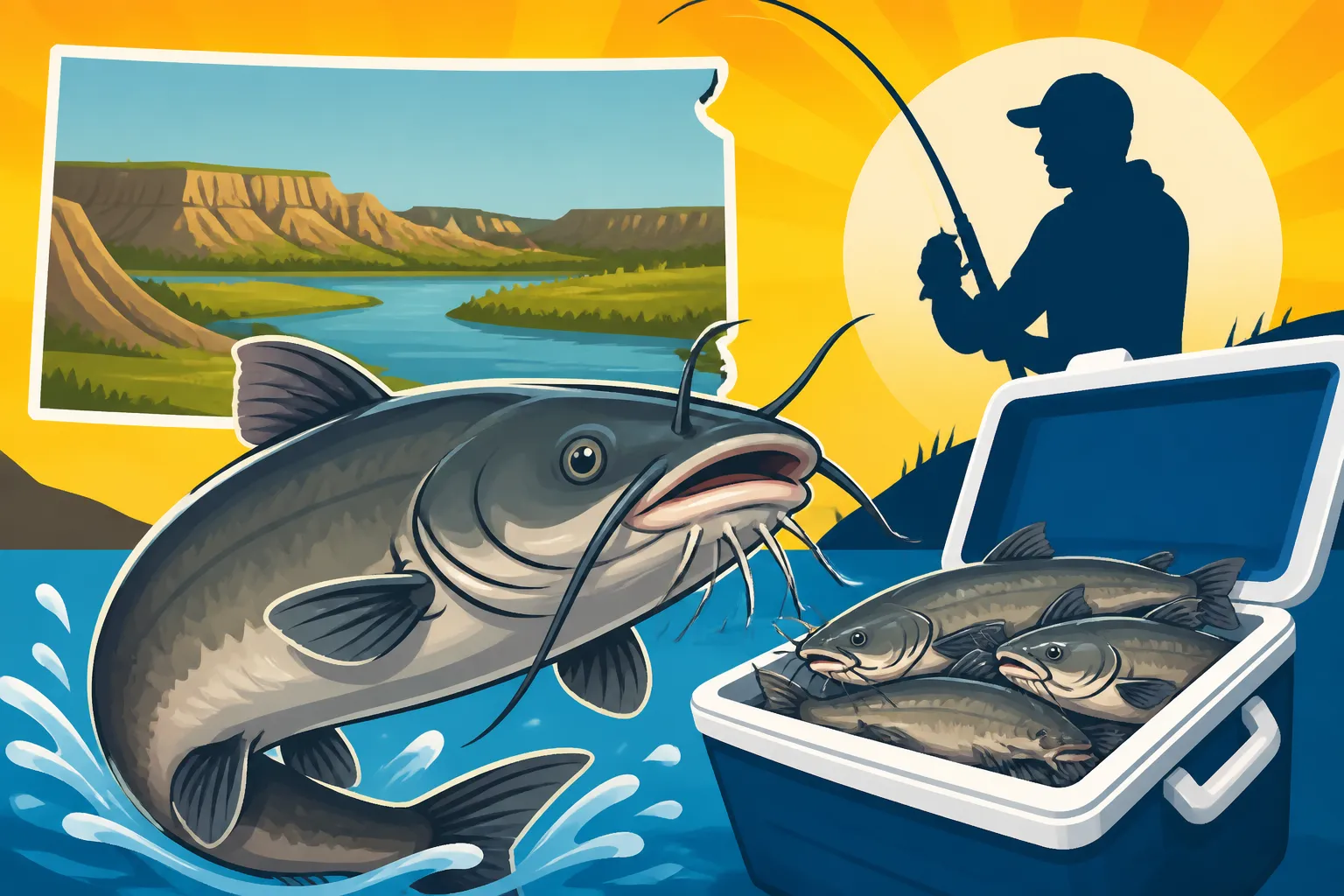
South Dakota Catfish Daily Limit
It's incredibly frustrating when you're out on the water, the bite is hot, and suddenly you start second-guessing yourself about whether you've kept too many fish. The rules can feel like a maze, especially when it comes to specific species like catfish, which are so popular in South Dakota. This guide is designed to cut through that confusion, giving you a clear, in-depth understanding of the South Dakota catfish daily limit and possession rules so you can fish with confidence and stay on the right side of the law.
Understanding South Dakota's Catfish Regulations
Fishing in South Dakota offers some truly incredible opportunities, especially for those seeking the thrill of landing a hefty catfish. However, to ensure these opportunities remain for generations to come, the state has put specific regulations in place. These aren't just arbitrary rules; they're carefully considered measures to manage fish populations and maintain a healthy ecosystem. The trick is knowing where to find these rules and how to interpret them correctly, especially since they can sometimes have nuances.
The Role of GFP in Setting Limits
The South Dakota Game, Fish and Parks (GFP) is the governing body responsible for setting all fishing regulations, including the daily and possession limits for catfish. Their mission is to conserve, manage, protect, and enhance South Dakota's wildlife resources and their habitats for the enjoyment of current and future generations. To achieve this, GFP biologists conduct extensive research, monitoring fish populations, habitat conditions, and angler harvest data. Based on these scientific findings, they propose regulations that are then reviewed and enacted. This means the rules aren't static; they can change from year to year to adapt to population trends, environmental factors, and fishing pressure. That's why it's always crucial for anglers to check the most current information, which you can usually find in the annual South Dakota Fishing Handbook Guide. Relying on outdated information could land you in hot water, so always make sure you're up to date!
Distinguishing Between Channel and Flathead Catfish
South Dakota waters are primarily home to two main species of catfish that anglers target: the Channel Catfish and the Flathead Catfish. While they both fall under the general "catfish" umbrella, understanding their differences can be helpful, not just for identification but also in appreciating why regulations might sometimes differentiate them (though for daily limits in South Dakota, they are often grouped). Channel Catfish are widespread and characterized by their distinct forked tail, spotted bodies (especially when young), and an overall sleeker appearance. They are often found in rivers, lakes, and reservoirs, and are known for their strong fight and excellent table fare.
Flathead Catfish, on the other hand, are typically found in larger rivers and their associated impoundments. They are easily identified by their flattened heads (hence the name), small eyes, and a square or slightly rounded tail, distinct from the Channel Catfish's fork. Flatheads are solitary, ambush predators that prefer live bait and often grow to impressive sizes, making them a true trophy for many anglers. While the statewide daily and possession limits in South Dakota generally apply to both species combined, knowing your target can influence your fishing tactics and appreciation of your catch. If you want to dive deeper, you can explore the differences in our guide on Channel Catfish vs Flathead Catfish.
Specific Daily and Possession Limits for Catfish
Alright, let's get down to the nitty-gritty: the actual numbers you need to know to legally keep your catfish catch in South Dakota. These limits are designed to prevent overfishing and maintain healthy catfish populations across the state, ensuring everyone gets a fair shot at a great fishing experience.
Statewide Daily Limits for Channel and Flathead
For most waters in South Dakota, the statewide daily limit for catfish, encompassing both Channel and Flathead Catfish, is 10 fish. This means that within a 24-hour period, you can legally harvest and keep up to ten catfish from the time you start fishing until the same time the next day. It's not about the calendar day, but about a rolling 24-hour period. So, if you catch your limit by noon, you cannot go out and catch more until noon the following day. This limit applies across the vast majority of lakes, rivers, and streams in the state, including popular spots on the Missouri River system and many glacial lakes. It’s a straightforward rule, but one that anglers must strictly adhere to. Always make sure to confirm any exceptions or special regulations for specific water bodies you plan to visit by consulting the current South Dakota Fishing Regulations Explained document from GFP.
Possession Limits and Storage Rules
Beyond the daily limit, there's also a possession limit, which is equally important. The statewide possession limit for catfish in South Dakota is 20 fish. This refers to the total number of catfish you can have in your physical possession at any given time, whether they're in your cooler, your livewell, at your campsite, or in your vehicle. It's essentially twice the daily limit, allowing anglers who are on a multi-day trip to accumulate fish over consecutive days.
For example, if you fish on Monday and keep 10 catfish (hitting your daily limit), you can then fish again on Tuesday and keep another 10. At the end of Tuesday, you would have 20 catfish, which is your possession limit. Once you hit that 20-fish possession limit, you cannot harvest any more catfish until you have consumed or otherwise legally disposed of some of your catch, reducing your total possession count below 20. This rule is particularly important for those extended fishing trips where you might be staying in a cabin or an RV campground for several days. Proper labeling and storage are also key: if you're filleting your fish, ensure a piece of skin is left on the fillet for species identification and that you comply with any length limits (though typically not applicable for catfish daily limits, it's good practice for other species). Keeping your catch organized in a quality cooler, perhaps one you picked up from Amazon, can help immensely with managing your possession count and keeping your fish fresh.
Special Regulations and Waterbodies
While the 10 daily and 20 possession limits are standard for most of South Dakota, it's always smart to remember that special regulations can sometimes apply to specific waterbodies. The South Dakota GFP occasionally implements unique rules for certain lakes or rivers to address localized conservation needs, manage specific fisheries, or create special angling opportunities. These might include different daily limits, length restrictions, or even different bait rules. For example, while not common for catfish, some trout streams in the Black Hills have artificial lure-only rules or specific length restrictions.
Currently, for catfish, the statewide limits are quite consistent, but an informed angler always double-checks. Before heading out, grab the latest South Dakota Fishing Regulations Explained handbook or check the GFP website for any water-specific rules that might override the general statewide limits. These special regulations are often put in place to protect a vulnerable population or to enhance a particular fishing experience, so respecting them is vital for the health of the fishery. Ignorance of the law is never an excuse, so a quick check can save you a lot of hassle and help protect the future of South Dakota fishing.
Why Catfish Limits Matter: Conservation and Future Fishing
You might wonder why we have these limits in the first place. Isn't fishing just about going out and having fun? Absolutely, but it's also about responsibility. The daily and possession limits for catfish in South Dakota are not meant to hinder your enjoyment; they are fundamental tools for ensuring that our vibrant fisheries remain healthy and productive for everyone, for many years to come.
Ensuring Sustainable Catfish Populations
Catfish, particularly the highly sought-after Channel and Flathead species, are incredibly important parts of South Dakota's aquatic ecosystems. They are popular sport fish, providing countless hours of recreation and contributing significantly to local economies through tourism and related businesses. Without carefully managed limits, there's a real risk of overharvesting. Imagine if every angler kept every catfish they caught every single day—it wouldn't take long for the population to dwindle.
The limits help spread the harvest among a larger number of anglers and prevent a few individuals from depleting a fishery. By setting a daily limit of 10 and a possession limit of 20, the GFP allows for reasonable angler success while still leaving plenty of fish in the water to reproduce and grow. These regulations support the natural life cycle of catfish, allowing adults to spawn successfully and young fish to mature. This balance ensures that future generations of anglers will also have the opportunity to experience the thrill of a South Dakota Catfish Fishing Guide trip, catching these amazing fish.
The Impact of Overharvesting
The consequences of ignoring daily and possession limits, or widespread overharvesting, can be severe and long-lasting. When too many fish are removed from a population too quickly, it disrupts the entire ecosystem. For catfish, this could mean fewer breeding adults, leading to fewer young fish, and eventually, a decline in the overall population size. A reduction in catfish numbers can also impact other species in the food web, potentially affecting prey species they consume or predators that rely on catfish as a food source.
In areas where overharvesting occurs, anglers often experience poorer fishing, with fewer bites, smaller fish, and less overall success. It can take many years, sometimes even decades, for a depleted fish population to recover, even with strict conservation efforts. This is why it's not just about the law; it's about ethical angling and being a good steward of our natural resources. Every angler has a role to play in protecting South Dakota's fisheries, and respecting the limits is one of the easiest and most impactful ways to contribute. It's why programs that track data, like the South Dakota Trophy Fish Award Program, are important, helping GFP monitor the health and growth of various species.
Practical Tips for Anglers: Staying Compliant and Enjoying the Catch
Navigating fishing regulations can feel like a puzzle sometimes, but with a few practical tips and the right mindset, you can easily stay compliant and fully enjoy your South Dakota catfish adventures. It's all about preparation and responsible angling.
Keeping Track of Your Catch
One of the simplest yet most effective ways to stay within the daily and possession limits is to accurately keep track of your catch. It might sound obvious, but in the excitement of a hot bite, it's easy to lose count. Many experienced anglers use a simple tally system, either a mental count, a knot on a stringer, or a dedicated clicker counter. As soon as a fish goes into your livewell or cooler, count it. If you're fishing with friends or family on the same boat, make sure everyone understands the combined limits for your group, especially if you're sharing a cooler.
If you decide to release fish after catching your limit, that's perfectly fine and often encouraged for conservation, but you cannot replace a fish you've already kept in your daily limit. For example, if you've kept 10 catfish, you can't then release one of them and keep another later in the day. The moment it's harvested and counted towards your daily limit, that spot is taken. Having a small, accurate scale, easily found on Amazon, can also be useful for verifying fish size if there were length limits (though not typically for catfish daily limits). When you're dealing with multiple species or specific slot limits, it becomes even more critical to stay organized.
Essential Gear for Catfish Anglers
Having the right gear not only enhances your fishing experience but can also help you comply with regulations and handle your catch responsibly. For catfish, you'll want sturdy rods and reels, strong line, and appropriate hooks. Heavy monofilament or braided line is a must, especially if you're targeting those larger Flatheads in the Missouri River. Circle hooks are highly recommended, as they typically hook fish in the corner of the mouth, making for easier release if you decide to practice catch-and-release after hitting your limit.
A good cooler, like those available from brands on Amazon, is indispensable for keeping your harvested catfish fresh, especially during warm South Dakota summers. This is crucial for both food safety and maintaining the quality of your catch. Don't forget a pair of sturdy gloves for handling catfish, as their spines can be sharp! If you're planning an extended trip, consider having multiple coolers: one for the day's catch and another for accumulated fish, making it easier to manage your possession limit. For more specific gear recommendations, check out our guide on Best Bait for South Dakota Catfish.
What to Do with Your Catch
Once you've had a successful day of fishing and stayed within the South Dakota Catfish Daily Limit and possession rules, the next step is properly handling your catch. If you plan to eat your catfish, prompt and proper cleaning is essential. Keep fish on ice immediately after harvesting to maintain freshness. Many anglers prefer to fillet catfish, but remember that for identification purposes, particularly with other species, a small patch of skin might need to remain on the fillet until you are at your permanent residence. Always consult the current regulations for specific rules on filleting and transporting fish.
If you decide to release catfish, handle them with care to maximize their survival chances. Wet your hands before touching the fish, support their body weight, and use needle-nose pliers or a hook remover to gently remove the hook. Returning them quickly to the water allows them to swim away healthy. Regardless of whether you keep or release, being respectful of the fish and the environment ensures that South Dakota's waters continue to provide incredible angling opportunities. If you're looking for tips on preparing your catch, we even have a guide on How to Clean a Catfish!
South Dakota Catfish Limits Table
To help summarize the key limits we've discussed, here's a quick reference table. Remember, these are general statewide regulations, and it's always best to verify with the most current GFP regulations before your trip.
| Catfish Type | Daily Limit | Possession Limit | Minimum Length | Notes |
|---|---|---|---|---|
| Channel Catfish | 10 fish | 20 fish | None (statewide) | Combined with Flathead Catfish |
| Flathead Catfish | 10 fish | 20 fish | None (statewide) | Combined with Channel Catfish |
| All Catfish Species | 10 fish | 20 fish | None | Statewide general limits |
This table provides a clear overview, but again, always refer to the official South Dakota Game, Fish and Parks regulations for any updates or specific local rules that might apply to your chosen fishing spot.
Disclaimer
The information provided in this guide is for general informational purposes only and is based on typical South Dakota fishing regulations. Fishing regulations, including daily and possession limits, can change. It is the angler's responsibility to consult the most current South Dakota Game, Fish and Parks (GFP) Fishing Handbook or visit their official website before engaging in any fishing activities to ensure full compliance with all applicable laws and regulations.